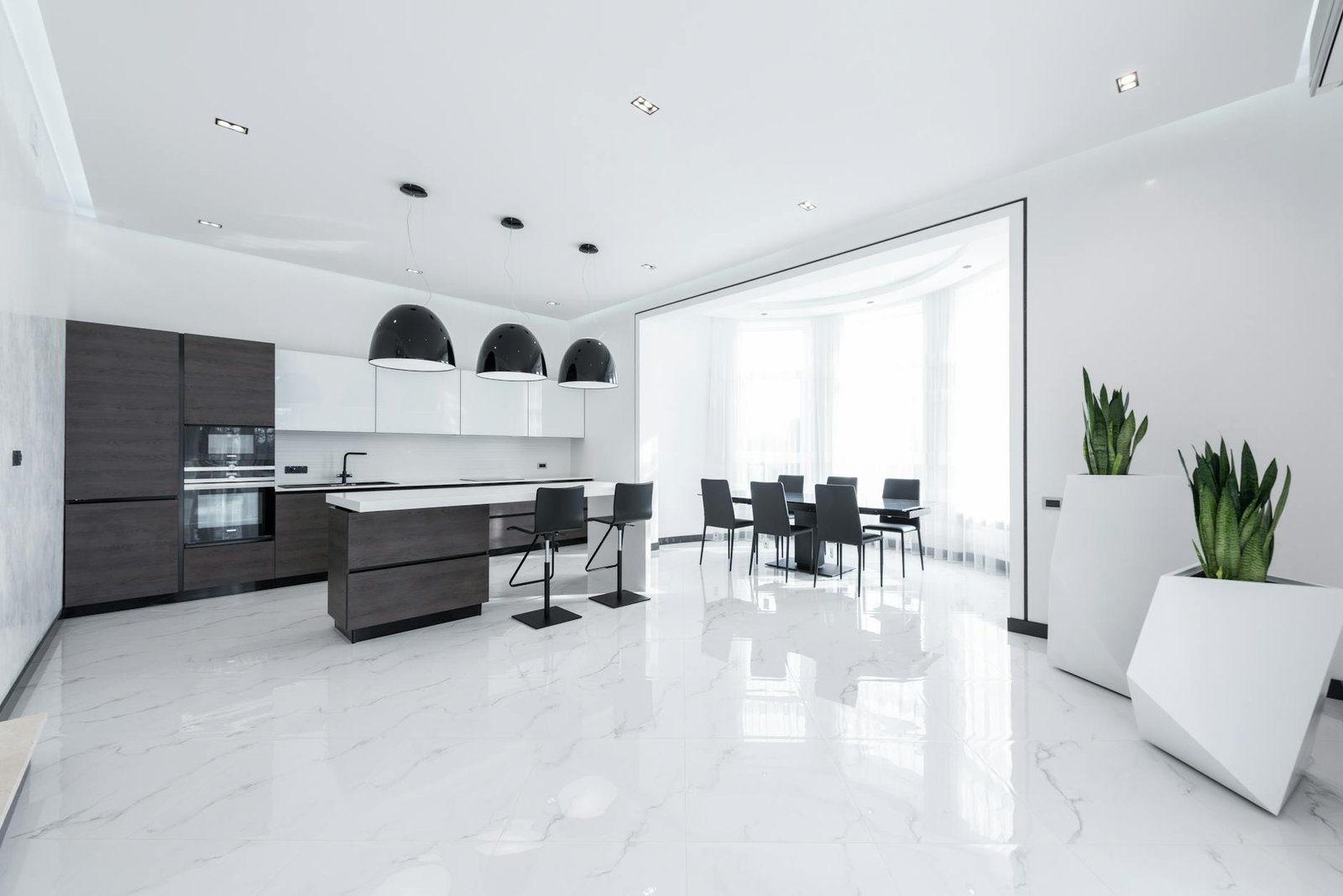
What is the Ideal Kitchen Layout for Small Apartments
A well-designed kitchen layout is crucial for efficient cooking and safety. As a stove expert, I have seen many kitchens that are not optimized for cooking, leading to decreased productivity, increased risk of accidents, and a higher likelihood of kitchen fires. In this article, we will explore the key considerations for optimizing your kitchen layout to ensure a safe and efficient cooking experience.
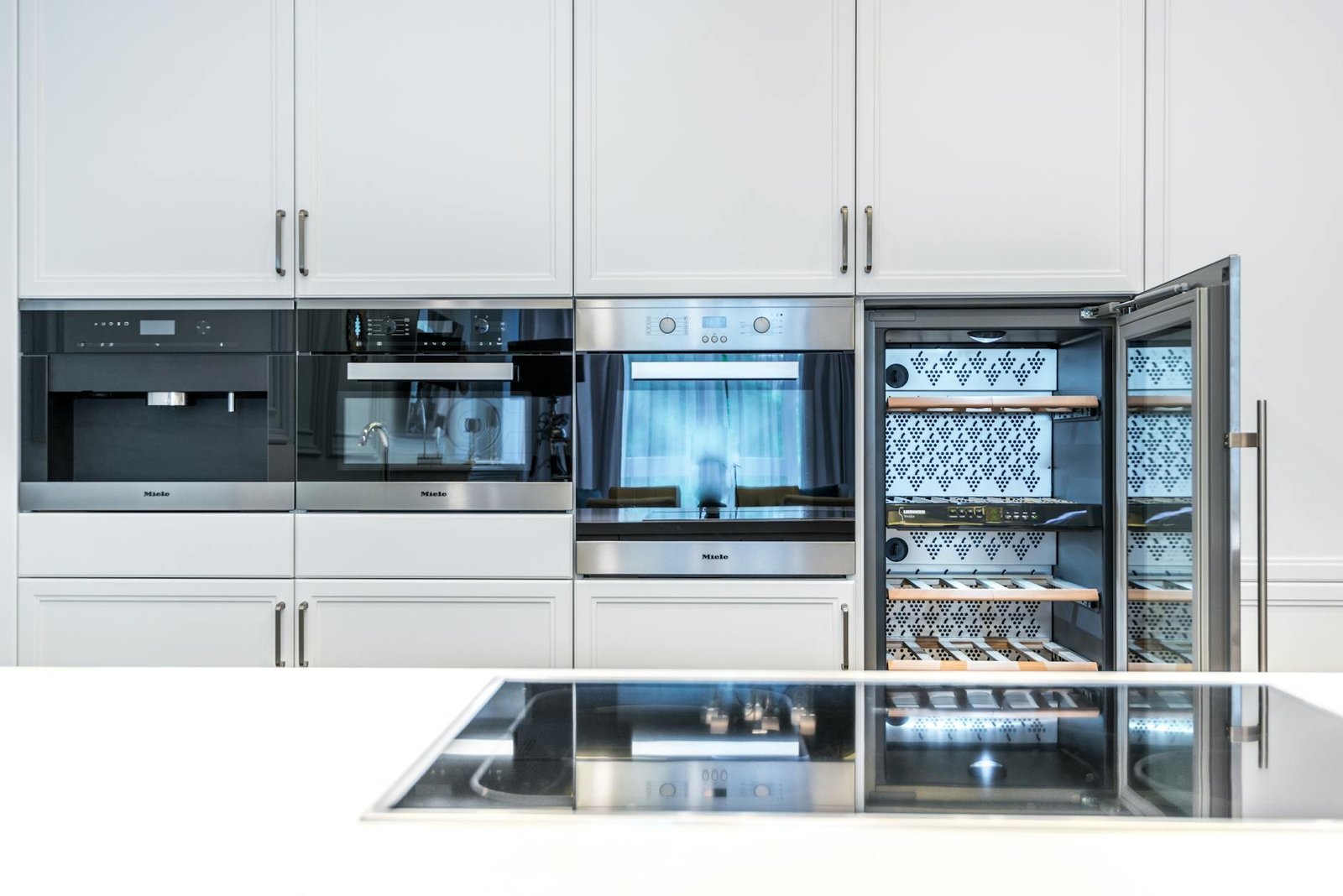
When it comes to kitchen layout, there are several factors to consider, including the placement of the stove, sink, and refrigerator, as well as the workflow and traffic patterns in the kitchen. A good kitchen layout should allow for easy movement between these key areas, minimizing the risk of accidents and improving overall efficiency. In addition, a well-designed kitchen layout can also help to reduce eye strain, back pain, and other health issues associated with poor posture and repetitive movements.
Some of the key benefits of an optimized kitchen layout include:
- Improved safety: A well-designed kitchen layout can help to reduce the risk of accidents, such as slips, trips, and falls, by minimizing clutter and ensuring that key areas are easily accessible.
- Increased efficiency: An optimized kitchen layout can help to streamline the cooking process, reducing the time and effort required to prepare meals and clean up afterwards.
- Enhanced workflow: A good kitchen layout can help to improve the workflow in the kitchen, allowing multiple people to work together safely and efficiently.
In the following sections, we will explore the key considerations for optimizing your kitchen layout, including the placement of the stove, sink, and refrigerator, as well as strategies for minimizing clutter and improving workflow. By following these tips and guidelines, you can create a kitchen layout that is both safe and efficient, allowing you to cook with confidence and enjoy the experience.
Understanding Kitchen Layout Principles
🔥 Popular on Stove Mastery
When it comes to optimizing your kitchen layout for efficient cooking and safety, understanding the fundamental principles of kitchen design is crucial. A well-designed kitchen layout can significantly enhance your cooking experience, while a poorly designed one can lead to frustration and accidents.
Work Triangle Concept
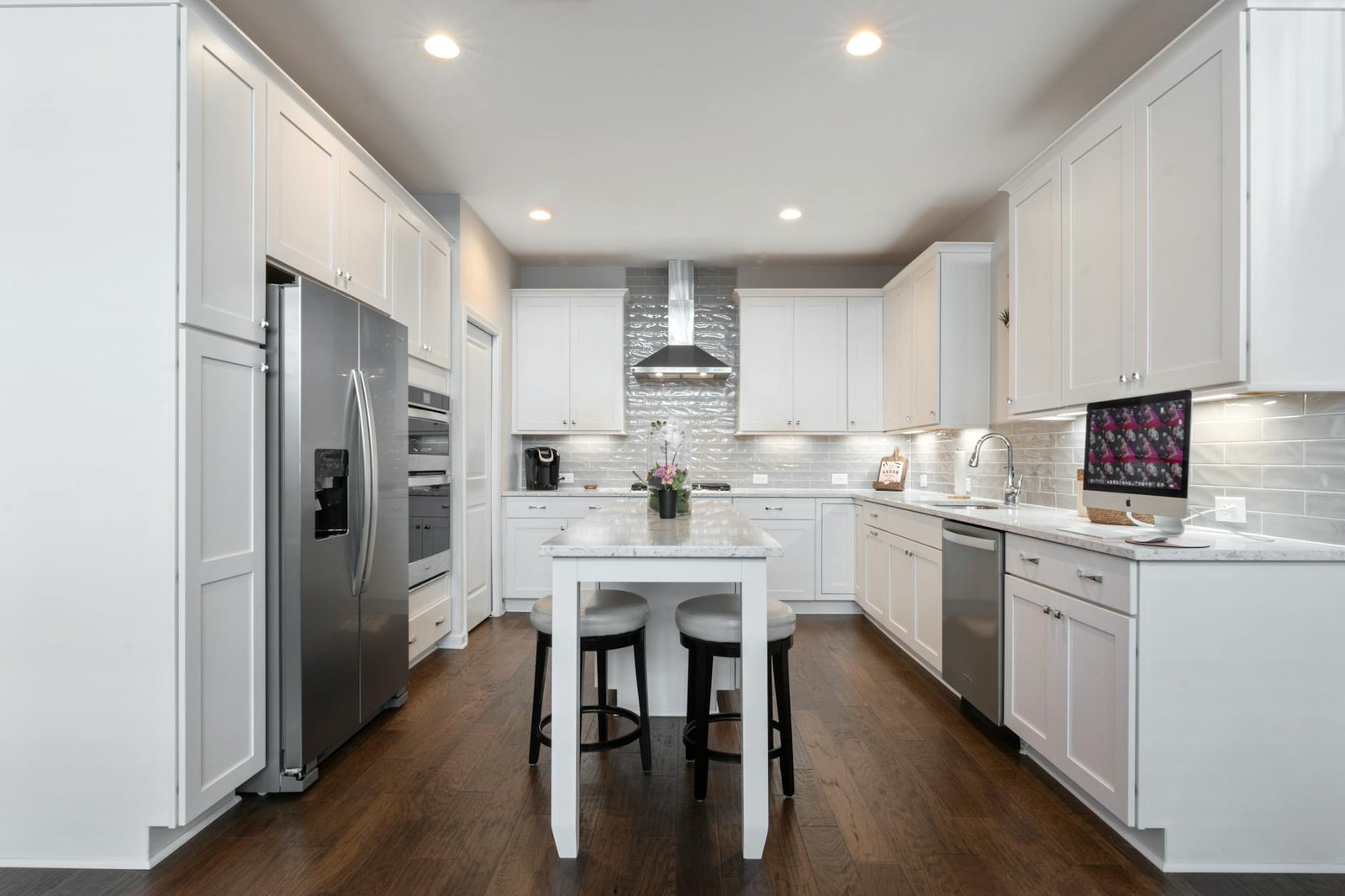
The work triangle concept is a fundamental principle in kitchen design that aims to minimize walking distances and reduce traffic congestion. It involves placing the three main workstations – sink, stove, and refrigerator – in a triangular formation, with each station being a vertex of the triangle. This layout allows for efficient movement between the three stations, reducing the need for excessive walking and improving overall workflow.
Kitchen Zones and Workflow
Kitchen zones refer to the different areas of the kitchen dedicated to specific tasks, such as cooking, cleaning, and food preparation. A well-designed kitchen layout should have a clear workflow that guides the cook through the various zones in a logical and efficient manner. The key zones to consider include:
- Cooking zone: This zone should be located near the stove and oven, with easy access to cooking utensils and ingredients.
- Cleaning zone: This zone should be located near the sink, with easy access to cleaning supplies and waste disposal.
- Food preparation zone: This zone should be located near the refrigerator, with easy access to food storage and preparation areas.
Importance of Ergonomics in Kitchen Design
Ergonomics plays a critical role in kitchen design, as it ensures that the kitchen is designed to accommodate the needs and comfort of the cook. A well-designed kitchen should have:
- Countertops at a comfortable height to minimize straining and bending.
- Easy access to frequently used items, such as utensils and spices.
- Adequate lighting to illuminate the cooking and preparation areas.
By incorporating these principles into your kitchen design, you can create a safe, efficient, and comfortable cooking environment that meets your needs and enhances your overall cooking experience.
Optimizing Layout for Small Apartments
Watch: I Found The Best Kitchen Layout Nobody’s Heard Of
When it comes to optimizing your kitchen layout for small apartments, every inch counts. As a stove expert, I’ve seen many kitchens where a few simple adjustments can make a huge difference in efficiency and safety. In this section, we’ll explore the key strategies for making the most of your compact kitchen.
Assessing Your Space: Measuring and Mapping
To start, it’s essential to take precise measurements of your kitchen, including the location of doors, windows, and any obstacles. Create a detailed map or sketch of your space, noting the dimensions of each area. This will help you identify potential bottlenecks and opportunities for optimization. Consider the “work triangle” concept, which suggests that the sink, stove, and refrigerator should be positioned to minimize walking distance between them.
Selecting Space-Saving Appliances and Fixtures
Choosing the right appliances and fixtures can significantly impact the functionality of your small kitchen. Look for compact or slimline options, such as:
- 24-inch wide refrigerators, which can save up to 6 inches of space compared to standard models
- 30-inch wide ranges or cooktops, which can be more efficient than separate stove and oven units
- Wall-mounted pots and pans racks, which can free up cabinet space
When selecting appliances, consider the pros and cons of different types. For example, induction cooktops are energy-efficient and compact, but may require special cookware.
Strategic Use of Vertical Space
To maximize your kitchen’s vertical space, consider installing:
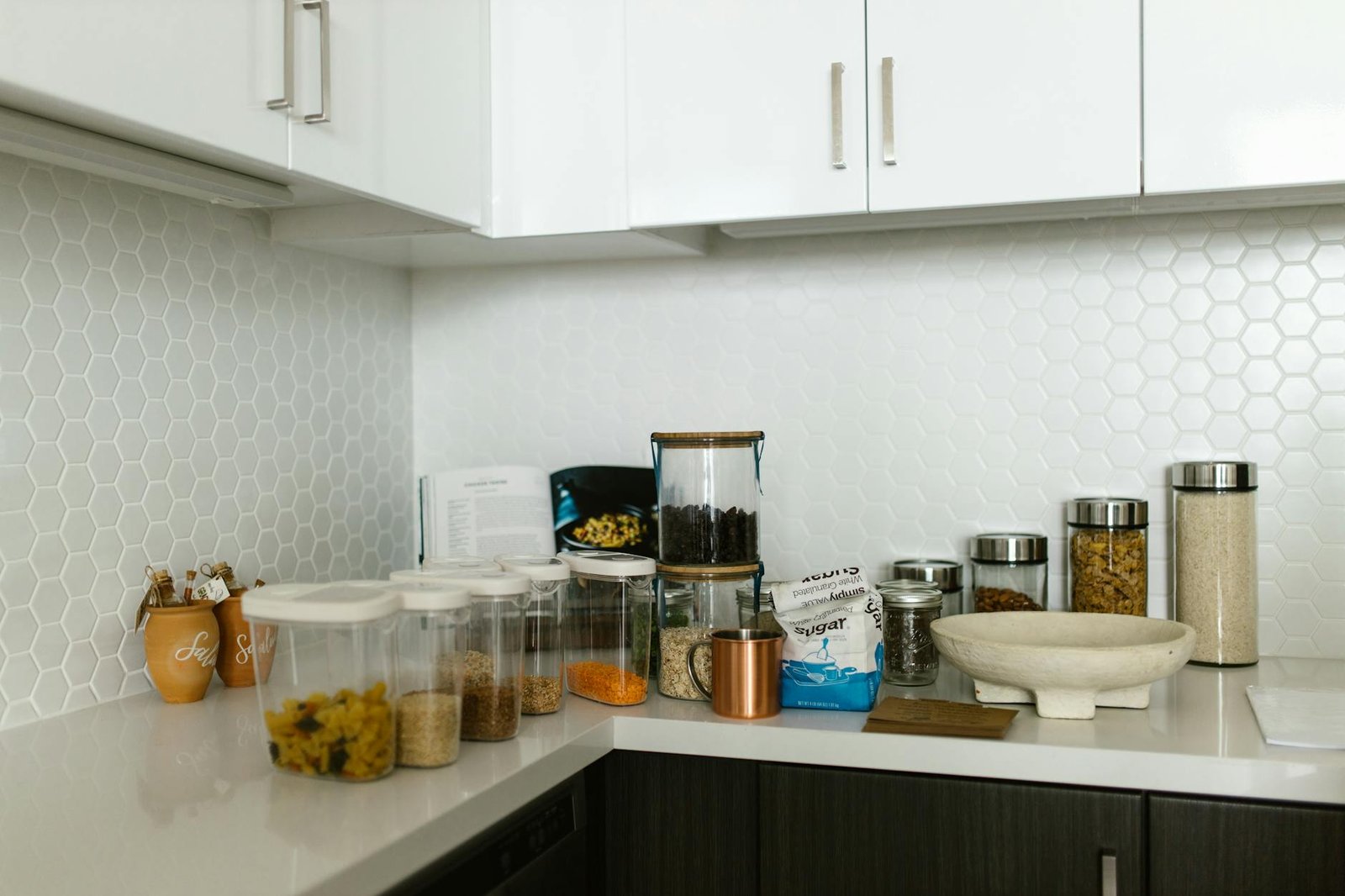
- Tall cabinets or pantry units that reach the ceiling, providing additional storage for infrequently used items
- Wall-mounted shelves or ledges for spices, oils, or cookbooks
- Pot racks or hooks that can be suspended from the ceiling, keeping frequently used items within easy reach
By implementing these strategies, you can create a functional and efficient kitchen layout that makes the most of your small apartment’s space.
Safety and Efficiency Considerations
When optimizing your kitchen layout for efficient cooking and safety, several key considerations come into play. As a stove expert, I will outline the essential factors to focus on to ensure a safe and efficient cooking environment.
Electrical Outlet Placement and Safety
To minimize electrical hazards, it is crucial to carefully plan the placement of electrical outlets in your kitchen. Outlets should be installed at a safe distance from water sources, such as sinks and refrigerators, to reduce the risk of electrical shock. Additionally, consider installing Ground Fault Circuit Interrupter (GFCI) outlets, which can detect and interrupt ground faults, providing an added layer of protection. When choosing outlets, weigh the pros and cons of different types, such as:
- USB outlets: convenient for charging devices, but may not provide sufficient power for larger appliances
- Smart outlets: offer advanced features like scheduling and energy monitoring, but may be more expensive
- Traditional outlets: reliable and affordable, but may not offer the same level of convenience or energy efficiency
Ventilation and Lighting Solutions
Adequate ventilation and lighting are essential for a safe and efficient kitchen. A well-ventilated kitchen can reduce the risk of respiratory problems and remove unwanted odors and moisture. Consider installing a range hood or exhaust fan, which can provide effective ventilation and help remove airborne pollutants. In terms of lighting, choose solutions that provide sufficient illumination for cooking tasks, such as:
- LED lighting: energy-efficient and durable, but may be more expensive upfront
- Halogen lighting: provides warm and focused light, but may generate heat and have a shorter lifespan
| Lighting Type | Energy Efficiency | Lifespan |
|---|---|---|
| LED | High | 50,000+ hours |
| Halogen | Medium | 2,000-4,000 hours |
Preventing Slip, Trip, and Fall Hazards
To prevent slip, trip, and fall hazards in the kitchen, ensure that the floor is clear of clutter and tripping hazards, and that the surface is slip-resistant. Consider installing non-slip mats or flooring, and secure any loose cords or cables. Regularly cleaning the kitchen floor and maintaining a tidy workspace can also help reduce the risk of accidents.
Implementing Your Ideal Kitchen Layout
When it comes to optimizing your kitchen layout for efficient cooking and safety, implementing your ideal design is crucial. A well-planned kitchen can make a significant difference in your cooking experience, while a poorly designed one can lead to inefficiencies and accidents.
Creating a Functional and Aesthetically Pleasing Design
To create a functional and aesthetically pleasing design, consider the workflow in your kitchen. The layout should be based on the “work triangle” concept, which connects the sink, stove, and refrigerator. This design ensures that the most frequently used areas are within easy reach, reducing walking distances and improving efficiency. Additionally, consider the placement of other essential elements, such as countertops, cabinets, and lighting.
- Assess your cooking habits and the types of meals you prepare to determine the optimal layout for your needs.
- Choose a layout that allows for a comfortable working height and adequate storage for your cookware and utensils.
- Select materials and finishes that are durable, easy to clean, and resistant to heat and moisture.
Budgeting for Your Kitchen Renovation
Before starting your kitchen renovation, it’s essential to establish a budget and stick to it. Consider the costs of materials, labor, and any necessary permits or inspections. A well-planned budget will help you prioritize your spending and make the most of your investment.
| Component | Cost Range |
|---|---|
| Cabinets | $3,000 – $10,000 |
| Countertops | $1,500 – $4,000 |
| Appliances | $1,000 – $3,000 |
DIY vs. Hiring a Professional: Weighing Your Options
When it comes to implementing your ideal kitchen layout, you have two options: DIY or hire a professional. DIY projects can be cost-effective and allow for flexibility, but they require significant time and effort. On the other hand, hiring a professional can ensure a high-quality finish and adherence to safety standards, but it can be more expensive. Consider your skills, time, and budget before making a decision.
Mini Case Study: The Case of the Congested Cooktop
A busy home cook, Sarah, was struggling with her kitchen layout, leading to inefficient cooking and safety concerns. Her cooktop was positioned near a corner, with limited counter space and a narrow pathway to the sink.
The problem was that Sarah often found herself juggling multiple pots and pans while trying to navigate the tight space, increasing the risk of accidents and burns.
- Diagnosis: The cooktop’s location and lack of surrounding counter space were the primary causes of the congestion.
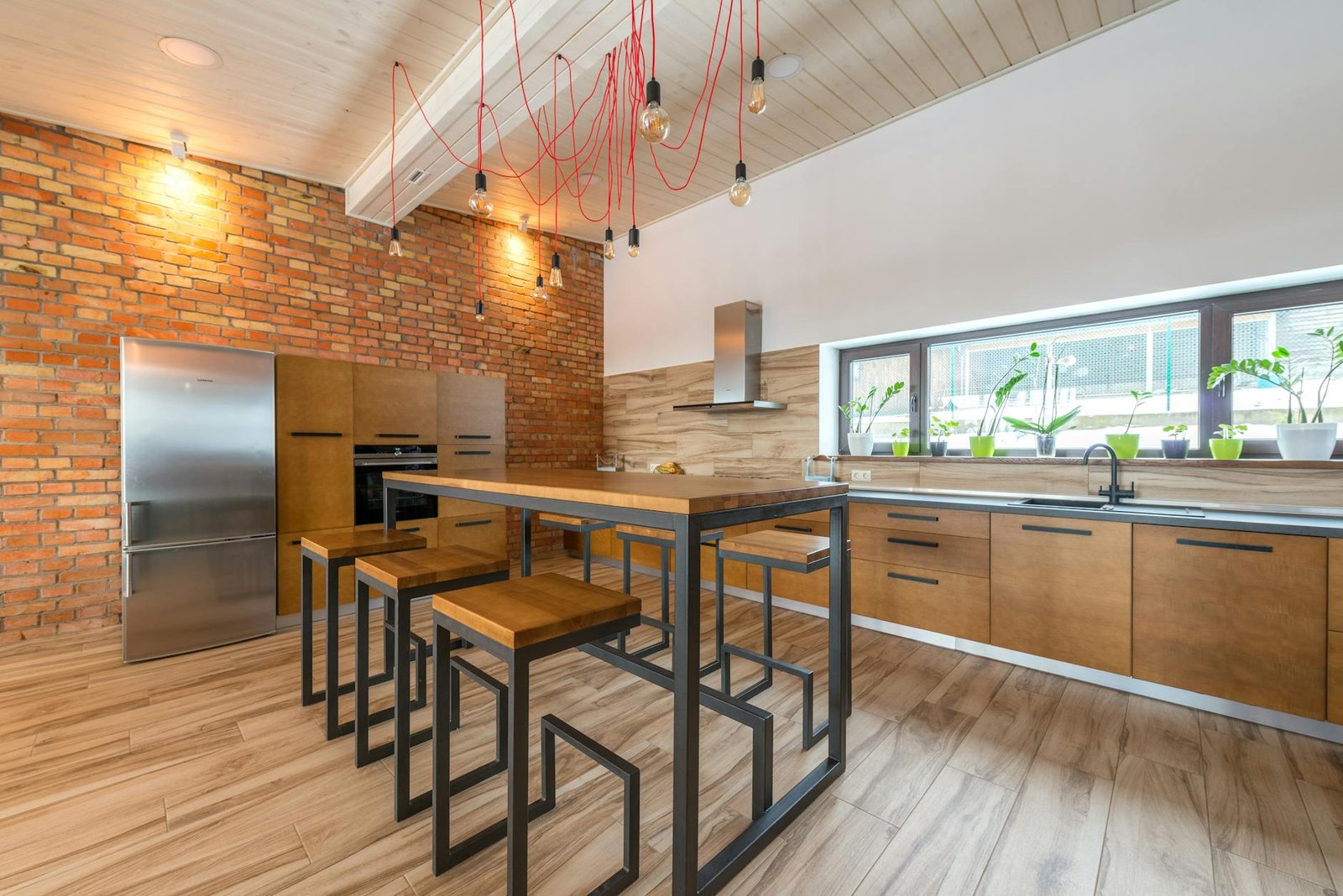
- Solution: Relocating the cooktop to a central position, adding a larger island for extra counter space, and optimizing the workflow to create a safer and more efficient cooking zone.
The solution resulted in a significant reduction in cooking time and a notable improvement in safety, allowing Sarah to enjoy a more comfortable and efficient cooking experience.
Final Thoughts
Optimizing your kitchen layout is crucial for efficient cooking and safety. As a stove expert, I have highlighted the key considerations for designing a functional and secure kitchen space. By applying these principles, homeowners can create an environment that enhances their cooking experience and minimizes potential hazards.
Key Takeaways
A well-designed kitchen layout should prioritize the stove as the central element, with sufficient clearance and ventilation to ensure safe and efficient cooking. The placement of other essential components, such as refrigerators, sinks, and countertops, should be carefully planned to facilitate a smooth workflow and minimize congestion.
- Stove placement: Consider the location of windows, doors, and other obstacles to ensure proper ventilation and easy access.
- Work triangle: Position the stove, sink, and refrigerator to form a triangle, allowing for efficient movement between these key stations.
- Counter space: Provide ample counter space for food preparation and staging to reduce clutter and improve workflow.
Comparison of Kitchen Layouts
When evaluating different kitchen layouts, it’s essential to weigh the pros and cons of each design. For example:
| Layout | Pros | Cons |
|---|---|---|
| Galley kitchen | Narrow, efficient space; easy to clean | Limited counter space; can feel claustrophobic |
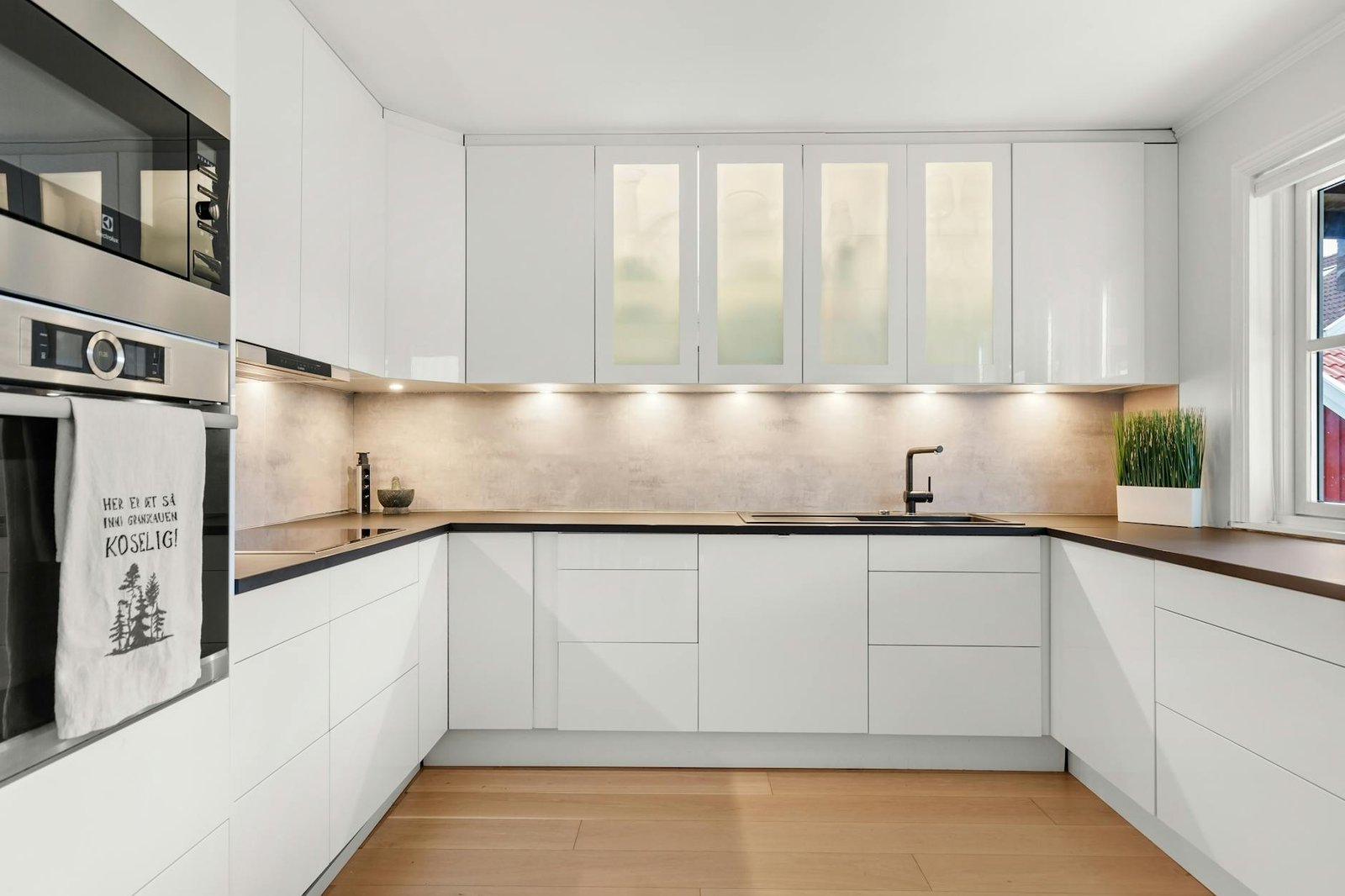
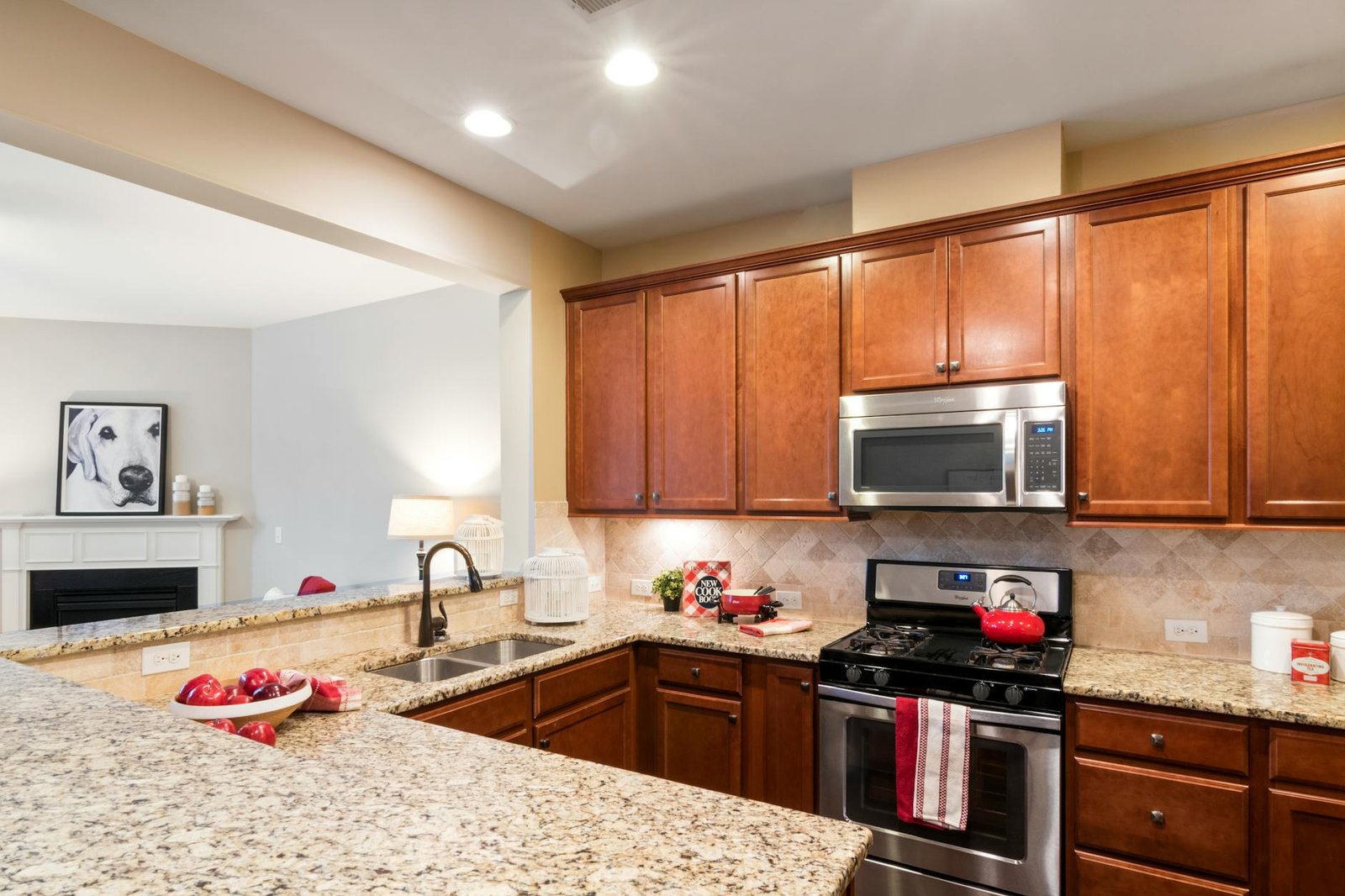
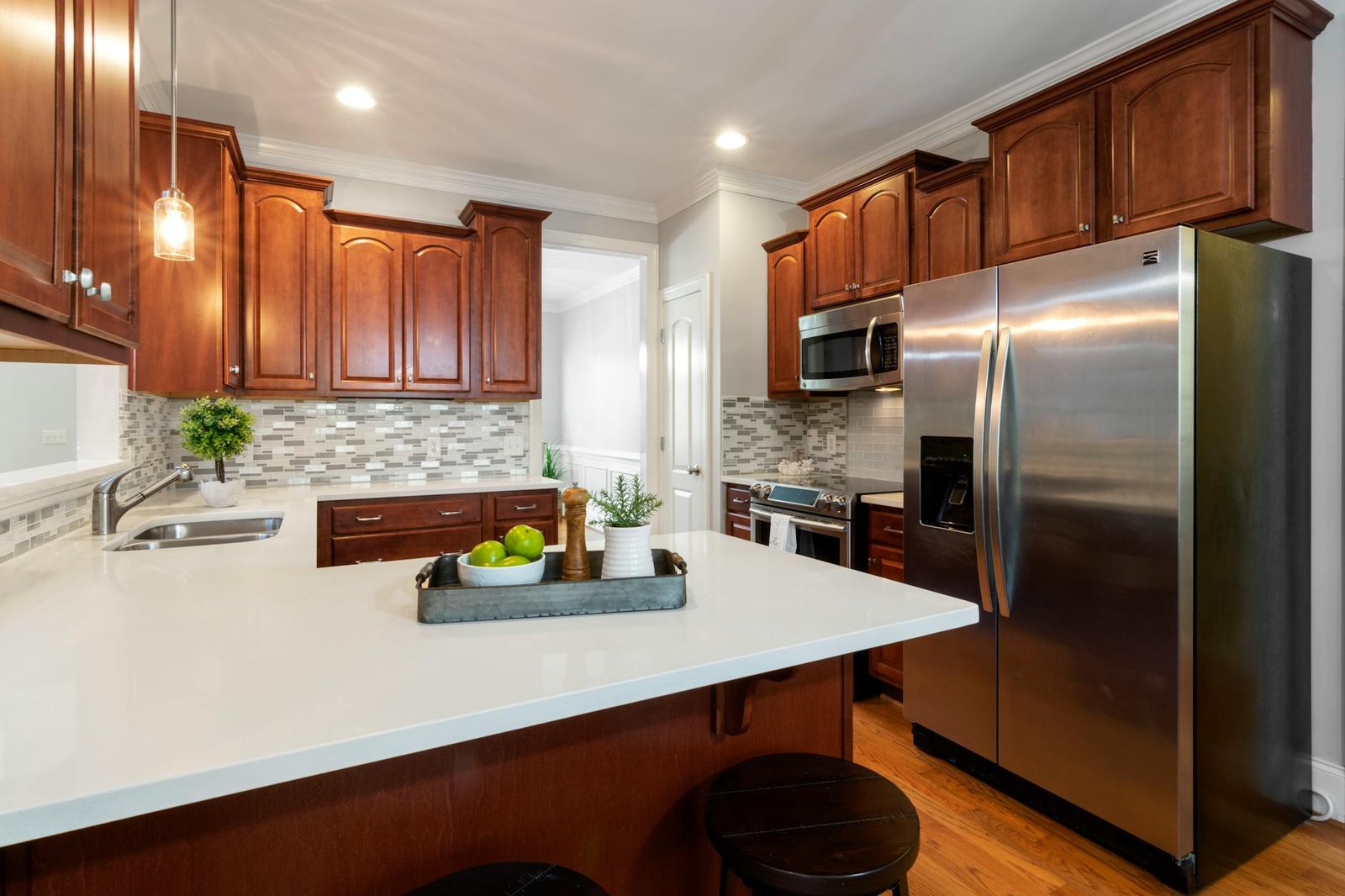
| L-shaped kitchen | Ample counter space; flexible layout | Can be difficult to navigate; may require more storage |
By considering these factors and weighing the advantages and disadvantages of different layouts, homeowners can create a kitchen space that meets their unique needs and preferences.
Final Recommendations
In conclusion, optimizing your kitchen layout requires careful consideration of the stove and other essential components. By applying the principles outlined in this article, homeowners can create a functional, efficient, and safe kitchen space that enhances their cooking experience. Remember to prioritize proper ventilation, sufficient counter space, and a well-planned work triangle to ensure a positive cooking experience. With a well-designed kitchen layout, you’ll be able to cook with confidence and enjoy the benefits of a safe and efficient cooking environment.
Frequently Asked Questions
What are the key considerations for optimizing kitchen layout?
When optimizing your kitchen layout, consider the workflow, also known as the ‘work triangle’, which connects the sink, stove, and refrigerator to minimize walking distances and improve efficiency. A well-planned layout also ensures safety by providing ample space for movement and reducing congestion.
How can I maximize storage in my kitchen?
To maximize storage, consider installing wall-mounted shelves, a pot rack, or a kitchen island with built-in cabinets to keep frequently used items within easy reach, while keeping countertops clear and clutter-free.
What are some safety considerations for kitchen layout?
Safety considerations include keeping the cooking area away from high-traffic zones, ensuring good lighting, and providing a safe distance between the stove and any flammable materials, such as curtains or towels.
Are there any specific layout styles that are ideal for small kitchens?
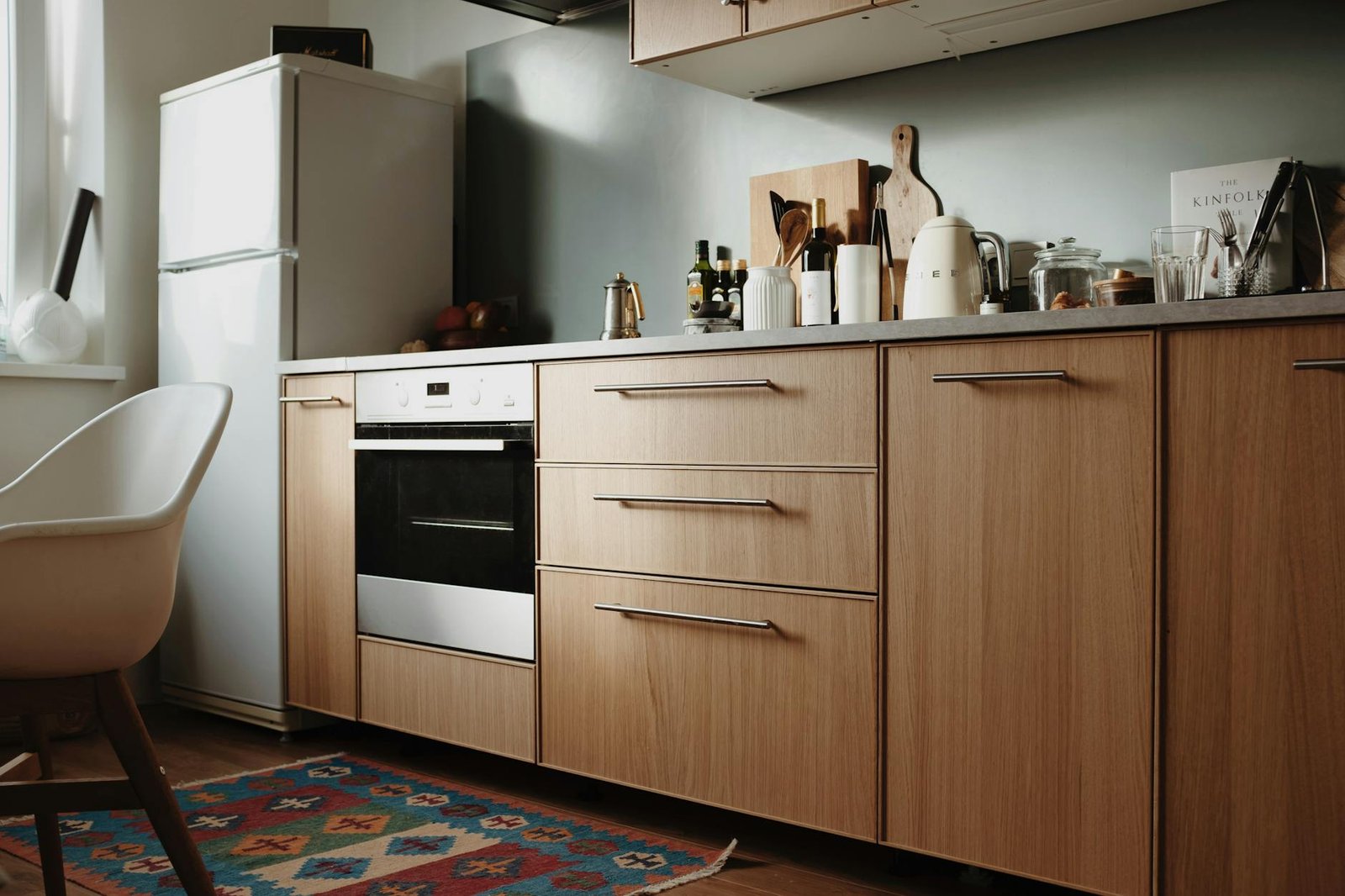
For small kitchens, consider a ‘galley’ or ‘corridor’ layout, which features a narrow, straight configuration with appliances and countertops on either side, allowing for efficient use of space and minimizing congestion.