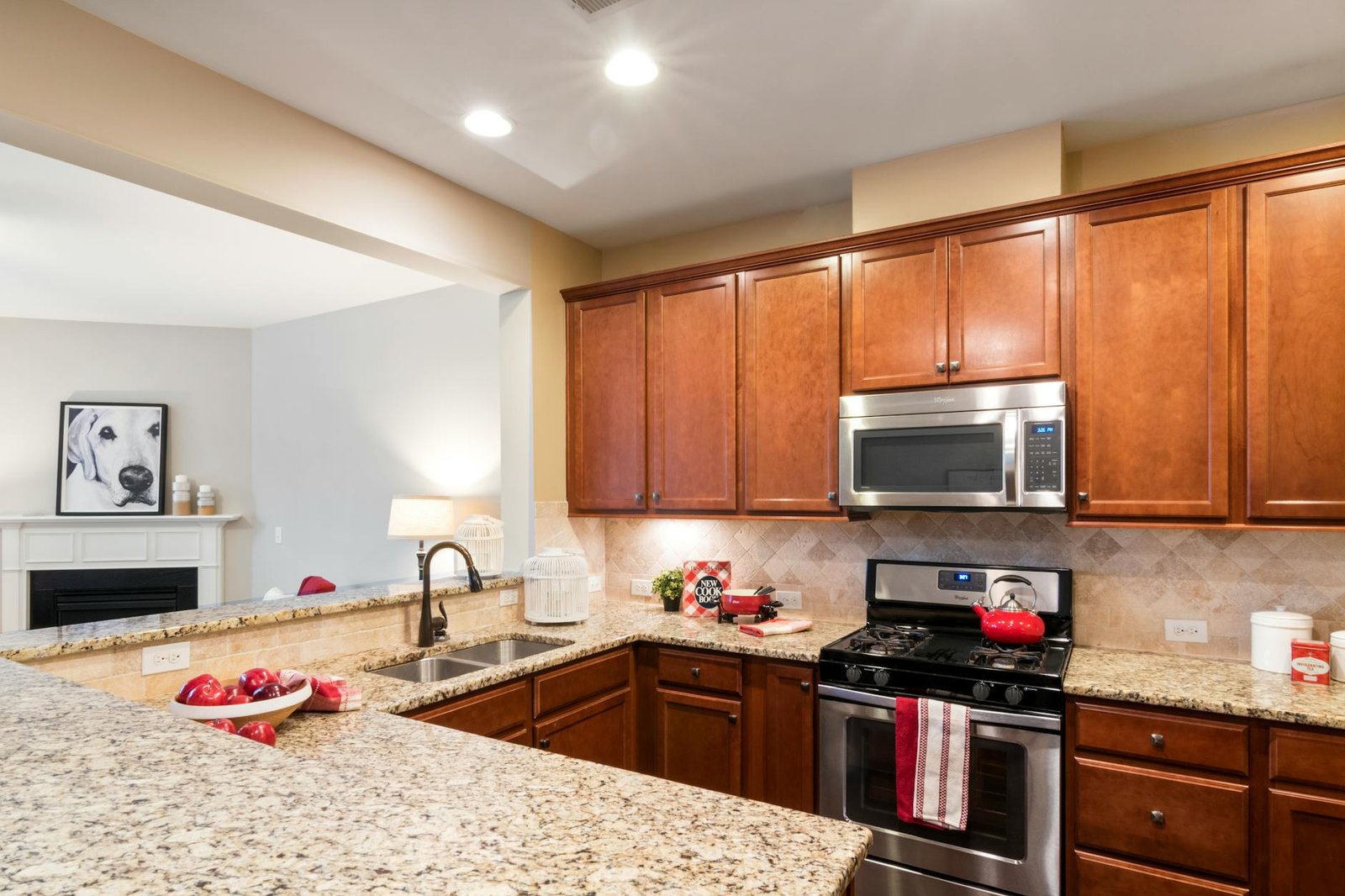
Optimizing Your Kitchen Layout for Efficient Cooking and Safety Tips
As a stove expert, I have seen numerous kitchens that are not optimized for efficient cooking and safety. A well-designed kitchen layout is crucial for a smooth and enjoyable cooking experience. In this article, we will explore the importance of kitchen layout and the benefits of an efficient kitchen.

Importance of Kitchen Layout
A kitchen layout is more than just the physical arrangement of appliances and fixtures. It plays a significant role in determining the workflow, safety, and overall functionality of the kitchen. A poorly designed kitchen layout can lead to inefficiencies, accidents, and frustration. On the other hand, a well-planned kitchen layout can enhance the cooking experience, reduce cooking time, and improve safety.
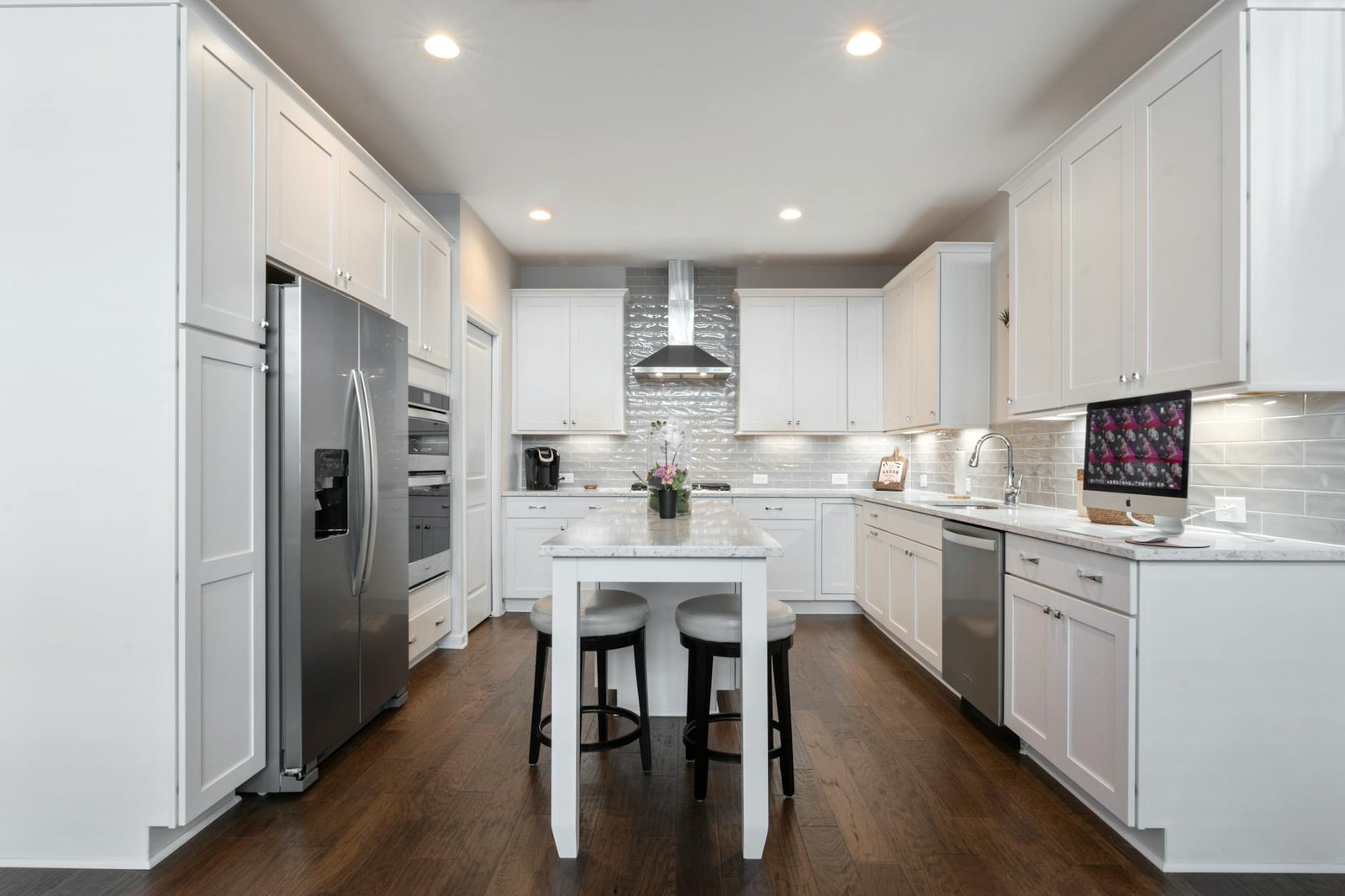
Some key factors to consider when designing a kitchen layout include the placement of the stove, sink, and refrigerator, also known as the “work triangle.” The work triangle should be designed to minimize walking distances, reduce congestion, and promote a smooth workflow. Additionally, the layout should take into account the “traffic path” to avoid collisions and ensure safe movement.
Benefits of an Efficient Kitchen
An efficient kitchen offers numerous benefits, including:
- Increased Productivity: A well-designed kitchen layout can help you cook faster and more efficiently, saving you time and effort.
- Improved Safety: A safe kitchen layout can reduce the risk of accidents, such as slips, trips, and falls, and prevent fires and other hazards.
- Enhanced Comfort: An efficient kitchen can reduce fatigue and discomfort, making the cooking experience more enjoyable and relaxing.
- Reduced Stress: A well-organized kitchen can minimize stress and frustration, allowing you to focus on cooking and enjoying time with family and friends.
By optimizing your kitchen layout, you can create a cooking space that is not only functional and efficient but also safe and enjoyable. In the following sections, we will delve into the specifics of designing an efficient kitchen layout, including the placement of appliances, lighting, and storage.
Assessing Your Kitchen Space
🔥 Popular on Stove Mastery
When optimizing your kitchen layout for efficient cooking and safety, it’s essential to start by assessing your kitchen space. This involves understanding the dimensions of your kitchen, how you move within it, and common pitfalls to avoid. By doing so, you’ll be able to create a layout that suits your needs and cooking style.
Measuring Your Kitchen
To begin, measure your kitchen’s length, width, and any obstacles such as doors, windows, or columns. Record these measurements to determine the overall square footage and to identify potential bottlenecks. Consider the location of plumbing, electrical outlets, and gas lines, as these will impact your layout. Make a note of the size and shape of your kitchen to determine the best layout for your space.
Identifying Workflow Patterns
Next, observe your workflow patterns in the kitchen. Think about how you typically move between tasks, such as from the refrigerator to the stove, or from the sink to the cooking area. Consider the following workflow patterns:
- The “work triangle” concept, where the sink, stove, and refrigerator form the points of a triangle to minimize walking distance
- The “zone” approach, where you divide your kitchen into separate areas for cooking, cleaning, and food preparation
- Areas for specific tasks, such as a dedicated baking station or a coffee-making area
By understanding your workflow patterns, you can design a layout that minimizes walking distance, reduces congestion, and promotes efficient cooking.
Common Kitchen Layout Mistakes
Avoid common kitchen layout mistakes that can hinder efficiency and safety, such as:
- Insufficient counter space, leading to clutter and reduced workspace
- Inadequate lighting, which can lead to accidents and eye strain
- Poorly placed appliances, such as a stove near a corner or a refrigerator blocking a doorway
By being aware of these potential mistakes, you can design a kitchen layout that is both functional and safe. Remember to consider your specific needs and cooking style when assessing your kitchen space to create an optimal layout.
Designing for Efficiency and Safety
Watch: I Found The Best Kitchen Layout Nobody’s Heard Of
When it comes to designing a kitchen layout, efficiency and safety should be the top priorities. A well-designed kitchen can make cooking and food preparation a breeze, while a poorly designed one can lead to frustration and accidents. In this section, we will explore the key considerations for designing a kitchen that is both efficient and safe.
Work Triangle Concept
The work triangle concept is a fundamental principle of kitchen design that aims to reduce walking distances and improve workflow. The concept involves placing the sink, stove, and refrigerator at the points of a triangle, with each point being between 4 and 9 feet apart. This layout allows for easy movement between the three main workstations in the kitchen, reducing fatigue and increasing productivity.
Optimizing Storage and Counter Space
Optimizing storage and counter space is crucial for efficient cooking and safety. Here are some tips to consider:
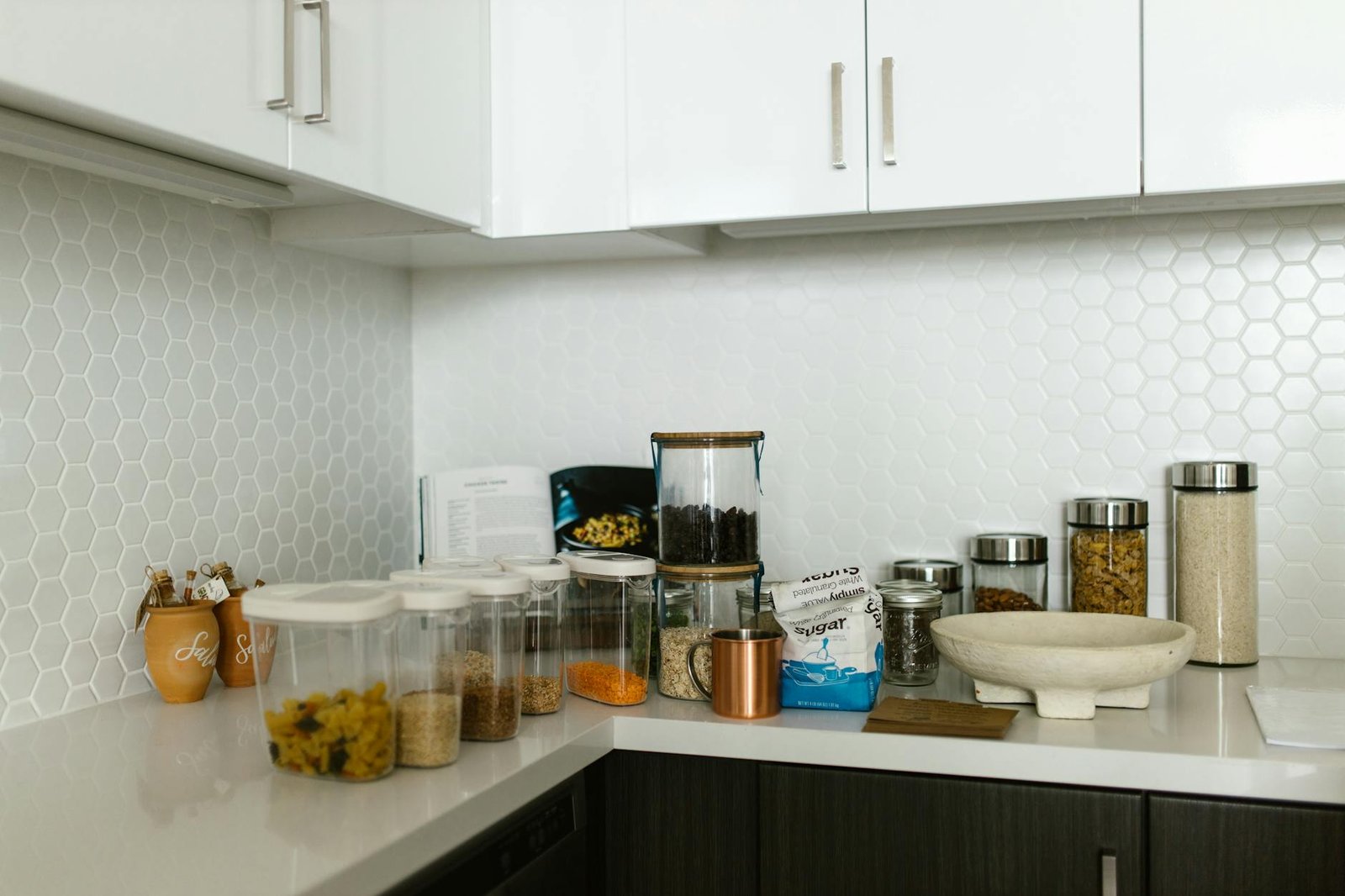
- Install cabinets and drawers that are easily accessible and provide ample storage for cookware, utensils, and food.
- Use wall-mounted shelves and hooks to keep frequently used items within easy reach.
- Choose countertops that are durable, easy to clean, and provide sufficient space for food preparation.
By optimizing storage and counter space, you can reduce clutter, improve workflow, and minimize the risk of accidents.
Safety Considerations in Kitchen Design
Safety should always be a top priority in kitchen design. Here are some key considerations to keep in mind:
- Electrical outlets: Install outlets at a safe distance from water sources, such as the sink and stove.
- Fire suppression: Install a fire extinguisher and ensure that it is easily accessible.
- Slip-resistant flooring: Choose flooring that is slip-resistant and easy to clean, such as ceramic tile or hardwood.
By incorporating these safety features into your kitchen design, you can minimize the risk of accidents and create a safe and enjoyable cooking environment.
Implementing Your Optimized Kitchen Layout
Implementing your optimized kitchen layout requires careful planning and execution to ensure a smooth and efficient cooking experience. To achieve this, it’s essential to consider several key factors, including task prioritization, budgeting, and maintenance.
Prioritizing Tasks and Creating a Plan
Start by identifying the most critical tasks and workflows in your kitchen, such as food preparation, cooking, and cleaning. Create a plan that outlines the necessary steps to optimize your kitchen layout, including any renovations or upgrades. Consider the following factors:
- Work triangle: The distance between your sink, stove, and refrigerator should be minimized to reduce walking distances and improve efficiency.
- Task zones: Designate specific areas for tasks like food preparation, cooking, and cleaning to maintain a clutter-free and organized kitchen.
- Storage: Ensure ample storage for kitchen utensils, gadgets, and ingredients to keep your kitchen organized and reduce clutter.
Budgeting for Renovations and Upgrades
Once you have a plan in place, it’s essential to establish a budget for any necessary renovations or upgrades. Consider the following costs:
| Component | Cost Range |
|---|---|
| New cabinets | $3,000 – $10,000 |
| Countertops | $2,000 – $5,000 |
| Appliances | $1,000 – $3,000 |
Consider the pros and cons of different materials and appliances, such as durability, maintenance, and energy efficiency, to make informed decisions.
Tips for Maintaining Your Optimized Kitchen
To ensure your optimized kitchen layout remains efficient and safe, follow these tips:
- Regular cleaning: Schedule regular cleaning sessions to maintain a clutter-free and hygienic kitchen.
- Proper storage: Use storage solutions like cabinets, drawers, and shelves to keep kitchen utensils and ingredients organized.
- Appliance maintenance: Regularly inspect and maintain your appliances to prevent breakdowns and ensure optimal performance.
Mini Case Study: The Case of the Congested Cookspace
In a small kitchen, a busy homeowner found herself struggling to cook efficiently and safely due to a poorly designed layout. The stove, sink, and refrigerator were too close together, causing congestion and increasing the risk of accidents.
The Problem was a lack of workflow and inadequate space between the cooking zone and other kitchen areas. This led to:
- Frequent collisions between the homeowner and other family members
- Difficulty in navigating the kitchen with hot pans and dishes
- Increased risk of burns and spills
The Solution involved reconfiguring the kitchen layout to create a more efficient workflow. By relocating the stove to a central island and adding a pot filler faucet, the homeowner was able to:
- Improve traffic flow and reduce congestion
- Enhance cooking efficiency and safety
- Create a more enjoyable and functional cooking experience
Final Thoughts
Optimizing your kitchen layout is crucial for efficient cooking and safety. A well-designed kitchen can significantly reduce cooking time, improve workflow, and minimize the risk of accidents. As a stove expert, I have seen numerous kitchens that are poorly designed, leading to inefficiencies and hazards. In this article, we have discussed the importance of optimizing your kitchen layout, and provided practical tips and guidelines to achieve this goal.
Key Takeaways
To recap, the key to optimizing your kitchen layout is to consider the workflow, safety, and functionality of the space. This includes:
- Placing the stove in a central location to facilitate easy access to other kitchen areas
- Ensuring adequate ventilation to remove cooking fumes and moisture
- Providing sufficient storage and counter space to keep utensils and ingredients within reach
- Installing safety features such as fire extinguishers and emergency shut-off valves
Best Practices
When designing your kitchen layout, keep in mind the following best practices:
- Keep the stove at least 30 inches away from any combustible materials
- Install a range hood or exhaust fan to remove cooking fumes and moisture
- Use a zone-based approach to divide the kitchen into separate areas for cooking, preparation, and cleaning
- Consider the work triangle concept, which aims to minimize walking distances between the stove, sink, and refrigerator
By following these guidelines and best practices, you can create a kitchen layout that is both efficient and safe. Remember to always prioritize functionality and safety when designing your kitchen, and don’t hesitate to consult with a professional if you need guidance. With a well-designed kitchen, you can enjoy cooking and spending time with family and friends, while minimizing the risk of accidents and injuries.
Frequently Asked Questions
What are the key considerations for optimizing kitchen layout?
The key considerations include the work triangle, adequate counter space, and proper ventilation. A well-designed layout can improve cooking efficiency and reduce accidents.
How can I maximize storage in my kitchen?
Maximize storage by using wall-mounted shelves, installing drawers, and utilizing the space between cabinets and countertops for additional storage solutions.
What are some safety tips for kitchen layout?
Ensure that the cooking area is at a safe distance from the sink and refrigerator, keep electrical appliances away from water sources, and maintain a clear path for easy movement around the kitchen.
How can I create an efficient workflow in my kitchen?
Create an efficient workflow by grouping similar tasks together, such as food preparation and cooking, and positioning utensils and equipment in easy-to-reach locations to minimize movement and reduce cooking time.