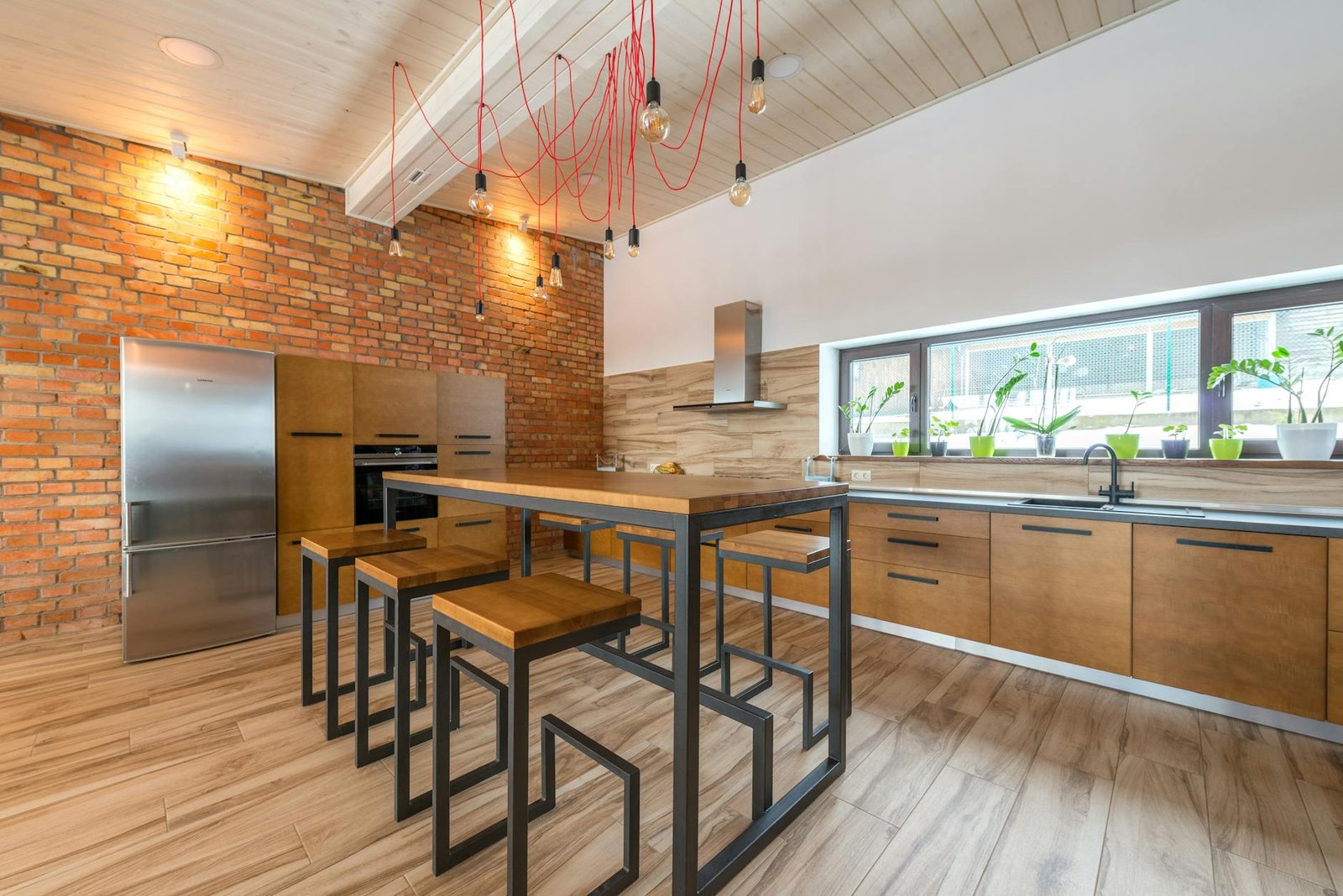
Optimizing Your Kitchen Layout for Efficient Cooking and Safety
As a stove expert, I can attest that a well-designed kitchen layout is crucial for efficient cooking and safety. A kitchen that is poorly laid out can lead to inefficiencies, accidents, and frustration. In this article, we will explore the importance of optimizing your kitchen layout to create a space that is both functional and safe.

Importance of Kitchen Layout
A well-planned kitchen layout can make a significant difference in the way you cook and interact with your kitchen. A good layout can help to reduce cooking time, minimize accidents, and increase productivity. On the other hand, a poorly designed layout can lead to inefficiencies, frustration, and accidents. Some of the key benefits of a well-designed kitchen layout include:
- Improved workflow and reduced cooking time
- Enhanced safety and reduced risk of accidents
- Increased storage and reduced clutter
- Better utilization of space and improved accessibility
Brief Overview of Optimizing Kitchen Layout
Optimizing your kitchen layout involves careful planning and consideration of several factors, including the size and shape of your kitchen, the type and size of your appliances, and your personal cooking style. Some of the key considerations when optimizing your kitchen layout include:
- Work triangle: The distance between your stove, sink, and refrigerator should be minimized to reduce walking distance and improve workflow.
- Appliance placement: Appliances should be placed in a way that minimizes congestion and improves accessibility.
- Storage and counter space: Ample storage and counter space are essential for reducing clutter and improving workflow.
- Safety features: Safety features such as non-slip flooring, secure storage, and proper ventilation should be incorporated into your kitchen design.
By considering these factors and incorporating them into your kitchen design, you can create a space that is both functional and safe, and that meets your unique needs and cooking style.
Assessing Your Kitchen
🔥 Popular on Stove Mastery
When it comes to optimizing your kitchen layout for efficient cooking and safety, it’s essential to start by assessing your kitchen space, identifying kitchen zones, and understanding your cooking style and needs. This evaluation will help you create a functional and safe kitchen that meets your requirements.
Measuring Your Kitchen Space
To begin, measure your kitchen space accurately, taking note of the dimensions, door and window locations, and any obstacles such as plumbing fixtures or electrical outlets. Consider the work triangle concept, which connects the sink, stove, and refrigerator to create an efficient workflow. A well-designed work triangle should have a perimeter of around 26 feet or less to minimize walking distances.
Identifying Kitchen Zones
Divide your kitchen into distinct zones, each with its own specific function:
- Cooking zone: Stove, oven, and cooktop area
- Preparation zone: Countertops, sink, and food preparation area
- Storage zone: Pantry, cabinets, and shelving area
By identifying these zones, you can optimize the layout to reduce congestion and improve workflow.
Assessing Your Cooking Style and Needs
Consider your cooking habits, the types of meals you prepare, and the frequency of use for each zone. For example, if you frequently cook for large groups, you may need a larger cooking zone with multiple burners or a bigger oven. On the other hand, if you primarily cook for one or two people, a smaller cooking zone with a single burner or a compact oven may be sufficient. By understanding your cooking style and needs, you can tailor your kitchen layout to suit your requirements, ensuring a safe and efficient cooking experience.
Designing for Efficiency and Safety
Watch: I Found The Best Kitchen Layout Nobody’s Heard Of
When it comes to designing a kitchen layout, efficiency and safety should be the top priorities. A well-designed kitchen can make cooking easier, faster, and more enjoyable, while also reducing the risk of accidents and injuries.
Principles of Efficient Kitchen Layout
A efficient kitchen layout should be based on the “work triangle” concept, which connects the three main work areas: the stove, sink, and refrigerator. This design helps to reduce walking distances, improves workflow, and increases productivity. Additionally, considering the “golden zone” – the area between 24 and 48 inches from the floor – can help to place frequently used items within easy reach, reducing straining and bending.
Incorporating Safety Features
Safety features are crucial in a kitchen design. Some key considerations include:
- Proper ventilation: A range hood or exhaust fan can help to remove cooking fumes, grease, and moisture, reducing the risk of respiratory problems and fires.
- Heat-resistant materials: Using heat-resistant materials, such as granite or quartz, for countertops and splashbacks can help to prevent burns and fires.
- Secure storage: Storing sharp objects, cleaning supplies, and heavy equipment in secure, out-of-reach locations can help to prevent accidents and injuries.
➤ Read Also: Efficient Kitchen Design for Small Spaces
Optimizing Storage and Workflow
Optimizing storage and workflow can help to improve efficiency and reduce the risk of accidents. Consider using:
- Pull-out shelves and drawers: These can help to improve access to stored items, reducing straining and bending.
- Task-specific zones: Creating task-specific zones, such as a baking station or coffee bar, can help to improve workflow and reduce clutter.
- Closed storage: Using closed storage, such as cabinets and drawers, can help to keep clutter out of sight and reduce the risk of accidents.
Implementing Your Optimized Kitchen Layout
With your optimized kitchen layout design in hand, it’s time to bring your vision to life. Implementing your new layout requires careful consideration of workflow, tool selection, and maintenance. A well-executed kitchen layout can significantly enhance your cooking experience, safety, and overall satisfaction.
Creating a Functional Workflow
A functional workflow is the backbone of an efficient kitchen. To achieve this, consider the work triangle concept, where your sink, stove, and refrigerator form the three points of a triangle. This layout minimizes walking distances and reduces congestion. Additionally, zone-based cooking can be implemented by designating specific areas for food preparation, cooking, and cleaning.
- Assign a primary cooking zone near the stove, equipped with essential utensils and cookware.
- Designate a preparation zone for food handling and processing, ideally near the sink.
- Create a cleaning zone with easy access to cleaning supplies and the dishwasher or sink.
Selecting Essential Kitchen Tools and Appliances
Choosing the right kitchen tools and appliances can significantly impact your cooking efficiency and safety. When selecting appliances, consider factors like energy efficiency, durability, and features that align with your cooking habits.
| Appliance | Pros | Cons |
|---|---|---|
| Induction Cooktop | Energy-efficient, fast heating, easy cleaning | Requires compatible cookware, higher upfront cost |
| Gas Stove | Precise temperature control, cost-effective | Higher risk of accidents, more difficult cleaning |
Maintaining Your Optimized Kitchen
To ensure your kitchen remains optimized and functional, regular maintenance is crucial. Schedule bi-weekly deep cleans to tackle hard-to-reach areas, and perform daily tidying to prevent clutter buildup. Additionally, inspect and replace worn-out utensils and appliances to maintain peak performance and safety.
Mini Case Study: The Case of the Congested Cooktop
In a busy home kitchen, the cooktop was the hub of activity, but its layout was causing frustration and safety concerns. The problem was a congested cooktop with inadequate space between burners, leading to frequent accidents and slowed cooking times.
The diagnosis revealed that the lack of a well-planned kitchen layout was the root cause. The current setup forced cooks to navigate a tight space, increasing the risk of burns and spills.
- Insufficient counter space
- Inadequate clearance between burners
- Poorly placed kitchen utensils and appliances
The solution involved reconfiguring the kitchen layout to prioritize efficiency and safety. By installing a cooktop with more spacious burners, adding a kitchen island for extra counter space, and strategically placing utensils and appliances, the kitchen was transformed into a safe and efficient cooking zone.
Final Thoughts
In conclusion, optimizing your kitchen layout is crucial for efficient cooking and safety. A well-designed kitchen can significantly improve your cooking experience, reduce the risk of accidents, and increase the overall value of your home.
Recap of Key Points
To achieve an optimal kitchen layout, it’s essential to consider several key factors, including the work triangle, traffic flow, and storage. The work triangle, which consists of the stove, sink, and refrigerator, should be arranged to minimize walking distances and reduce congestion. A good traffic flow can be achieved by creating a clear path between the different work zones, such as the cooking, preparation, and cleaning areas.
- Assessing your cooking habits and frequency of use for different appliances
- Measuring your kitchen space to determine the best layout
- Considering the types of meals you prepare and the utensils and equipment you use
- Selecting the right materials and finishes for your kitchen surfaces and flooring
Additionally, adequate storage is vital to keep your kitchen organized, reduce clutter, and prevent accidents. This can be achieved by installing cabinets, drawers, and shelves that are easily accessible and provide sufficient storage space.
Final Thoughts on Optimizing Your Kitchen Layout
When optimizing your kitchen layout, it’s essential to strike a balance between functionality, safety, and aesthetics. A well-designed kitchen should not only be efficient and safe but also visually appealing. Consider the style and material of your cabinets, countertops, and flooring, as well as the color scheme and lighting, to create a harmonious and inviting atmosphere.
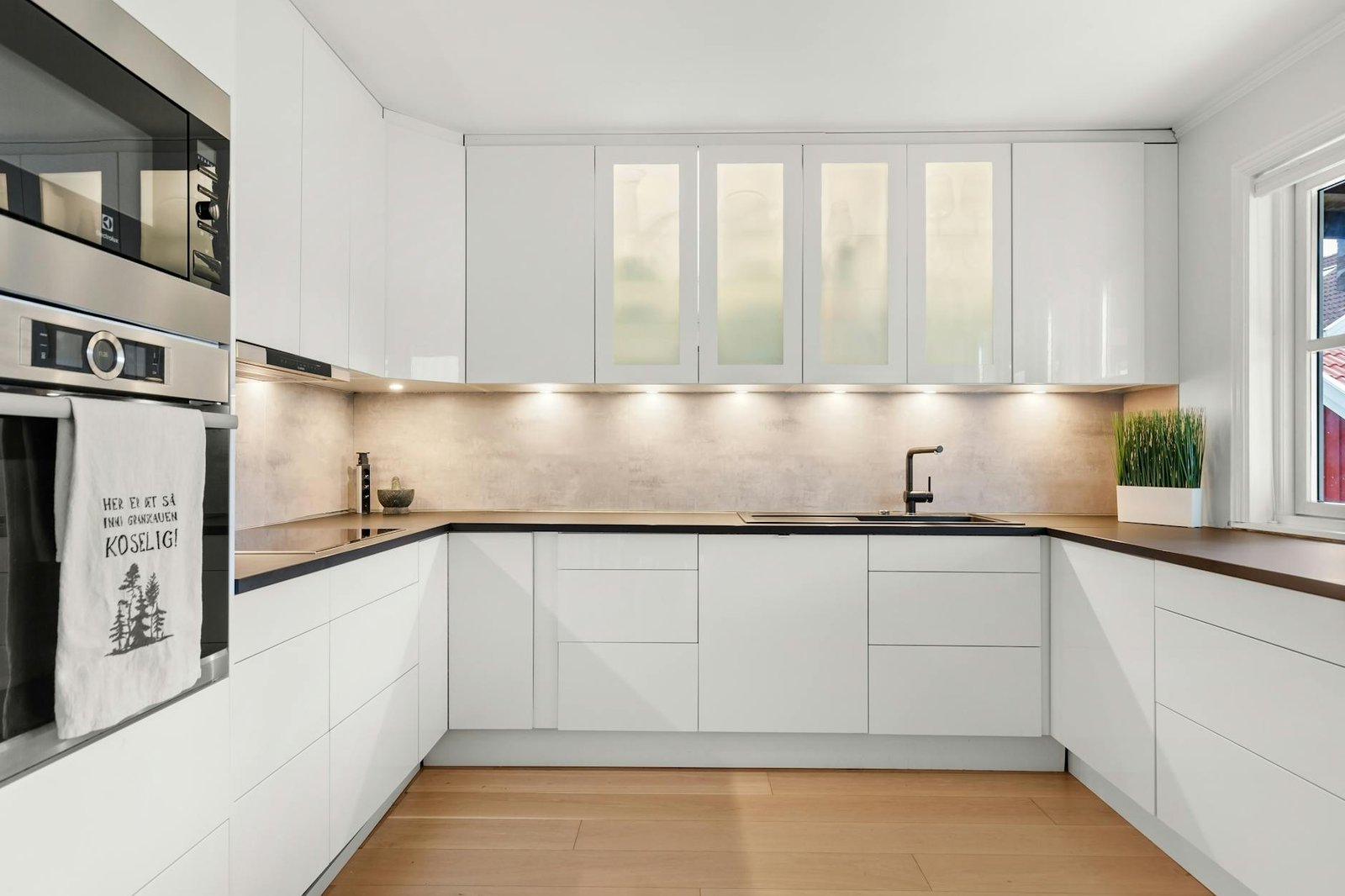
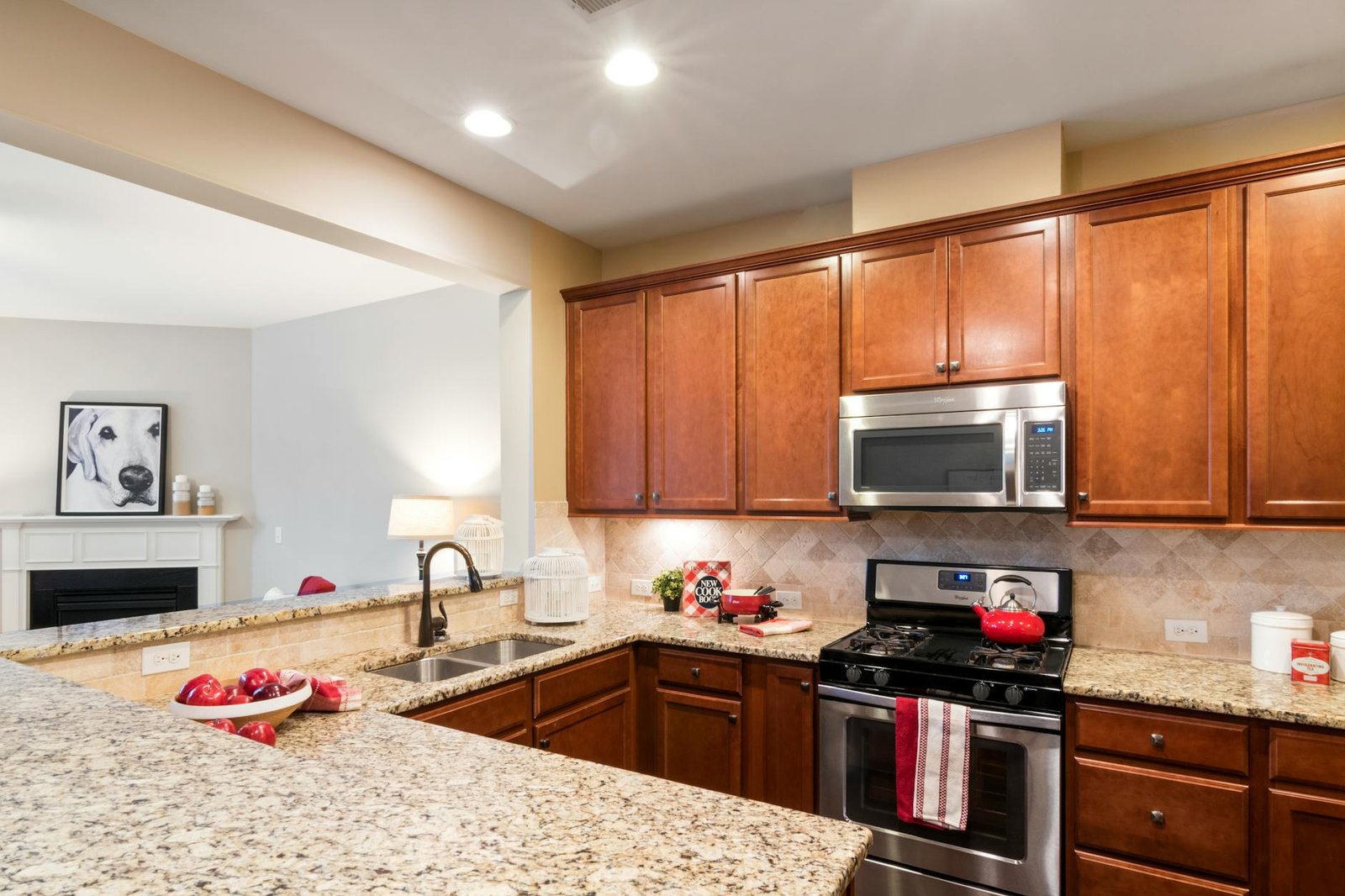
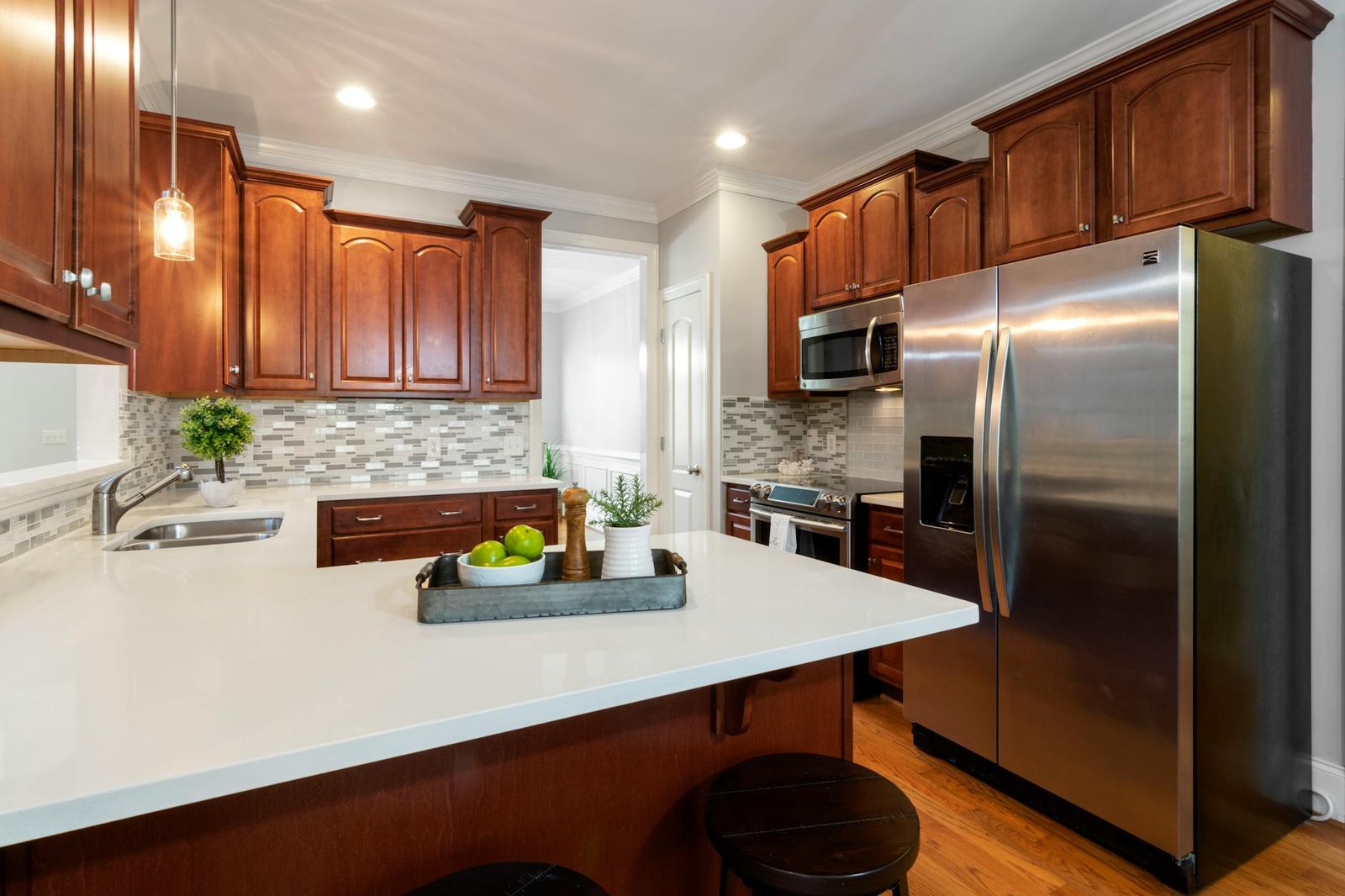
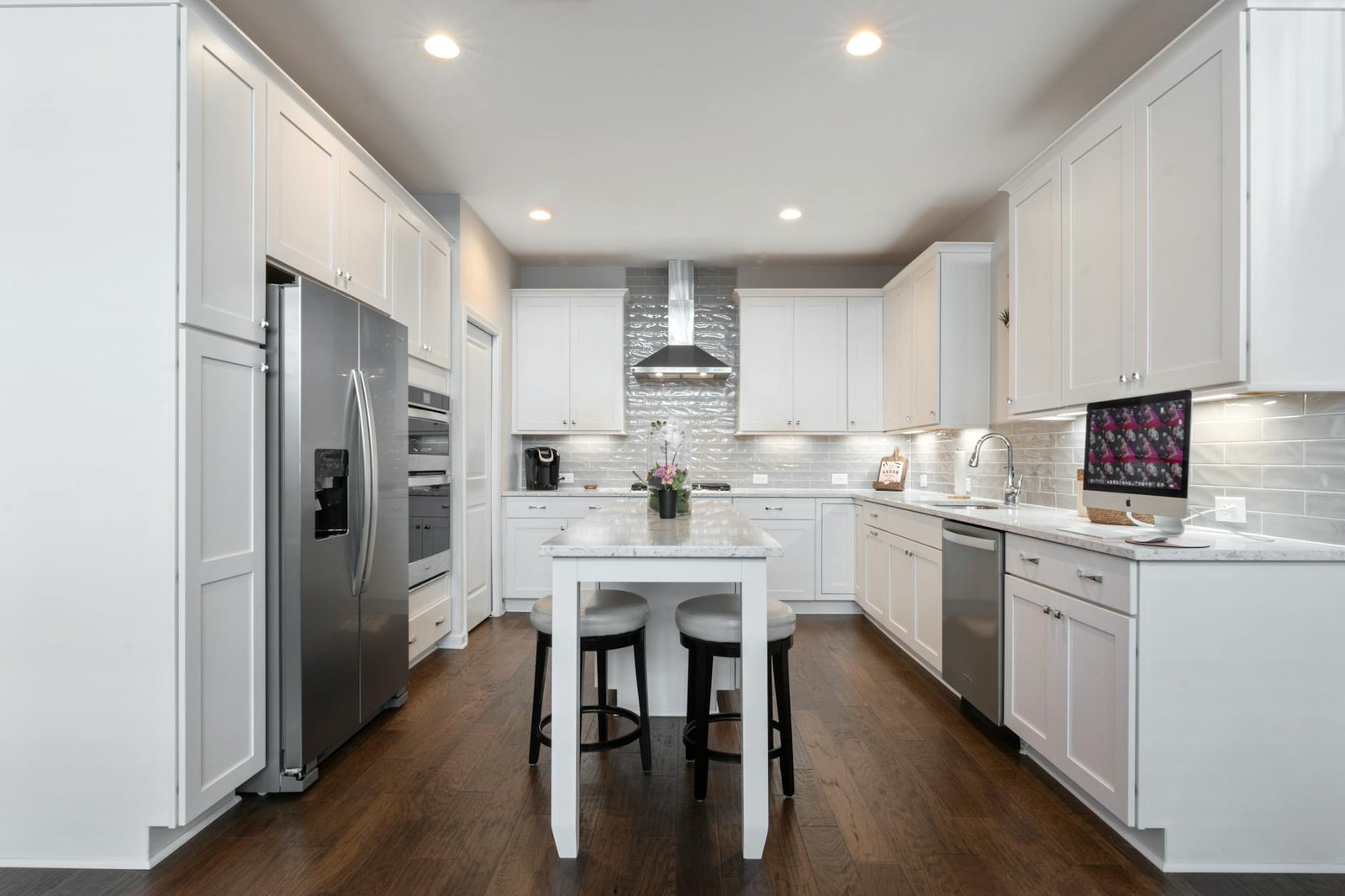
By following these guidelines and considering your specific needs and preferences, you can create a kitchen layout that is both functional and beautiful. Remember to also consider the pros and cons of different layouts, such as the U-shaped, L-shaped, or galley kitchen, to determine which one works best for you.
Ultimately, a well-optimized kitchen layout can make a significant difference in your cooking experience and overall quality of life. By investing time and effort into designing your kitchen, you can create a space that is both enjoyable to use and safe to work in.
Frequently Asked Questions
What are the key considerations for optimizing kitchen layout?
When optimizing your kitchen layout, consider the workflow, or ‘work triangle’, between the sink, stove, and refrigerator to minimize movement and maximize efficiency. A well-planned layout also ensures safety by reducing congestion and improving visibility.
How can I improve the safety of my kitchen layout?
To improve kitchen safety, ensure that the cooking area is well-ventilated, and that all cooking surfaces and sharp objects are out of reach of children and pets. Additionally, keep emergency exits clear and install anti-slip flooring to prevent accidents.
What are some common mistakes to avoid when designing a kitchen layout?
Common mistakes to avoid include inadequate counter space, poor lighting, and insufficient storage, which can lead to clutter and decreased efficiency. Avoid placing the cooking surface near a corner or under a window to minimize the risk of accidents and improve ventilation.
How can I make the most of a small kitchen space?
To optimize a small kitchen, use wall-mounted shelves and cabinets to maximize storage, and choose compact appliances to free up floor space. Consider a cart or island with built-in storage to provide additional counter space and keep frequently used items within easy reach.