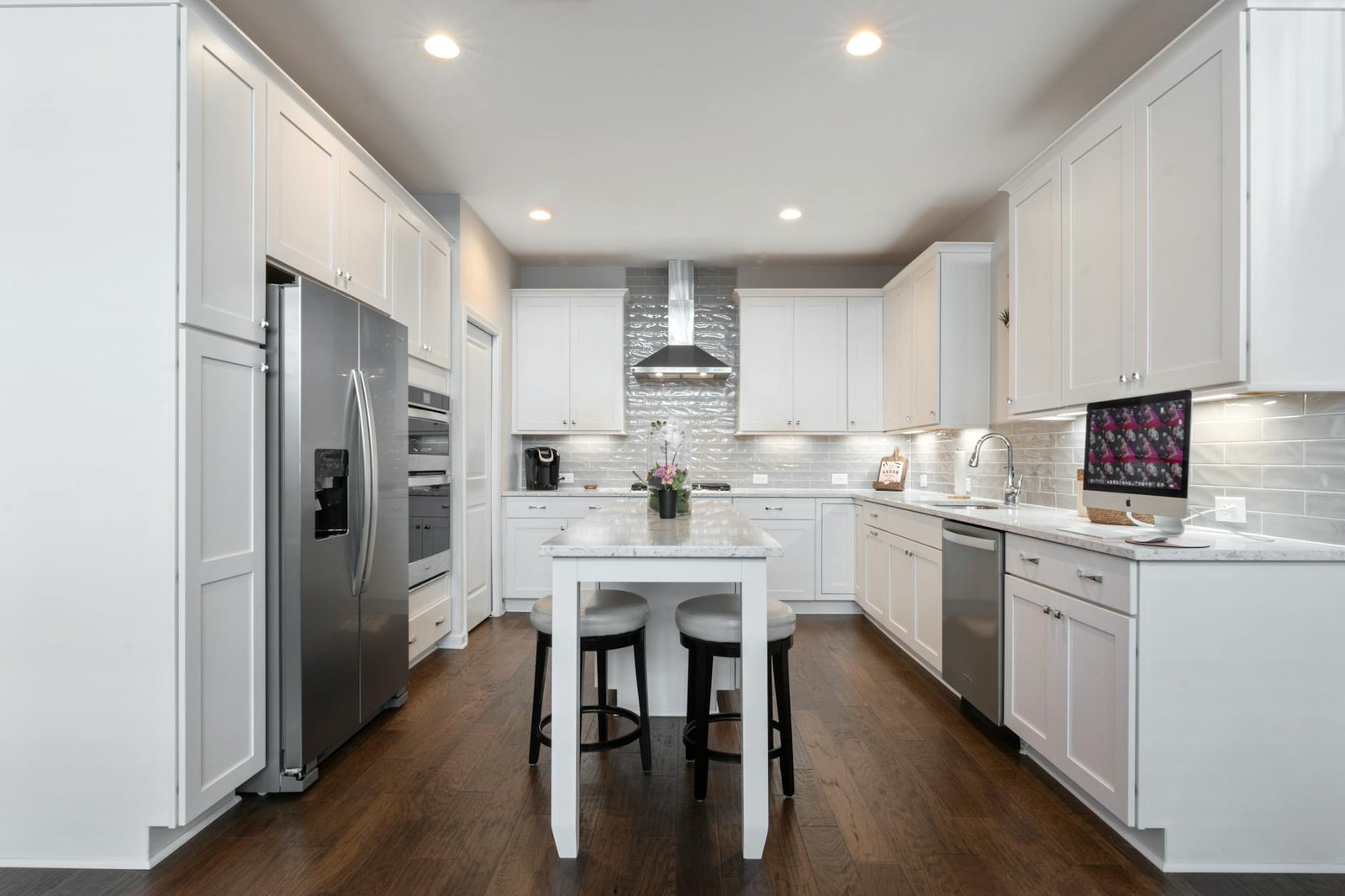
Optimizing Your Kitchen Layout for Efficient Cooking and Safety
When it comes to cooking, a well-designed kitchen layout is essential for efficient food preparation, safety, and overall enjoyment. As a stove expert, I have seen numerous kitchens that are poorly laid out, leading to frustration, wasted time, and even accidents. In this article, we will explore the importance of optimizing your kitchen layout for efficient cooking and safety.
Importance of Kitchen Layout
A well-planned kitchen layout can make a significant difference in your cooking experience. It can improve workflow, reduce traffic congestion, and minimize the risk of accidents. A good layout can also enhance the overall aesthetic of your kitchen, making it a more enjoyable space to spend time in. Some key benefits of a well-designed kitchen layout include:
- Improved efficiency: A well-planned layout can help you complete tasks more quickly and with less effort.
- Enhanced safety: A safe layout can reduce the risk of accidents, such as slips, trips, and falls, and prevent fires and burns.
- Increased productivity: A well-designed layout can help you stay organized and focused, allowing you to prepare meals more efficiently.
Brief Overview of Optimizing Kitchen Layout
Optimizing your kitchen layout involves careful planning and consideration of several factors, including the size and shape of your kitchen, the type and number of appliances, and your personal cooking style. It’s essential to consider the work triangle, which refers to the distance between the sink, stove, and refrigerator. A well-designed work triangle can help reduce walking distances, improve workflow, and enhance overall efficiency. When optimizing your kitchen layout, you should also consider the following factors:
| Factor | Importance |
|---|---|
| Appliance placement | High |
| Counter space | Medium |
| Storage | High |
By carefully considering these factors and designing a well-planned kitchen layout, you can create a safe, efficient, and enjoyable cooking space that meets your needs and enhances your overall cooking experience.
Assessing Your Kitchen Space
🔥 Popular on Stove Mastery
When it comes to optimizing your kitchen layout for efficient cooking and safety, assessing your kitchen space is a crucial step. This involves taking a closer look at the dimensions of your kitchen, identifying areas of high traffic, and evaluating your storage and counter space. By doing so, you can create a functional and safe cooking environment that meets your needs.
Measuring Your Kitchen
To start, measure the length, width, and any obstacles in your kitchen, such as islands, sinks, or doorways. Take note of the location of electrical outlets, plumbing fixtures, and windows. This information will help you determine the best layout for your kitchen and identify potential challenges. Consider using a kitchen design software or consulting with a professional to create a detailed floor plan.
Identifying Work Zones and Traffic Paths
Next, identify the different work zones in your kitchen, such as the cooking zone, preparation zone, and cleaning zone. Consider the work triangle concept, which suggests that the sink, stove, and refrigerator should be positioned to form a triangle, with each leg measuring between 4 and 9 feet. This design helps to reduce traffic and improve workflow. Identify the traffic paths in your kitchen, including the routes that people take to move around the space. Consider the following key areas:
- Cooking zone: stove, oven, and cooktop
- Preparation zone: countertops, sink, and refrigerator
- Cleaning zone: sink, dishwasher, and trash cans
Assessing Storage and Counter Space
Evaluate your kitchen’s storage and counter space to determine if it meets your needs. Consider the types and quantities of items you need to store, such as cookware, dishes, and food. Assess the condition and functionality of your cabinets, drawers, and countertops. Compare the pros and cons of different storage solutions, such as:
| Storage Solution | Pros | Cons |
|---|---|---|
| Cabinets | Ample storage, customizable | Can be expensive, may not fit in small kitchens |
| Drawers | Easy access, versatile | May not be suitable for large or heavy items |
| Countertops | Convenient, easy to clean | May be limited in size, can be cluttered |
By carefully assessing your kitchen space, you can create a functional and efficient layout that meets your cooking and safety needs.
Designing for Efficiency and Safety
Watch: I Found The Best Kitchen Layout Nobody’s Heard Of
Designing a kitchen for efficiency and safety is crucial for a comfortable and enjoyable cooking experience. As a stove expert, I will outline the key principles and considerations for optimizing your kitchen layout.
Principles of Ergonomic Kitchen Design
A well-designed kitchen should prioritize ergonomics, reducing strain and discomfort while cooking. This can be achieved by considering the workflow and placing frequently used items within easy reach. For example, placing the stove near a countertop for food preparation can reduce walking distances and improve overall efficiency.
Optimizing Work Zones for Cooking, Preparing, and Cleaning
A kitchen can be divided into different work zones, each with its own specific function. The key zones to consider are:
- Cooking zone: This includes the stove, oven, and any other cooking appliances. It should be placed in a well-ventilated area, away from high-traffic zones.
- Preparation zone: This includes countertops, sinks, and refrigerators. It should be placed near the cooking zone to reduce walking distances.
- Cleaning zone: This includes the sink, dishwasher, and trash cans. It should be placed near the preparation zone to facilitate easy cleanup.
➤ Read Also: Efficient Kitchen Design for Small Spaces
Safety Considerations: Lighting, Ventilation, and Electrical
Safety is a critical aspect of kitchen design. Some key considerations include:
- Lighting: Adequate lighting is essential for safety and visibility. Consider installing task lighting above the stove and countertops.
- Ventilation: Proper ventilation is crucial for removing cooking fumes and reducing the risk of fire. Consider installing a range hood or exhaust fan.
- Electrical: Ensure that all electrical outlets and appliances are safely installed and meet local electrical codes.
By considering these principles and safety considerations, you can design a kitchen that is both efficient and safe, providing a comfortable and enjoyable cooking experience.
Implementing Your Optimized Kitchen Layout
Once you have planned your optimized kitchen layout, it’s time to bring it to life. Implementing your design requires careful consideration of workflow, tools, and maintenance to ensure efficient cooking and safety.
Creating a Functional Workflow
A well-designed workflow is crucial to a functional kitchen. Consider the sequence of tasks involved in cooking, from preparation to serving. Typically, this sequence includes food preparation, cooking, and cleaning. Arrange your kitchen to minimize movement between these zones. For example, place your sink near your stove to reduce walking distance while handling hot pans.
- Zone 1: Food preparation (counter space, sink, refrigerator)
- Zone 2: Cooking (stove, oven, microwave)
- Zone 3: Cleaning (sink, dishwasher, trash)
Selecting Essential Kitchen Tools and Appliances
Selecting the right tools and appliances can significantly impact your kitchen’s efficiency and safety. Choose appliances that fit your cooking style and frequency of use. For example, if you frequently cook for large groups, consider a commercial-grade stove or a slow cooker. Essential tools include a sharp knife set, cutting boards, and heat-resistant utensils.
| Appliance | Pros | Cons |
|---|---|---|
| Commercial-grade stove | High heat output, durable construction | Expensive, large footprint |
| Slow cooker | Energy-efficient, convenient | Long cooking times, limited capacity |
Tips for Maintaining Your Optimized Kitchen Layout
To keep your kitchen running smoothly, establish a regular maintenance routine. This includes cleaning and sanitizing surfaces, checking appliance functionality, and organizing storage. Assign a designated cleaning schedule and stick to it to prevent clutter and bacterial buildup. Additionally, consider implementing a “clean as you go” policy to minimize mess and reduce cleaning time.
Mini Case Study: The Case of the Congested Cookspace
In a small kitchen, a busy homeowner found herself struggling to cook efficiently due to a poorly designed layout. The problem was exacerbated by a stove placed in a corner, with limited counter space and a narrow pathway to the refrigerator.
The diagnosis revealed a few key issues:
- Insufficient workspace around the stove, leading to clutter and accidents.
- Inadequate storage for cooking essentials, causing frequent trips to other parts of the kitchen.
- Poor traffic flow, increasing the risk of burns and other safety hazards.
The solution involved optimizing the kitchen layout to improve efficiency and safety:
- Relocating the stove to a central position, with ample counter space on either side.
- Installing a cart or island for additional storage and workspace.
- Creating a clear pathway to the refrigerator and other essential areas.
With these changes, the homeowner enjoyed a more efficient, safe, and enjoyable cooking experience.
Final Thoughts
In the pursuit of creating an optimal kitchen layout, it’s essential to consider the intricate dance between efficiency, safety, and functionality. As we conclude this article, let’s delve into the key takeaways and final thoughts on achieving kitchen mastery.
Recap of Key Points
A well-designed kitchen layout is the backbone of efficient cooking and safety. To achieve this, consider the following crucial elements:
- Work triangle: Ensure the sink, stove, and refrigerator form a triangle to minimize walking distances and maximize workflow.
- Task zones: Designate specific areas for food preparation, cooking, and cleaning to maintain organization and reduce clutter.
- Storage: Implement a strategic storage system to keep frequently used items within easy reach, reducing the need for excessive movement.
- Safety features: Incorporate safety elements, such as a fire extinguisher, smoke detector, and secure storage for hazardous materials, to prevent accidents.
Final Thoughts on Achieving Kitchen Mastery
Achieving kitchen mastery requires a deep understanding of the complex interplay between layout, functionality, and safety. By incorporating the key points outlined above, homeowners can create a kitchen that is not only aesthetically pleasing but also highly functional and safe. When designing or renovating a kitchen, consider the following comparison of layout styles:
| Layout Style | Pros | Cons |
|---|---|---|
| Galley | Space-efficient, easy to clean | Limited counter space, potential for congestion |
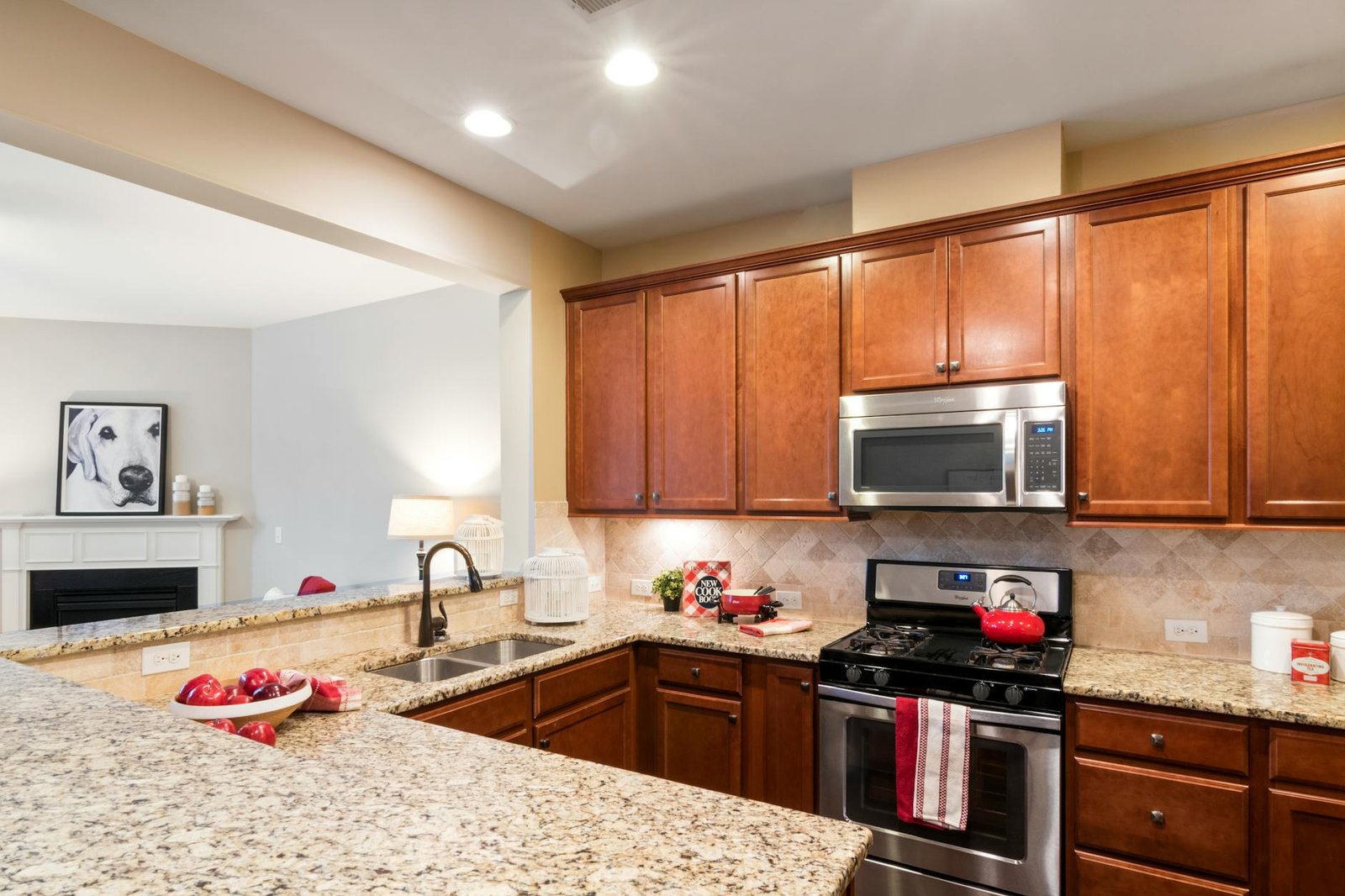
| L-Shape | Ample counter space, versatile | May create dead corners, requires careful planning |
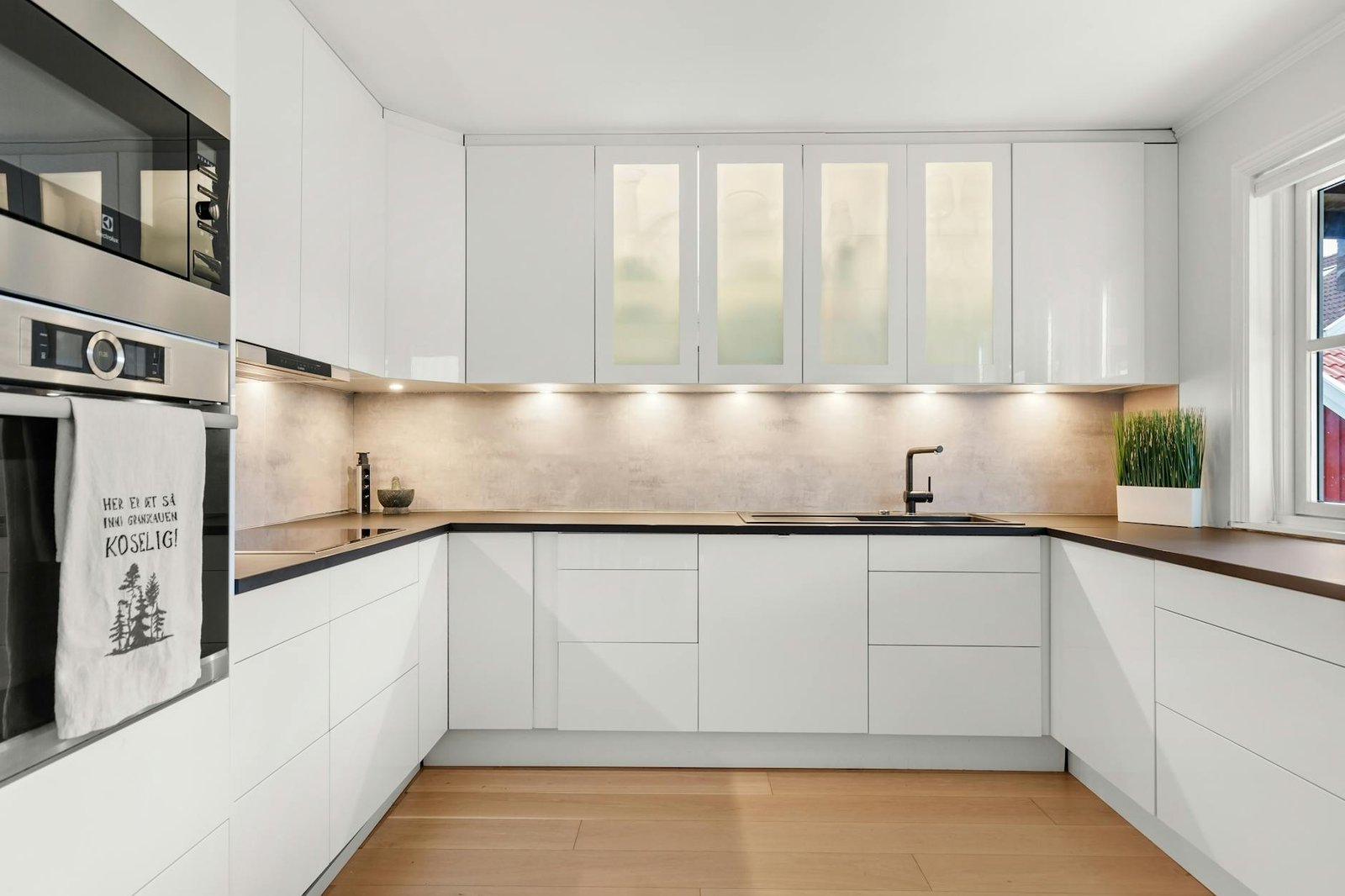
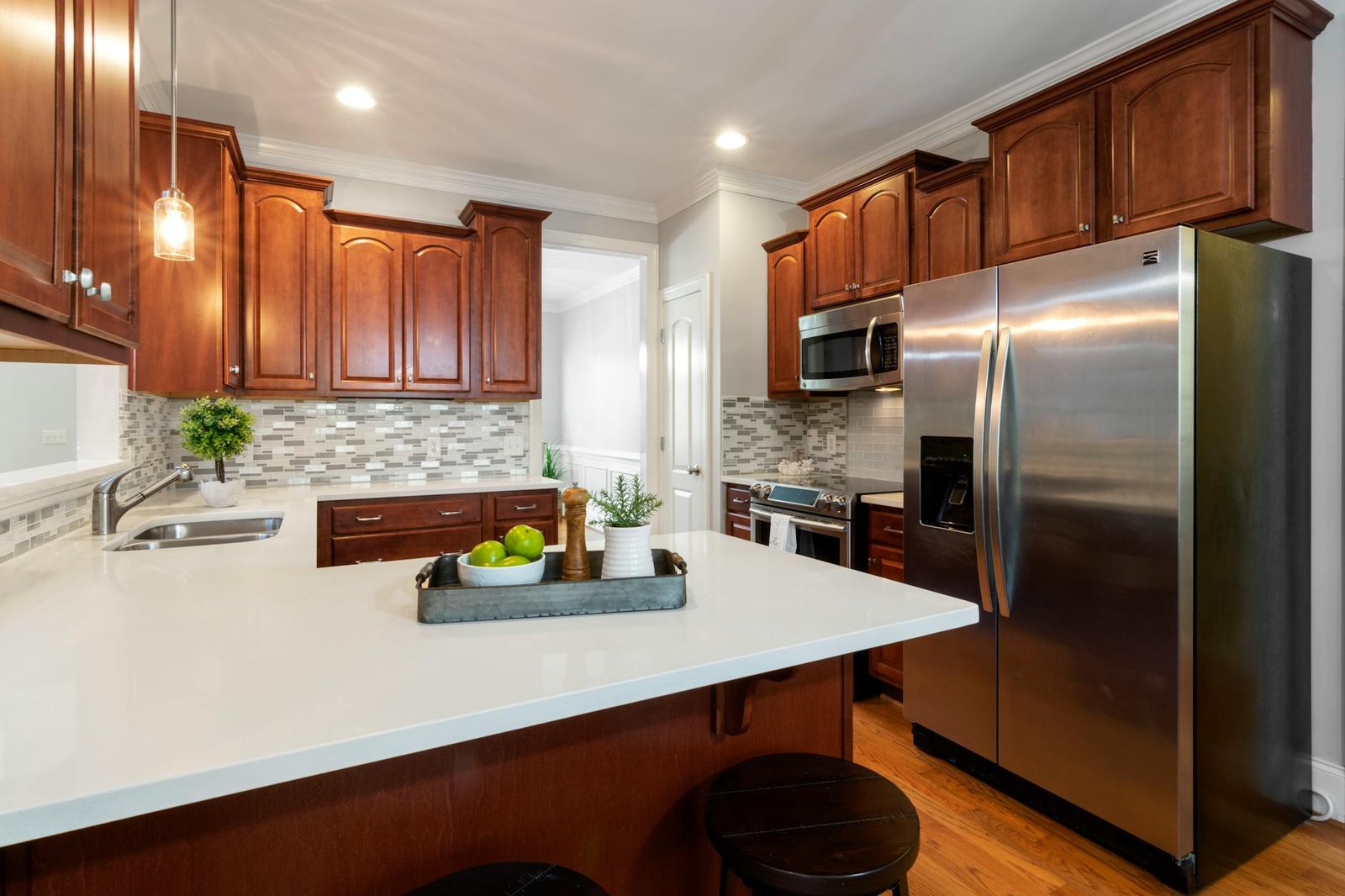
| U-Shape | Maximizes counter and storage space, efficient workflow | Can feel closed-in, may require additional lighting |
By weighing the pros and cons of each layout style and incorporating the key elements outlined above, homeowners can create a kitchen that is tailored to their unique needs and preferences, ultimately achieving kitchen mastery.
Frequently Asked Questions
What are the key considerations for optimizing kitchen layout?
The key considerations include the work triangle, adequate counter space, and safe placement of appliances. A well-designed layout can improve efficiency, reduce accidents, and enhance overall cooking experience.
How can I create a safe and efficient work triangle in my kitchen?
Create a work triangle by placing your sink, stove, and refrigerator in a triangular formation, with each point between 4 and 9 feet apart, to minimize walking distances and reduce traffic congestion.
What are some common kitchen layout mistakes to avoid?
Common mistakes include inadequate counter space, poor lighting, and insufficient storage, which can lead to clutter, accidents, and inefficiencies in food preparation and cooking.
How can I optimize my kitchen layout for specific cooking tasks or styles?
Optimize your kitchen layout by zoning areas for specific tasks, such as a dedicated baking station or a prep area for chopping and slicing, to streamline your cooking process and improve overall efficiency.