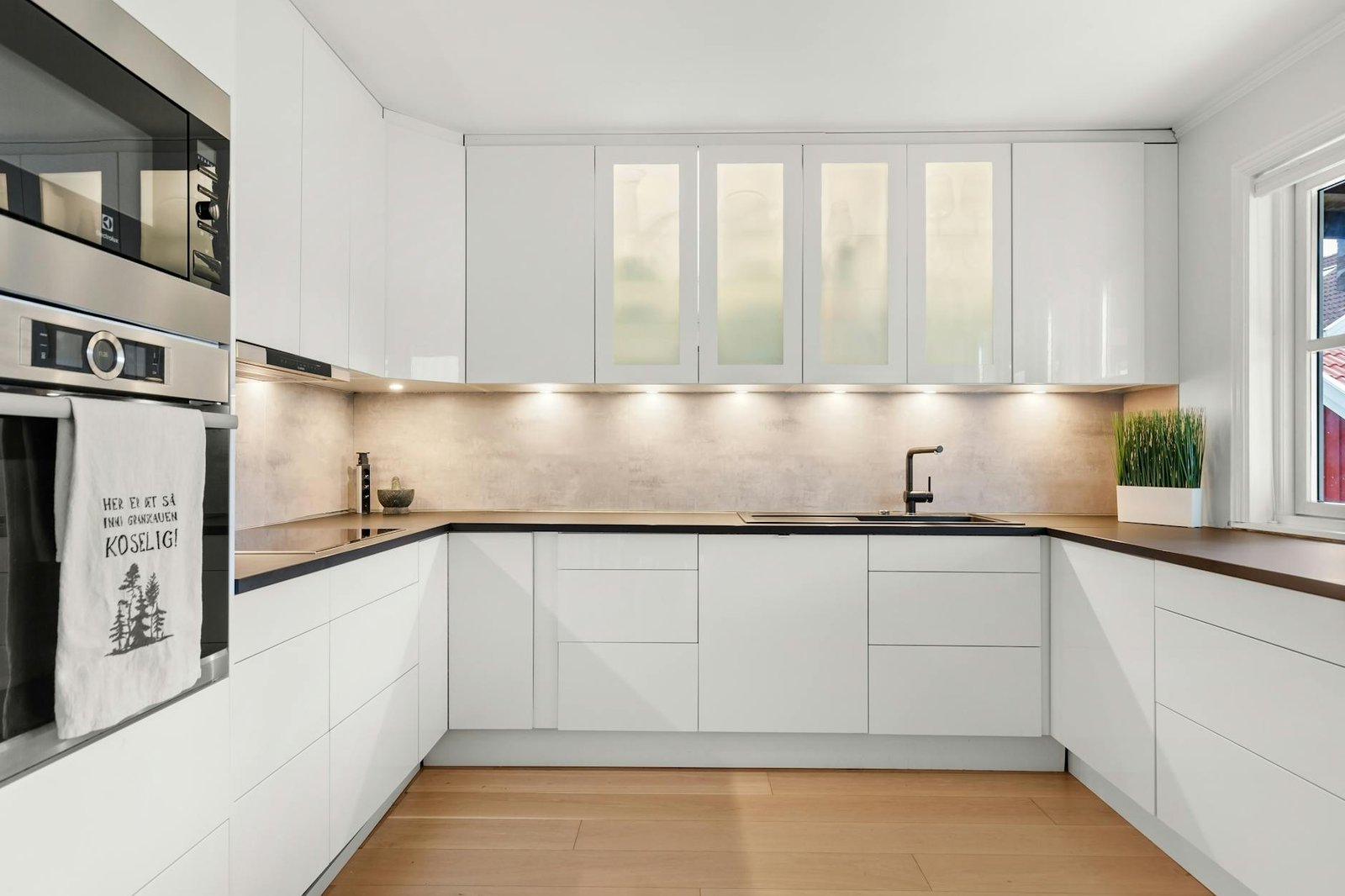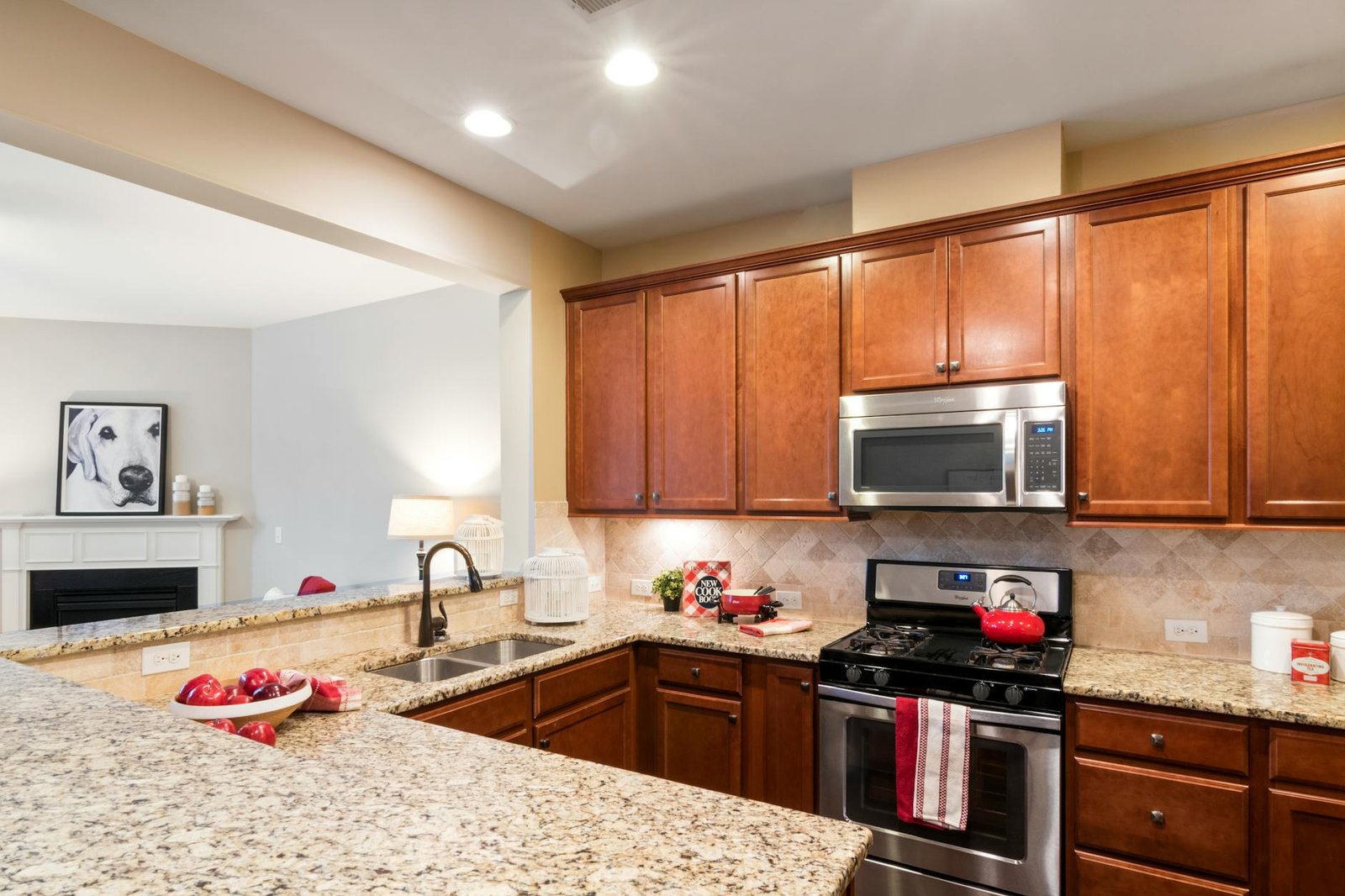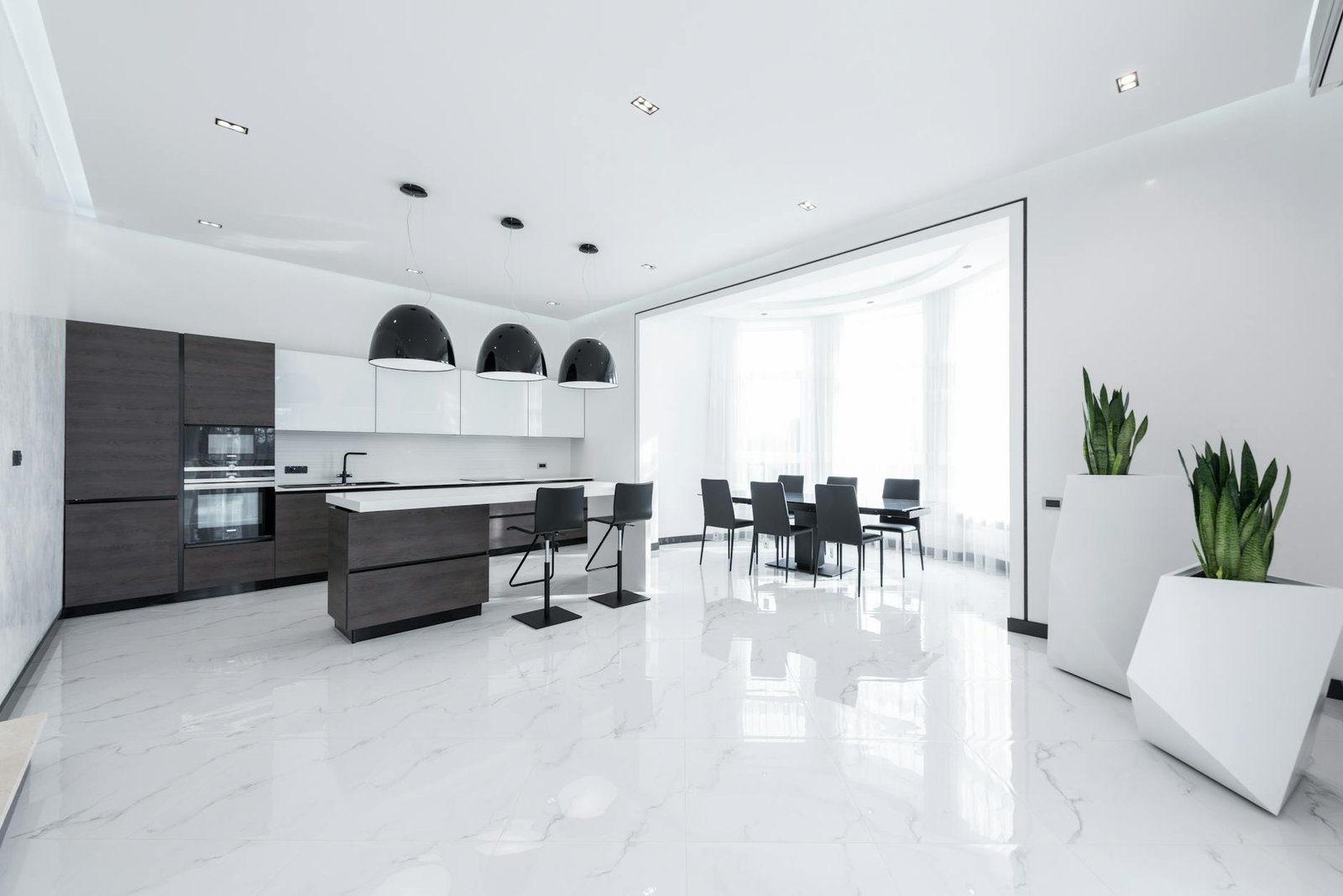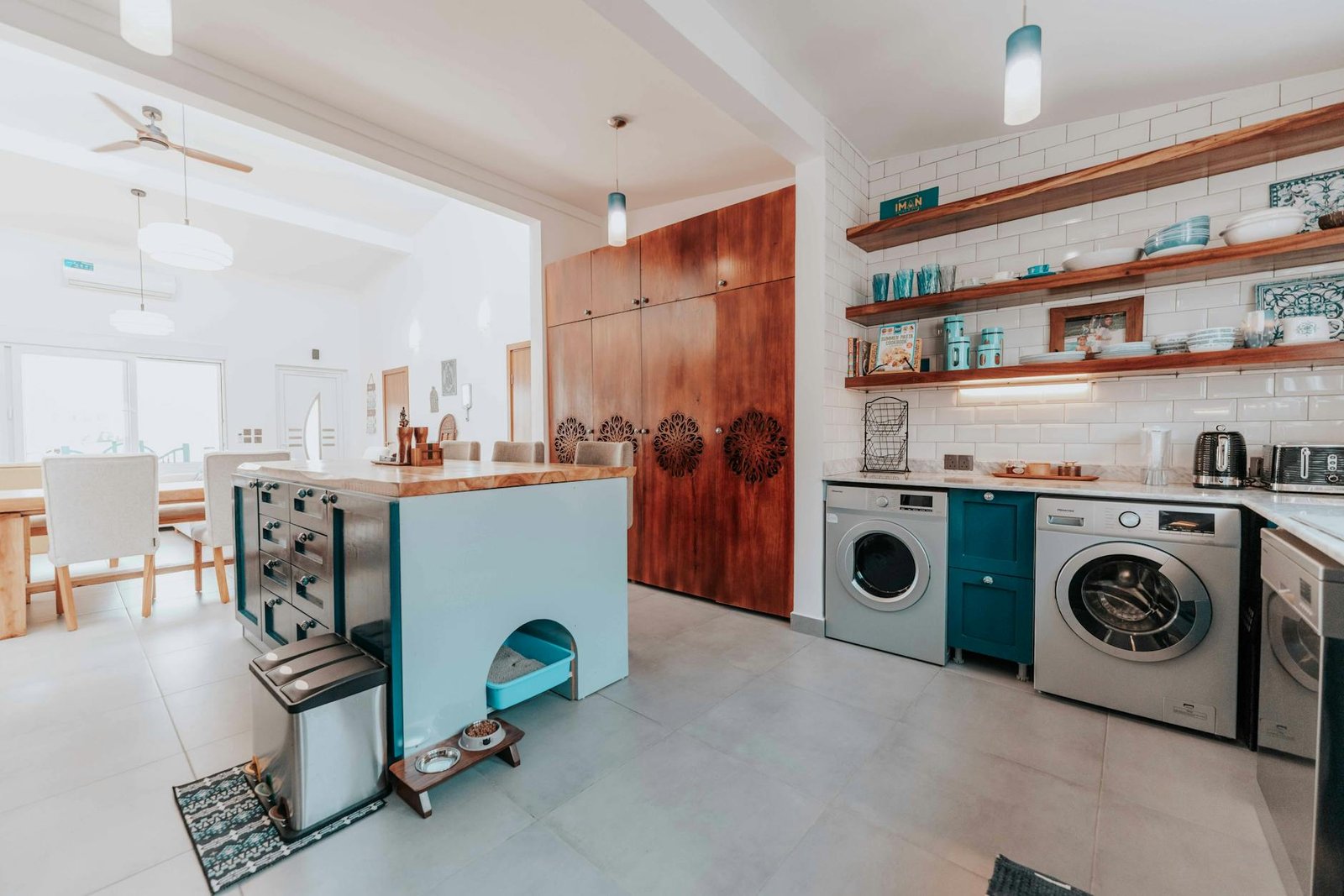
Essential Kitchen Layout Tips for Small Spaces and Apartments
As a stove expert, I can attest that a well-designed kitchen layout is crucial for efficient cooking and safety. A kitchen that is optimized for workflow and functionality can make a significant difference in the overall cooking experience. In this article, we will explore the importance of optimizing your kitchen layout and provide practical tips to help you create a more efficient and safe cooking space.

Importance of Efficient Kitchen Layout
A well-planned kitchen layout can improve the overall efficiency of your cooking process, reducing the time and effort required to prepare meals. An efficient layout can also enhance safety by minimizing the risk of accidents and injuries. Some key benefits of an optimized kitchen layout include:
- Improved workflow and reduced congestion in the kitchen
- Enhanced safety by reducing the risk of accidents and injuries
- Increased productivity and reduced cooking time
- Better use of available space and reduced clutter
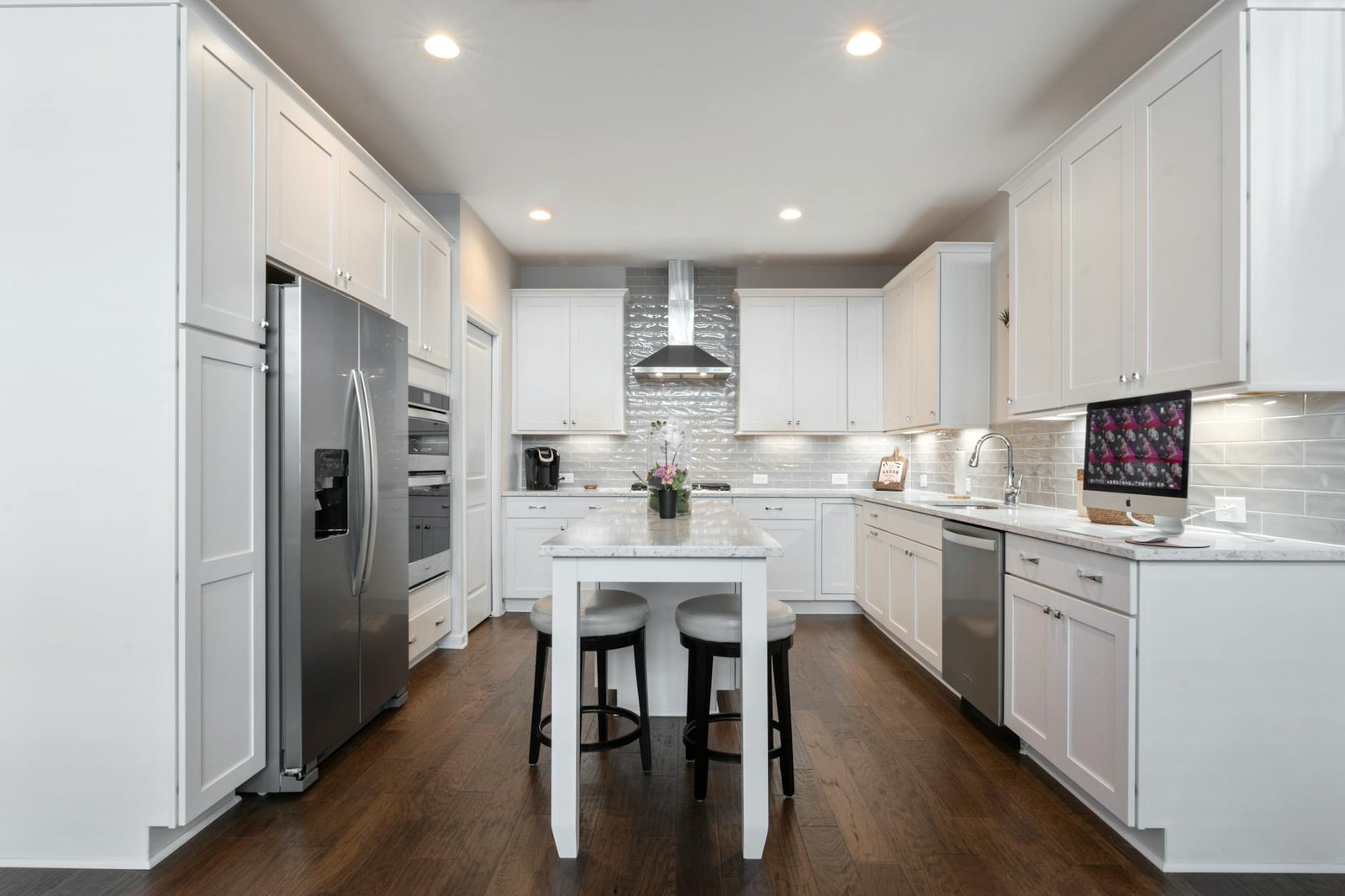
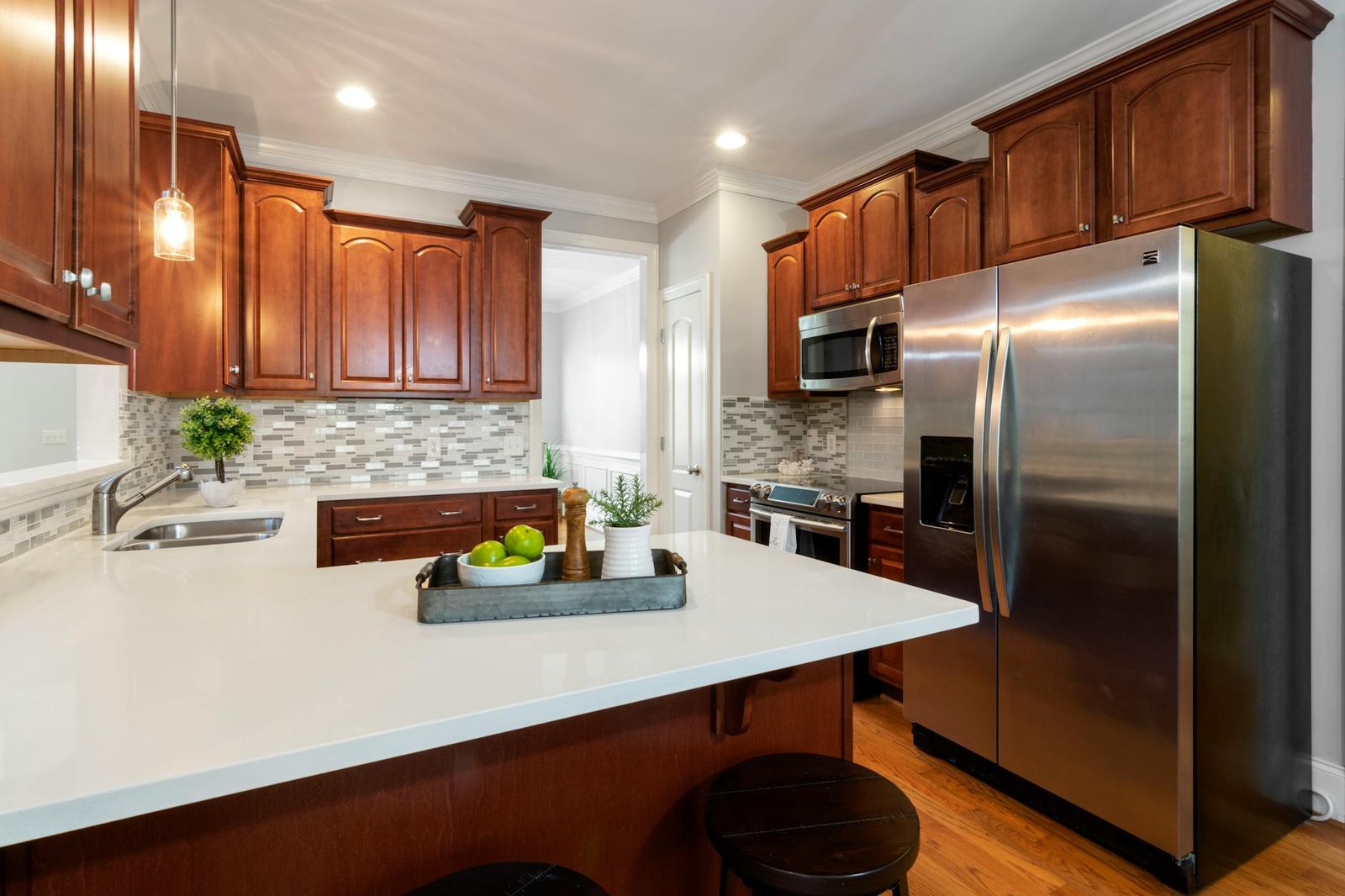
For example, a kitchen with a well-designed layout can have a work triangle that connects the sink, stove, and refrigerator, making it easier to move between these key areas. This can be particularly beneficial in kitchens with limited space, where a poorly designed layout can lead to inefficiencies and safety hazards.
Challenges in Small Spaces and Apartments
In small kitchens, such as those found in apartments or condominiums, optimizing the layout can be particularly challenging. Some common challenges include:
- Limited space and reduced mobility
- Insufficient storage and counter space
- Difficulty in creating a functional work triangle
However, with careful planning and creative design, it is possible to create an efficient and safe kitchen layout even in small spaces. By considering the specific challenges and constraints of your kitchen, you can develop a layout that meets your needs and enhances your cooking experience.
Assessing Your Kitchen Space
🔥 Popular on Stove Mastery
When it comes to optimizing your kitchen layout, it’s essential to start by assessing your kitchen space. This involves taking a closer look at the dimensions, layout, and key areas of your kitchen to determine the best way to configure it for efficient cooking and safety.
Measuring Your Kitchen
To get started, take precise measurements of your kitchen, including the dimensions of the room, the location of doors and windows, and the placement of any fixed features such as plumbing and electrical outlets. Consider using a graph paper to create a scale drawing of your kitchen, which will help you visualize the space and make it easier to plan your layout. Be sure to measure the width and length of each wall, as well as the height of the ceiling and the location of any obstacles, such as beams or columns.
Identifying Key Areas: Cooking, Preparation, and Storage
Once you have a clear understanding of your kitchen’s dimensions, identify the key areas that will be used for cooking, preparation, and storage. These areas should be designated based on the specific needs of your kitchen and the types of activities that will be taking place in each area. Consider the following key areas:
- Cooking zone: This area should be located near the stove and oven, and should include ample counter space for food preparation and cooking.
- Preparation zone: This area should be located near the cooking zone and should include a sink, countertops, and storage for utensils and ingredients.
- Storage zone: This area should be located near the preparation zone and should include storage for food, cookware, and other kitchen essentials.
By designating these key areas, you can create a functional and efficient kitchen layout that meets your specific needs and promotes safe cooking practices. Remember to consider the work triangle concept, which suggests that the cooking, preparation, and storage zones should be arranged in a triangular formation to minimize walking distances and improve workflow.
Designing for Efficiency and Safety
Watch: I Found The Best Kitchen Layout Nobody’s Heard Of
When it comes to designing a kitchen layout, efficiency and safety are two crucial factors to consider. A well-designed kitchen can make cooking easier, faster, and safer. In this section, we will explore the key concepts to keep in mind when designing your kitchen for optimal efficiency and safety.
The Work Triangle Concept
The work triangle concept is a fundamental principle in kitchen design that aims to minimize walking distances and reduce traffic congestion. The concept involves placing the three main workstations – sink, stove, and refrigerator – in a triangular formation, with each station positioned between 4 and 9 feet apart. This design allows for easy movement between stations, reducing the risk of accidents and improving overall efficiency.
Optimizing Traffic Flow and Workflow
To optimize traffic flow and workflow in your kitchen, consider the following strategies:
- Place frequently used items, such as utensils and spices, in easy-to-reach locations to minimize walking distances.
- Designate a specific area for food preparation, cooking, and cleanup to prevent cross-traffic and reduce the risk of accidents.
- Consider installing a kitchen island or cart to provide additional counter space and storage, helping to keep the workflow organized and efficient.
Incorporating Safety Features
Safety features are essential in any kitchen design. Some key safety features to consider include:
- Heat-resistant surfaces: Install heat-resistant surfaces, such as granite or quartz, near the stove and oven to prevent damage from heat and flames.
- Proper ventilation: Ensure proper ventilation in your kitchen by installing a range hood or exhaust fan to remove heat, moisture, and cooking fumes.
- Emergency shut-off: Install an emergency shut-off switch for your stove and other appliances to quickly shut off power in case of an emergency.
By incorporating these safety features and design principles, you can create a kitchen that is both efficient and safe, making cooking easier and more enjoyable for everyone.
Implementing Space-Saving Solutions
When it comes to optimizing your kitchen layout for efficient cooking and safety, implementing space-saving solutions is crucial. This is especially important in smaller kitchens where every inch counts. In this section, we will explore some practical ways to maximize your kitchen space.
Vertical Storage and Shelving
One of the most effective ways to save space in your kitchen is by using vertical storage and shelving. This can include installing wall-mounted shelves, pot racks, or cabinets that go up to the ceiling. By doing so, you can keep your countertops and floors clear, reducing clutter and tripping hazards. Some popular options for vertical storage include:
- Pegboards: great for hanging utensils, pots, and pans
- Wall-mounted spice racks: keep your spices organized and within reach
- Overhead cabinets: ideal for storing infrequently used items, such as special occasion dishes or cookbooks
Multifunctional Appliances and Fixtures
Multifunctional appliances and fixtures can also help save space in your kitchen. For example, a microwave-convection oven combo can replace two separate appliances, freeing up valuable counter space. Other examples include:
- Sink faucets with built-in soap dispensers and water filters
- Refrigerators with built-in ice makers and water dispensers
- Induction cooktops with built-in ventilation systems
When choosing multifunctional appliances and fixtures, consider the pros and cons of each option. For instance, a microwave-convection oven combo may be more expensive than separate appliances, but it can provide more functionality and save space.
Creative Use of Corners and Blind Spots
Corners and blind spots in your kitchen can often be wasted space. However, with a little creativity, you can turn these areas into functional storage or cooking zones. Some ideas include:
- Corner carousels: great for storing spices, oils, or cleaning supplies
- Blind spot shelves: ideal for storing infrequently used items, such as special occasion dishes or cookbooks
- Corner sinks: can provide more counter space and improve workflow
By implementing these space-saving solutions, you can create a more efficient and safe kitchen layout that meets your specific needs and preferences.
Mini Case Study: The Case of the Congested Cookspace
A busy home cook, Sarah, was struggling with her kitchen layout, leading to inefficiencies and safety hazards while cooking. Her small kitchen had a stove placed in a corner, with limited counter space and a narrow pathway between the stove and the sink.
The Problem was that Sarah often found herself navigating through a tight space, risking burns and accidents while carrying hot pans. The Diagnosis revealed that the kitchen layout was not optimized for efficient cooking and safety.
The Solution involved:
- Relocating the stove to a central position, allowing for better workflow and visibility
- Installing additional counter space and a kitchen island for food preparation and temporary storage
- Creating a clear pathway between the stove, sink, and refrigerator to reduce congestion and improve safety
With the optimized kitchen layout, Sarah can now cook efficiently and safely, enjoying a more pleasant cooking experience.
Final Thoughts
Optimizing your kitchen layout is crucial for efficient cooking and safety. By considering the workflow, storage, and equipment placement, you can create a functional and secure cooking environment. In this article, we have discussed various aspects of kitchen layout optimization, including the importance of a well-planned workflow, adequate storage, and strategic equipment placement.
Summary of Key Takeaways
To recap, the key takeaways from this article include:
- Designing a workflow that minimizes movement and maximizes efficiency
- Providing adequate storage for cookware, utensils, and food
- Placing equipment strategically to reduce congestion and improve safety
- Considering the “work triangle” concept to optimize the placement of the sink, stove, and refrigerator
- Incorporating safety features, such as a fire extinguisher and a first aid kit, into your kitchen design
By implementing these strategies, you can create a kitchen layout that is both efficient and safe.
Encouragement for Continuous Improvement
Optimizing your kitchen layout is an ongoing process that requires continuous evaluation and improvement. As you use your kitchen, pay attention to areas where the workflow can be improved, and make adjustments as needed. Consider the following tips for continuous improvement:
- Assess your kitchen’s workflow regularly to identify areas for improvement
- Stay organized by regularly cleaning and decluttering your kitchen
- Invest in multi-functional equipment that can help reduce clutter and improve efficiency
- Stay up-to-date with the latest kitchen design trends and technologies to ensure your kitchen remains functional and safe
By following these tips and continuously evaluating and improving your kitchen layout, you can create a cooking environment that is both efficient and safe, allowing you to focus on what matters most – cooking and enjoying delicious meals with your loved ones.
Frequently Asked Questions
What are the key considerations for optimizing kitchen layout?
The key considerations for optimizing kitchen layout include the work triangle, adequate counter space, and sufficient storage. A well-planned layout can improve efficiency, reduce accidents, and enhance overall cooking experience.
How can I ensure safety in my kitchen layout?
Ensure safety in your kitchen layout by placing cooking stations away from high-traffic areas, installing proper ventilation, and keeping emergency exits clear.
What is the ideal work triangle in a kitchen?
The ideal work triangle in a kitchen is formed by the sink, stove, and refrigerator, with each point approximately 4-9 feet apart, to minimize walking distances and improve workflow.
How can I maximize storage in my kitchen?
Maximize storage in your kitchen by using wall-mounted shelves, installing drawer organizers, and utilizing the space between wall studs for hidden storage compartments.