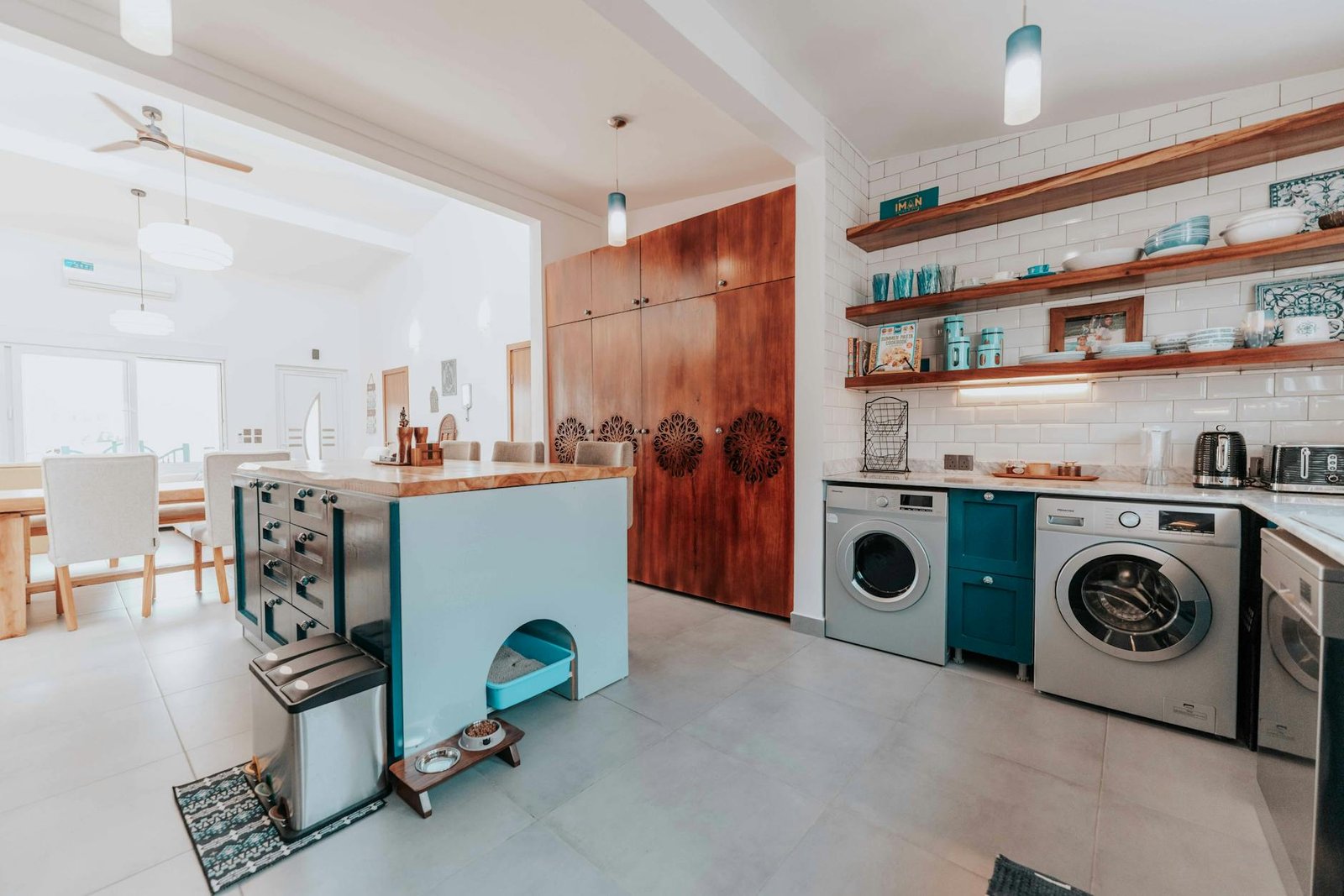
Efficient Kitchen Design for Small Spaces
A well-designed kitchen layout is the backbone of efficient cooking, allowing home cooks and professional chefs to navigate their space with ease and precision. As a stove expert, I’ve seen firsthand how a thoughtful layout can transform the cooking experience, reducing stress and increasing productivity. In this article, we’ll explore the key principles of optimizing your kitchen layout for efficient cooking, providing you with practical tips and expert advice to create a space that works for you.

Importance of Kitchen Layout
A well-planned kitchen layout is crucial for several reasons. It can enhance safety by minimizing tripping hazards and ensuring that cooks have a clear path to move around the kitchen. A good layout can also improve workflow, allowing cooks to move efficiently between stations and reducing the time spent on tasks. Additionally, a well-designed layout can increase storage capacity, keeping frequently used items within easy reach and reducing clutter.
Some key benefits of a well-designed kitchen layout include:
- Improved cooking efficiency
- Enhanced safety and reduced risk of accidents
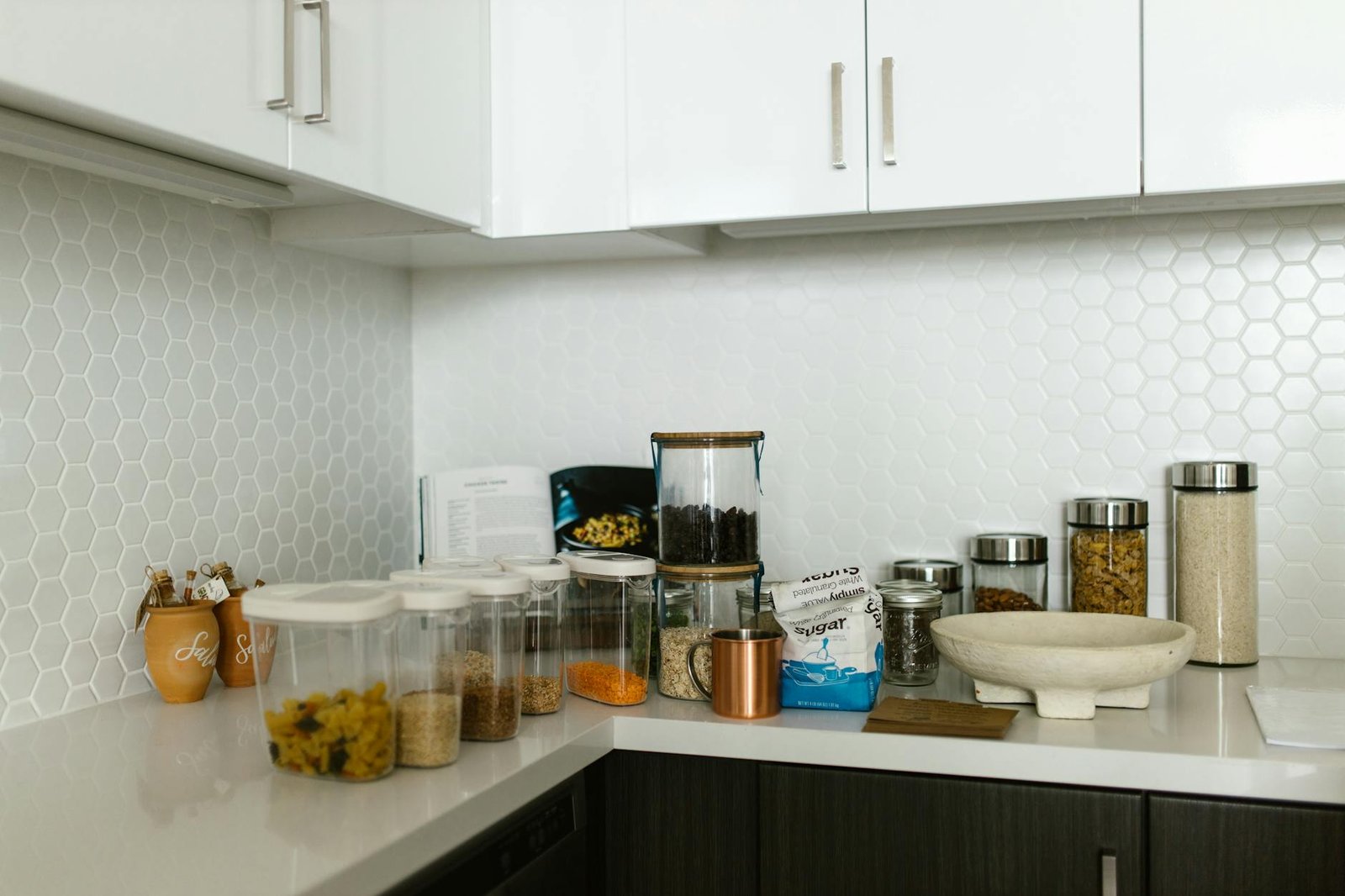
- Increased storage capacity and reduced clutter
- Better workflow and reduced cooking time
Challenges in Small Kitchen Spaces
One of the biggest challenges in kitchen design is working with small spaces. In these areas, every inch counts, and a poorly designed layout can lead to inefficient use of space and reduced functionality. To overcome these challenges, it’s essential to think creatively and consider space-saving solutions, such as:
- Vertical storage units
- Compact appliances
- Multifunctional stations
By understanding the importance of kitchen layout and addressing the challenges of small kitchen spaces, you can create a cooking environment that is both functional and efficient. In the following sections, we’ll delve deeper into the principles of kitchen layout design, providing you with the knowledge and expertise to optimize your kitchen for efficient cooking.
Assessing Your Kitchen Space
🔥 Popular on Stove Mastery
When it comes to optimizing your kitchen layout for efficient cooking, assessing your kitchen space is a crucial step. This involves evaluating the physical characteristics of your kitchen, including its dimensions, layout, and features. In this section, we will guide you through the process of assessing your kitchen space to create a functional and efficient cooking area.
Measuring Your Kitchen
To start, measure the length, width, and any obstacles in your kitchen, such as doorways, windows, and plumbing fixtures. Record these measurements to determine the available space for your kitchen layout. Consider the “work triangle” concept, which suggests that the sink, stove, and refrigerator should be positioned to form a triangle, with each leg measuring between 4 and 9 feet. This will help you create a functional and efficient workflow in your kitchen.
Identifying Work Zones
Next, identify the different work zones in your kitchen, including:
- Food Preparation Zone: where you will chop, slice, and mix ingredients
- Cooking Zone: where you will cook and heat food
- Cleaning Zone: where you will wash dishes and clean up
Consider the activities that will take place in each zone and the tools and equipment required. This will help you determine the optimal layout for your kitchen.
Assessing Lighting and Ventilation
Finally, assess the lighting and ventilation in your kitchen. Consider the following factors:
- Natural Light: the amount of natural light entering your kitchen
- Artificial Light: the type and placement of light fixtures
- Ventilation: the presence and effectiveness of vents, fans, or range hoods
Adequate lighting and ventilation are essential for a safe and comfortable cooking environment. Consider upgrading your lighting and ventilation systems if necessary, to ensure a well-lit and well-ventilated kitchen.
Optimizing Kitchen Layout for Efficiency
Watch: I Found The Best Kitchen Layout Nobody’s Heard Of
When it comes to optimizing your kitchen layout for efficient cooking, several key factors come into play. A well-designed kitchen can make all the difference in your cooking experience, saving you time and effort in the long run. In this section, we’ll explore the essential elements to consider for a functional and efficient kitchen layout.
Work Triangle Concept
The work triangle concept is a fundamental principle in kitchen design, which suggests that the three main workstations – sink, stove, and refrigerator – should form a triangle. This layout allows for easy movement between tasks, reducing walking distances and increasing efficiency. To apply this concept, consider the following:
- Place the sink between the stove and refrigerator to minimize walking distances.
- Position the stove and refrigerator on adjacent walls to create a compact work triangle.
- Ensure the triangle’s sides are between 4 and 9 feet long to maintain a comfortable working distance.
Selecting Space-Saving Appliances
Choosing the right appliances can significantly impact your kitchen’s efficiency. Consider the following space-saving options:
- Compact refrigerators: ideal for small kitchens, they offer ample storage while minimizing floor space.
- Induction cooktops: energy-efficient and compact, they free up counter space and reduce cooking time.
- Microwave ovens: can be installed above the counter or in a corner, saving valuable space.
Maximizing Storage and Countertops
To optimize your kitchen’s storage and countertops, consider the following strategies:
| Strategy | Pros | Cons |
|---|---|---|
| Install wall-mounted shelves | Increases storage, keeps countertops clear | Limits accessibility for high shelves |
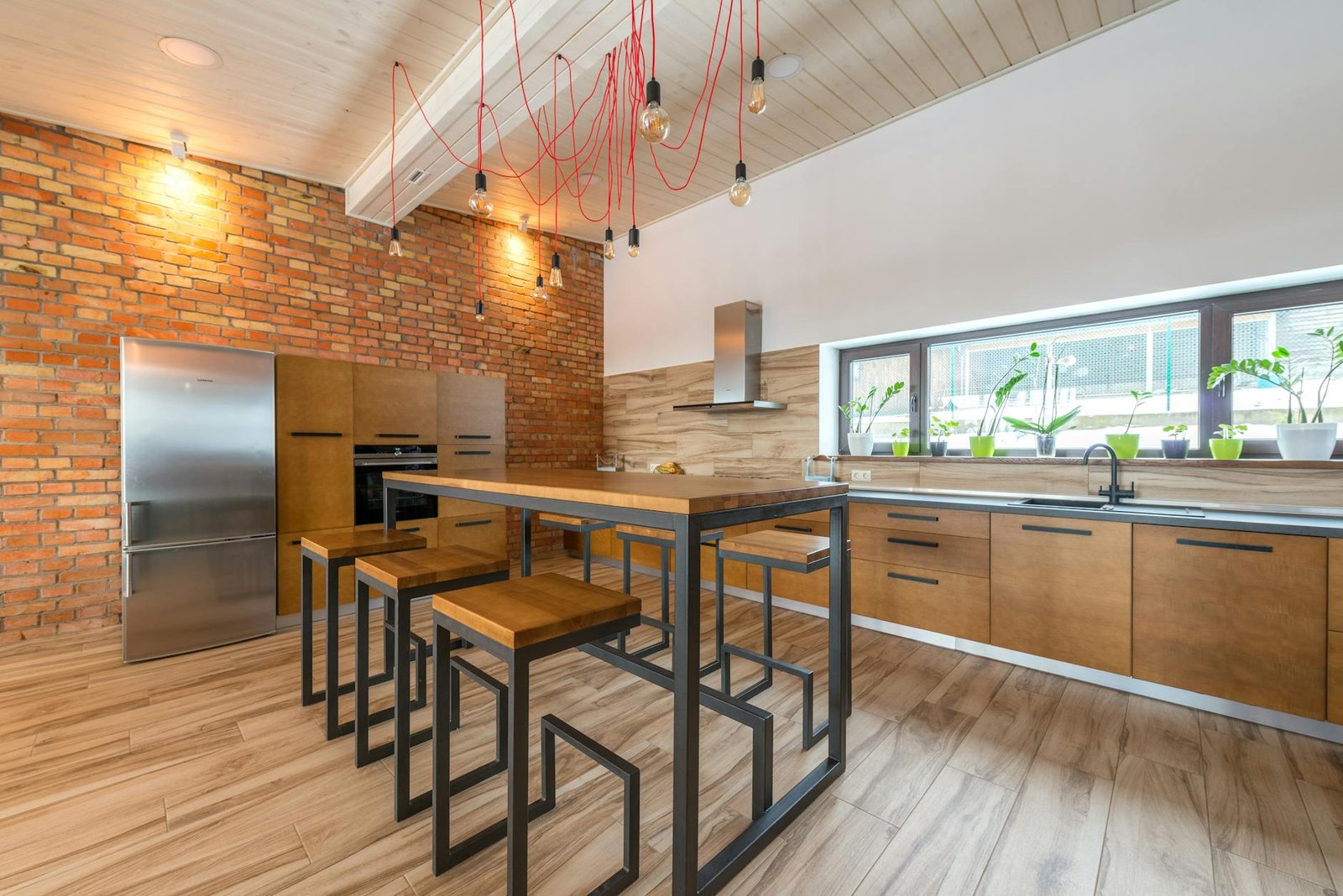
| Use a kitchen cart or island | Provides additional counter and storage space | Occupies floor space, may obstruct workflow |
By implementing these strategies, you can create a kitchen layout that maximizes efficiency, reducing cooking time and effort. Remember to balance your kitchen’s functionality with your personal preferences and cooking style to create the perfect space for your culinary needs.
Implementing and Maintaining Your Optimized Kitchen
To ensure your kitchen remains optimized for efficient cooking, it’s crucial to implement and maintain a well-planned layout. This involves creating a functional workflow, incorporating multifunctional elements, and following tips for maintaining your kitchen’s efficiency.
Creating a Functional Workflow
A functional workflow is the backbone of an efficient kitchen. This can be achieved by designating specific areas for cooking, preparation, and cleaning. Consider the “work triangle” concept, where the sink, stove, and refrigerator form the three points of the triangle, minimizing walking distances and reducing congestion. For example, placing the stove near the center of the kitchen allows for easy access to the sink and refrigerator, streamlining meal preparation.
Incorporating Multifunctional Elements
Multifunctional elements can significantly enhance your kitchen’s efficiency. Some examples include:
➤ Read Also: A Beginner’s Guide to Improving Kitchen Air Quality
- Island or cart with storage and countertop space: providing additional workspace and storage for frequently used items
- Pot filler faucet: eliminating the need to carry heavy pots to the sink for filling
- Microwave or toaster oven with convection capabilities: reducing cooking time and energy consumption
When incorporating multifunctional elements, consider the pros and cons of each option. For instance, a pot filler faucet can be convenient, but it may also increase the risk of water splashing and create more cleanup.
Tips for Maintaining Your Kitchen’s Efficiency
To maintain your kitchen’s efficiency, consider the following tips:
- Regularly clean and declutter your kitchen to prevent obstacles and distractions
- Organize your kitchen tools and utensils using a pegboard or drawer dividers
- Schedule routine maintenance for your appliances to prevent breakdowns and ensure optimal performance
By implementing these strategies, you can create a kitchen that is not only efficient but also enjoyable to cook in. Remember to regularly assess your kitchen’s workflow and make adjustments as needed to ensure it continues to meet your cooking needs.
Mini Case Study: The Case of the Congested Kitchen
A busy home cook, Sarah, struggled with her kitchen’s layout, leading to inefficient cooking and increased stress. The main issue was the placement of her stove, refrigerator, and sink, which formed a congested triangle, causing her to constantly move around the room.
The Problem was the lack of a well-designed workflow, resulting in wasted time and energy. The Diagnosis revealed that the kitchen’s layout was not optimized for the cook’s movements and tasks.
- The stove was positioned too close to the refrigerator, creating a narrow pathway.
- The sink was located on the opposite side of the room, requiring long walks to rinse ingredients.
The Solution involved rearranging the kitchen to create a more efficient workflow. By placing the stove, refrigerator, and sink in a logical sequence, Sarah reduced her movement and increased productivity. With the optimized layout, she can now cook meals quickly and comfortably, enjoying a more pleasant cooking experience.
Final Thoughts
Optimizing your kitchen layout is crucial for efficient cooking, and with the right strategies, you can transform your kitchen into a functional and enjoyable space. Throughout this guide, we have explored the key elements to consider when designing your kitchen layout, from the placement of appliances to the selection of countertops and storage solutions.
Key Takeaways
To recap, a well-designed kitchen layout should prioritize the work triangle, which connects the sink, stove, and refrigerator. This configuration helps to minimize walking distances and reduces congestion in the kitchen. Additionally, consider the zone cooking approach, where you designate specific areas for food preparation, cooking, and cleaning to maintain a smooth workflow.
Practical Applications
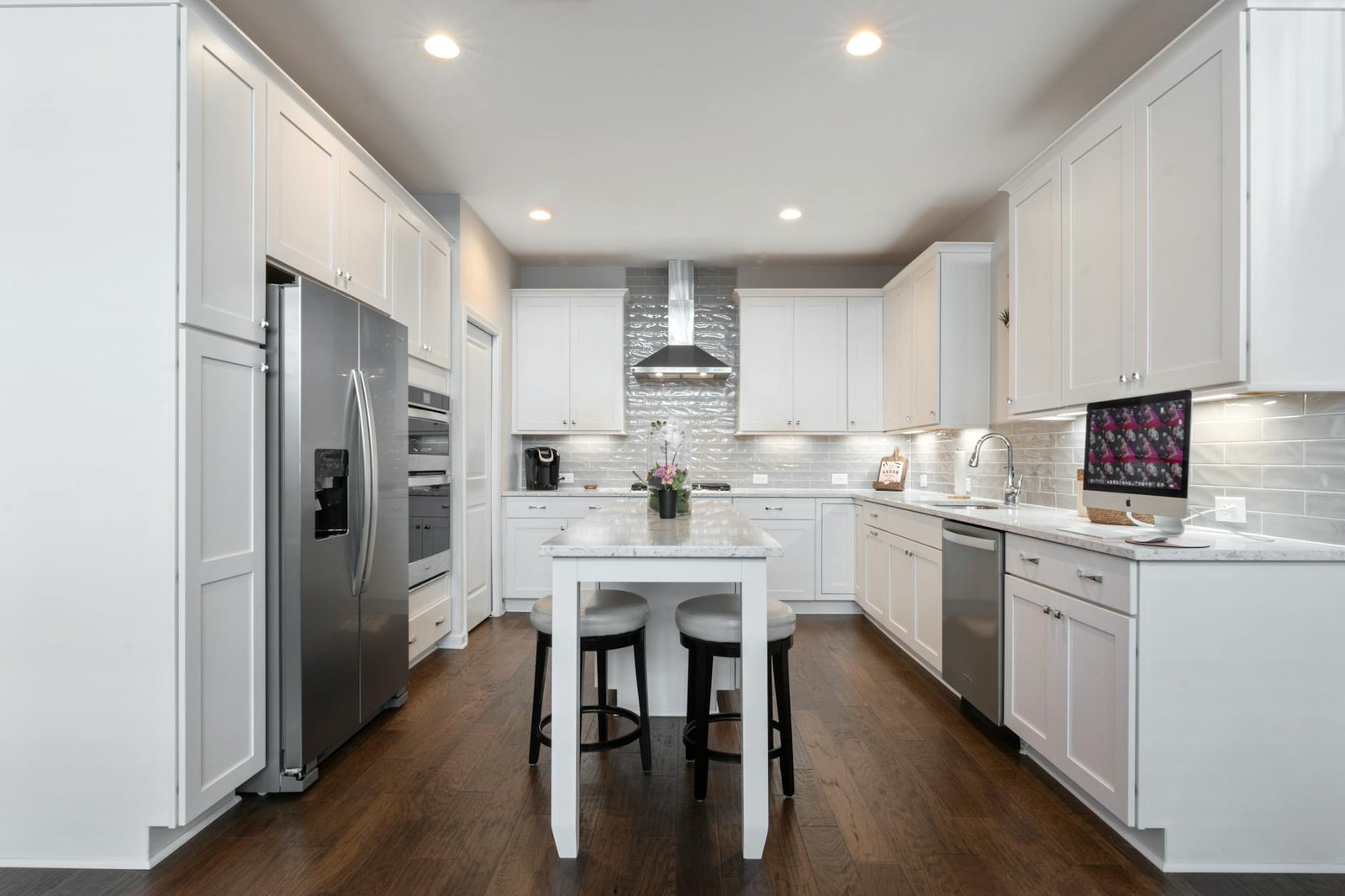
When applying these principles to your kitchen, remember to assess your cooking habits and preferences. For example, if you frequently cook with large groups, consider a large island or peninsula to provide additional counter space and seating. On the other hand, if you have limited space, opt for space-saving appliances and vertical storage solutions to maximize your kitchen’s potential.
The following table highlights the pros and cons of different kitchen layouts:
| Layout | Pros | Cons |
|---|---|---|
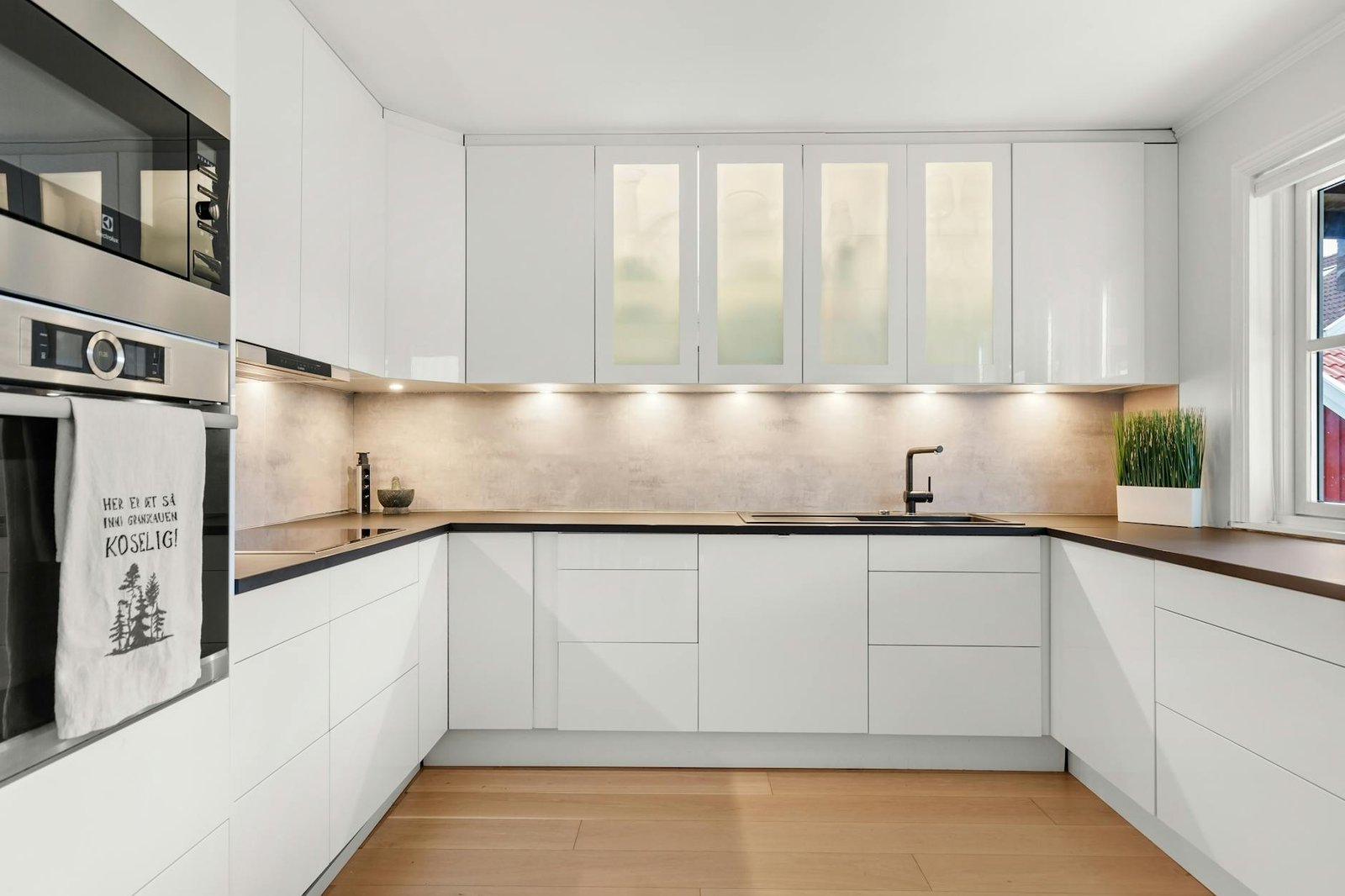
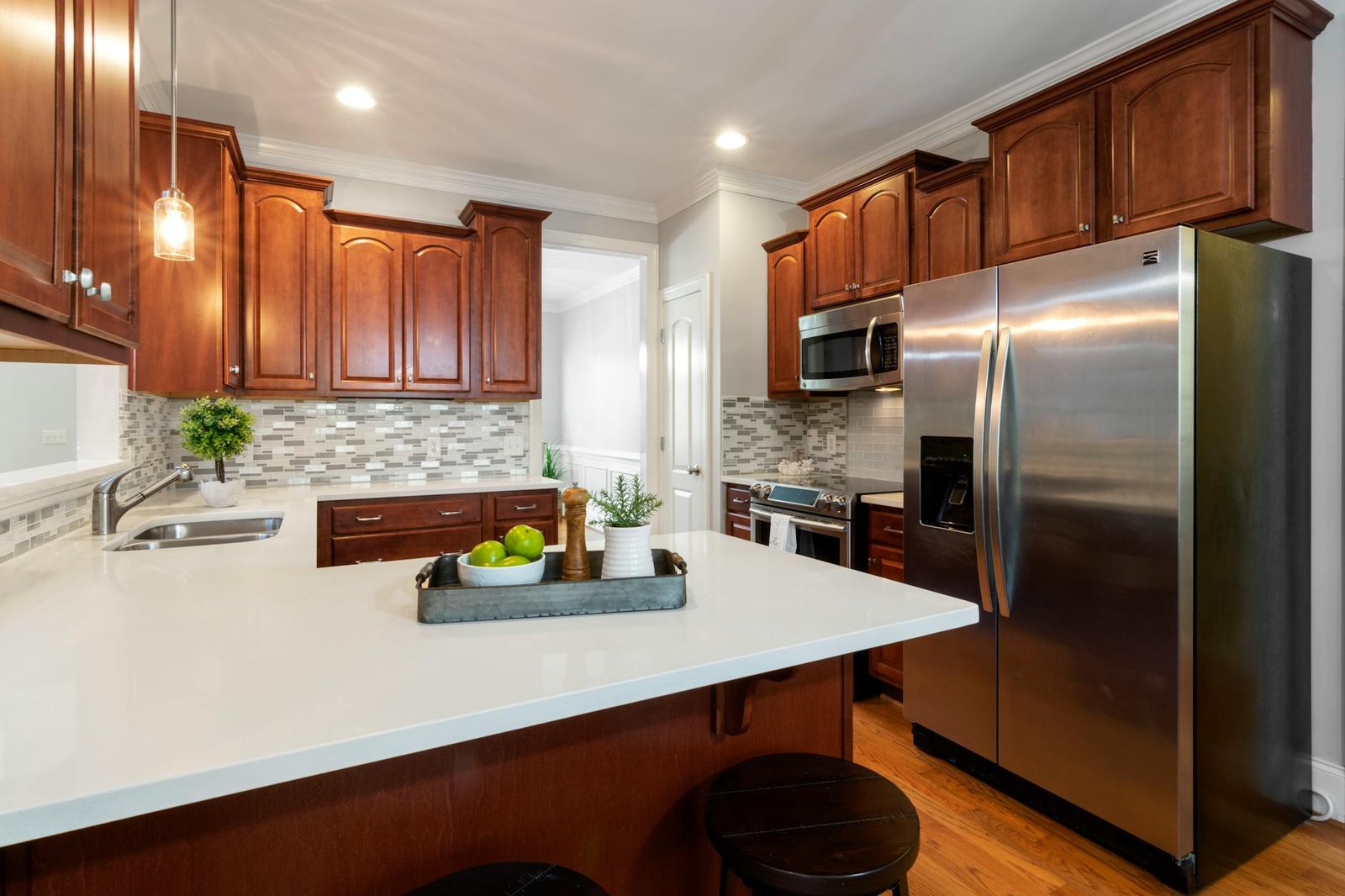
| U-shaped | Provides ample counter space, efficient workflow | Can feel claustrophobic, limited flexibility |
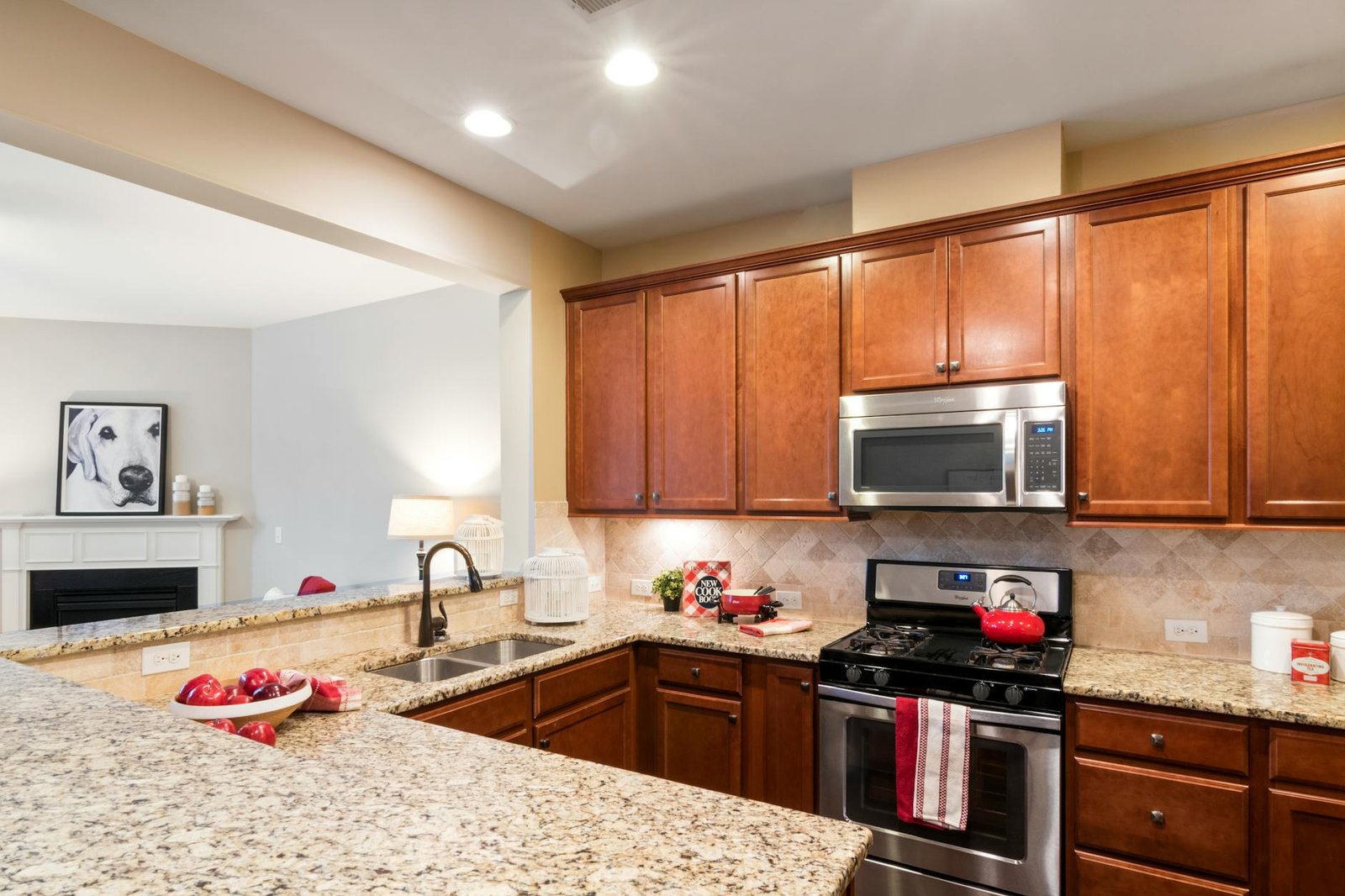
| L-shaped | Offers flexibility, easy to navigate | May lack counter space, creates a “dead” corner |
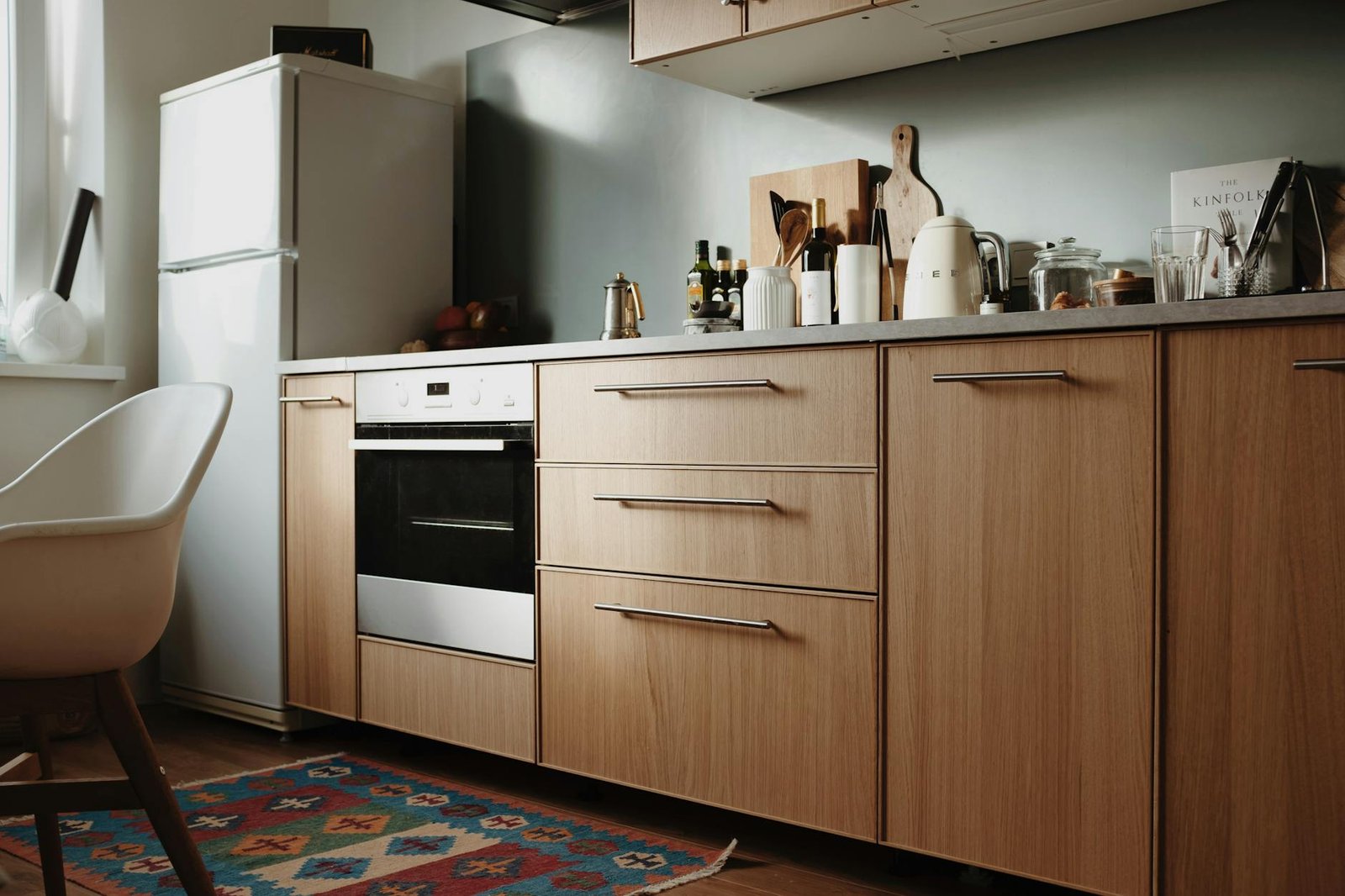
| Galley | Optimizes space, easy to clean | Can feel narrow, limited storage options |
Final Thoughts
In conclusion, optimizing your kitchen layout requires careful consideration of your cooking habits, available space, and personal preferences. By applying the strategies outlined in this guide, you can create a functional and efficient kitchen that enhances your cooking experience. Remember to stay flexible and be willing to make adjustments as needed to ensure your kitchen remains a hub of culinary creativity and enjoyment.
Frequently Asked Questions
What are the key considerations for optimizing kitchen layout?
When optimizing your kitchen layout, consider the workflow, also known as the ‘kitchen triangle’, which includes the sink, stove, and refrigerator. A well-designed layout should minimize walking distances and improve efficiency.
How can I maximize storage in my kitchen?
Maximize storage by using wall-mounted cabinets, drawers, and shelves to keep frequently used items within easy reach, and consider a kitchen cart or island for additional counter space and storage.
What is the ideal kitchen layout for a small kitchen?
For small kitchens, a compact, L-shaped or U-shaped layout can help to minimize wasted space and create a functional workflow, with key elements such as the sink and stove in close proximity.
How can I incorporate a kitchen island into my layout?
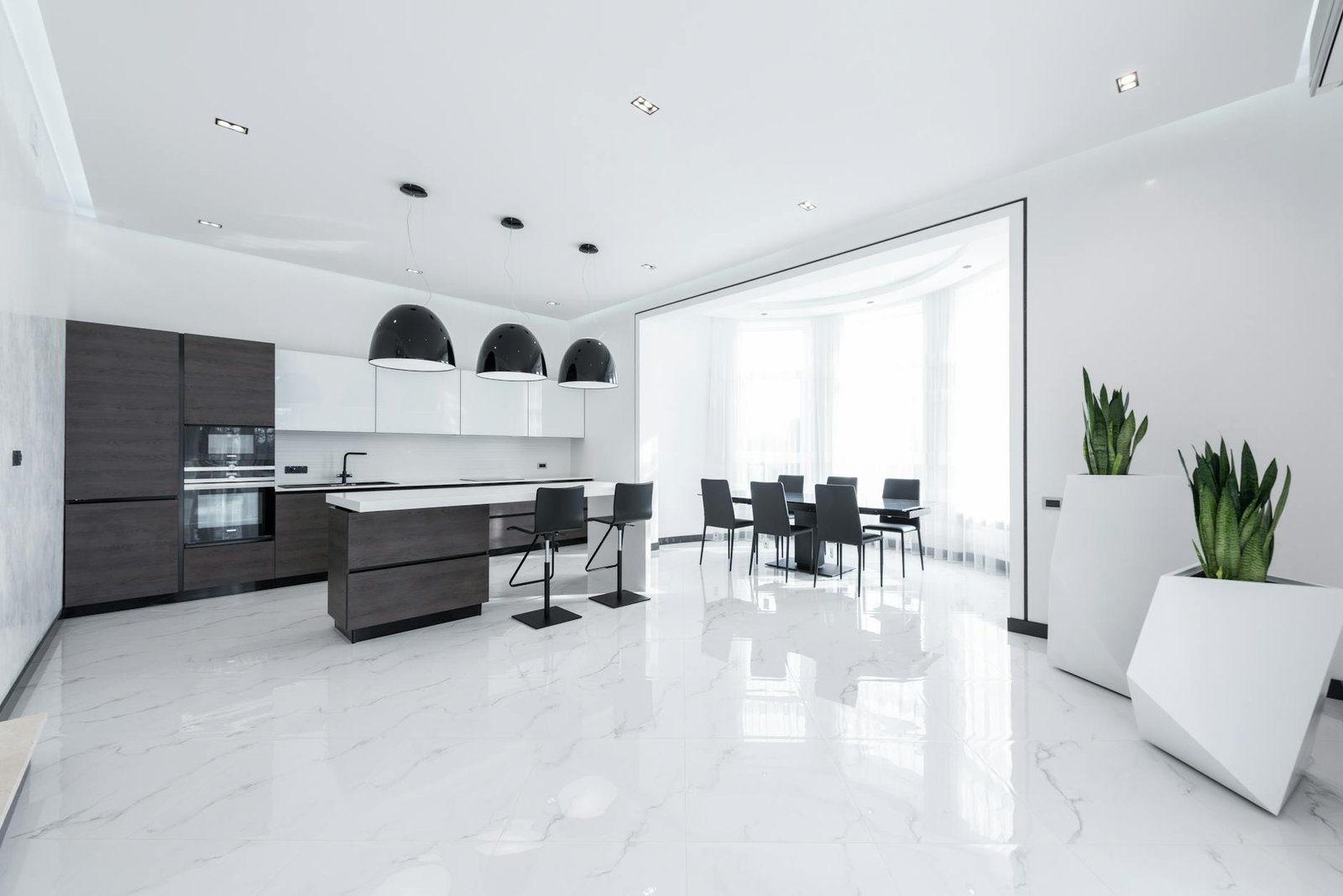
A kitchen island can provide additional counter space, storage, and seating, and can be placed in the center of the room to create a functional workstation, or along a wall to define the kitchen area and create a sense of separation.