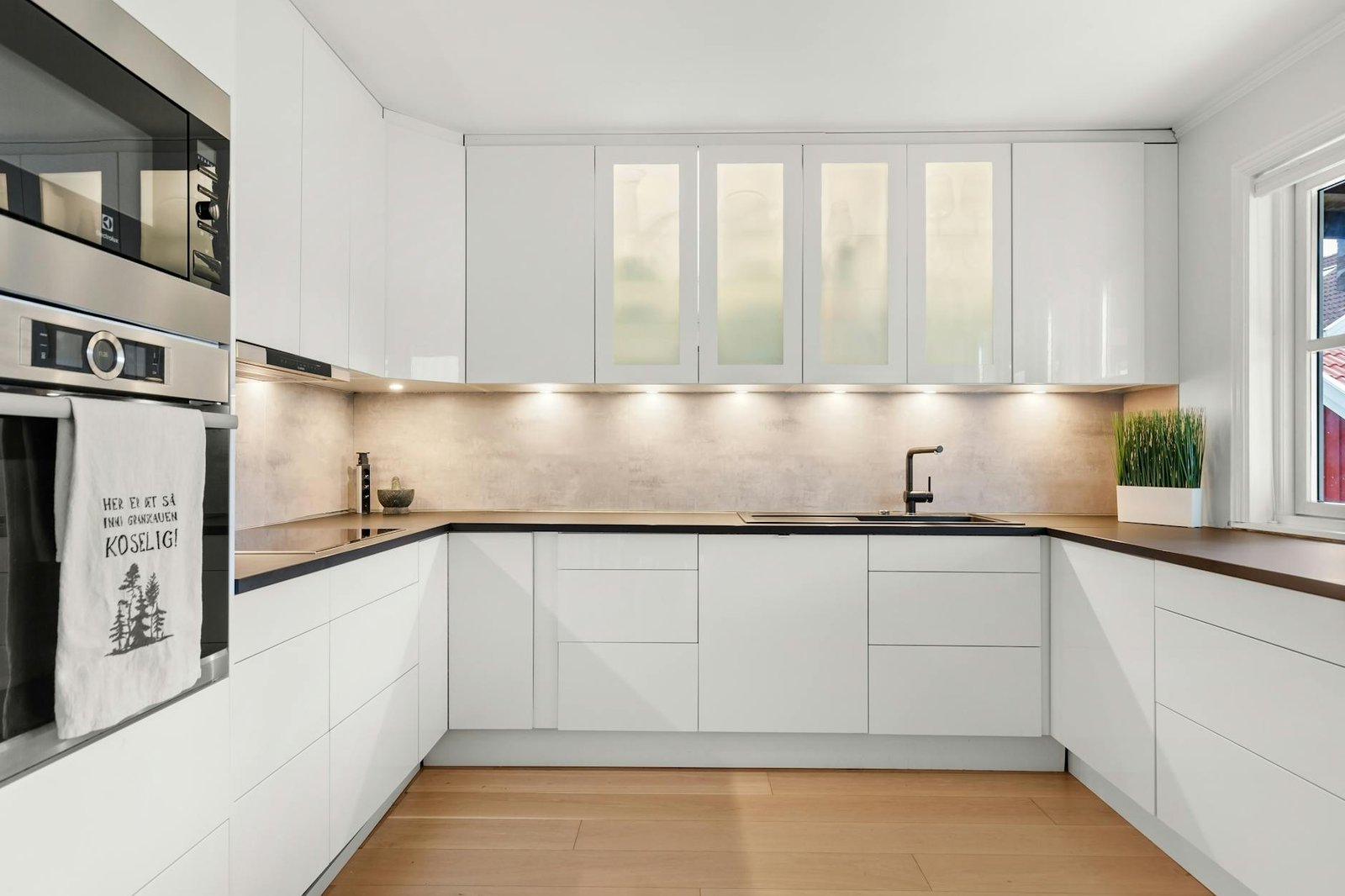
Creating an Efficient Kitchen Layout for Small Spaces and Beginners
A well-designed kitchen layout is crucial for efficient cooking and safety. As a stove expert, I have seen numerous kitchens that are poorly laid out, leading to inefficiencies and potential hazards. In this article, we will explore the importance of kitchen layout and the benefits of optimizing your kitchen for efficient cooking and safety.
Importance of Kitchen Layout
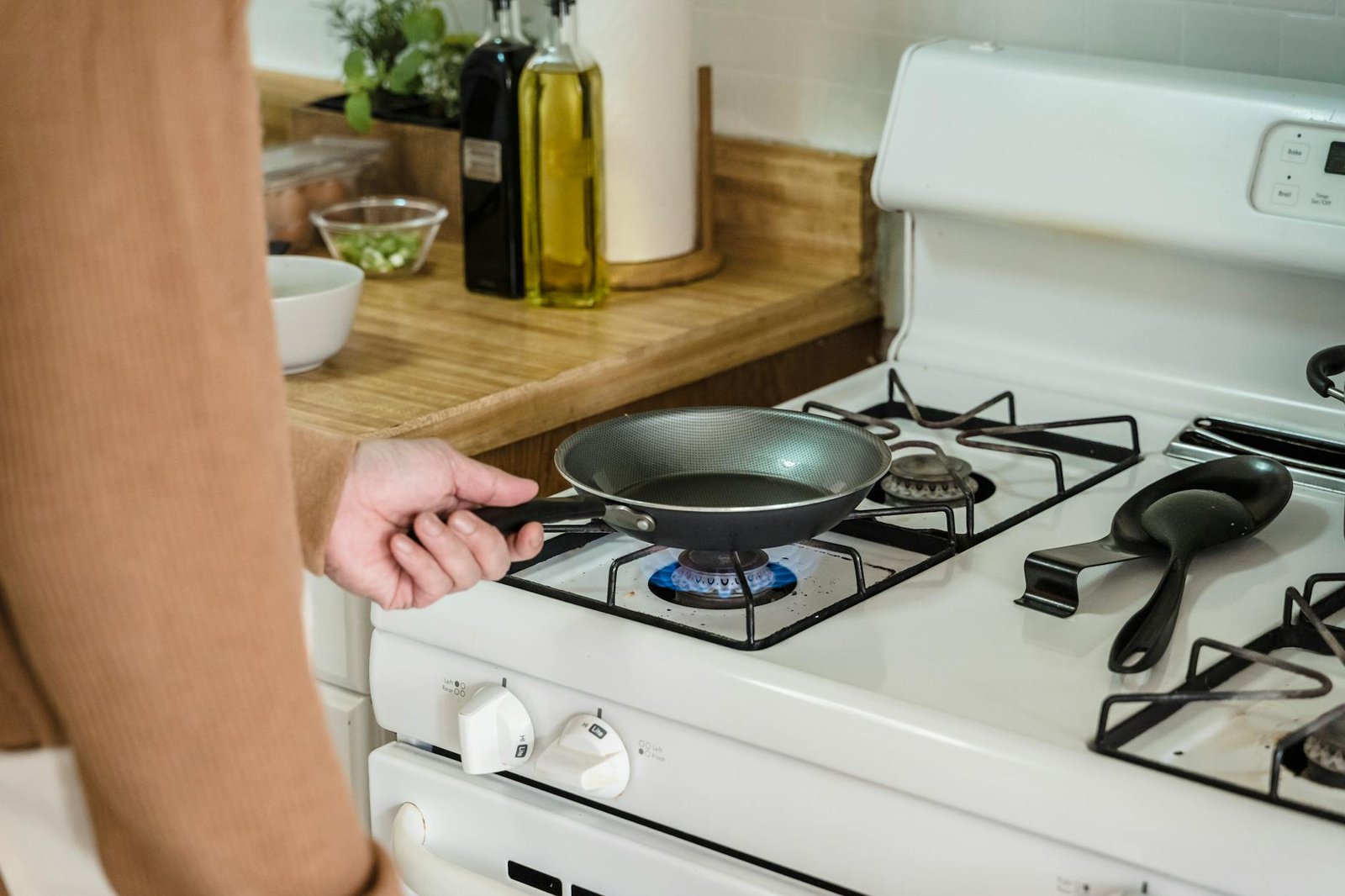
A good kitchen layout can make a significant difference in the overall cooking experience. It can improve workflow, reduce cooking time, and prevent accidents. A poorly designed kitchen, on the other hand, can lead to frustration, wasted time, and potential safety hazards. For example, a kitchen with a stove placed too close to the sink can create a slippery floor, increasing the risk of falls. Similarly, a kitchen with inadequate counter space can lead to clutter, making it difficult to prepare meals efficiently.
Benefits of an Optimized Kitchen
An optimized kitchen layout offers numerous benefits, including:
- Improved Efficiency: A well-designed kitchen layout can streamline your cooking process, reducing the time and effort required to prepare meals.
- Enhanced Safety: By minimizing hazards and obstacles, an optimized kitchen layout can reduce the risk of accidents and injuries.
- Increased Productivity: With a logical and functional layout, you can work more efficiently, preparing meals quickly and easily.
- Better Organization: An optimized kitchen layout can help you stay organized, keeping your kitchen clutter-free and making it easier to find what you need when you need it.
In the following sections, we will delve into the specifics of optimizing your kitchen layout, exploring topics such as the work triangle, kitchen zones, and storage solutions. By the end of this article, you will have a comprehensive understanding of how to create a kitchen layout that is both efficient and safe.
Understanding Your Kitchen Space
🔥 Popular on Stove Mastery
When it comes to optimizing your kitchen layout, understanding your kitchen space is crucial. This involves taking a closer look at the dimensions, layout, and functionality of your kitchen to create a space that is both efficient and safe. In this section, we will delve into the key aspects of understanding your kitchen space, including measuring, identifying kitchen zones, and assessing your cooking style.
Measuring Your Kitchen
To optimize your kitchen layout, you need to have accurate measurements of the space. Take note of the length, width, and any obstacles such as doors, windows, and plumbing fixtures. Consider the location of electrical outlets, switches, and any other features that may impact your layout. Make a sketch or use online tools to create a floor plan, including the dimensions of your kitchen and the location of these features.
Identifying Kitchen Zones
A well-designed kitchen is typically divided into different zones, each with its own specific function. The main zones to consider are:
- Cooking Zone: This is the area where you will be preparing and cooking meals. It should be located near the stove, oven, and any other cooking appliances.
- Preparation Zone: This area is for food preparation, such as chopping, slicing, and mixing. It should be located near the sink and any other prep areas.
- Storage Zone: This zone is for storing kitchen essentials, such as food, cookware, and utensils. It should be located in a convenient and accessible area.
Assessing Your Cooking Style
Understanding your cooking style is essential to optimizing your kitchen layout. Consider the types of meals you typically prepare, the frequency of cooking, and the number of people you cook for. This will help you determine the best layout for your kitchen, including the location of appliances, countertops, and storage. For example, if you are an avid baker, you may want to prioritize a large countertop area for food preparation and a convenient location for your stand mixer.
Designing an Efficient Kitchen Layout
Watch: I Found The Best Kitchen Layout Nobody’s Heard Of
When it comes to optimizing your kitchen layout for efficient cooking and safety, a well-designed space is crucial. As a stove expert, I will guide you through the key considerations for creating a functional and safe kitchen environment.
Principles of Kitchen Layout Design
A well-designed kitchen layout should adhere to several key principles, including the “work triangle” concept, which positions the stove, sink, and refrigerator in a triangular formation to minimize walking distances and improve workflow. Additionally, consider the “traffic path” to ensure that there is a clear route through the kitchen, avoiding obstacles and hazards.
Choosing the Right Kitchen Layout Type
There are several kitchen layout types to choose from, each with its pros and cons. Some common layouts include:
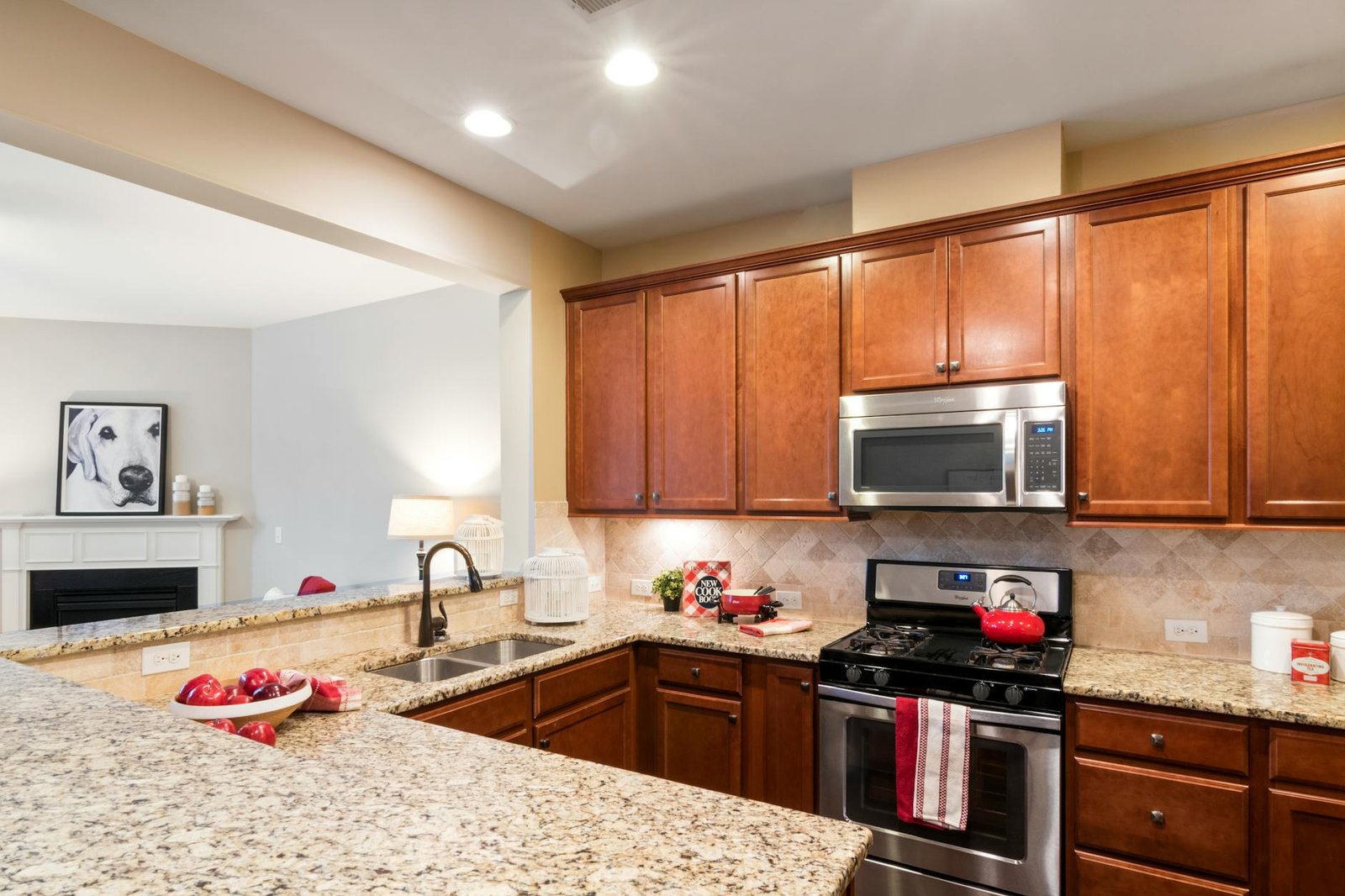
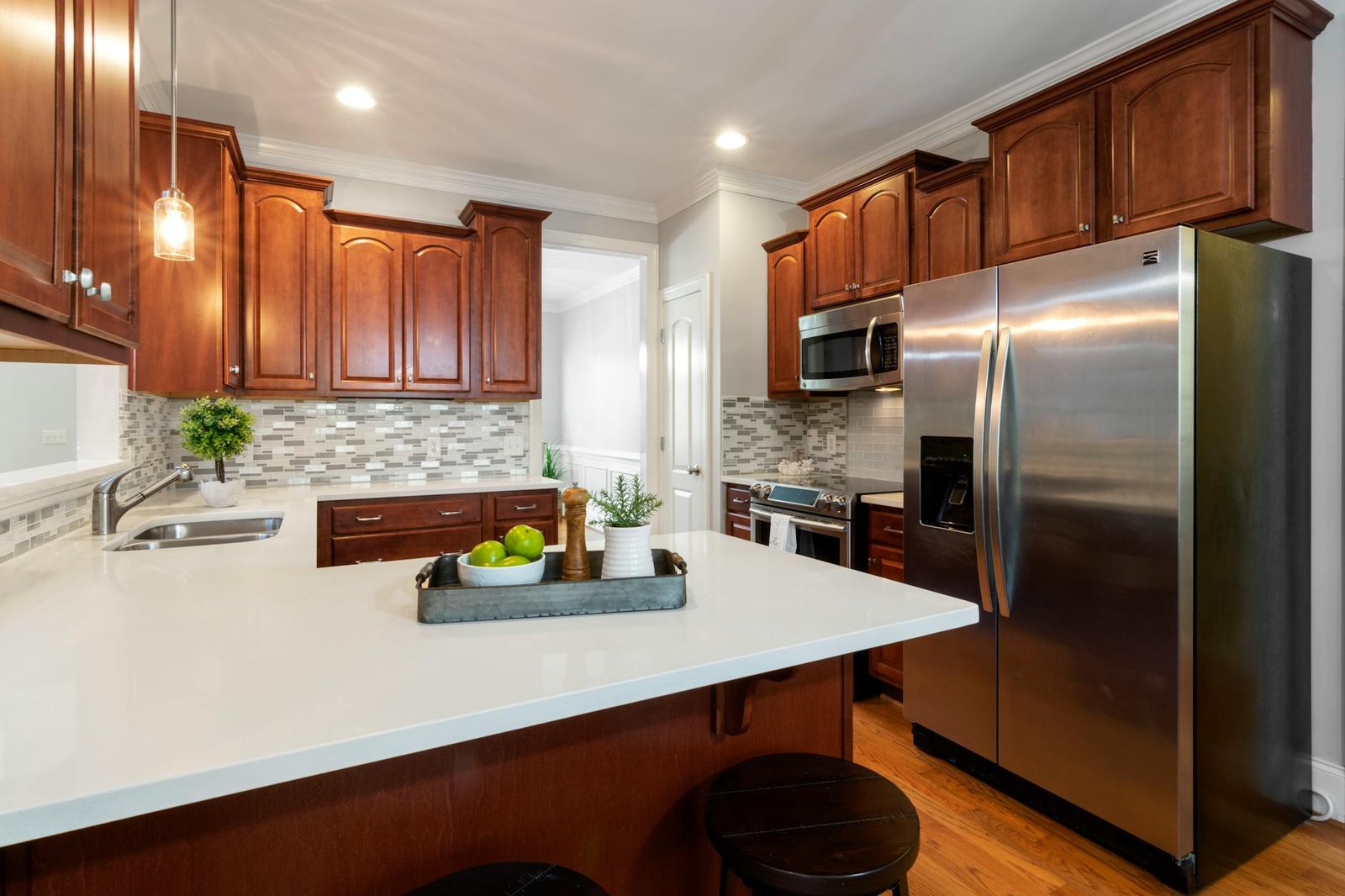
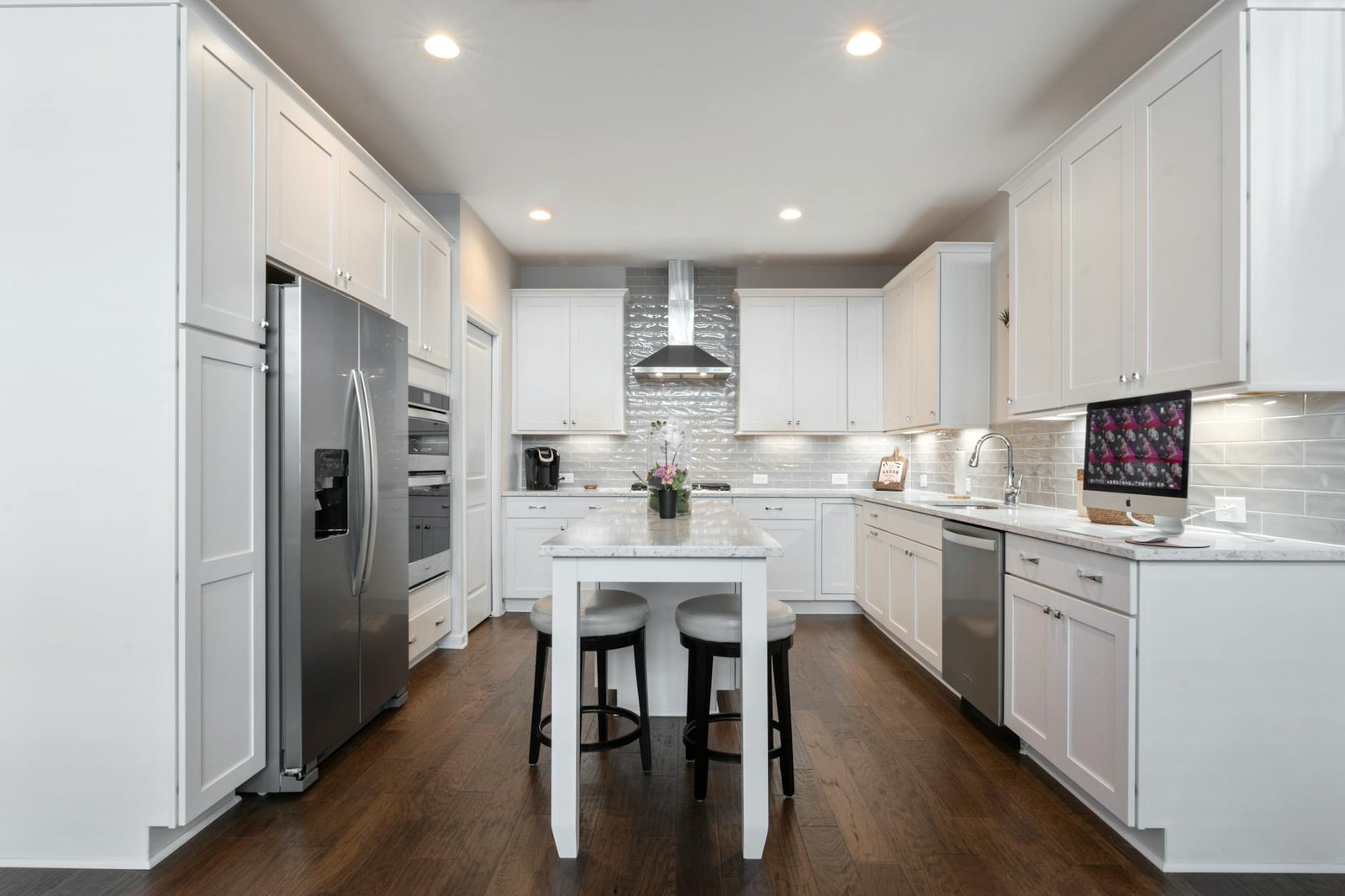
- U-shaped: provides ample counter space and storage, but can be restrictive for multiple cooks.
- L-shaped: offers a balance between counter space and floor area, making it suitable for most kitchens.
- Galley: ideal for small kitchens, but can be cramped for multiple cooks.
Consider your cooking style, kitchen size, and the number of cooks when selecting a layout type.
Incorporating Storage and Workspaces
Efficient storage and workspace allocation are critical components of a well-designed kitchen layout. Consider the following:
- Countertop space: provide sufficient space for food preparation and cooking.
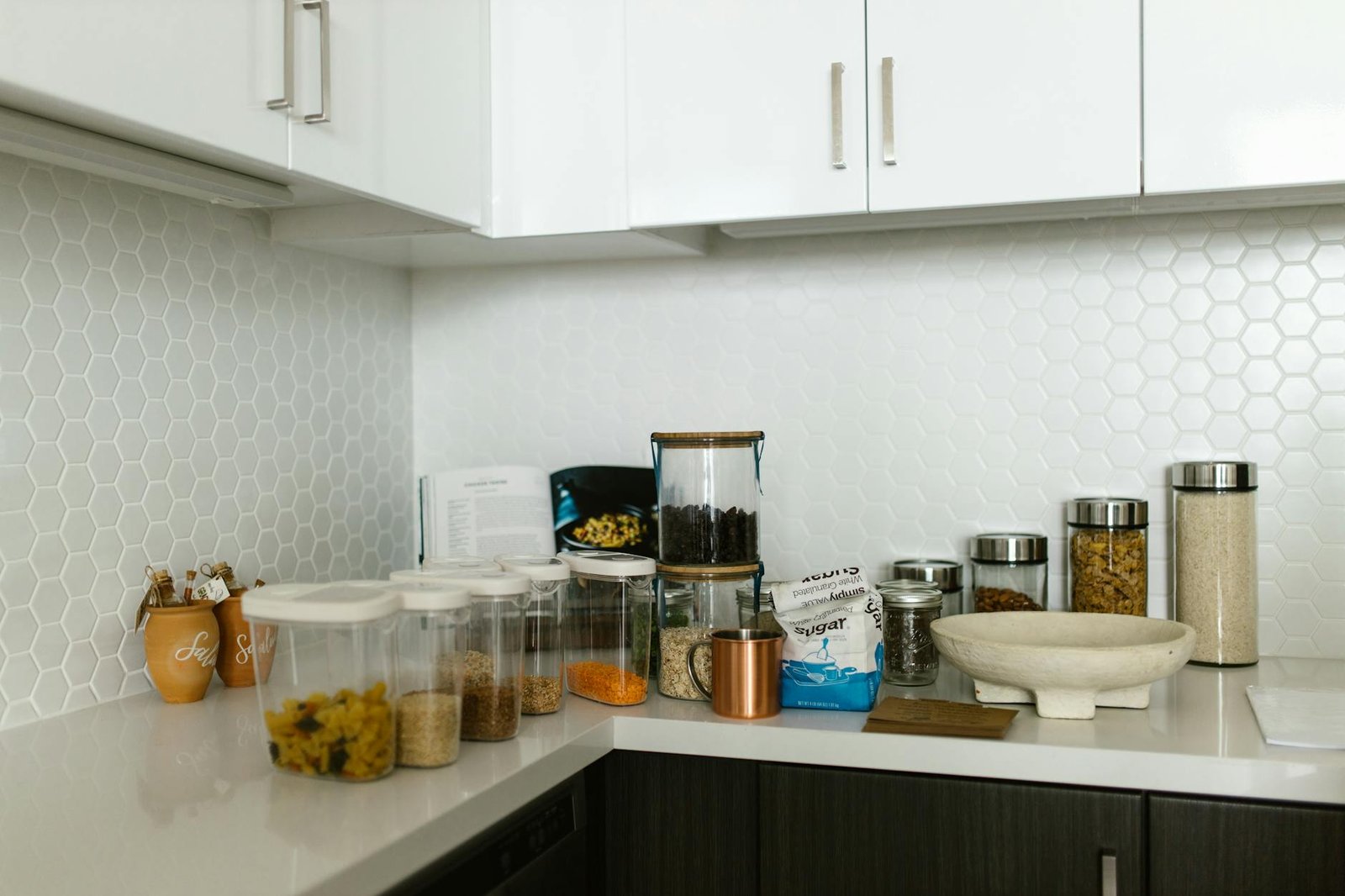
- Storage solutions: incorporate cabinets, drawers, and shelves to keep kitchen essentials organized and within reach.
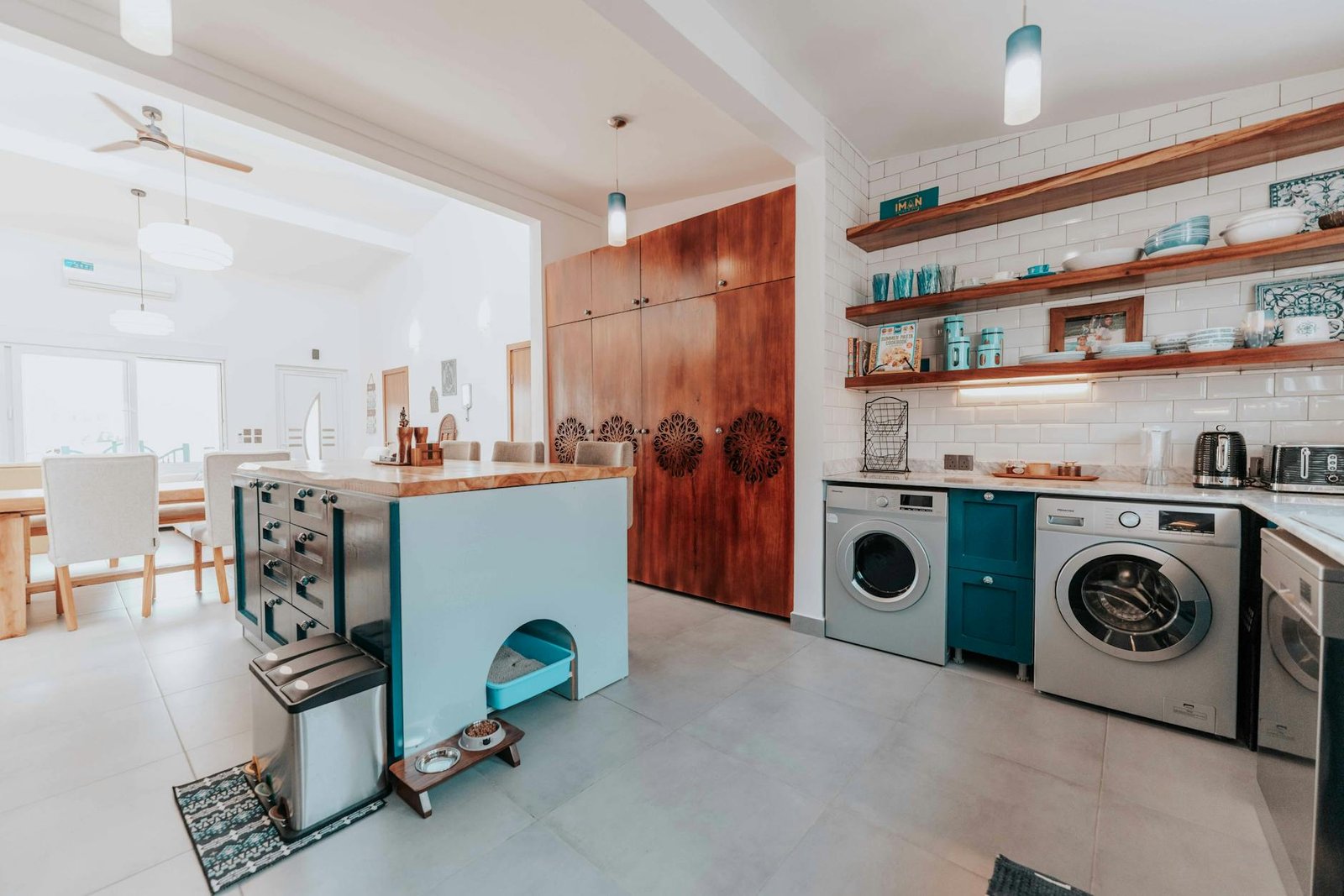
- Workstation layout: designate specific areas for tasks, such as a coffee station or baking area, to improve workflow and reduce clutter.
By carefully considering these factors, you can create a kitchen layout that is both efficient and safe, allowing you to cook with confidence and precision.
Safety Considerations and Final Touches
When optimizing your kitchen layout for efficient cooking and safety, it’s essential to consider the finer details that can make a significant difference. In this section, we’ll delve into the crucial aspects of safety considerations and final touches that will elevate your kitchen to the next level.
Safety Features to Include
A well-designed kitchen should prioritize safety above all else. Some essential safety features to include are:
- Anti-slip flooring to prevent accidents and falls
- Heat-resistant countertops to minimize the risk of burns and fires
- Easy-to-reach emergency shut-offs for gas and water supply lines
- Adequate storage for sharp objects and hazardous materials
Lighting and Ventilation
Adequate lighting and ventilation are critical components of a safe and efficient kitchen. Consider the following:
- Natural light: Position your kitchen to maximize natural light, which can help reduce eye strain and improve visibility
- Task lighting: Install under-cabinet lighting, pendant lights, or LED strips to illuminate specific work areas
- Ventilation: Invest in a high-quality range hood or exhaust fan to remove cooking fumes, moisture, and grease particles from the air
Adding Decor and Personality
Once you’ve addressed the safety and functional aspects of your kitchen, it’s time to add some personality and style. Consider the following elements to create a unique and inviting space:
- Color scheme: Choose a palette that reflects your personal taste and complements the overall aesthetic of your home
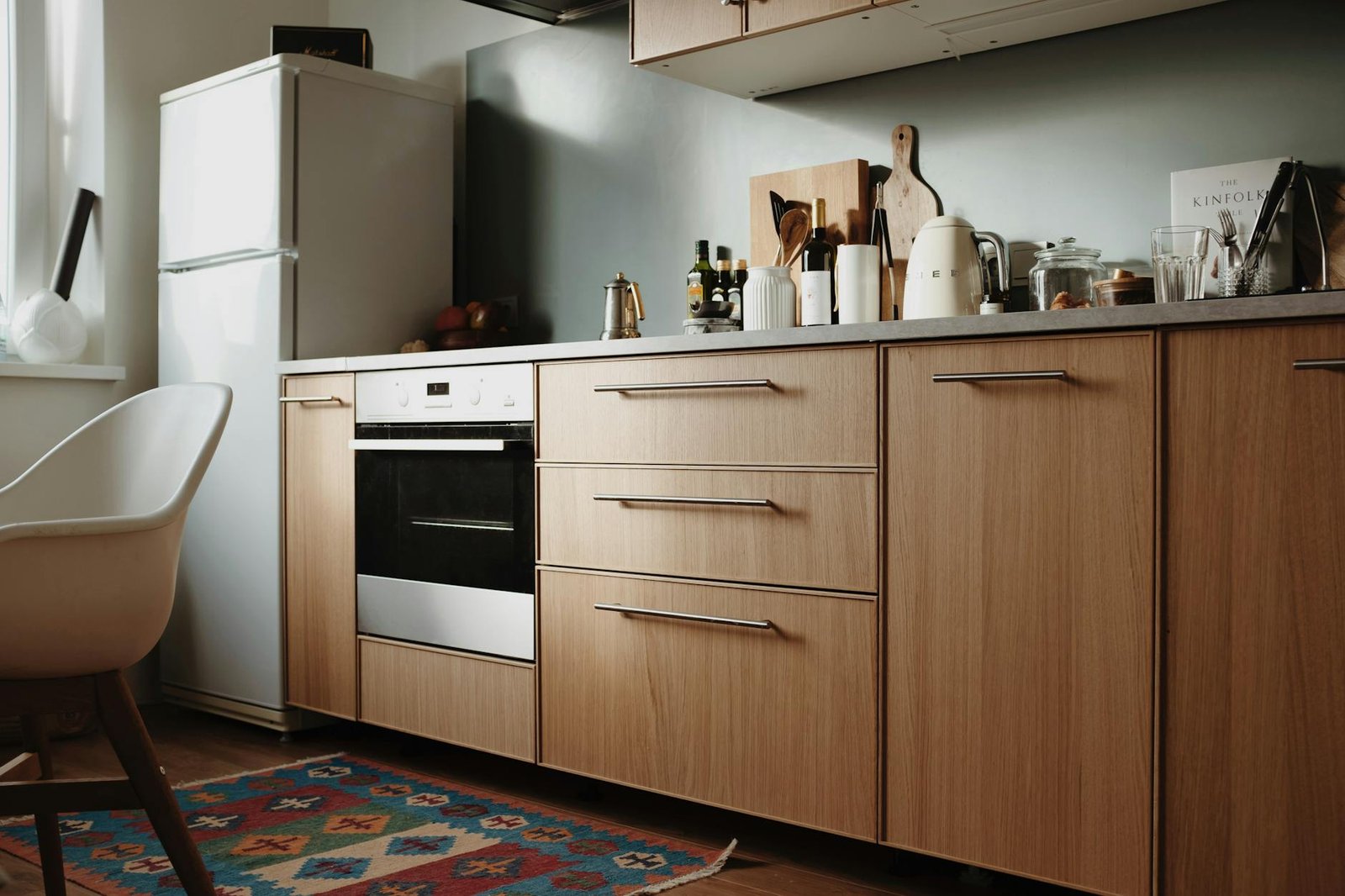
- Textiles and patterns: Incorporate rugs, towels, and other textiles to add warmth and visual interest
- Decorative accents: Add plants, artwork, or other decorative elements to create a welcoming atmosphere
By incorporating these safety considerations and final touches, you’ll be well on your way to creating a kitchen that is not only efficient and safe but also beautiful and functional.
Mini Case Study: The Case of the Congested Cooktop
A busy home cook, Sarah, was struggling with her kitchen layout, leading to inefficient cooking and safety hazards. Her cooktop was congested, with appliances and utensils competing for space.
The problem was a lack of workflow optimization, causing Sarah to constantly move around the kitchen, increasing the risk of accidents. The diagnosis revealed a poorly planned kitchen layout, with inadequate counter space and insufficient storage.
The solution involved a comprehensive kitchen redesign, including:
- Installing a kitchen island for additional counter space
- Implementing a utensil organizer and appliance garage
- Optimizing the workflow with a designated cooking zone
With the new layout, Sarah enjoyed a more efficient and safe cooking experience, with ample space to prepare and cook meals. The redesigned kitchen increased her productivity and reduced the risk of accidents, making cooking a more enjoyable experience.
Final Thoughts
Optimizing your kitchen layout is crucial for efficient cooking and safety. A well-designed kitchen can significantly reduce cooking time, improve the overall cooking experience, and minimize the risk of accidents. In this comprehensive guide, we have covered various aspects of kitchen layout optimization, including the importance of workflow, storage, and safety considerations.
Key Takeaways
To recap, the key elements of an optimized kitchen layout include a functional workflow, adequate storage, and a focus on safety. By considering these factors, you can create a kitchen that is both efficient and safe. Some of the key takeaways from this guide include:
- Creating a functional workflow that minimizes movement and maximizes efficiency
- Providing adequate storage for cookware, utensils, and food to reduce clutter and improve accessibility
- Implementing safety measures such as proper ventilation, emergency exits, and secure storage for hazardous materials
Implementing Your Optimized Kitchen Layout
Once you have designed your optimized kitchen layout, it’s time to implement it. This may involve making significant changes to your existing kitchen, such as rearranging appliances, installing new storage solutions, and updating your lighting and ventilation systems. By following the principles outlined in this guide, you can create a kitchen that is tailored to your specific needs and cooking style.
Some popular kitchen layouts to consider include:
- U-shaped layout: ideal for large kitchens with multiple cooks
- L-shaped layout: suitable for smaller kitchens with limited space
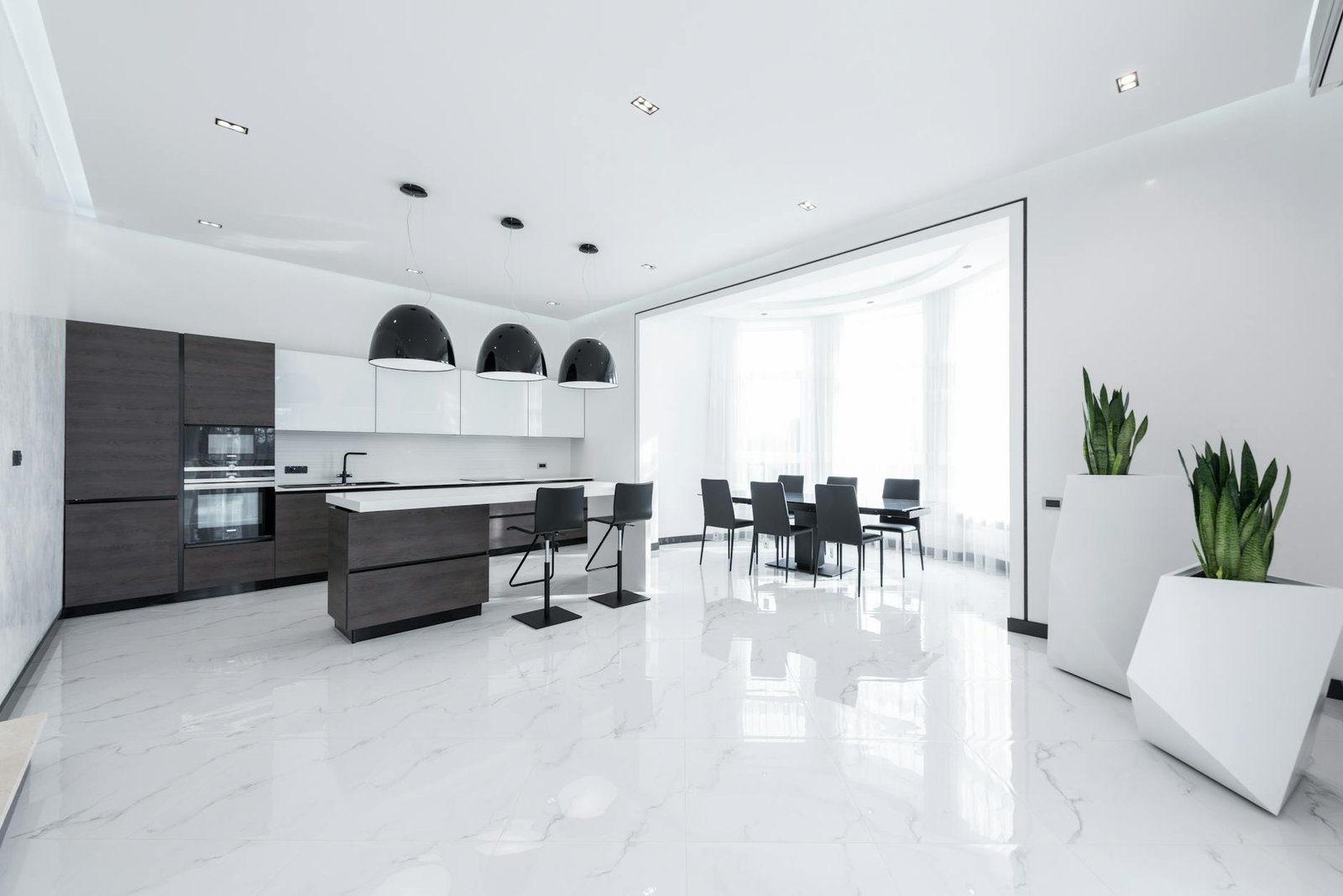
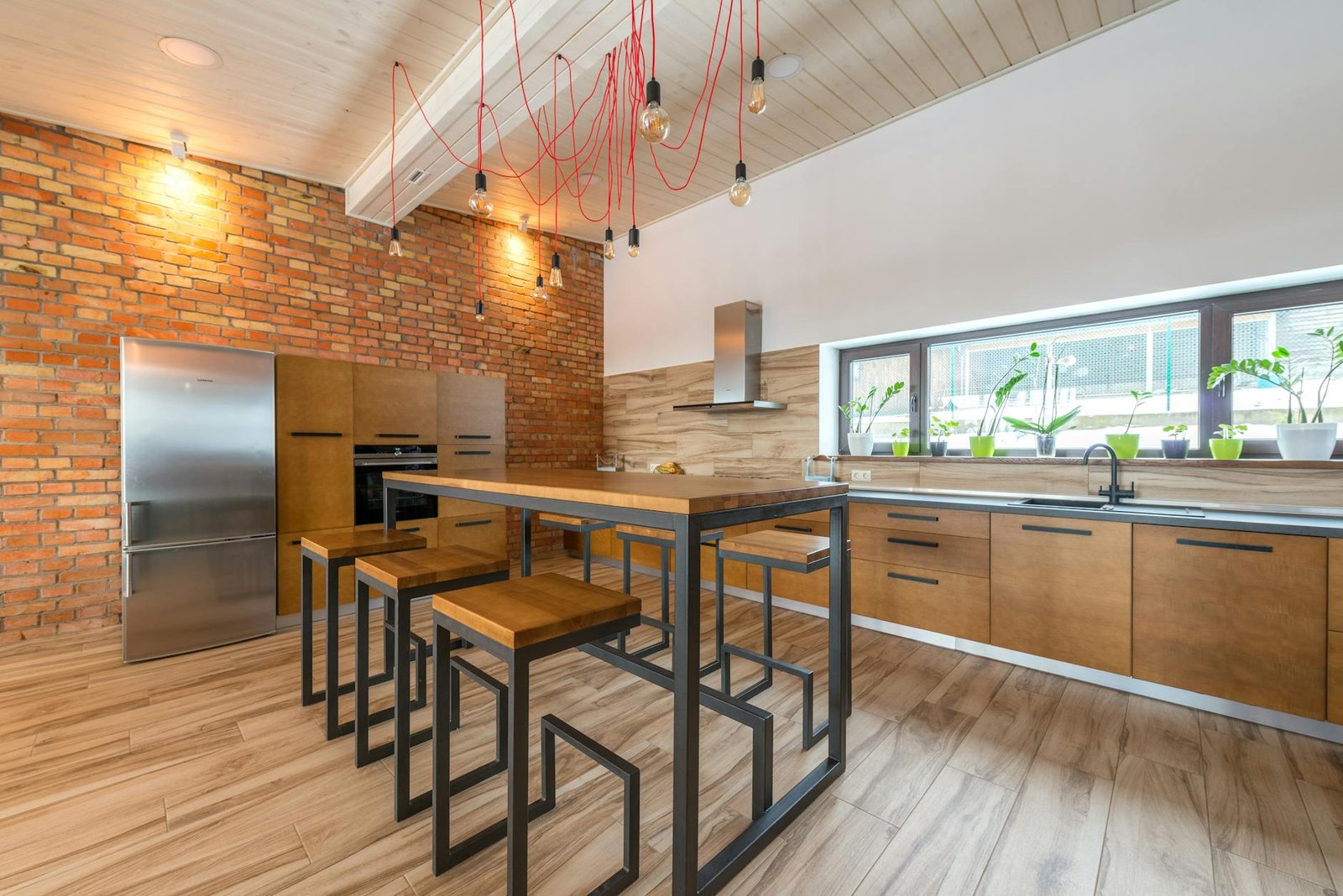
- Island layout: perfect for kitchens with ample space and a need for additional counter space
In conclusion, optimizing your kitchen layout is a critical step in creating a functional, efficient, and safe cooking space. By considering your specific needs and cooking style, you can design a kitchen that meets your unique requirements and enhances your overall cooking experience. Remember to stay flexible and be willing to make adjustments as needed to ensure your kitchen remains a safe and enjoyable space for years to come.
Frequently Asked Questions
What are the key considerations for optimizing kitchen layout?
The key considerations include the work triangle, adequate counter space, and sufficient storage for appliances and cookware. A well-designed layout should also prioritize safety and efficiency.
How can I maximize storage in my kitchen?
You can maximize storage by using wall-mounted shelves, installing a pot rack, and investing in a cart or island with built-in storage.
What is the ideal placement for major kitchen appliances?
The ideal placement for major kitchen appliances, such as the stove, refrigerator, and sink, is in a triangular formation to minimize walking distances and improve workflow.
How can I ensure safety in my kitchen layout?
You can ensure safety by placing appliances and cooktops away from high-traffic areas, installing proper ventilation, and keeping emergency exits clear of obstacles.