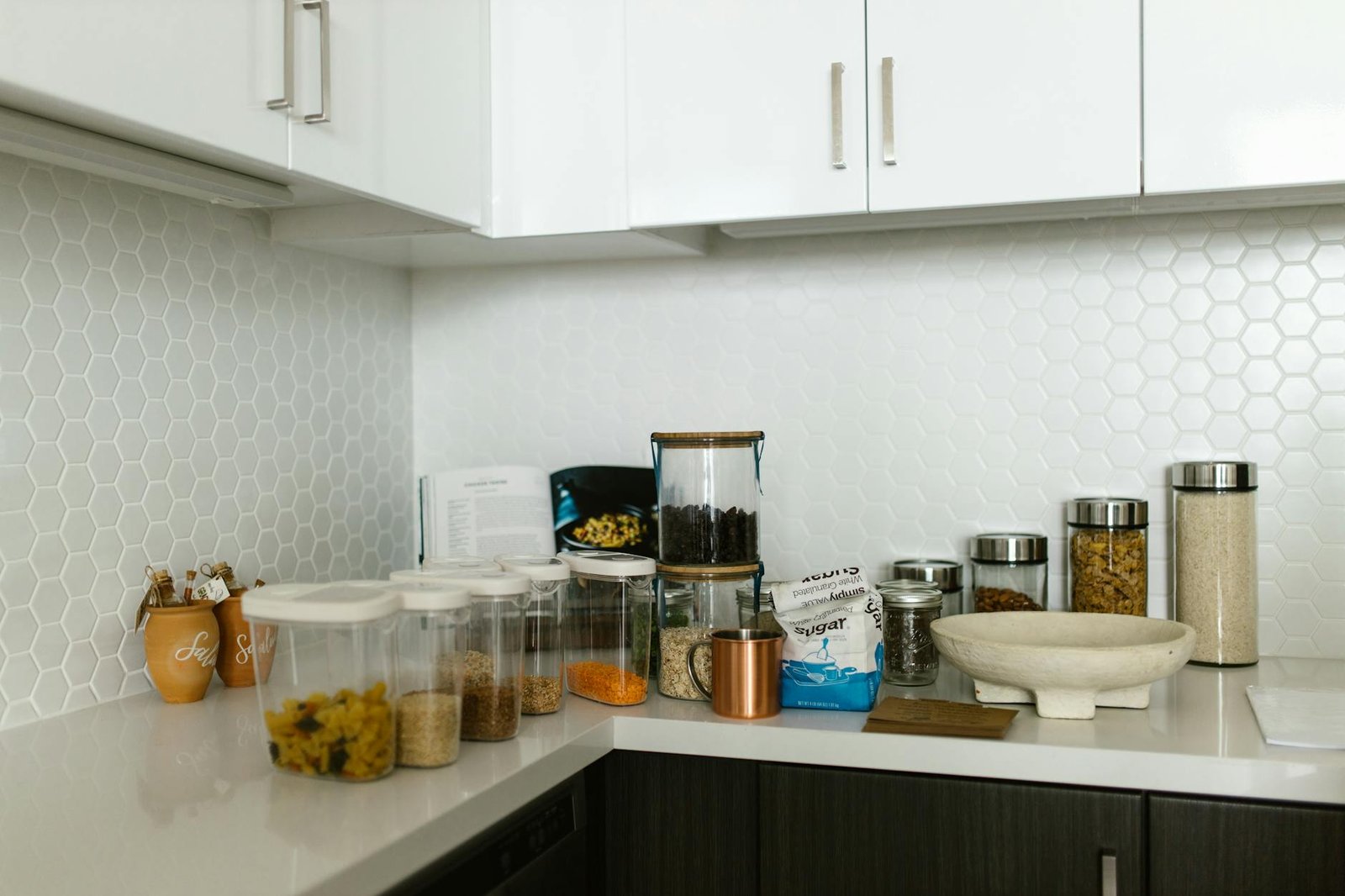
Kitchen Storage Solutions for Apartment Dwellers on a Budget
Welcome to the world of kitchen optimization, where a well-designed layout can make all the difference in your cooking experience. As a stove expert, I’ve seen firsthand how a thoughtfully planned kitchen can streamline your workflow, reduce clutter, and make meal preparation a joy. In this article, we’ll explore the key principles of optimizing your kitchen layout for efficient cooking and storage, helping you to create a space that’s both functional and enjoyable to use.

A well-optimized kitchen layout is essential for several reasons. Not only does it improve the overall aesthetic of the space, but it also enhances the cooking experience, reduces food preparation time, and increases storage capacity. A poorly designed kitchen, on the other hand, can lead to frustration, wasted time, and a higher risk of accidents. By understanding the principles of kitchen optimization, you can create a space that’s tailored to your specific needs and cooking style.
When it comes to optimizing your kitchen layout, there are several factors to consider. These include the size and shape of the room, the type and number of appliances, and the amount of storage required. Additionally, you’ll need to think about the workflow of your kitchen, including the placement of key elements such as the stove, sink, and refrigerator. By carefully considering these factors, you can create a kitchen layout that’s both efficient and functional.
Key Considerations
- Work Triangle: The distance between the stove, sink, and refrigerator, which should be minimized to reduce walking distances and improve workflow.
- Appliance Placement: Careful consideration of where to place appliances, such as the stove, dishwasher, and microwave, to maximize efficiency and minimize clutter.
- Storage Solutions: Implementing effective storage solutions, such as cabinets, drawers, and shelves, to keep kitchen essentials organized and within reach.
By taking the time to carefully plan and optimize your kitchen layout, you can create a space that’s tailored to your specific needs and cooking style. In the following sections, we’ll delve deeper into the key considerations and principles of kitchen optimization, providing you with the knowledge and expertise needed to create a kitchen that’s both functional and enjoyable to use.
Assessing Your Kitchen Space
🔥 Popular on Stove Mastery
When it comes to optimizing your kitchen layout, it’s essential to start by assessing your kitchen space. This involves taking a closer look at the dimensions of your kitchen, identifying your storage needs, and prioritizing the essentials. By doing so, you’ll be able to create a functional and efficient kitchen that meets your cooking and storage requirements.
Measuring Your Kitchen
To get started, measure the length, width, and any obstacles in your kitchen, such as doorways, windows, and plumbing fixtures. Make a note of the location of electrical outlets, switches, and any other features that may impact your kitchen layout. Consider using a graph paper to create a scale drawing of your kitchen, which will help you visualize the space and make more informed decisions.
Identifying Storage Needs
Next, think about your storage needs. Consider the types and quantities of items you need to store, such as cookware, dishes, utensils, and food. Make a list of the items you use most frequently and prioritize storage solutions that keep them easily accessible. For example, if you have a large collection of cookbooks, you may want to consider a bookshelf or storage cabinet specifically designed for cookbooks.
Prioritizing Essentials
Finally, prioritize the essentials in your kitchen. Consider the work triangle concept, which suggests that the sink, stove, and refrigerator should be positioned to form a triangle, with each point approximately 4-9 feet apart. This layout promotes efficiency and reduces walking distances between these key areas. Additionally, consider the following key elements:
- Cooking zone: Where will you be doing most of your cooking? Ensure that this area is well-ventilated and has ample counter space.
- Prep zone: Where will you be preparing ingredients? Consider a dedicated area with a sink, cutting board, and storage for utensils and tools.
- Storage zone: Where will you be storing food, cookware, and other kitchen essentials? Ensure that this area is easily accessible and well-organized.
By carefully assessing your kitchen space and prioritizing the essentials, you’ll be well on your way to creating a functional and efficient kitchen that meets your needs and enhances your cooking experience.
Budget-Friendly Storage Solutions
Watch: Japanese MICRO Kitchen Transformation
As a stove expert, I understand that maximizing storage in the kitchen is crucial for efficient cooking. In this section, we will explore budget-friendly storage solutions that can help optimize your kitchen layout.
When it comes to storage, it’s essential to think creatively and make the most of the space you have. Here are some practical and affordable solutions to consider:
Using Vertical Space
One of the most effective ways to maximize storage in your kitchen is to utilize vertical space. This can be achieved by installing shelves, hooks, or a pegboard on a wall or the back of a door. By doing so, you can keep frequently used items, such as pots, pans, and utensils, within easy reach while keeping your countertops clutter-free.
- Install a pegboard on the back of a door or wall to hang items like pots, pans, and utensils
- Use stackable shelves to store less frequently used items, such as special occasion dishes or cookbooks
- Hang a pot rack from the ceiling to keep pots and pans organized and within reach
Optimizing Cabinet Storage
Another way to optimize storage in your kitchen is to make the most of your cabinet space. This can be achieved by using dividers, baskets, or other organizing tools to keep items separated and easy to find.
| Storage Solution | Pros | Cons |
|---|---|---|
| Dividers | Keep items separated and organized, easy to install | May not be adjustable, can be expensive |
| Baskets | Portable, can be used to store a variety of items, easy to clean | May not fit in all cabinets, can be bulky |
Repurposing Everyday Items
In addition to using vertical space and optimizing cabinet storage, you can also repurpose everyday items to create additional storage solutions. For example, you can use a magnetic strip to store metal items like knives or spice containers, or a hanging shoe organizer to store snacks or cleaning supplies.
- Use a magnetic strip to store metal items like knives or spice containers
- Repurpose a hanging shoe organizer to store snacks or cleaning supplies
- Use a stackable crate to store dry goods or kitchen gadgets
Maximizing Efficiency in Small Kitchens
When it comes to small kitchens, maximizing efficiency is crucial to ensure a smooth cooking experience. As a stove expert, I’ll share practical tips on how to optimize your kitchen layout for efficient cooking and storage.
Streamlining Workflows
To streamline workflows in a small kitchen, it’s essential to analyze your cooking habits and identify areas where you can improve efficiency. Consider the “work triangle” concept, which suggests that the sink, stove, and refrigerator should be positioned to minimize walking distance between them. By streamlining your workflow, you can reduce cooking time and make the most of your kitchen space.
- Place frequently used utensils and ingredients near the stove or cooking station to reduce movement.
- Invest in a cart or island with storage to keep essentials within easy reach.
- Consider a wall-mounted pot rack or utensil holder to free up counter space.
Implementing a ‘Zone’ System
Implementing a “zone” system in your small kitchen can help create a more organized and efficient cooking space. Divide your kitchen into zones, such as a cooking zone, prep zone, and storage zone. This will help you stay focused on the task at hand and reduce clutter.
- Cooking Zone: Designate a specific area for cooking, including the stove, oven, and microwave.
- Prep Zone: Create a prep area with a countertop, sink, and utensils for food preparation.
- Storage Zone: Allocate a section for storing cookware, dishes, and food.
Utilizing Multi-Functional Appliances
Multi-functional appliances can be a game-changer in small kitchens, providing multiple functions in a single unit. When choosing a multi-functional appliance, consider the pros and cons of each option.
| Appliance | Pros | Cons |
|---|---|---|
| Slow Cooker and Rice Cooker Combo | Space-saving, convenient | Limited capacity, may not perform as well as separate units |
| Microwave and Convection Oven Combo | Fast cooking, versatile | May not produce consistent results, can be expensive |
By implementing these strategies, you can create a more efficient and functional kitchen, even in a small space. Remember to assess your specific needs and preferences when selecting appliances and designing your kitchen layout.
Mini Case Study: The Case of the Cluttered Kitchen
In a small, urban kitchen, the homeowner, a busy professional, was struggling to cook and store essentials efficiently. The kitchen was cluttered, with appliances and cookware scattered throughout the space.
➤ Read Also: Efficient Kitchen Design for Small Spaces
The Problem was a lack of optimized layout, resulting in wasted time and energy. The Diagnosis revealed:
- Inadequate storage for cookware and utensils
- Insufficient counter space for food preparation
- Poorly placed appliances, causing traffic flow issues
The Solution involved rearranging the kitchen layout to prioritize efficiency and storage. This included:
- Installing a pot rack and utensil organizer
- Adding a cart for extra counter space and storage
- Relocating appliances to improve traffic flow
With the optimized layout, the homeowner can now cook and store essentials with ease, saving time and reducing stress in the kitchen.
Final Thoughts
As a stove expert, I can attest that optimizing your kitchen layout is crucial for efficient cooking and storage. A well-designed kitchen can make a significant difference in your cooking experience, from reducing cooking time to minimizing clutter. In this article, we have discussed the importance of considering the work triangle, selecting the right appliances, and utilizing storage solutions to create a functional kitchen.
Key Takeaways
To recap, the key elements of an optimized kitchen layout include:
- A well-planned work triangle that minimizes walking distance between the stove, sink, and refrigerator
- Appliances that are proportionate to the kitchen size and meet your cooking needs
- Adequate storage solutions, such as cabinets, drawers, and shelves, to keep kitchen essentials organized and within reach
- A functional island or peninsula that provides additional counter space and storage
Implementing Your Optimized Kitchen Layout
When implementing your optimized kitchen layout, it’s essential to consider your personal cooking style, the number of people you cook for, and your available budget. By taking these factors into account, you can create a kitchen that is tailored to your needs and enhances your cooking experience. Additionally, consider the following tips:
- Measure your kitchen space carefully to ensure accurate planning
- Choose appliances and fixtures that are durable and easy to maintain
- Consider the flow of traffic in your kitchen to avoid congestion
- Don’t forget to leave some empty space to maintain a sense of openness and visibility
In conclusion, optimizing your kitchen layout is a critical step in creating a functional and efficient cooking space. By considering the work triangle, selecting the right appliances, and utilizing storage solutions, you can create a kitchen that meets your needs and enhances your cooking experience. Remember to take your time, plan carefully, and prioritize your needs to create a kitchen that is both beautiful and functional. With a well-designed kitchen, you’ll be able to cook with ease, reduce stress, and enjoy the experience of preparing meals for yourself and your loved ones.
Frequently Asked Questions
What are the key considerations for optimizing my kitchen layout?
When optimizing your kitchen layout, consider the workflow, or ‘work triangle’, between the sink, stove, and refrigerator to minimize walking distances and improve efficiency. Additionally, think about the storage and accessibility of frequently used items.
How can I maximize storage in my kitchen?
Maximize storage by using wall-mounted shelves, cabinets, and hooks to keep frequently used items off the countertops and make the most of vertical space.
What are some tips for creating an efficient cooking zone?
Create an efficient cooking zone by placing your stove, oven, and microwave in close proximity, and keeping utensils and cookware within easy reach to streamline food preparation and cooking tasks.
How can I make my kitchen more functional for multiple users?
Make your kitchen more functional for multiple users by creating separate workstations for different tasks, such as a coffee station or a prep area, to reduce congestion and improve workflow.