Portable Induction Cooktops vs Wood Fired Camping Stoves for Off Grid Cooking
As a stove expert, I have encountered numerous individuals seeking the perfect off-grid cooking solution. With the increasing demand for sustainable and self-sufficient living, it is essential to explore the various options available. In this article, we will delve into the world of off-grid cooking, discussing the importance of choosing the right method and the benefits of each option.
Brief Overview of Off-Grid Cooking Options
Off-grid cooking encompasses a range of methods, including solar ovens, portable gas stoves, wood-burning stoves, and biofuel stoves. Each of these options has its pros and cons, which are crucial to consider when selecting the most suitable one for your needs. For instance, solar ovens are an excellent choice for those with abundant sunlight, while portable gas stoves offer convenience and ease of use. Wood-burning stoves, on the other hand, provide a cost-effective and environmentally friendly option, but require more maintenance and effort.
- Solar ovens: pros – renewable energy source, low maintenance; cons – weather dependent, limited cooking time
- Portable gas stoves: pros – convenient, easy to use; cons – fuel costs, potential safety risks
- Wood-burning stoves: pros – cost-effective, environmentally friendly; cons – maintenance-intensive, air quality concerns
Importance of Choosing the Right Cooking Method
Choosing the right off-grid cooking method is vital to ensure a safe, efficient, and enjoyable cooking experience. The wrong choice can lead to frustration, wasted resources, and potentially hazardous situations. Factors such as climate, available resources, and personal preferences play a significant role in determining the most suitable cooking method. By understanding the advantages and disadvantages of each option, individuals can make informed decisions and select the best off-grid cooking solution for their unique needs.
| Cooking Method | Climate Suitability | Resource Requirements |
|---|---|---|
| Solar Oven | Sunny climates | Abundant sunlight |
| Portable Gas Stove | All climates | Fuel, maintenance |
| Wood-Burning Stove | Various climates | Wood, maintenance |
By considering these factors and weighing the pros and cons of each option, individuals can make informed decisions and select the most suitable off-grid cooking method for their needs, ensuring a safe, efficient, and enjoyable cooking experience.
Portable Induction Cooktops
🔥 Popular on Stove Mastery
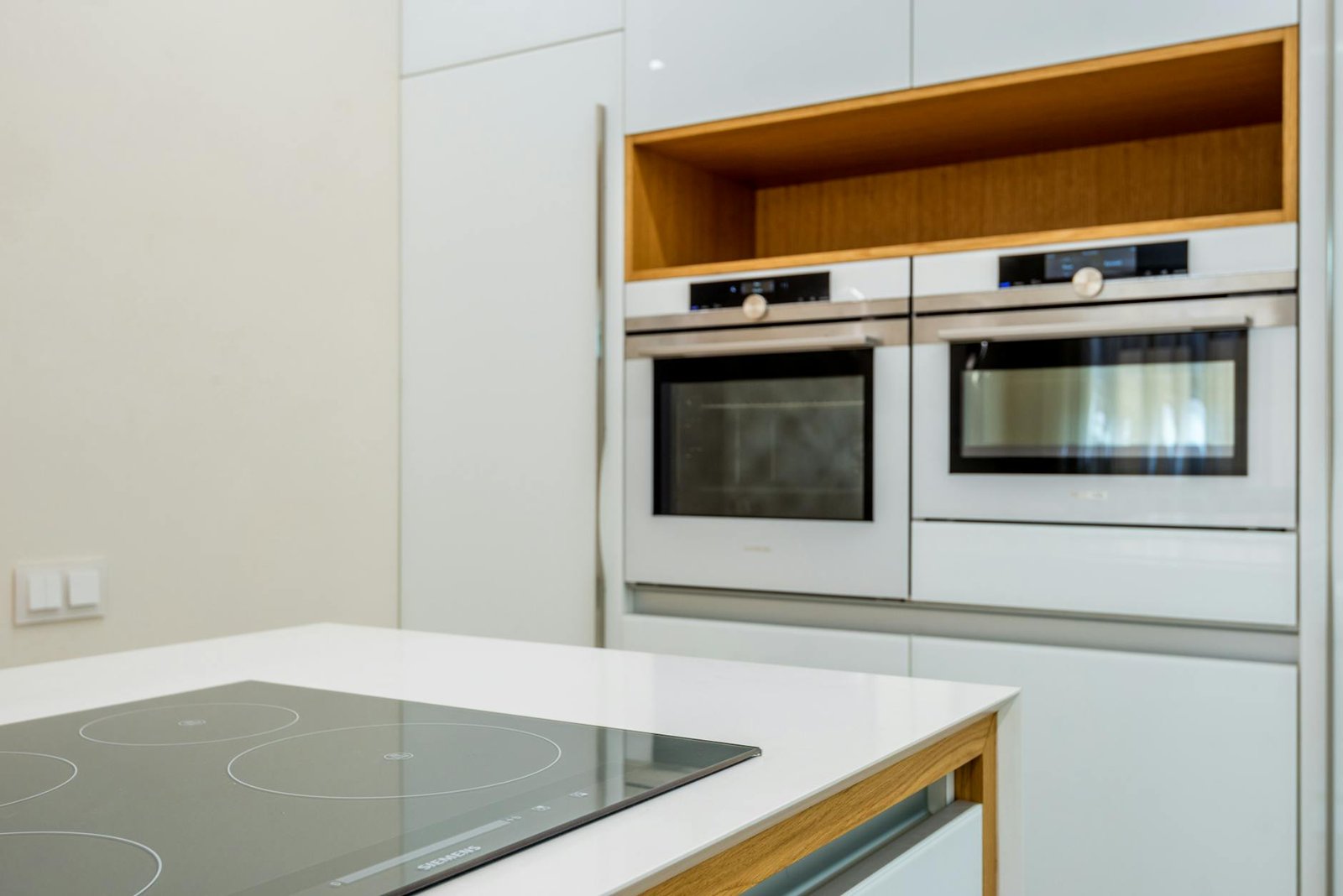
Portable induction cooktops have revolutionized the way we cook, offering a convenient, efficient, and safe cooking experience. These cooktops use electromagnetic fields to heat up cookware directly, providing a fast and energy-efficient way to prepare meals.
Benefits of Portable Induction Cooktops
Portable induction cooktops offer several benefits, including:
- Energy efficiency: They use less energy than traditional electric or gas stoves, making them a cost-effective option.
- Portability: They are lightweight and compact, making them easy to take on the go or store in small spaces.
- Easy cleaning: The smooth surface of induction cooktops makes cleaning a breeze, as food and spills do not stick to the surface.
- Safety: They automatically shut off when a pot or pan is removed, reducing the risk of accidents.
Key Features to Consider When Selecting a Portable Induction Cooktop
When choosing a portable induction cooktop, consider the following key features:
- Power levels: Look for a cooktop with multiple power levels to accommodate different cooking tasks.
- Cookware compatibility: Ensure the cooktop is compatible with your existing cookware or invest in induction-ready pots and pans.
- Safety features: Opt for a cooktop with automatic shut-off, child safety lock, and overheating protection.
| Feature | Pros | Cons |
|---|---|---|
| Touchscreen control | Easy to use, intuitive interface | May be prone to scratches or damage |
| Manual control | Durable, easy to clean | Less intuitive interface |
Safety Precautions and Maintenance Tips
To ensure safe and efficient use of your portable induction cooktop, follow these safety precautions and maintenance tips:
- Always use cookware made of ferromagnetic materials, such as cast iron or stainless steel.
- Avoid overheating by not leaving the cooktop unattended or using it for extended periods.
- Regularly clean the cooktop surface to prevent damage and maintain performance.
Wood Fired Camping Stoves
Watch: Off-Grid Kitchen Essentials: The Tools I Actually Use & Why
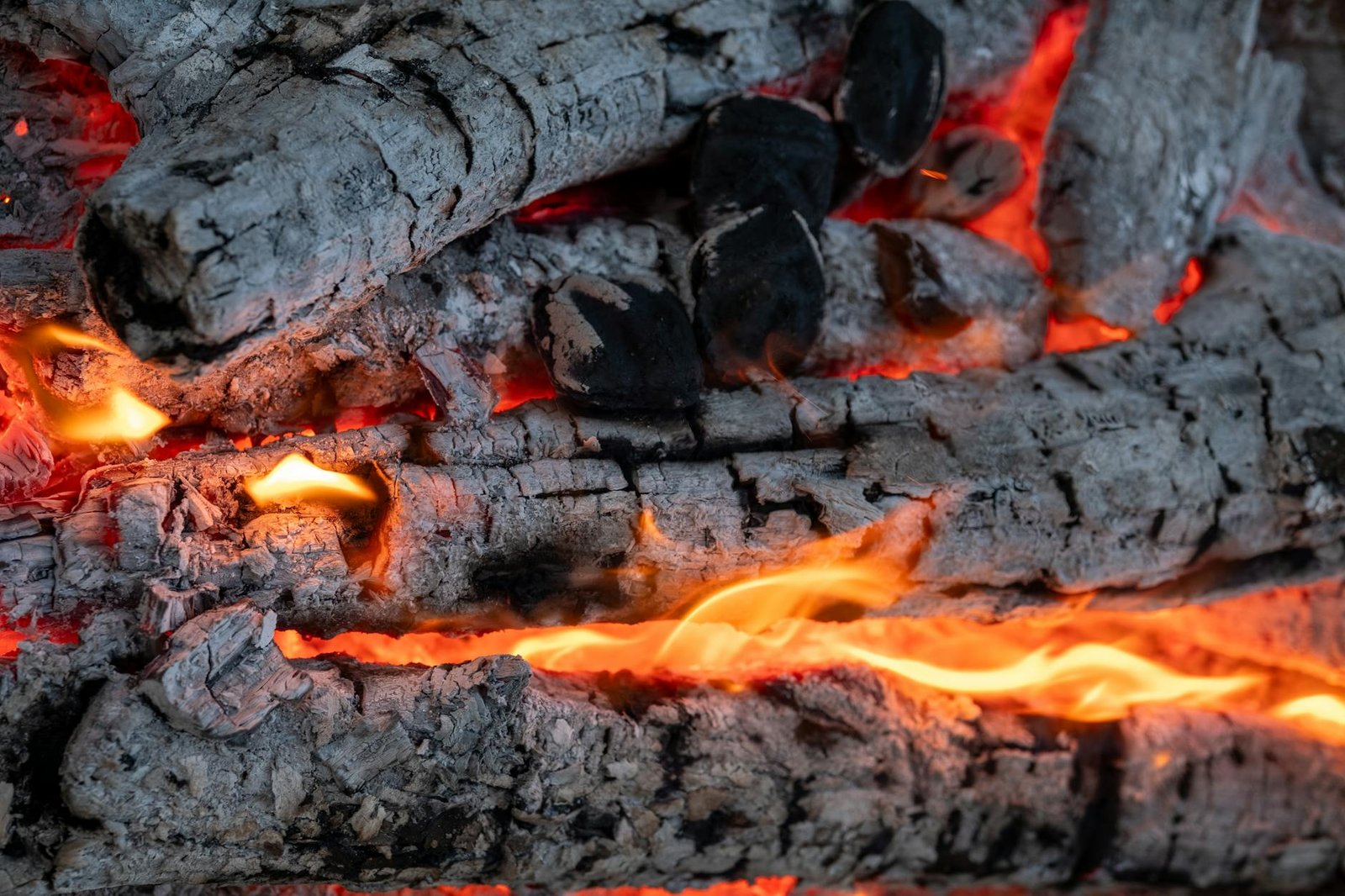
Wood fired camping stoves are a popular choice among outdoor enthusiasts due to their ability to provide a reliable and efficient way of cooking while camping. These stoves use wood as a fuel source, eliminating the need for propane or other fuels.
Advantages of Wood Fired Camping Stoves
The advantages of wood fired camping stoves are numerous. They are often lightweight and portable, making them easy to transport to remote camping locations. Additionally, they are a cost-effective option as wood is a readily available and often free fuel source. Wood fired camping stoves also provide a traditional camping experience, allowing users to connect with nature and enjoy the ambiance of a wood fire.
Types of Wood Fired Camping Stoves Available
There are several types of wood fired camping stoves available, each with their own unique features and benefits. Some of the most common types include:
- Portable wood burning stoves: These stoves are designed to be compact and lightweight, making them easy to transport and set up.
- Wood fired backpacking stoves: These stoves are ultra-lightweight and compact, making them ideal for backpackers and solo campers.
- Wood fired camping stove systems: These systems include a stove, pot, and other accessories, providing a complete cooking solution for campers.
Tips for Safe and Efficient Use of Wood Fired Camping Stoves
To ensure safe and efficient use of wood fired camping stoves, follow these tips:
- Choose the right wood: Look for dry, well-seasoned wood that will burn efficiently and produce minimal smoke.
- Use the right stove: Select a stove that is designed for your specific camping needs and follow the manufacturer’s instructions for use.
- Monitor wind conditions: Be aware of wind conditions and take steps to minimize the risk of sparks or embers igniting nearby flammable materials.
By following these tips and choosing the right wood fired camping stove, you can enjoy a safe and efficient cooking experience while camping.
Comparison of Portable Induction Cooktops and Wood Fired Camping Stoves
When it comes to outdoor cooking, two popular options are portable induction cooktops and wood fired camping stoves. In this section, we will compare these two types of stoves in terms of fuel efficiency and environmental impact, cooking performance and versatility, and portability and durability.
Fuel Efficiency and Environmental Impact
Portable induction cooktops are generally more fuel-efficient than wood fired camping stoves. They use electricity to heat up the cookware, which results in less energy loss and higher efficiency. On the other hand, wood fired camping stoves rely on burning wood, which can be less efficient and produce more emissions. However, some wood fired camping stoves are designed to be more efficient and produce fewer emissions. For example, some models use a secondary combustion system to burn off excess gases and reduce emissions.
Cooking Performance and Versatility
In terms of cooking performance, portable induction cooktops offer faster and more precise heat control. They can heat up quickly and maintain a consistent temperature, which is ideal for cooking methods like stir-frying and sautéing. Wood fired camping stoves, on the other hand, can provide a more traditional cooking experience with a flame and can be used for methods like grilling and boiling. However, they can be more difficult to control and may require more cooking time. Here are some key differences in cooking performance and versatility:
- Heat Control: Portable induction cooktops offer more precise heat control, while wood fired camping stoves can be more difficult to control.
- Cooking Methods: Portable induction cooktops are ideal for methods like stir-frying and sautéing, while wood fired camping stoves are better suited for methods like grilling and boiling.
- Cooking Time: Portable induction cooktops can cook food faster, while wood fired camping stoves may require more cooking time.
Portability and Durability
In terms of portability, both types of stoves have their advantages and disadvantages. Portable induction cooktops are generally more compact and lightweight, making them easier to carry. However, they require a power source, which can limit their use in remote areas. Wood fired camping stoves, on the other hand, are often heavier and bulkier, but can be used anywhere. Here is a comparison of the two types of stoves in terms of portability and durability:
| Feature | Portable Induction Cooktops | Wood Fired Camping Stoves |
|---|---|---|
| Weight | Generally lighter | Generally heavier |
| Size | More compact | Bulkier |
| Power Source | Requires electricity | No power source required |
Ultimately, the choice between a portable induction cooktop and a wood fired camping stove will depend on your specific needs and preferences. If you prioritize fuel efficiency and precise heat control, a portable induction cooktop may be the better choice. However, if you prefer a more traditional cooking experience and don’t mind the extra weight and bulk, a wood fired camping stove could be the way to go.
Mini Case Study: The Case of the Uneven Oven at 350°F
A local bakery was experiencing inconsistent baking results, with some pastries overcooked and others undercooked. The oven was set to 350°F, but the temperature seemed to be fluctuating.
The Problem was identified as uneven heat distribution, causing the baked goods to cook at different rates. To Diagnose the issue, we:
- Checked the oven’s calibration and found it to be accurate
- Inspected the oven’s heating elements and found one of the elements to be faulty
- Verified the oven’s ventilation system was functioning properly
The Solution was to replace the faulty heating element, which resolved the uneven heat distribution issue. With the new element in place, the bakery was able to achieve consistent baking results, ensuring their pastries were cooked to perfection every time.
Final Thoughts
In conclusion, choosing the best off-grid cooking method requires careful consideration of various factors, including energy efficiency, cost, and personal preferences. As a stove expert, I have outlined the key aspects to consider when selecting an off-grid cooking solution. In this final section, I will provide a summary of the key takeaways and offer recommendations for different user needs and preferences.
Final Thoughts on Choosing the Best Off-Grid Cooking Method
When it comes to off-grid cooking, there is no one-size-fits-all solution. The best method for you will depend on your specific needs and circumstances. For example, if you are a backpacker, a portable camping stove may be the best option due to its lightweight and compact design. On the other hand, if you are a homeowner looking for a reliable off-grid cooking solution, a wood-burning stove or a solar oven may be a better choice.
Some popular off-grid cooking methods include:
- Solar ovens: pros: environmentally friendly, low operating cost; cons: weather dependent, slow cooking time
- Wood-burning stoves: pros: high heat output, long-lasting; cons: high upfront cost, maintenance required
- Portable camping stoves: pros: lightweight, compact; cons: limited fuel capacity, unstable in windy conditions
Recommendations for Different User Needs and Preferences
Based on different user needs and preferences, I recommend the following off-grid cooking methods:
| User Type | Recommended Off-Grid Cooking Method |
|---|---|
| Backpacker | Portable camping stove |
| Homeowner | Wood-burning stove or solar oven |
| Environmentally conscious | Solar oven |
Ultimately, the best off-grid cooking method for you will depend on your specific needs and circumstances. I hope this article has provided you with the information you need to make an informed decision and choose the best off-grid cooking solution for your needs.
Frequently Asked Questions
What does ‘None’ mean in programming?
In programming, ‘None’ is a special value that represents the absence of a value or a null object. It is often used to indicate that a variable or function has no value or has not been initialized.
How is ‘None’ used in conditional statements?
In conditional statements, ‘None’ is often used to check if a variable or object exists or has a value, allowing the program to handle cases where the variable is empty or undefined.
Can ‘None’ be used as a placeholder?
Yes, ‘None’ can be used as a placeholder in data structures such as lists, dictionaries, or sets to indicate that a value is missing or has not been assigned yet.
Is ‘None’ the same as ‘null’?
While ‘None’ and ‘null’ are often used interchangeably, they have different meanings in different programming languages, with ‘None’ being specific to Python and ‘null’ being used in languages like Java and JavaScript.