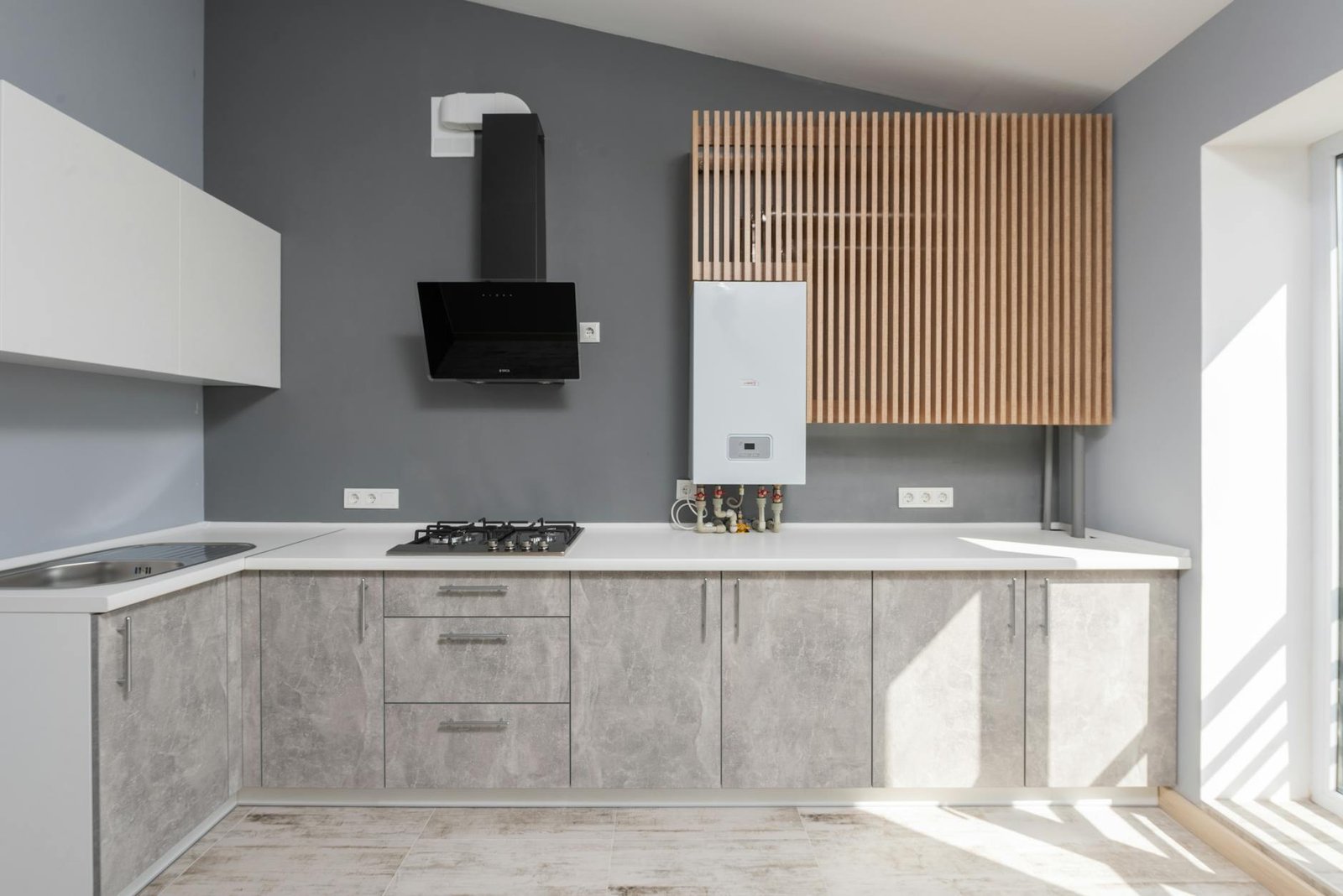
Mastering Kitchen Ventilation: A Beginner’s Guide to Range Hoods
As a stove expert, I can attest that a well-designed kitchen ventilation system is essential for a safe, healthy, and enjoyable cooking experience. Kitchen ventilation plays a critical role in removing airborne pollutants, heat, and moisture from the cooking area, thereby improving indoor air quality and reducing the risk of fire hazards. In this article, we will delve into the world of range hoods and cooktop exhaust systems, exploring their importance, types, and installation considerations.
Importance of Kitchen Ventilation
Kitchen ventilation is often overlooked, but it is a vital component of a functional and safe kitchen. A good ventilation system helps to eliminate cooking fumes, grease particles, and moisture, which can damage kitchen surfaces, appliances, and even compromise the structural integrity of the building. Moreover, poor ventilation can lead to the accumulation of harmful pollutants, such as nitrogen dioxide, carbon monoxide, and particulate matter, which can have adverse health effects. A well-designed ventilation system can mitigate these risks, creating a healthier and more comfortable cooking environment.
Brief Overview of Range Hoods
Range hoods are a common type of kitchen ventilation system, designed to capture and exhaust cooking fumes, heat, and moisture from the cooktop or range. They come in various styles, including under-cabinet, wall-mounted, island, and ductless models. Each type has its pros and cons, which are summarized in the following list:
- Under-cabinet range hoods: compact, easy to install, and affordable, but may not be as effective in capturing cooking fumes.
- Wall-mounted range hoods: more powerful, better at capturing fumes, and offer a sleek, modern design, but may require more complex installation.
- Island range hoods: designed for island cooktops, offering a unique, futuristic look, but can be more expensive and difficult to install.
- Ductless range hoods: energy-efficient, low-maintenance, and easy to install, but may not be as effective in removing cooking fumes and moisture.
In the following sections, we will explore the different types of range hoods and cooktop exhaust systems in more detail, discussing their features, benefits, and installation considerations. By the end of this article, you will have a comprehensive understanding of kitchen ventilation systems and be able to make informed decisions when selecting and installing a range hood or cooktop exhaust system for your kitchen.
Understanding Range Hoods
🔥 Popular on Stove Mastery
Understanding range hoods is crucial for effective kitchen ventilation. A range hood is a device that removes airborne contaminants, such as grease, moisture, and smoke, from the air while cooking. In this section, we will delve into the different types of range hoods, their key components, and the considerations for sizing and installation.
Types of Range Hoods: Ducted, Ductless, and Island Hoods
There are three primary types of range hoods: ducted, ductless, and island hoods. Each type has its pros and cons, and the choice of which one to use depends on the kitchen layout and personal preference.
- Ducted range hoods: These hoods vent outside the house, providing the most effective ventilation. However, they require a duct system and can be more expensive to install.
- Ductless range hoods: These hoods filter the air and recirculate it back into the kitchen, eliminating the need for a duct system. They are less effective than ducted hoods but are more affordable and easier to install.
- Island hoods: These hoods are designed for kitchens with an island cooktop and can be ducted or ductless. They provide excellent ventilation and can be a stylish addition to the kitchen.
Key Components: Filters, Fans, and Motors
A range hood consists of several key components, including filters, fans, and motors. Filters capture grease and particles, while fans provide the airflow to remove contaminants. Motors power the fans, and their quality can affect the overall performance of the range hood.
Range Hood Sizing and Installation Considerations
When selecting a range hood, it is essential to consider the size of the cooktop and the amount of airflow required. A general rule of thumb is to choose a range hood with a fan that can move at least 100 cubic feet per minute (CFM) of air for every 10,000 BTUs of cooktop power. Additionally, the range hood should be installed at a height of 24-30 inches above the cooktop to ensure optimal ventilation.
| Range Hood Size | Cooktop Size | Recommended CFM |
|---|---|---|
| 30 inches | 30-36 inches | 300-400 CFM |
| 36 inches | 36-42 inches | 400-500 CFM |
| 42 inches | 42-48 inches | 500-600 CFM |
By understanding the different types of range hoods, their key components, and the considerations for sizing and installation, you can choose the right range hood for your kitchen and ensure effective ventilation.
Choosing the Right Range Hood for Your Kitchen
Watch: Hauslane Range Hood 30 Inch Review – Is It Worth It?
When it comes to choosing the right range hood for your kitchen, there are several factors to consider to ensure you find the perfect fit for your cooking needs. A well-functioning range hood is essential for maintaining good air quality, reducing odors, and keeping your kitchen clean.
Factors to Consider: Budget, Style, and Performance
Before making a purchase, consider your budget, the style of your kitchen, and the performance you need from your range hood. Range hoods can vary significantly in price, from a few hundred to several thousand dollars. Consider the materials, features, and brand reputation when evaluating the cost. Additionally, think about the style of your kitchen and choose a range hood that complements your decor. Performance is also crucial, as you’ll want a range hood that can effectively capture and remove cooking fumes and particles.
Understanding CFM: What is it and Why is it Important?
Cubic Feet per Minute (CFM) measures the airflow of your range hood. A higher CFM rating indicates a more powerful range hood. To determine the right CFM for your kitchen, consider the size of your kitchen, the type of cooking you do, and the number of burners on your cooktop. A general rule of thumb is to choose a range hood with a CFM rating that is at least 100 CFM per foot of cooktop width. For example, a 30-inch cooktop would require a range hood with a minimum of 300 CFM.
Additional Features: Lighting, Sensors, and Smart Technology
Many modern range hoods come with additional features that can enhance your cooking experience. Some popular features include:
- Lighting: LED lights can provide excellent illumination for your cooktop, making it easier to see what you’re cooking.
- Sensors: Automatic sensors can detect when you’re cooking and adjust the fan speed accordingly.
- Smart Technology: Some range hoods can be integrated with smart home systems, allowing you to control them remotely or schedule maintenance.
When evaluating these features, consider the pros and cons of each. For example, LED lights can be energy-efficient but may not provide the same warmth as traditional lighting. Automatic sensors can be convenient but may not always accurately detect cooking activity.
➤ Read Also: Instant Read Thermometer Probes for Beginners: A Guide to Stovetop and Oven Temperature Measurement
Installation, Maintenance, and Troubleshooting
Proper installation, maintenance, and troubleshooting are crucial to ensure your range hood or cooktop exhaust system operates efficiently and effectively. In this section, we will delve into the specifics of these processes to help you master kitchen ventilation.
Step-by-Step Installation Guide
Installing a range hood or cooktop exhaust system requires attention to detail and adherence to safety protocols. The key steps include:
- Turning off the power supply to the area to prevent electrical shocks
- Mounting the range hood or exhaust system according to the manufacturer’s instructions, ensuring it is level and securely fastened
- Connecting the ductwork, making sure it is properly sealed and insulated to prevent air leaks
- Installing the exhaust fan and connecting it to the power supply, following local electrical codes
Regular Maintenance Tasks for Optimal Performance
Regular maintenance is vital to maintain the performance and longevity of your range hood or cooktop exhaust system. Some essential tasks include:
- Cleaning the filters regularly to prevent grease buildup and ensure proper airflow
- Inspecting the ductwork for damage or blockages, and repairing or replacing it as needed
- Lubricating moving parts, such as fan motors, to reduce wear and tear
Common Issues and Troubleshooting Tips
Some common issues with range hoods and cooktop exhaust systems include inadequate ventilation, noise, and poor airflow. The following table compares some common issues and their solutions:
| Issue | Solution |
|---|---|
| Inadequate ventilation | Check for blockages in the ductwork, ensure proper installation, and consider upgrading to a more powerful fan |
| Noise | Check for loose parts, balance the fan, and consider replacing it if necessary |
| Poor airflow | Clean the filters, check for blockages in the ductwork, and ensure the fan is properly sized for the cooktop or range |
By following these guidelines and troubleshooting tips, you can ensure your range hood or cooktop exhaust system operates efficiently, effectively, and safely.
Mini Case Study: The Case of the Greasy Kitchen
A homeowner in a busy suburban area was struggling with a greasy kitchen, despite regular cleaning. The kitchen was equipped with a powerful gas cooktop, but the range hood seemed inadequate for the task.
The Problem was identified as insufficient ventilation, leading to the accumulation of grease particles in the air. The Diagnosis revealed that the range hood was not designed for the cooktop’s high BTU output, and the exhaust system was not properly configured.
The Solution involved:
- Upgrading to a high-performance range hood with a higher CFM rating
- Installing a dedicated cooktop exhaust system with a grease trap
- Ensuring proper ductwork and exterior venting
With the new ventilation system in place, the kitchen was transformed, and the greasy residue disappeared. The homeowner was able to cook with confidence, knowing that their kitchen was well-ventilated and safe.
Final Thoughts
As we conclude our comprehensive guide to range hoods and cooktop exhaust systems, it’s essential to summarize the key takeaways for mastering kitchen ventilation. Effective ventilation is crucial for maintaining a safe and healthy cooking environment, and with the right system, you can significantly reduce the risks associated with cooking fumes and grease.
Key Considerations
When selecting a range hood or cooktop exhaust system, consider factors such as CFM (cubic feet per minute) rating, noise level, and filter type. A higher CFM rating ensures more efficient airflow, while a lower noise level provides a more comfortable cooking experience. Additionally, choosing the right filter type, such as a charcoal filter or mesh filter, can help minimize grease and odor buildup.
Comparison of Range Hood Types
The following table compares the pros and cons of different range hood types:
| Range Hood Type | Pros | Cons |
|---|---|---|
| Under-Cabinet Range Hood | Space-saving, easy to install | Limited CFM rating, may not be suitable for high-heat cooking |
| Wall-Mount Range Hood | High CFM rating, sleek design | Requires professional installation, may be more expensive |
| Island Range Hood | High CFM rating, versatile design | Requires professional installation, may be more expensive |
Best Practices for Maintenance
To ensure optimal performance and longevity of your range hood or cooktop exhaust system, follow these best practices:
- Regularly clean the filters and grease traps
- Check and replace the filters every 1-3 months
- Ensure proper installation and balancing of the system
- Monitor and maintain the system’s CFM rating and noise level
In conclusion, mastering kitchen ventilation requires careful consideration of range hood and cooktop exhaust system selection, installation, and maintenance. By following the guidelines and best practices outlined in this comprehensive guide, you can create a safe, healthy, and efficient cooking environment that meets your specific needs and preferences.
Frequently Asked Questions
What is the purpose of a range hood in kitchen ventilation?
The purpose of a range hood is to remove airborne contaminants, such as smoke, grease, and moisture, from the air while cooking. This helps to improve indoor air quality and reduce the risk of respiratory problems.
How do I choose the right range hood for my kitchen?
To choose the right range hood, consider factors such as the size of your kitchen, the type of cooking you do, and the level of ventilation needed, as well as the noise level and energy efficiency of the range hood.
What are the different types of cooktop exhaust systems available?
There are several types of cooktop exhaust systems available, including ducted, ductless, and recirculating systems, each with its own advantages and disadvantages, and suitable for different kitchen setups and needs.
How often should I clean and maintain my range hood and cooktop exhaust system?
You should clean and maintain your range hood and cooktop exhaust system regularly, ideally every 1-3 months, to ensure optimal performance, prevent grease buildup, and reduce the risk of fire hazards.