A Beginner’s Guide to Improving Kitchen Air Quality
As a stove expert, I can attest that a well-designed kitchen ventilation system is essential for maintaining a healthy and safe cooking environment. The importance of proper ventilation cannot be overstated, as it plays a critical role in removing airborne pollutants, heat, and moisture from the kitchen. In this article, we will explore the key considerations for optimizing your kitchen ventilation system, providing you with practical tips and expert advice to create a healthier and more efficient cooking space.

Importance of Kitchen Ventilation
Adequate kitchen ventilation is crucial for several reasons. Firstly, it helps to remove harmful pollutants, such as particulate matter, nitrogen dioxide, and carbon monoxide, which are emitted during cooking. These pollutants can have serious health implications, including respiratory problems and cancer. Secondly, ventilation helps to control moisture levels, reducing the risk of mold and mildew growth. Finally, it improves indoor air quality, making the kitchen a more comfortable and pleasant space to cook and socialize.
Some of the key benefits of a well-designed kitchen ventilation system include:
- Improved indoor air quality
- Reduced risk of respiratory problems
- Decreased moisture levels, minimizing the risk of mold and mildew growth
- Enhanced cooking experience, with reduced heat and odor
Brief Overview of the Guide
In this comprehensive guide, we will provide you with a step-by-step approach to optimizing your kitchen ventilation system. We will cover the following topics:
- Ventilation System Types: Overview of the different types of ventilation systems, including ducted and ductless systems, and their pros and cons
- Ventilation System Components: Explanation of the key components, including range hoods, fans, and filters, and how to select the right ones for your kitchen
- Installation and Maintenance: Practical tips and advice on installing and maintaining your kitchen ventilation system, including troubleshooting common issues
By following this guide, you will be able to create a healthier, more efficient, and more enjoyable cooking environment, while also ensuring compliance with local building codes and regulations. Whether you are a homeowner, builder, or kitchen designer, this guide provides the expert knowledge and practical advice you need to optimize your kitchen ventilation system.
Understanding Your Kitchen Ventilation System
🔥 Popular on Stove Mastery
Understanding your kitchen ventilation system is crucial for maintaining a healthy and safe cooking environment. A well-designed ventilation system can remove airborne pollutants, moisture, and heat, making your kitchen a more comfortable and enjoyable space to cook.
Components of a Kitchen Ventilation System
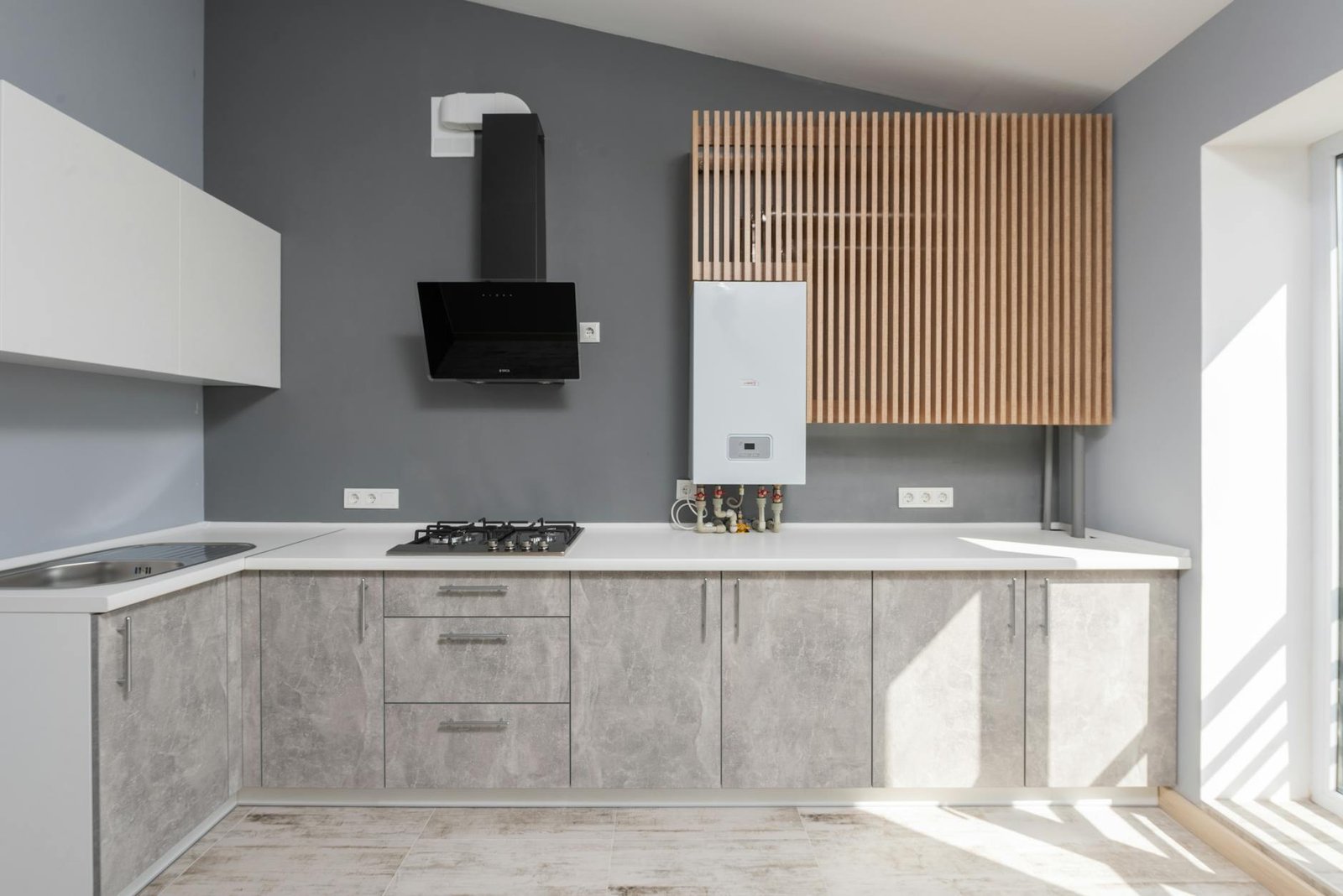
A typical kitchen ventilation system consists of several key components, including a range hood, ductwork, fan, and exhaust vent. The range hood captures pollutants and moisture at the source, while the ductwork transports the air to the outside. The fan provides the necessary airflow, and the exhaust vent releases the air outside.
➤ Read Also: Best Gas Stove: Top Recommendations for Your Kitchen
- Range hood: available in various styles, including under-cabinet, wall-mounted, and island-mounted
- Ductwork: can be rigid or flexible, and may be insulated to reduce noise and heat loss
- Fan: can be axial, centrifugal, or mixed-flow, each with its own strengths and weaknesses
- Exhaust vent: must be installed at a safe distance from windows, doors, and other intake vents
How Kitchen Ventilation Systems Work
Kitchen ventilation systems work by creating a negative pressure area above the cooking surface, which draws in airborne pollutants and moisture. The fan then pushes the air through the ductwork and out the exhaust vent, creating a continuous flow of fresh air into the kitchen. This process helps to remove grease particles, smoke, and cooking fumes, improving indoor air quality and reducing the risk of fire.
Common Types of Kitchen Ventilation Systems
There are several types of kitchen ventilation systems available, each with its own advantages and disadvantages. The most common types include:
| Type | Pros | Cons |
|---|---|---|
| Recirculating | Energy-efficient, low installation cost | Less effective at removing pollutants, may require filter replacement |
| Ducted | Highly effective at removing pollutants, can be more powerful | Higher installation cost, requires ductwork installation |
| Hybrid | Combines benefits of recirculating and ducted systems, can be more flexible | Higher upfront cost, may require more complex installation |
By understanding the components, functionality, and types of kitchen ventilation systems, you can make informed decisions about your kitchen’s ventilation needs and create a healthier, more enjoyable cooking environment.
Optimizing Your Kitchen Ventilation System
Watch: Kitchen Ventilation Hoods You Should Never Buy in 2025
Optimizing your kitchen ventilation system is crucial for a healthier cooking environment. A well-designed ventilation system can remove cooking fumes, grease, and moisture, reducing the risk of respiratory problems and improving indoor air quality. In this section, we will explore the key aspects of optimizing your kitchen ventilation system.
Choosing the Right Ventilation System for Your Kitchen
When selecting a ventilation system, consider the size of your kitchen, cooking habits, and local building codes. There are two primary types of ventilation systems: ducted and ductless. Ducted systems are more effective at removing contaminants, but require more complex installation. Ductless systems, on the other hand, are easier to install and more energy-efficient. Consider the following factors when choosing a ventilation system:
- CFM (cubic feet per minute) rating: Ensure the system can handle the airflow requirements of your kitchen.
- Noise level: Look for systems with low decibel ratings for a quieter cooking experience.
- Filter type: Choose a system with a high-quality filter that can capture grease and particulate matter.
Proper Installation and Maintenance Tips
To ensure optimal performance, proper installation and maintenance are essential. Follow these tips:
- Hire a professional to install the system, ensuring correct ductwork and electrical connections.
- Regularly clean the filters and vents to prevent grease buildup and maintain airflow.
- Check and replace worn-out parts, such as fan motors and bearings, to prevent system failure.
Upgrading or Replacing Your Existing Ventilation System
If your current ventilation system is outdated or inefficient, consider upgrading or replacing it. Compare the pros and cons of different systems, such as:
| System Type | Pros | Cons |
|---|---|---|
| Ducted | Highly effective at removing contaminants, customizable | Complex installation, higher energy consumption |
| Ductless | Easy installation, energy-efficient, low noise | Less effective at removing contaminants, limited airflow |
By choosing the right ventilation system, following proper installation and maintenance tips, and considering upgrades or replacement, you can create a healthier cooking environment and improve your overall kitchen experience.
Maintaining Good Air Quality in the Kitchen
Maintaining good air quality in the kitchen is crucial for a healthier cooking environment. A well-optimized kitchen ventilation system not only removes cooking fumes and odors but also helps to minimize indoor air pollution. In this section, we will discuss the importance of regular maintenance, additional air purification methods, and best practices for minimizing indoor air pollution.
Regular Cleaning and Filter Replacement
Regular cleaning and filter replacement are essential for maintaining good air quality in the kitchen. It is recommended to clean the kitchen ventilation system every 1-3 months, depending on usage. This includes cleaning the hood, filters, and ducts. Additionally, replacing filters every 6-12 months can help to ensure optimal performance. Dirty filters can decrease airflow and reduce the overall efficiency of the ventilation system, leading to poor air quality.
Using Additional Air Purification Methods
In addition to a kitchen ventilation system, using additional air purification methods can help to further improve air quality. Some options include:
- Air purifiers: These can be especially useful in kitchens with limited ventilation or high levels of indoor air pollution.
- Plants: Certain plants, such as spider plants and peace lilies, are known to have air-purifying properties.
- Activated carbon filters: These can be used in conjunction with a kitchen ventilation system to remove odors and gases.
When choosing an additional air purification method, it is essential to consider the pros and cons of each option. For example, air purifiers can be effective but may require regular filter replacement, while plants can be a low-maintenance option but may not be as effective.
Best Practices for Minimizing Indoor Air Pollution
To minimize indoor air pollution, it is essential to follow best practices when cooking. This includes:
- Using gentle cooking methods, such as steaming or stir-frying, instead of frying or broiling.
- Avoiding strong chemicals and cleaning products in the kitchen.
- Regularly cleaning and disinfecting kitchen surfaces.
By following these best practices and maintaining a well-optimized kitchen ventilation system, you can help to create a healthier cooking environment and minimize indoor air pollution.
Mini Case Study: The Case of the Smoky Kitchen
A homeowner in a busy suburban area was experiencing persistent smoke and grease buildup in their kitchen, despite regular cleaning. The issue was not only affecting the aesthetic of the kitchen but also posing health concerns for the family.
The problem was identified as an inefficient kitchen ventilation system. The existing range hood was not powerful enough to handle the amount of cooking being done, leading to poor air quality.
- The diagnosis revealed that the range hood was outdated and needed to be replaced with a more powerful model.
- A new range hood with increased CFM (cubic feet per minute) was installed, along with a more efficient filtration system.
The solution resulted in a significant reduction in smoke and grease buildup, creating a healthier cooking environment for the family. Regular maintenance and cleaning of the new system will ensure its continued effectiveness.
Final Thoughts
In conclusion, optimizing your kitchen ventilation system is crucial for creating a healthier cooking environment. A well-designed ventilation system can significantly reduce indoor air pollution, minimize the risk of respiratory problems, and improve overall kitchen safety.
➤ Read Also: Troubleshooting Your Gas Stove: A Step-by-Step Guide
Recap of Key Takeaways
To achieve a healthier cooking environment, it is essential to consider the following key factors:
- Choose the right type of ventilation system, such as a ducted or ductless range hood, depending on your kitchen layout and cooking habits.
- Ensure proper installation and maintenance of the ventilation system to guarantee optimal performance.
- Regularly clean and replace filters to prevent grease and particle buildup.
- Consider additional features, such as automatic shut-off, variable speed control, and noise reduction, to enhance the overall performance of the ventilation system.
Final Thoughts on Achieving a Healthier Cooking Environment
Achieving a healthier cooking environment requires a comprehensive approach that goes beyond just installing a ventilation system. It is essential to adopt good cooking habits, such as using the ventilation system consistently, avoiding overcrowding the kitchen, and keeping the kitchen clean and well-ventilated. Additionally, considering the pros and cons of different ventilation systems can help you make an informed decision. For example, ducted range hoods are generally more effective at removing pollutants, but they can be more expensive and require more complex installation. On the other hand, ductless range hoods are more affordable and easier to install, but they may not be as effective at removing pollutants.
By following these guidelines and considering your specific kitchen needs, you can create a healthier cooking environment that benefits you and your family. Remember, a well-designed ventilation system is just the starting point – adopting good cooking habits and maintaining your system regularly are crucial to ensuring a safe and healthy kitchen.
| Ventilation System Type | Pros | Cons |
|---|---|---|
| Ducted Range Hood | More effective at removing pollutants, better airflow | More expensive, complex installation |
| Ductless Range Hood | More affordable, easier installation | Less effective at removing pollutants, may require more frequent filter replacement |
Frequently Asked Questions
What are the benefits of optimizing my kitchen ventilation system?
Optimizing your kitchen ventilation system can significantly reduce indoor air pollution and improve the overall health and safety of your cooking environment. By removing grease, moisture, and cooking fumes, you can prevent the growth of harmful bacteria and molds, and create a more pleasant cooking experience.
How often should I clean my kitchen ventilation system?
It is recommended to clean your kitchen ventilation system every 1-3 months, depending on usage, to ensure it continues to function efficiently and effectively.
What are the key components of a kitchen ventilation system that need to be optimized?
The key components of a kitchen ventilation system that need to be optimized include the range hood, ductwork, fans, and filters, all of which work together to capture and remove cooking fumes, grease, and moisture from the air.
Can a poorly maintained kitchen ventilation system affect my health?
Yes, a poorly maintained kitchen ventilation system can pose serious health risks, including respiratory problems, such as asthma and other breathing difficulties, due to the accumulation of airborne pollutants, grease, and moisture in the kitchen environment.