Troubleshooting Your Stove: A Step-by-Step Guide to Fixing Common Problems
As a home cook, having a reliable and efficient gas stove is essential for preparing delicious meals. With numerous options available in the market, choosing the right gas stove can be overwhelming, especially for those who are new to cooking or have limited experience with gas stoves. In this comprehensive guide, we will walk you through the process of buying and maintaining a gas stove, covering key factors to consider, features to look for, and tips for optimal performance.
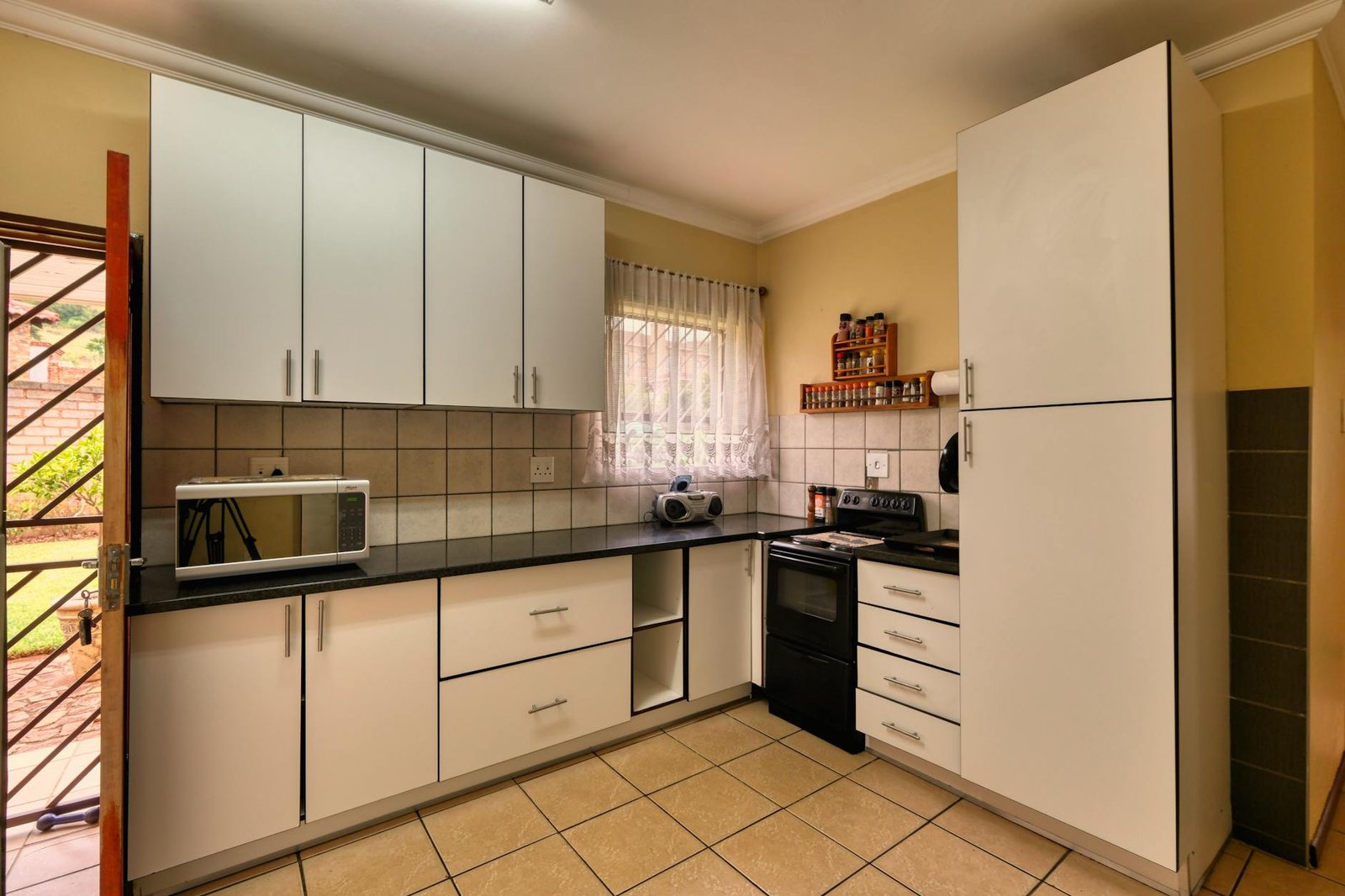
A gas stove is a significant investment for any home cook, and it’s crucial to make an informed decision. Key considerations include the type of cooking you’ll be doing, the size of your kitchen, and your budget. Whether you’re a busy professional or an avid cook, a gas stove can provide the flexibility and control you need to prepare a wide range of dishes. From simmering sauces to searing meat, a gas stove offers the precision and power to achieve perfect results.
Benefits of Gas Stoves
Gas stoves have several advantages over electric stoves, including faster heat-up times, more precise temperature control, and energy efficiency. Additionally, gas stoves are often preferred by professional chefs and home cooks alike due to their ability to provide a consistent and reliable flame. When compared to electric stoves, gas stoves also offer a more authentic cooking experience, with the ability to cook with a live flame.
Some of the key benefits of gas stoves include:
- Faster cooking times
- More precise temperature control
- Energy efficiency
- Consistent and reliable flame
- Authentic cooking experience
In the following sections, we will delve into the details of buying and maintaining a gas stove, including factors to consider when selecting a stove, features to look for, and tips for optimal performance and maintenance.
Identifying Common Issues
As a home cook, it’s essential to be able to identify common issues with your gas stove to ensure optimal performance and safety. In this section, we’ll explore two of the most common problems that can arise with gas stoves: faulty ignition systems and uneven heating and flame issues.
Faulty Ignition Systems
A faulty ignition system can be frustrating and potentially hazardous. Common issues with ignition systems include faulty igniters and spark problems. To diagnose the problem, check the following:
- Igniter electrodes for wear or damage
- Spark generators for proper function
- Ignition system wiring for damage or corrosion
If you’ve identified a faulty igniter or spark problem, you can try replacing the igniter electrode or spark generator. However, if the issue persists, it’s recommended to consult a professional for further assistance.
Uneven Heating and Flame Issues
Uneven heating and flame problems can be caused by a variety of factors, including dirty or clogged burners, improperly adjusted burner caps, or low gas pressure. To resolve these issues, try the following:
- Clean your stove’s burners and burner caps regularly to ensure proper gas flow
- Adjust your burner caps to ensure proper flame distribution
- Check your gas pressure to ensure it’s within the recommended range
By following these steps, you can identify and resolve common issues with your gas stove, ensuring optimal performance and safety in the kitchen. Remember to always follow proper safety precautions when working with gas appliances, and consult a professional if you’re unsure about any aspect of maintenance or repair.
Advanced Troubleshooting Techniques
Watch: Top 5 Reasons Gas Oven Won’t Heat — Gas Range Troubleshooting
As a home cook, it’s essential to have a well-functioning gas stove to prepare delicious meals. However, like any other appliance, gas stoves can encounter issues that require advanced troubleshooting techniques. In this section, we’ll delve into the world of advanced troubleshooting, covering topics such as checking and replacing faulty parts, and troubleshooting electronic controls and sensors.
Checking and Replacing Faulty Parts
To keep your stove in top condition, it’s crucial to inspect and replace faulty parts regularly. Some of the most common parts that require replacement include burner caps, igniters, and thermocouples. When inspecting these parts, look for signs of wear and tear, such as rust, corrosion, or damage. If you find any issues, replace the parts immediately to prevent further damage. Here are some steps to follow:
- Turn off the gas supply to the stove before starting the inspection.
- Remove the burner caps and inspect them for any blockages or damage.
- Check the igniters for any signs of wear or corrosion.
- Inspect the thermocouples for any damage or corrosion.
Troubleshooting Electronic Controls and Sensors
Modern gas stoves come equipped with electronic controls and sensors that can sometimes malfunction. When troubleshooting these issues, it’s essential to diagnose the problem correctly to avoid replacing unnecessary parts. Some common issues with electronic controls and sensors include faulty timers, thermistors, and other components. Here’s a comparison of the pros and cons of different troubleshooting methods:
| Method | Pros | Cons |
|---|---|---|
| Checking the user manual | Easy to follow, cost-effective | May not cover all issues, time-consuming |
| Online research | Quick access to information, wide range of resources | May not be reliable, overwhelming amount of information |
| Calling a professional | Expert advice, quick resolution | Costly, may not be available 24/7 |
By following these advanced troubleshooting techniques, you’ll be able to identify and fix issues with your gas stove, ensuring it continues to function efficiently and effectively. Remember to always follow safety guidelines when working with gas appliances, and don’t hesitate to seek professional help if you’re unsure about any aspect of the troubleshooting process.
Maintenance and Prevention
As a crucial aspect of owning a gas stove, maintenance and prevention play a significant role in ensuring the appliance runs efficiently and safely. In this section, we will delve into the essential practices and precautions to follow.
Regular Cleaning and Maintenance
To prevent common problems and maintain your gas stove’s performance, regular cleaning and maintenance are vital. This includes:
- Daily cleaning of the burners, drip pans, and exterior surfaces to prevent food residue and grime buildup
- Weekly inspection of the igniter, burner caps, and gas tubes to ensure they are free from debris and blockages
- Monthly deep cleaning of the oven and stove surfaces to remove tough stains and grime
Regular maintenance also involves checking and replacing worn-out or damaged parts, such as burner caps, igniters, or gas tubes. This helps prevent gas leaks, uneven heating, and other issues that can lead to safety hazards or reduced performance.
Safety Precautions and Best Practices
To ensure safe and efficient use of your gas stove, it is essential to follow proper safety precautions and best practices. These include:
- Proper ventilation: Ensure your kitchen is well-ventilated to prevent the accumulation of gas fumes and reduce the risk of explosions or fires
- Emergency procedures: Keep a fire extinguisher nearby and know how to respond in case of a gas leak or fire
- Regular inspections: Schedule annual inspections by a professional to detect and address potential issues before they become major problems
Additionally, it is crucial to follow the manufacturer’s guidelines for maintenance, repair, and replacement of parts. By adhering to these safety precautions and best practices, you can enjoy a safe and efficient cooking experience with your gas stove.
Mini Case Study: The Case of the Inconsistent Burners
A home cook, Sarah, noticed that her gas stove’s burners were producing inconsistent flames, affecting her cooking results. She observed that some burners had low flames, while others had high flames, even when the knobs were set to the same position.
The Problem was uneven heat distribution, leading to undercooked or overcooked meals. The Diagnosis revealed that the issue was due to clogged burner ports and worn-out igniter electrodes.
The Solution involved:
- Cleaning the burner ports with a toothbrush and soap solution
- Replacing the worn-out igniter electrodes with new ones
- Adjusting the burner knobs to ensure proper alignment
After implementing these steps, Sarah’s gas stove burners produced consistent, even flames, and her cooking results improved significantly. Regular maintenance and prompt troubleshooting helped her avoid further issues and ensured a safe, efficient cooking experience.
Final Thoughts
As we conclude this comprehensive guide to buying and maintaining a gas stove for home cooks, it’s essential to summarize the key takeaways to ensure you make an informed decision and get the most out of your appliance. Throughout this guide, we’ve covered the crucial aspects of selecting the right gas stove, installation, maintenance, and troubleshooting common issues.
Key Considerations
When buying a gas stove, it’s vital to consider factors such as your cooking style, the number of burners you need, and the type of ignition system that suits you best. Additionally, think about the material and finish of the stove, as well as any additional features you may require, such as a wok burner or simmer function.
Maintenance and Troubleshooting
To ensure your gas stove remains in good working condition, regular maintenance is crucial. This includes cleaning the burners and igniter, checking and replacing the gas hose, and inspecting the stove’s electrical connections. By following these simple steps, you can prevent common issues such as uneven heating, burner failure, and gas leaks. If you do encounter a problem, refer to your user manual or contact a professional for assistance.
In summary, buying and maintaining a gas stove requires careful consideration and regular upkeep. By choosing the right stove for your needs, following proper installation and maintenance procedures, and troubleshooting common issues, you can enjoy a safe, efficient, and enjoyable cooking experience. Some key benefits of gas stoves include:
- Energy efficiency: Gas stoves provide instant heat and can be more energy-efficient than electric stoves.
- Precise temperature control: Gas stoves offer precise control over the flame, allowing for more accurate temperature adjustments.
- Cooking versatility: Gas stoves can accommodate a variety of cookware and cooking techniques, from simmering sauces to searing meat.
By investing in a high-quality gas stove and following the guidelines outlined in this guide, you’ll be well on your way to becoming a confident and skilled home cook.
Frequently Asked Questions
What are the key factors to consider when buying a gas stove for home cooking?
When buying a gas stove, consider the size, number of burners, ignition type, and safety features that fit your cooking needs and budget. Additionally, check the energy efficiency and durability of the stove.
How often should I clean and maintain my gas stove to ensure optimal performance?
Regular cleaning and maintenance of your gas stove is crucial, ideally after every use, to prevent food residue buildup and ensure safe operation.
What safety precautions should I take when using a gas stove at home?
To ensure safe use of your gas stove, always follow the manufacturer’s instructions, keep the area around the stove clear of flammable materials, and never leave cooking unattended.
Can I install a gas stove myself, or do I need to hire a professional?
It’s highly recommended to hire a professional to install your gas stove, as improper installation can lead to safety hazards and performance issues, and may also void the manufacturer’s warranty.