Stovetop Maintenance for Beginners: Cleaning and Troubleshooting Tips
As a home cook, your stovetop is likely the heart of your kitchen, where meals are crafted and memories are made. However, with frequent use, stovetops can become worn out, leading to decreased performance, safety hazards, and even costly repairs. Regular maintenance and timely repairs are essential to extend the lifespan of your stovetop, ensure your safety, and optimize your cooking experience.

Mastering stovetop maintenance and repair requires a basic understanding of the components, common issues, and troubleshooting techniques. In this article, we will delve into the world of stovetop maintenance and repair, providing you with the knowledge and skills to keep your stovetop in top condition. Whether you’re a beginner or an experienced home cook, this guide will walk you through the process of identifying and addressing common problems, such as faulty burners, damaged cooktops, and malfunctioning ignitions.
By the end of this article, you will be equipped with the expertise to perform routine maintenance tasks, such as cleaning and inspecting your stovetop, and tackling minor repairs, like replacing worn-out parts or adjusting burner caps. You will also learn how to troubleshoot common issues, identify potential safety hazards, and determine when it’s time to call a professional for more complex repairs.
Common Stovetop Types and Their Unique Maintenance Requirements
Stovetops come in various types, including gas, electric, and induction. Each type has its unique maintenance requirements and potential issues. For example, gas stovetops require regular cleaning of the burners and igniter, while electric stovetops need their coils and drip pans cleaned and replaced as needed. Induction stovetops, on the other hand, require special care to avoid scratching the cooktop surface.
Understanding the specific maintenance needs of your stovetop type is crucial to preventing common problems and ensuring optimal performance. In the following sections, we will explore the maintenance and repair requirements for each stovetop type in more detail, providing you with the knowledge and skills to become a stovetop master and keep your kitchen running smoothly.
Understanding Stovetop Components
🔥 Popular on Stove Mastery
As a home cook, understanding the components of your stovetop is essential for effective maintenance and repair. In this section, we will break down the key elements of stovetops, helping you to identify and address potential issues.
Stovetop Types and Materials
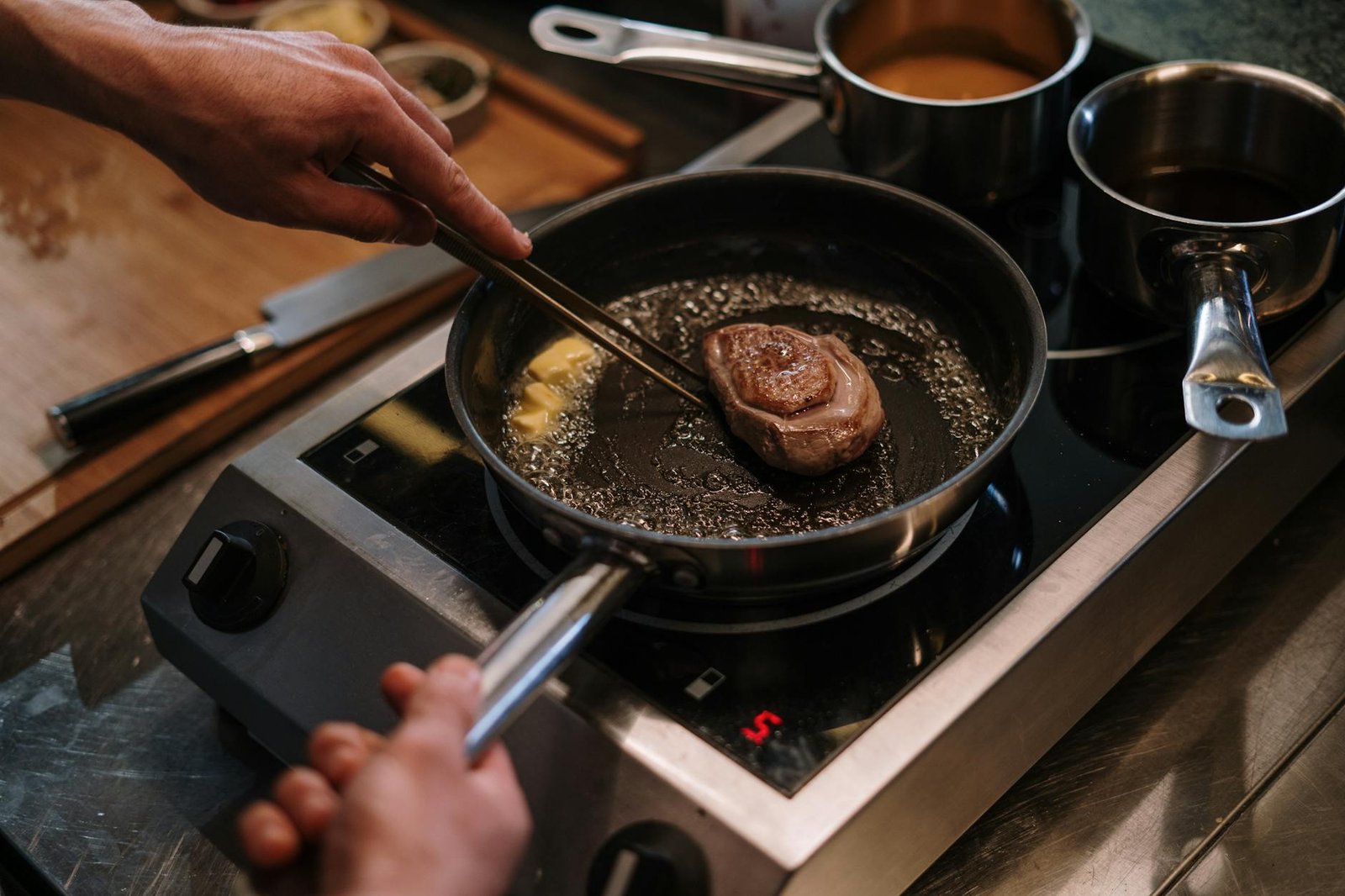
Stovetops come in various types, including gas, electric, and induction. Each type has its unique characteristics, advantages, and disadvantages. For instance, gas stovetops offer precise control over heat, while electric stovetops are generally easier to clean. Induction stovetops, on the other hand, are energy-efficient and safe, but may require specific cookware.
| Stovetop Type | Pros | Cons |
|---|---|---|
| Gas | Precise heat control, fast cooking times | May be hazardous if not installed properly, requires regular maintenance |
| Electric | Easier to clean, affordable | Less heat control, slower cooking times |
| Induction | Energy-efficient, safe, fast cooking times | Requires specific cookware, may be noisy |
Key Components: Burners, Ignition, and Controls
The key components of a stovetop include burners, ignition systems, and controls. Burners are responsible for producing the flame or heat, while ignition systems light the burners. Controls, such as knobs or buttons, regulate the heat output. Understanding these components is crucial for troubleshooting and repair.
- Burners: Gas stovetops have open flames, while electric stovetops have coil or ceramic elements. Induction stovetops use electromagnetic fields to heat cookware.
- Ignition: Gas stovetops typically use pilot lights or electric ignitions, while electric stovetops use resistive heating elements.
- Controls: Knobs, buttons, or touchscreens control the heat output, with some models featuring advanced features like timer functions or child safety locks.
By familiarizing yourself with these components, you’ll be better equipped to maintain and repair your stovetop, ensuring optimal performance and longevity.
Cleaning and Maintenance Tips
Watch: The Best Way to Clean Your Gas Cooktop!
As a stovetop expert, I emphasize the importance of regular cleaning and maintenance to ensure your stove remains in top working condition. A well-maintained stove not only performs better but also lasts longer and reduces the risk of accidents. In this section, we will delve into the essential cleaning and maintenance tips to help you master stovetop maintenance and repair.
Daily and Weekly Cleaning Routines
To keep your stove clean and hygienic, establish a daily and weekly cleaning routine. After each use, wipe down the stovetop with a damp cloth to remove food residue and splatters. For tougher stains, mix baking soda and water to create a paste, and apply it to the affected area. Let it sit for 30 minutes before scrubbing and rinsing with warm water.
- Daily: Wipe down the stovetop with a damp cloth after each use
- Weekly: Deep clean the burners, drip pans, and exterior with a gentle cleanser and a soft brush
Deep Cleaning Techniques for Tough Stains
For tough stains, such as burnt-on food or grime buildup, use a more aggressive cleaning approach. Apply a stovetop cleaner or a mixture of equal parts water and white vinegar to the affected area. Let it sit for several hours or overnight before scrubbing and rinsing with warm water. For particularly stubborn stains, use a scouring pad or a stainless steel cleaner with caution to avoid scratching the surface.
Preventing Clogs and Blockages
To prevent clogs and blockages in your stove’s burners and drip pans, regular maintenance is crucial. Check and clean the burners and drip pans every 1-2 months, depending on usage. Use a small brush or a toothbrush to remove food particles and debris from the burner ports and drip pan holes. Additionally, consider using a stove liner or a drip pan liner to catch spills and make cleaning easier.
| Method | Pros | Cons |
|---|---|---|
| Stove liner | Easily removable and disposable, catches spills | May not fit all stove models, can be expensive |
| Drip pan liner | Cheap and easy to install, effective at catching spills | May not be as durable as a stove liner, can be difficult to clean |
By following these cleaning and maintenance tips, you’ll be able to keep your stove in top condition, ensuring a safe and efficient cooking experience.
Troubleshooting Common Stovetop Issues
As a home cook, encountering issues with your stovetop can be frustrating and disrupt your cooking routine. In this section, we will delve into common stovetop problems and provide practical solutions to get you back to cooking in no time.
Identifying and Fixing Faulty Ignition Systems
A faulty ignition system can prevent your burners from lighting, making it impossible to cook. To troubleshoot, check the ignition switch, spark electrode, and wiring for any signs of damage or wear. If you have a gas stovetop, ensure the gas supply is turned on and the regulator is functioning correctly. For electric stovetops, check the igniter module and replace it if necessary.
- Check the ignition switch for loose connections or corrosion
- Inspect the spark electrode for damage or wear
- Verify the wiring is secure and not damaged
Resolving Burner and Flame Issues
Burner and flame issues can affect the performance and safety of your stovetop. If you notice uneven flames, yellow flames, or a weak burner, it may be due to a clogged burner cap or base. Clean the burner cap and base regularly to prevent debris buildup. For persistent issues, consider replacing the burner or adjusting the air shutter.
| Issue | Cause | Solution |
|---|---|---|
| Uneven flames | Clogged burner cap or base | Clean the burner cap and base |
| Yellow flames | Incorrect air-to-gas ratio | Adjust the air shutter |
Electrical and Gas Safety Precautions
When troubleshooting or repairing your stovetop, it is essential to take necessary safety precautions to avoid electrical shock or gas leaks. Always turn off the power or gas supply before starting work, and use a multimeter to test for voltage. Additionally, ensure you have a carbon monoxide detector installed in your kitchen to alert you to any potential gas leaks.
- Turn off the power or gas supply before starting work
- Use a multimeter to test for voltage
- Install a carbon monoxide detector in your kitchen
Advanced Repair Techniques
As a home cook, it’s essential to know how to perform advanced repair techniques to keep your stovetop in top condition. In this section, we’ll cover the most critical methods to get you back to cooking in no time.
Replacing Burner Caps and Grates
Over time, burner caps and grates can become worn out or damaged, affecting the performance of your stovetop. To replace them, you’ll need to:
- Purchase replacement parts from the manufacturer or a reputable supplier
- Turn off the power to the stovetop and let it cool down
- Remove the old burner caps and grates, taking note of any screws or clips holding them in place
- Install the new parts, ensuring they’re securely fastened and aligned properly
When replacing burner caps and grates, consider the pros and cons of different materials, such as:
| Material | Pros | Cons |
|---|---|---|
| Stainless Steel | Durable, easy to clean | Can be noisy, expensive |
| Cast Iron | Heat retention, aesthetic appeal | Heavy, requires seasoning |
Fixing Loose or Damaged Connections
Loose or damaged connections can be a fire hazard and affect the performance of your stovetop. To fix them, you’ll need to:
- Identify the source of the issue, whether it’s a loose screw or damaged wire
- Turn off the power to the stovetop and let it cool down
- Tighten any loose connections or replace damaged wires
- Test the stovetop to ensure the issue is resolved
When fixing loose or damaged connections, it’s essential to be meticulous and patient to avoid causing further damage.
When to Call a Professional for Assistance
While many repair tasks can be handled by home cooks, there are situations where it’s best to call a professional for assistance. These include:
- Gas leaks: If you suspect a gas leak, evacuate the area and call a professional immediately
- Electrical issues: If you’re not comfortable working with electrical components, it’s best to leave it to a professional
- Complex repairs: If the repair requires specialized tools or expertise, it’s best to call a professional to avoid causing further damage
Remember, safety should always be your top priority when working with your stovetop. If in doubt, it’s always best to err on the side of caution and seek professional assistance.
Mini Case Study: The Case of the Sputtering Stovetop Burner
A home cook, frustrated with her gas stovetop’s inconsistent performance, reached out for help. The issue: one burner would sputter and struggle to maintain a steady flame, making cooking a challenge.
The Diagnosis revealed a clogged burner cap and food debris accumulated in the burner ports. This blockage restricted gas flow, causing the sputtering flame.
The Solution was straightforward:
- Remove and clean the burner cap and ports with a soft brush and soap.
- Dry the components thoroughly before reassembling.
- Check and adjust the burner cap to ensure proper alignment and gas flow.
With the burner cap and ports cleared, the stovetop burner roared back to life, providing a steady, consistent flame. The home cook was thrilled to have her stovetop functioning properly once again, making meal prep a breeze.
Final Thoughts
As a home cook, mastering stovetop maintenance and repair is essential to ensure your cooking experience is safe, efficient, and enjoyable. Throughout this article, we have explored the key aspects of stovetop maintenance, including cleaning, troubleshooting, and repairing common issues. By following the guidelines and tips outlined, you can extend the lifespan of your stovetop, prevent costly repairs, and maintain a clean and hygienic cooking environment.
Key Takeaways
To recap, the most critical aspects of stovetop maintenance include regular cleaning, prompt attention to issues, and proper repair techniques. By adopting these practices, you can:
- Prevent the buildup of grime and food residue, which can lead to stubborn stains and unpleasant odors
- Identify and address common issues, such as faulty burners, faulty ignitions, or damaged cooktops, before they become major problems
- Perform routine maintenance tasks, like checking and replacing worn-out parts, to ensure your stovetop operates smoothly and efficiently
Best Practices for Ongoing Maintenance
To maintain your stovetop in optimal condition, it is essential to establish a regular maintenance routine. This includes:
- Daily cleaning: wipe down the stovetop and burners after each use to prevent grime and food residue buildup
- Weekly inspections: check the stovetop, burners, and ignitions for signs of wear or damage
- Monthly deep cleaning: perform a thorough cleaning of the stovetop, including the burners, ignitions, and surrounding areas
By following these best practices and staying proactive with maintenance and repair, you can enjoy a safe, efficient, and enjoyable cooking experience with your stovetop. Remember, a well-maintained stovetop is not only a matter of convenience but also a crucial aspect of kitchen safety. By taking the time to master stovetop maintenance and repair, you can ensure a positive cooking experience for years to come.
Frequently Asked Questions
What are the basic steps for cleaning my stovetop?
To clean your stovetop, start by removing any debris or food particles, then mix baking soda and water to create a paste, and apply it to the surface. Let it sit for 30 minutes before wiping it off with a damp cloth.
How often should I replace my stovetop burners?
You should replace your stovetop burners every 5-7 years or when they show signs of wear, such as rust, corrosion, or uneven heating.
What are some common issues with stovetop ignitions and how can I troubleshoot them?
Common issues with stovetop ignitions include faulty igniter electrodes, clogged burner ports, or a malfunctioning ignition switch. To troubleshoot, try cleaning the igniter electrode, checking the burner ports for blockages, or replacing the ignition switch if necessary.
Can I repair a cracked or damaged stovetop glass surface?
While it’s possible to repair a cracked or damaged stovetop glass surface, it’s often more cost-effective and safer to replace the entire glass top, as repairs can be temporary and may not withstand high temperatures or heavy use.