Optimizing Cookware for Induction Stoves: A First-Time Buyer’s Guide
As a stove expert, I have had the opportunity to work with various types of cooking ranges, and one technology that has gained popularity in recent years is induction cooking. In this article, we will delve into the world of induction stoves, exploring what they are, their benefits, and what makes them a great option for home cooks and professional chefs alike.

What is an Induction Stove?
An induction stove uses electromagnetic fields to heat up cookware directly, providing a fast, efficient, and safe way to cook. This technology is different from traditional gas or electric stoves, which use flames or heating elements to warm up cookware. Induction stoves are designed to work with specific types of cookware, such as cast iron or stainless steel, that are made of ferromagnetic materials. When a compatible pot or pan is placed on the stove, the electromagnetic field induces an electrical current in the cookware, generating heat.
The key components of an induction stove include the coil, capacitor, and control unit. The coil is responsible for generating the electromagnetic field, while the capacitor stores energy and helps to regulate the flow of current. The control unit manages the stove’s settings, including power levels and timer functions.
Benefits of Induction Cooking
Induction cooking offers several benefits, including energy efficiency, safety, and speed. Here are some of the advantages of using an induction stove:
- Energy Efficiency: Induction stoves use less energy than traditional stoves, as they directly heat the cookware, reducing heat loss and energy consumption.
- Safety: Induction stoves are safer than traditional stoves, as they do not have an open flame or hot surfaces, reducing the risk of burns and fires.
- Speed: Induction stoves heat up cookware quickly, allowing for faster cooking times and greater control over the cooking process.
- Easy Cleaning: Induction stoves have a flat, smooth surface that is easy to clean and maintain, reducing the risk of food and debris accumulation.
Overall, induction stoves offer a convenient, efficient, and safe way to cook, making them a great option for those looking to upgrade their cooking experience.
Understanding Induction Cookware
🔥 Popular on Stove Mastery
Induction cooking has gained popularity in recent years due to its energy efficiency, safety, and speed. However, to fully utilize the benefits of induction cooking, it’s essential to understand the type of cookware that’s compatible with this technology. In this section, we’ll delve into the world of induction cookware, exploring the materials and characteristics that make it suitable for induction cooking.
Materials Suitable for Induction Cooking
Not all cookware is created equal when it comes to induction cooking. The cookware must be made of a ferromagnetic material, which means it’s capable of being magnetized. The most common materials suitable for induction cooking are:
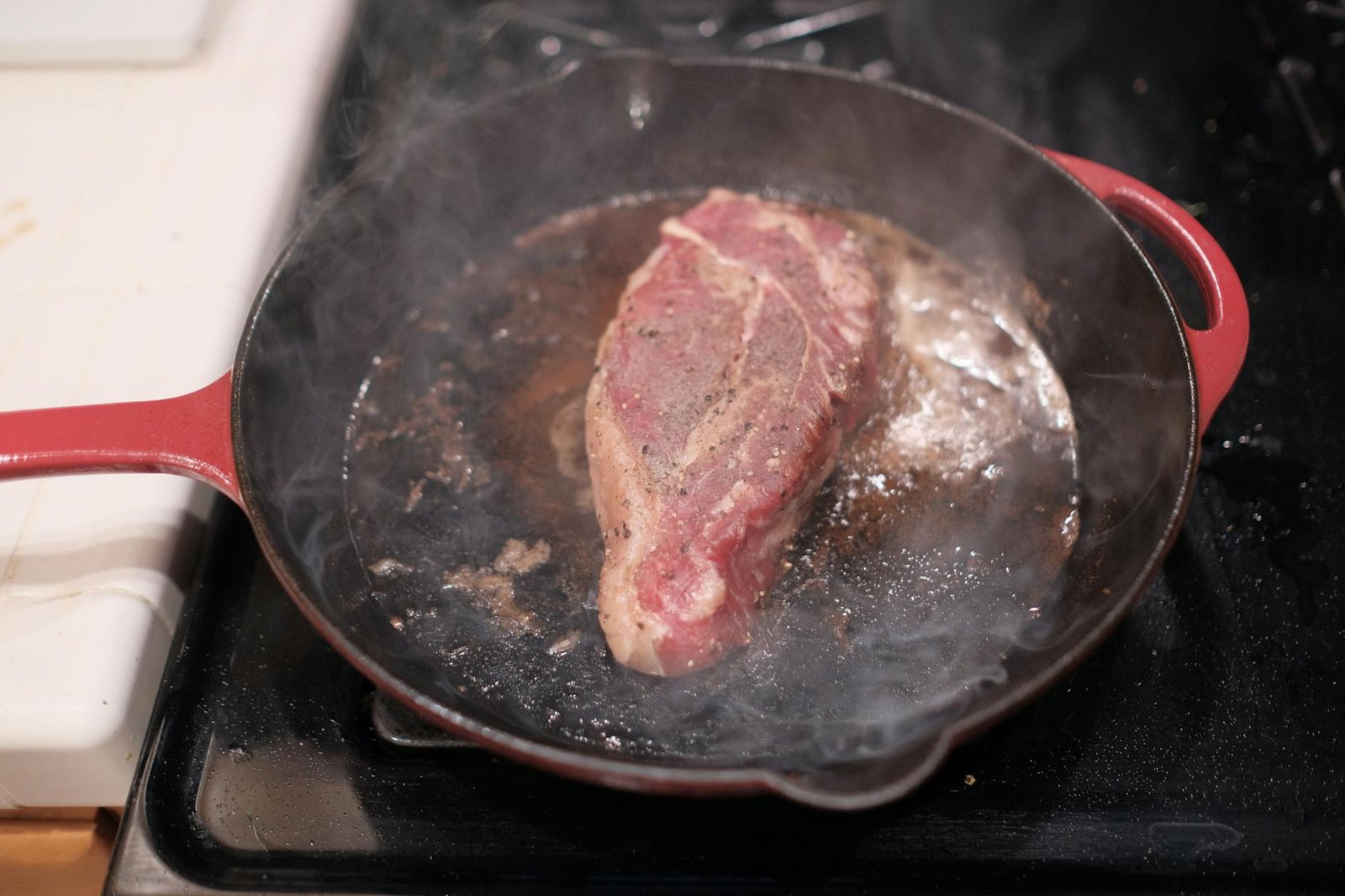
- Cast iron: A popular choice for induction cooking, cast iron is an excellent heat conductor and can withstand high temperatures.
- Stainless steel: Many stainless steel cookware sets are compatible with induction cooking, but it’s essential to check the specific material composition, as some may not contain enough ferromagnetic properties.
- Carbon steel: Similar to cast iron, carbon steel is a good conductor of heat and can be used for induction cooking.
On the other hand, materials like aluminum, copper, and glass are not suitable for induction cooking, as they don’t possess the necessary ferromagnetic properties.
Key Characteristics of Induction Cookware
When selecting induction cookware, there are several key characteristics to look for. These include:
- Flat bottom: A flat bottom ensures that the cookware makes good contact with the induction coil, allowing for efficient heat transfer.
- Thickness: Thicker cookware tends to perform better on induction cooktops, as it can distribute heat more evenly.
- Material composition: As mentioned earlier, the material composition is crucial for induction cooking. Look for cookware with a high percentage of ferromagnetic materials.
By understanding the materials and characteristics that make cookware suitable for induction cooking, you can make an informed decision when selecting the right cookware for your needs. Remember to always check the manufacturer’s specifications to ensure compatibility with your induction cooktop.
Choosing the Right Cookware for Your Induction Stove
Watch: Let’s talk induction.
Factors to Consider When Buying Induction Cookware
When choosing the right cookware for your induction stove, there are several factors to consider. Firstly, the material of the cookware is crucial. Induction stoves require cookware made from ferromagnetic materials, such as cast iron or stainless steel, as these materials can conduct magnetic fields. Non-stick coatings and copper or aluminum bases are not compatible with induction stoves.
Another important factor to consider is the thickness and weight of the cookware. Thicker and heavier cookware tends to distribute heat more evenly, reducing hotspots and scorching. Additionally, the size and shape of the cookware should be compatible with your induction stove’s cooking surface.
- Material: Ferromagnetic materials, such as cast iron or stainless steel
- Thickness and weight: Thicker and heavier cookware for even heat distribution
- Size and shape: Compatible with your induction stove’s cooking surface
Popular Brands and Products for Induction Stoves
Some popular brands and products for induction stoves include All-Clad, Le Creuset, and Anolon. These brands offer a range of cookware options, from stainless steel and cast iron to non-stick coated cookware. When comparing these products, consider the pros and cons of each:
| Brand | Product | Pros | Cons |
|---|---|---|---|
| All-Clad | Stainless Steel Cookware Set | Durable, non-reactive, and easy to clean | Expensive, may require seasoning |
| Le Creuset | Cast Iron Cookware Set | Colorful, durable, and excellent heat retention | Heavy, may require seasoning, and expensive |
| Anolon | Non-Stick Coated Cookware Set | Easy to clean, non-stick surface, and affordable | Less durable, may not be compatible with high heat |
Ultimately, the right cookware for your induction stove will depend on your personal preferences, cooking style, and budget. By considering these factors and comparing popular brands and products, you can make an informed decision and enjoy efficient and effective cooking with your induction stove.
Safety Precautions and Maintenance Tips
Safety Guidelines for Induction Cooking
Induction cooking is a safe and efficient way to prepare meals, but it’s essential to follow some guidelines to avoid accidents. When using an induction cooktop, make sure to use cookware made of ferromagnetic materials, such as cast iron or stainless steel, as they are compatible with induction cooking. Avoid using aluminum, copper, or glass cookware as they are not compatible and may cause damage to the cooktop.
Additionally, keep a safe distance from the cooktop while it’s in operation, and never leave it unattended. It’s also crucial to keep children away from the cooktop, as they may accidentally turn it on or get burned. Always turn off the cooktop when not in use, and ensure that the cookware is removed from the cooktop to avoid any accidental start-ups.
- Use a trivet or heat-resistant mat to protect the cooktop from spills and splatters.
- Avoid overheating, as it can cause damage to the cooktop or start a fire.
- Never use metal utensils, as they can scratch the cooktop or cause sparks.
Cleaning and Maintaining Your Induction Cookware
Proper cleaning and maintenance of your induction cookware are essential to ensure its longevity and performance. After each use, clean the cookware with soap and water to remove any food residue. For tougher stains, use a gentle scrubber and avoid using abrasive cleaners or scouring pads, as they can damage the cookware.
Regularly check your cookware for any signs of damage, such as cracks or chips, and replace it if necessary. It’s also essential to dry the cookware thoroughly after cleaning to prevent water spots and bacterial growth. For non-stick cookware, avoid using metal utensils, as they can scratch the non-stick coating.
Comparing different types of induction cookware, stainless steel is a popular choice due to its durability and ease of cleaning. However, it can be noisy and may require more maintenance than other materials. Non-stick cookware, on the other hand, is easy to clean and quiet, but it may not be as durable as stainless steel.
| Cookware Material | Pros | Cons |
|---|---|---|
| Stainless Steel | Durable, easy to clean | Noisy, requires maintenance |
| Non-stick | Easy to clean, quiet | Less durable, may require replacement |
Mini Case Study: The Case of the Uneven Oven at 350°F
A homeowner in suburban Chicago contacted me about their oven, which was not heating evenly at 350°F. The issue was causing uneven cooking results and making it difficult to achieve the perfect bake.
Problem: The oven was preheating to the correct temperature, but the heat distribution was inconsistent, leading to undercooked or overcooked areas in baked goods.
Diagnosis: After inspecting the oven, I found that the issue was caused by a faulty heating element and incorrect oven calibration. I also noticed that the oven’s insulation was worn out, allowing heat to escape.
Solution:
- Replaced the faulty heating element with a new one
- Calibrated the oven to ensure accurate temperature readings
- Replaced the worn-out insulation to improve heat retention
With these repairs, the oven was able to heat evenly at 350°F, and the homeowner was able to achieve perfect baking results.
Final Thoughts
In conclusion, as a stove expert, it’s clear that the world of stoves has evolved significantly over the years, offering a wide range of options to suit various needs and preferences. When it comes to choosing the right stove, there are several factors to consider, including fuel type, cooking power, safety features, and maintenance requirements.
Whether you’re a professional chef or a home cook, selecting the right stove can make a significant difference in your cooking experience. With the numerous options available in the market, it’s essential to weigh the pros and cons of each type of stove to make an informed decision. For instance, gas stoves offer precise control over flame and heat, while electric stoves provide ease of use and low maintenance. On the other hand, induction stoves offer energy efficiency and safety, but may require specific cookware.
Key Considerations
- Fuel Type: Consider the cost, availability, and environmental impact of different fuel types, such as gas, electricity, or induction.
- Cooking Power: Assess the stove’s ability to distribute heat evenly and provide sufficient power for your cooking needs.
- Safety Features: Look for stoves with built-in safety features, such as automatic shut-off, child safety locks, and heat-resistant materials.
- Maintenance Requirements: Consider the ease of cleaning, durability, and replacement parts availability when choosing a stove.
Ultimately, the right stove for you will depend on your specific needs, cooking style, and personal preferences. By carefully evaluating these factors and considering the pros and cons of each option, you can make an informed decision and find the perfect stove to enhance your cooking experience.
| Stove Type | Pros | Cons |
|---|---|---|
| Gas Stove | Precise control, high heat output | Higher cost, potential safety risks |
| Electric Stove | Easy to use, low maintenance | Less heat control, slower cooking |
| Induction Stove | Energy efficient, safe, fast cooking | Requires specific cookware, higher cost |
By considering these factors and weighing the pros and cons of each stove type, you can make an informed decision and find the perfect stove to meet your cooking needs and enhance your overall cooking experience.
Frequently Asked Questions
What does ‘None’ represent in programming?
In programming, ‘None’ is a special value that represents the absence of a value or a null object reference. It is often used to indicate that a variable or function has no value or has not been initialized.
How is ‘None’ used in conditional statements?
In conditional statements, ‘None’ is often used to check if a variable or object has a value or not, allowing for more robust and error-free code.
Can ‘None’ be assigned to a variable?
Yes, ‘None’ can be assigned to a variable, which can be useful when you want to reset or clear the value of a variable.
Is ‘None’ the same as zero or an empty string?
No, ‘None’ is not the same as zero or an empty string, as it represents the absence of a value, whereas zero and empty strings are actual values.