Mastering High Heat Searing on a Gas Range with Cast Iron Cookware
As a stove expert, I can attest that achieving perfect sears on your dishes is a crucial aspect of cooking. It not only enhances the visual appeal of your meals but also amplifies the flavors and textures. In this article, we will delve into the world of high heat searing and the importance of cast iron cookware in achieving this culinary goal.
Benefits of High Heat Searing
High heat searing offers numerous benefits, including the creation of a flavorful crust on your food, known as the Maillard reaction. This process occurs when amino acids and reducing sugars react with heat, resulting in a rich, caramelized flavor. Some key advantages of high heat searing include:
- Enhanced flavor: The Maillard reaction creates a depth of flavor that is hard to replicate with lower heat cooking methods.
- Improved texture: A good sear can add a satisfying crunch to your dishes, making them more enjoyable to eat.
- Aesthetics: A perfectly seared dish can be visually stunning, making it perfect for special occasions or dinner parties.
However, high heat searing also requires careful attention to temperature and cooking time to avoid burning or overcooking your food.
Importance of Cast Iron Cookware
Cast iron cookware is an essential tool for achieving high heat sears. Its ability to retain heat and distribute it evenly makes it ideal for searing meat, fish, and vegetables. Some key benefits of using cast iron cookware include:
- Heat retention: Cast iron retains heat exceptionally well, allowing for a consistent sear.
- Versatility: Cast iron cookware can be used for a variety of cooking methods, including stovetop, oven, and even camping.
- Durability: With proper care, cast iron cookware can last for decades, making it a worthwhile investment for any serious cook.
When compared to other cookware materials, such as stainless steel or non-stick, cast iron offers a unique combination of heat retention, durability, and versatility, making it the top choice for high heat searing.
| Cookware Material | Heat Retention | Durability | Versatility |
|---|---|---|---|
| Cast Iron | Excellent | Excellent | Excellent |
| Stainless Steel | Good | Good | Fair |
| Non-Stick | Fair | Poor | Poor |
As you can see, cast iron cookware stands out from the competition, offering excellent heat retention, durability, and versatility, making it the ideal choice for high heat searing.
Preparing for High Heat Searing
🔥 Popular on Stove Mastery
Preparing for high heat searing requires careful consideration of your cookware, its maintenance, and the heat source you’re using. To achieve the perfect sear, it’s essential to have the right tools and knowledge.
Choosing the Right Cast Iron Cookware
Cast iron cookware is ideal for high heat searing due to its ability to retain heat and distribute it evenly. When selecting a cast iron skillet, look for one that is made from pure cast iron, as it will provide the best heat retention and searing capabilities. Some popular options include the Lodge Cast Iron Skillet and the Le Creuset Cast Iron Skillet. Consider the size of the skillet, as a larger one will allow for more even heat distribution and a better sear.
Seasoning and Maintenance for Optimal Performance
To ensure your cast iron cookware performs optimally, it’s crucial to season and maintain it properly. Seasoning creates a non-stick surface and prevents rust from forming. To season your cast iron cookware, apply a thin layer of cooking oil and bake it in the oven at 350°F (175°C) for an hour. For maintenance, avoid using soap or harsh chemicals, and simply wipe the cookware clean with a paper towel after use. For tougher messes, mix equal parts water and white vinegar and bring to a boil, then scrub with a soft sponge.
Understanding Gas Range Burner Settings
When using a gas range, it’s essential to understand the different burner settings to achieve the perfect sear. The high setting is ideal for searing, as it provides a intense, concentrated flame. The medium-high setting is also suitable for searing, but may not provide the same level of browning as the high setting. To achieve the perfect sear, preheat your skillet over the high setting for 10-15 minutes, then reduce the heat to medium-high and add your food. Use the following guidelines for searing different types of food:
- Steaks: 3-5 minutes per side
- Chicken breasts: 5-7 minutes per side
- Pan-seared fish: 3-5 minutes per side
By following these guidelines and using the right cast iron cookware, you’ll be able to achieve a perfect sear every time.
Mastering High Heat Searing Techniques
Watch: Cast Iron Steak!
Mastering high heat searing techniques is essential for achieving a perfectly cooked dish. It requires attention to detail, the right equipment, and a bit of practice. In this section, we will delve into the key aspects of high heat searing, including preheating and temperature control, adding oil and food, and achieving the perfect sear.
Preheating and Temperature Control
To begin with, it’s crucial to preheat your stove to the right temperature. For high heat searing, you’ll want to aim for a temperature between 400°F and 500°F (200°C to 260°C). Use a thermometer to ensure accuracy, as the temperature control on your stove may not always be precise. Once preheated, maintain a consistent temperature to prevent overheating or underheating.
Adding Oil and Food for Searing
When adding oil to your preheated pan, use a high-smoke-point oil such as avocado oil or grapeseed oil. These oils can withstand high temperatures without burning or smoking. Add a small amount of oil to the pan and let it heat up for a few seconds before adding your food. For optimal results, pat dry your food with a paper towel to remove excess moisture. This will help create a crispy crust on the outside while keeping the inside juicy.
Achieving the Perfect Sear: Timing and Texture
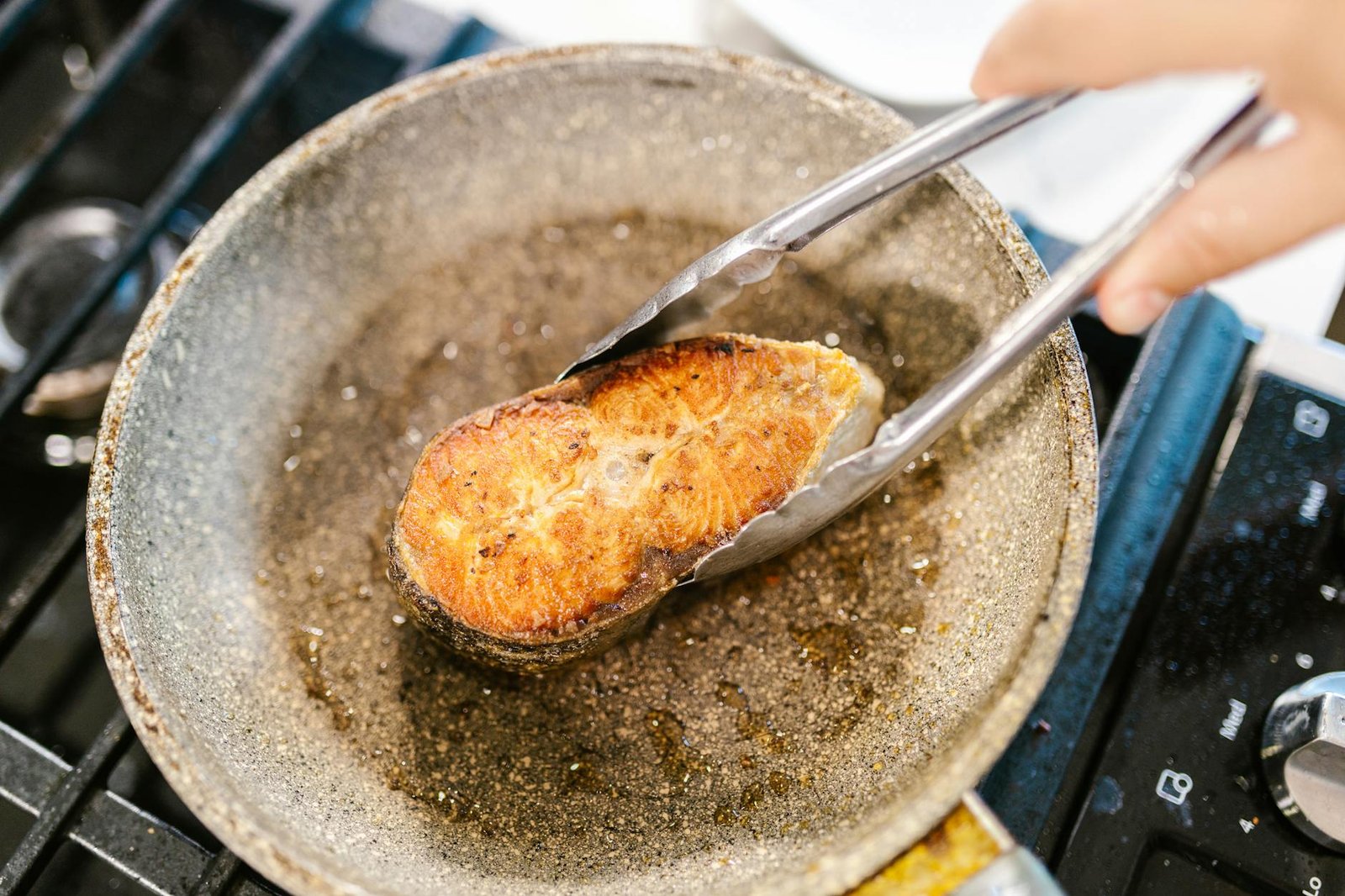
To achieve the perfect sear, timing is everything. The ideal searing time will depend on the type and thickness of your food. As a general rule, sear for 1-3 minutes per side for thin cuts of meat, and 3-5 minutes per side for thicker cuts. Use a timer to ensure you don’t overcook your food. The perfect sear should have a crispy, caramelized crust on the outside, while the inside remains tender and juicy. Use the following guidelines to check for doneness:
- Visual inspection: Look for a golden-brown color on the outside, with a slight char.
- Texture: Check for a firm, springy texture on the outside, while the inside remains tender.
- Internal temperature: Use a meat thermometer to check the internal temperature of your food. The recommended internal temperature will vary depending on the type of food and desired level of doneness.
By mastering high heat searing techniques, you’ll be able to achieve a perfectly cooked dish with a crispy, caramelized crust and a tender, juicy interior. With practice and patience, you’ll become a pro at searing, and your dishes will be sure to impress.
Recipe Applications and Safety Considerations
When working with high heat searing, it’s essential to understand the various applications and safety considerations to achieve optimal results. In this section, we’ll delve into the world of recipe applications and safety precautions to ensure a successful cooking experience.
Applying High Heat Searing to Various Proteins and Vegetables
High heat searing is a versatile technique that can be applied to a wide range of proteins and vegetables. The key is to understand the specific characteristics of each ingredient and adjust the cooking time and temperature accordingly. For example, proteins like steak, chicken, and fish require a high heat sear to lock in juices and achieve a crispy crust. On the other hand, vegetables like bell peppers, onions, and mushrooms benefit from a quick high heat sear to preserve their texture and flavor.
- Proteins: steak, chicken, fish, and tofu
- Vegetables: bell peppers, onions, mushrooms, and asparagus
When applying high heat searing to these ingredients, it’s crucial to consider the cooking time and temperature. A general rule of thumb is to sear proteins at 400°F (200°C) for 2-3 minutes per side, while vegetables require a slightly lower temperature of 375°F (190°C) for 1-2 minutes per side.
Safety Precautions: Handling Hot Cookware and Avoiding Burns
When working with high heat searing, safety is a top priority. It’s essential to handle hot cookware with care and attention to avoid burns and injuries. Here are some safety precautions to keep in mind:
- Use oven mitts or tongs to handle hot cookware
- Keep a safe distance from the cookware to avoid splatters and spills
- Never leave hot cookware unattended
Additionally, it’s crucial to be mindful of the cookware’s material and heat conductivity. For example, cast iron and stainless steel cookware retain heat well, but can also cause burns if not handled properly. On the other hand, non-stick cookware is generally safer, but may not distribute heat as evenly.
| Cookware Material | Heat Conductivity | Safety Considerations |
|---|---|---|
| Cast Iron | High | Retains heat well, but can cause burns if not handled properly |
| Stainless Steel | High | Retains heat well, but can cause burns if not handled properly |
| Non-Stick | Low | Generally safer, but may not distribute heat as evenly |
By following these safety precautions and understanding the characteristics of different cookware materials, you can ensure a safe and successful high heat searing experience.
Mini Case Study: The Case of the Inconsistent Burners
A local restaurant, known for its fine dining, was experiencing issues with their commercial stove. The burners were not heating consistently, resulting in unevenly cooked dishes and delays in food preparation.
The Problem was affecting the overall quality of the food and the reputation of the restaurant. To Diagnose the issue, I inspected the stove and found that the burner caps were clogged with food debris and the igniter electrodes were worn out.
- Cleaned the burner caps and igniter electrodes to ensure proper gas flow and ignition.
- Replaced the worn-out igniter electrodes with new ones to improve the burner’s performance.
- Adjusted the burner caps to optimize the flame pattern and heat distribution.
The Solution was successful, and the burners were heating consistently, allowing the restaurant to maintain its high standards of food quality and service.
Final Thoughts
In conclusion, understanding the intricacies of stoves is crucial for both home cooks and professional chefs. A stove is not just an appliance, but a central component of any kitchen, influencing the quality of meals, kitchen safety, and overall cooking experience. Through this exploration, we’ve delved into the various types of stoves, their features, and what makes them suitable for different cooking needs and preferences.
When choosing a stove, it’s essential to consider factors such as fuel type, burner configuration, material, and additional features like smart technology or safety locks. Each of these elements can significantly impact your cooking experience, from the ease of cleaning to the precision of heat control. Moreover, understanding the maintenance and upkeep of your stove can extend its lifespan and ensure it continues to perform optimally.
Key Considerations for Stove Selection
For those in the market for a new stove, several key considerations should guide your decision. These include:
- Energy Efficiency: How much energy the stove consumes and its impact on your utility bills.
- Cooking Performance: The stove’s ability to provide consistent heat, the variety of cooking techniques it supports, and its overall impact on the quality of your dishes.
- Safety Features: Automatic shut-off, child safety locks, and stable design to prevent accidents.
- Maintenance and Repair: Ease of cleaning, durability of parts, and the cost and availability of replacement parts.
Ultimately, the right stove for you will depend on your specific needs, cooking habits, and the layout of your kitchen. By carefully evaluating these factors and considering the pros and cons of different stove types, you can make an informed decision that enhances your cooking experience and contributes to a safe and efficient kitchen environment.
In the world of cooking, the stove remains an indispensable tool, and its selection should not be taken lightly. Whether you’re a culinary novice or a seasoned pro, investing in the right stove can elevate your cooking, provide years of reliable service, and become the heart of your home’s culinary endeavors.
Frequently Asked Questions
What does ‘None’ mean in programming?
In programming, ‘None’ is a special value that represents the absence of a value or a null object. It is often used to indicate that a variable or function has no value or has not been initialized.
How is ‘None’ used in conditional statements?
In conditional statements, ‘None’ is often used to check if a variable or object exists or has a value, allowing the program to make decisions based on its presence or absence.
Can ‘None’ be used as a placeholder?
Yes, ‘None’ can be used as a placeholder in data structures, such as lists or dictionaries, to indicate that a value is missing or has not been assigned yet.
Is ‘None’ the same as ‘null’ in all programming languages?
No, while ‘None’ and ‘null’ are often used interchangeably, they have different meanings in different programming languages, and their usage may vary depending on the language and context.