Improving Kitchen Ventilation for Reduced Cooking Odors and Airborne Grease
A well-designed kitchen ventilation system is essential for efficient cooking and safety. As a stove expert, I have seen numerous kitchens where inadequate ventilation leads to a buildup of grease, moisture, and heat, resulting in reduced airflow, increased energy consumption, and potential fire hazards. In this article, we will explore the importance of optimizing your kitchen ventilation system and provide practical tips on how to achieve a safe and efficient cooking environment.

A kitchen ventilation system typically consists of a range hood, ductwork, and a fan or blower. The range hood captures grease, moisture, and heat from cooking, while the fan or blower expels these contaminants outside the kitchen. However, if the system is not properly designed or maintained, it can lead to a range of problems, including reduced airflow, increased noise levels, and decreased indoor air quality.
Some of the key benefits of an optimized kitchen ventilation system include:
- Improved indoor air quality by removing grease, moisture, and heat from the kitchen
- Increased safety by reducing the risk of fire hazards and explosions
- Enhanced cooking efficiency by providing a comfortable and well-ventilated cooking environment
- Reduced energy consumption by minimizing the need for air conditioning and heating
- Compliance with local building codes and regulations
To achieve an optimized kitchen ventilation system, it is essential to consider several factors, including the type and size of the range hood, the ductwork design and installation, and the fan or blower selection and maintenance. In the following sections, we will delve into these factors in more detail, providing practical tips and recommendations for homeowners, builders, and kitchen designers.
Understanding Kitchen Ventilation Systems
🔥 Popular on Stove Mastery
Understanding kitchen ventilation systems is crucial for efficient cooking and safety. A well-designed ventilation system can remove cooking fumes, moisture, and heat from the kitchen, creating a comfortable and healthy environment for cooking.
Types of Ventilation Systems
There are several types of ventilation systems available, each with its own strengths and weaknesses. The most common types include:
- Recirculating systems: These systems filter and recirculate the air within the kitchen, removing cooking fumes and particles. They are energy-efficient but may not be effective in removing moisture and heat.
- Exhaust systems: These systems remove cooking fumes and particles from the kitchen and exhaust them outside. They are effective in removing moisture and heat but may be more expensive to install and maintain.
- Hybrid systems: These systems combine elements of recirculating and exhaust systems, offering a balance between energy efficiency and effective ventilation.
Key Components of a Ventilation System
A typical ventilation system consists of several key components, including:
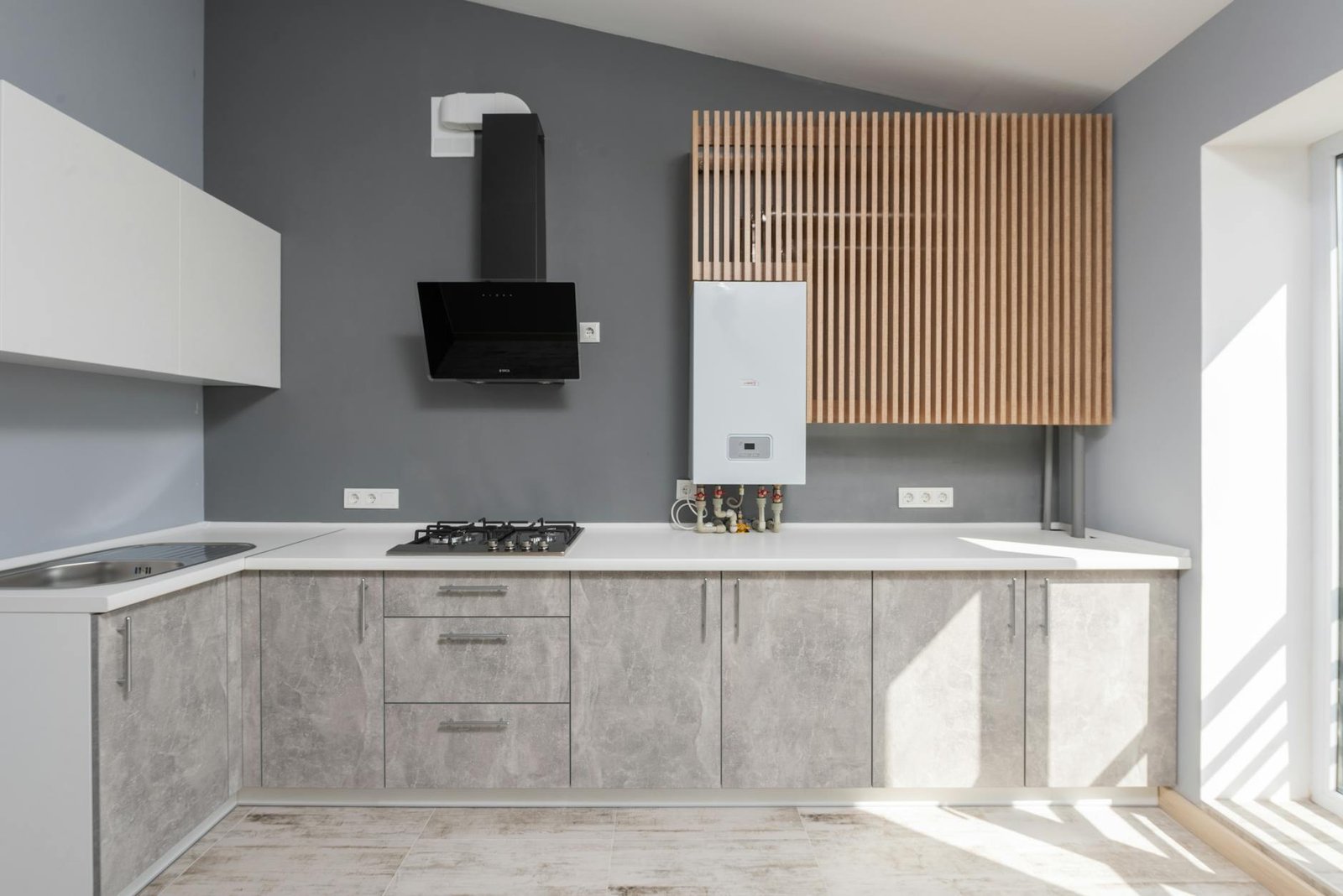
- Range hood: The range hood is the most visible component of a ventilation system, capturing cooking fumes and particles at the source.
- Filters: Filters are used to remove particles and odors from the air, and should be cleaned or replaced regularly to maintain system efficiency.
- Blower: The blower is responsible for moving air through the system, and should be sized correctly to ensure adequate ventilation.
How Ventilation Systems Impact Indoor Air Quality
A well-designed ventilation system can significantly improve indoor air quality by removing cooking fumes, moisture, and heat from the kitchen. This can help to:
- Reduce indoor air pollution: By removing cooking fumes and particles, ventilation systems can reduce the risk of respiratory problems and other health issues.
- Prevent moisture buildup: By removing moisture from the kitchen, ventilation systems can help to prevent mold and mildew growth, reducing the risk of structural damage and health problems.
Overall, a well-designed kitchen ventilation system is essential for efficient cooking and safety, and can have a significant impact on indoor air quality.
Optimizing Your Kitchen Ventilation System
Watch: Everything You Need To Know When Buying Vent Hoods For Your Kitchen!
Optimizing your kitchen ventilation system is crucial for efficient cooking and safety. A well-maintained and efficient ventilation system helps remove cooking odors, airborne grease, and heat from the kitchen, creating a comfortable and safe cooking environment. In this section, we will discuss the key strategies for optimizing your kitchen ventilation system.
Regular Maintenance and Cleaning
Regular maintenance and cleaning of your kitchen ventilation system are essential to ensure its efficiency and effectiveness. This includes cleaning the vent hood, ducts, and filters regularly. Failure to do so can lead to a buildup of grease and debris, reducing the system’s performance and potentially causing a fire hazard. It is recommended to clean the vent hood and filters every 1-3 months, depending on usage.
➤ Read Also: Best Gas Stove: Top Recommendations for Your Kitchen
Upgrading to a High-Efficiency Ventilation System
Upgrading to a high-efficiency ventilation system can significantly improve the performance and efficiency of your kitchen ventilation. When choosing a new system, consider the following factors:
- CFM (Cubic Feet per Minute) rating: A higher CFM rating indicates a more powerful system.
- Noise level: A quieter system can be more convenient for everyday use.
- Energy efficiency: Look for systems with high energy efficiency ratings to reduce energy consumption and costs.
Some popular high-efficiency ventilation systems include:
| System Type | Pros | Cons |
|---|---|---|
| Island Mount Vent Hood | High CFM rating, stylish design | More expensive, requires ductwork |
| Wall Mount Vent Hood | Easy installation, affordable | Lower CFM rating, less stylish design |
Strategies for Reducing Cooking Odors and Airborne Grease
To reduce cooking odors and airborne grease, consider the following strategies:
- Use a vent hood with a high CFM rating to capture more cooking odors and grease.
- Install a grease trap to catch grease and food particles before they enter the ventilation system.
- Use a charcoal filter to absorb cooking odors and grease.
By implementing these strategies, you can optimize your kitchen ventilation system for efficient cooking and safety, creating a more comfortable and enjoyable cooking experience.
Safety Considerations and Best Practices
When it comes to optimizing your kitchen ventilation system, safety considerations and best practices are paramount to ensure efficient cooking and a safe environment. In this section, we will delve into the common hazards associated with poor ventilation, guidelines for proper ventilation system installation, and tips for ensuring ongoing safety and efficiency.
Common Hazards Associated with Poor Ventilation
Poor ventilation can lead to a range of hazards, including the accumulation of grease, moisture, and combustion products. These can cause fires, explosions, and health issues such as respiratory problems. Some common hazards to watch out for include:
- Grease buildup: Grease can accumulate on surfaces, creating a fire hazard and making cleaning more difficult.
- Moisture accumulation: Excess moisture can lead to mold growth, water damage, and slippery surfaces.
- Combustion product buildup: Inadequate ventilation can cause the buildup of combustion products, such as carbon monoxide, which can be deadly.
Guidelines for Proper Ventilation System Installation
To ensure proper ventilation, it is essential to follow guidelines for installation. These include:
- Choosing the right size: Select a ventilation system that is suitable for your kitchen size and cooking style.
- Installing in the right location: Install the ventilation system in a location that allows for optimal airflow and minimal obstruction.
- Ensuring proper ductwork: Ensure that ductwork is properly sized, insulated, and sealed to prevent leaks and efficiency losses.
Tips for Ensuring Ongoing Safety and Efficiency
To ensure ongoing safety and efficiency, follow these tips:
- Regular maintenance: Regularly clean and maintain your ventilation system to prevent grease and debris buildup.
- Monitor performance: Monitor your ventilation system’s performance and adjust as needed to ensure optimal airflow and efficiency.
- Upgrade when necessary: Consider upgrading your ventilation system if it is outdated or no longer meeting your needs.
By following these guidelines and tips, you can ensure a safe and efficient kitchen ventilation system that meets your cooking needs and protects your health and well-being.
Mini Case Study: The Case of the Smoky Kitchen
A busy home cook in a small apartment was experiencing persistent smoke and grease buildup in their kitchen, despite regular cleaning. The issue was causing concerns about fire safety and indoor air quality.
The Problem was identified as inadequate ventilation, with the existing exhaust fan failing to capture cooking fumes and particles effectively.
- Diagnosis: Inspection revealed a clogged filter, incorrect fan installation, and insufficient ductwork.
- Solution:
- Replaced the clogged filter with a high-efficiency model
- Adjusted the fan installation for optimal airflow
- Upgraded the ductwork to improve ventilation capacity
The outcome was a significant reduction in smoke and grease accumulation, ensuring a safer and healthier cooking environment. Regular maintenance and inspection of the ventilation system are now prioritized to prevent future issues.
Final Thoughts
As a stove expert, it is essential to reiterate the importance of a well-designed kitchen ventilation system in ensuring efficient cooking and safety. A properly functioning ventilation system can make a significant difference in the overall cooking experience, from reducing cooking time to preventing accidents. In this article, we have discussed various aspects of optimizing kitchen ventilation systems, including the selection of the right range hood, ductwork, and ventilation fans.
Key Takeaways
To summarize, the key to an efficient kitchen ventilation system lies in its ability to effectively capture and remove cooking pollutants, heat, and moisture. This can be achieved by selecting a range hood that is suitable for the cooking surface, ensuring proper ductwork installation, and using ventilation fans that meet the required airflow rates. Additionally, regular maintenance of the ventilation system is crucial to prevent the buildup of grease and debris, which can compromise its performance.
Best Practices for Maintenance
Some best practices for maintaining a kitchen ventilation system include:
- Regularly cleaning the range hood and ductwork to prevent grease buildup
- Inspecting the ventilation fans and replacing them as needed
- Ensuring that the ductwork is properly sealed to prevent air leaks
- Scheduling annual professional maintenance to ensure the system is functioning optimally
By following these best practices, homeowners can ensure that their kitchen ventilation system continues to function efficiently and safely.
In conclusion, optimizing a kitchen ventilation system requires careful consideration of various factors, including the type of cooking surface, ductwork installation, and ventilation fan selection. By selecting the right components and following best practices for maintenance, homeowners can create a safe and efficient cooking environment. Remember, a well-designed kitchen ventilation system is not only essential for efficient cooking but also for preventing accidents and ensuring a healthy indoor air quality. By investing in a high-quality ventilation system and maintaining it regularly, homeowners can enjoy a superior cooking experience while protecting their health and safety.
Frequently Asked Questions
What are the benefits of optimizing my kitchen ventilation system?
Optimizing your kitchen ventilation system can improve indoor air quality, reduce cooking odors and grease buildup, and enhance overall cooking safety and efficiency. Regular maintenance and upgrades can also help extend the lifespan of your appliances and reduce energy consumption.
How often should I clean my kitchen ventilation system?
It is recommended to clean your kitchen ventilation system every 1-3 months, depending on usage, to prevent grease and debris buildup and ensure optimal performance.
What are the key components of an efficient kitchen ventilation system?
A well-designed kitchen ventilation system typically includes a range hood, ductwork, and an exhaust fan, which work together to capture and remove cooking fumes, heat, and moisture from the kitchen.
Can a poorly maintained kitchen ventilation system pose health risks?
Yes, a poorly maintained kitchen ventilation system can pose health risks, including respiratory problems and fire hazards, due to the accumulation of grease, dust, and other airborne pollutants, so regular maintenance and inspections are crucial to ensure safe and efficient operation.