How to Turn Off a Stove: Gas, Electric & Induction
Updated: 11 Jun 2026
1202
To turn off a stove: on a gas stove, rotate each burner knob fully clockwise until it clicks to the OFF position. On an electric stove, press the burner control back to zero and confirm the hot-surface indicator light eventually goes out. On an induction stove, touch the power or zone sensor until the display clears and the element deactivates.
Why Turning Off Your Stove Correctly Matters
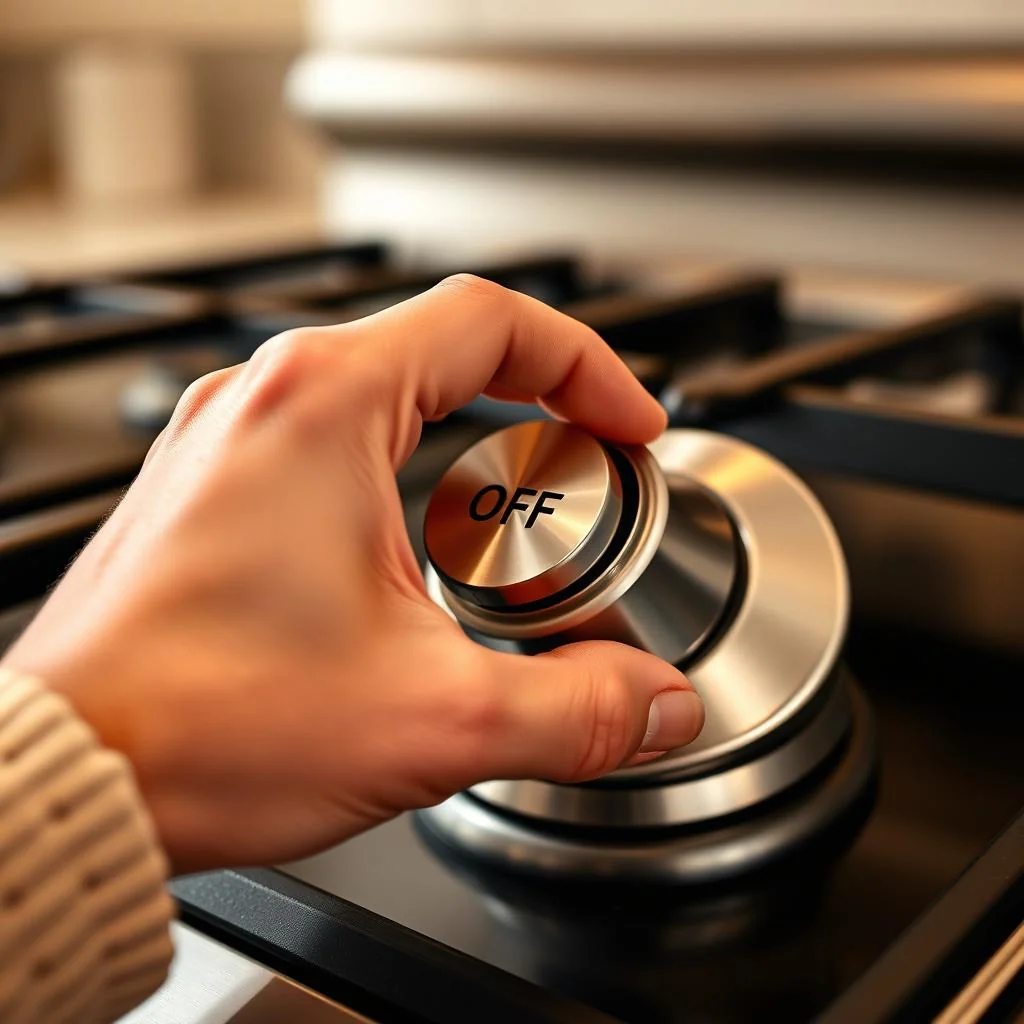
Turning off a stove sounds obvious — but doing it correctly is what keeps your kitchen, your family, and your appliance safe. A partially turned knob, a glowing electric coil left unattended, or an induction zone left in standby can all lead to preventable accidents or wasted energy.
Here is what is actually at stake:
- Safety. An improperly closed gas knob can leak small amounts of gas into the kitchen. Even at low concentrations, unburned gas is a fire and health hazard. According to the National Fire Protection Association, cooking equipment is the leading cause of home structure fires in the US. Knowing how to fully shut off every stove type is a core fire-prevention skill. For a deeper look at gas-specific hazards, see our guide on what causes a gas stove to explode.
- Energy and cost. Electric coils and induction zones left on — even at low settings — consume electricity and add to your monthly bill. Gas burners left on low waste fuel and produce combustion byproducts indoors.
- Appliance longevity. Repeated unnecessary heat cycles stress burner elements, igniters, and control boards. Proper shut-off habits extend the lifespan of your stove.
- Peace of mind. Developing a consistent shut-off routine — and knowing exactly what to check — eliminates the anxious “did I leave the stove on?” feeling after you leave the house.
How to Turn Off a Gas Stove (Step-by-Step)
Gas stoves use physical rotary knobs to control a valve that meters gas flow to the burner. The knob must reach the hard-stop OFF position — not just a low flame setting — to fully close the valve.
- Remove or move the cookware. Take the pan off the burner before turning the knob. This prevents residual heat from cooking food unevenly and makes it easier to confirm the flame is out.
- Locate the correct knob. Most gas ranges label burner positions on the cooktop surface or on the knob itself. Match the knob to the active burner. Turning the wrong knob is a common source of confusion, especially on six-burner commercial-style ranges.
- Rotate the knob fully clockwise until it clicks or stops. The knob should reach a position marked “OFF” — usually printed on the knob face or the console bezel. You may feel a slight resistance or hear a click as the valve seats fully. A half-turn to “LOW” is not off. For more on understanding the full range of heat settings, see our article on different heat settings on a gas stove.
- Confirm the flame is out. Look directly at the burner grate. The flame should be completely extinguished — no residual blue ring, no orange flicker. If a small flame persists, try rotating the knob more firmly to the OFF stop, then check again.
- Check for gas odor. Briefly sniff near the stovetop. A faint smell of gas immediately after shut-off that dissipates within a few seconds is normal (residual gas clearing the line). A persistent smell is not normal — ventilate immediately and do not use any ignition source. See the emergency section below for next steps.
- Allow burner grates and caps to cool before cleaning. Cast-iron grates retain heat for 10–20 minutes after the flame goes out. If you need to clean them, wait until they are cool to the touch. See our guide on how to clean gas stove knobs for routine maintenance.
How to Turn Off an Electric Stove (Step-by-Step)
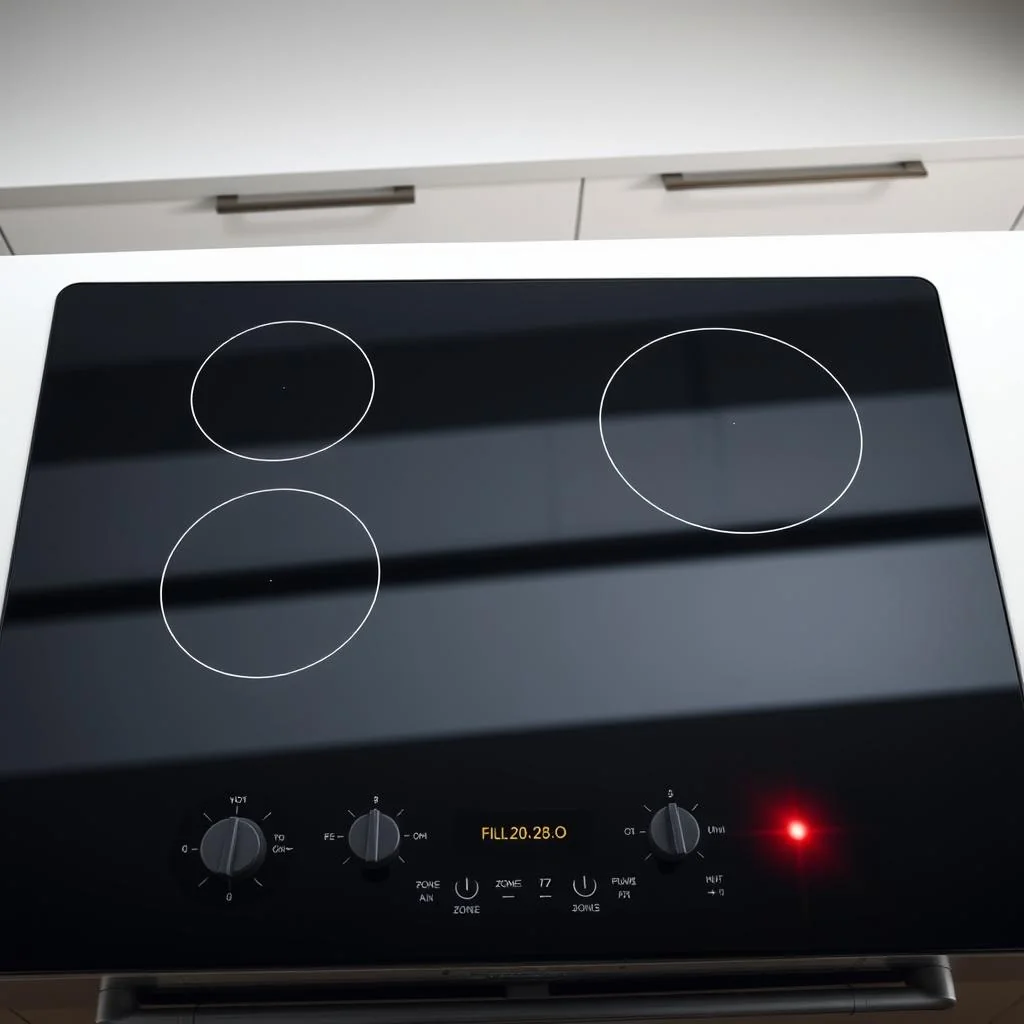
Electric stoves — whether coil-top or smooth ceramic-glass — cut power through either a rotary dial or digital touch controls. The critical thing to understand is that turning off the control does not immediately make the surface safe to touch.
- Turn the burner control to zero (or “OFF”). For dial-style controls, rotate the knob fully counterclockwise to the OFF position. For touch controls, press the zone selector and then the minus button until the display reads “0” or the element indicator turns off.
- Check the hot-surface indicator light. Smooth-top ranges have a dedicated indicator — usually labeled “HOT” or shown as a glowing H icon — that stays lit even after the element is switched off, as long as the glass surface remains above a safe-touch threshold. This light is your primary cue. Do not set anything on the cooktop while this light is on.
- Move cookware off the zone. Leaving a pot or pan on a still-warm electric zone continues to conduct heat into the food and keeps the zone itself warmer for longer. Slide cookware to a cold zone or onto a trivet.
- For portable electric burners, unplug the unit. Countertop single- or double-burner hotplates do not have a hard OFF state via the dial on all models — pulling the plug is the definitive shut-off. If the temperature control problems are recurring on a built-in range, see our article on fixing electric stove temperature control issues.
- Allow adequate cooling time. A ceramic-glass cooktop can remain dangerously hot for 20–40 minutes after being switched off, depending on how long and how high the element was used. Do not wipe the surface until it is cool.
How to Turn Off an Induction Stove (Step-by-Step)
Induction cooktops transfer energy electromagnetically to the cookware itself, not to the glass surface. This makes them the fastest and safest type to shut down — but the controls vary more between brands than gas or electric.
- Touch the zone power sensor or minus button. On most induction models, each zone has a dedicated on/off touch sensor. Press it once (or hold for one second, depending on manufacturer) to deactivate that zone. The zone display should go dark or show dashes.
- For a master power button, press it once. Many induction cooktops have a single master power button that deactivates all zones simultaneously. This is the fastest way to shut everything off when leaving the kitchen.
- Remove the cookware. On most induction models, the cooktop automatically detects that cookware is absent and shuts off power to that zone within 30–60 seconds. However, do not rely on this as your primary shut-off method — use the controls.
- Check for residual surface heat. Although the glass surface of an induction cooktop does not generate its own heat, the bottom of heavy cast-iron or steel cookware can conduct some heat back to the glass. The hot-surface indicator (present on most modern induction models) will light up if the surface is above touch-safe temperature. Wait for it to clear before placing anything directly on the glass.
- If leaving the kitchen for an extended period, unplug or switch off the breaker. Induction cooktops in standby mode still draw a small amount of power and their control panels can be accidentally reactivated by water drips or curious hands. For the full range of advantages this type offers, see our overview of benefits of induction stoves over traditional cooking stoves.
What to Do If a Burner Won’t Turn Off
A burner that cannot be shut off normally is an emergency on gas stoves and an urgent repair situation on electric and induction. Follow these model-specific steps:
Gas stove — knob stuck or valve not seating
- Try firm, steady clockwise pressure. Worn knobs can slip past the OFF detent. Hold the knob firmly and rotate clockwise with even pressure rather than a snap motion.
- Check whether the knob is the problem, not the valve. Pull the knob off the shaft (most pull straight off). If the gas flame changes or goes out when you remove the knob and manually turn the valve stem with pliers, the knob is faulty. If turning the stem does nothing, the valve itself is stuck — proceed to the shut-off valve step below.
- Use the appliance gas shut-off valve. Every gas range has an individual shut-off valve on the supply line behind or below the unit. Rotate this valve 90 degrees (perpendicular to the pipe) to cut gas to the entire range. The flame will go out within seconds. For background on how these valves work, see our comprehensive guide to gas stove safety valves.
- If you cannot reach the appliance valve, use the main house shut-off. The main gas meter shut-off is outside, typically at the meter box. Use a wrench to turn it perpendicular to the pipe.
- Do not attempt to repair the valve yourself while gas is flowing. Call a licensed plumber or your gas utility for valve replacement before turning the gas back on.
Electric stove — element stays on after control is set to zero
- Try resetting the control. Turn the dial to the highest setting for two seconds, then back to OFF. On some infinite-switch designs this resets the bimetal contact.
- Switch off the circuit breaker. Your range is on a dedicated 240 V double-pole breaker. Switching it off immediately cuts power to all elements and controls.
- Do not use the element again until the infinite switch is replaced. A control that sticks on is a fire hazard. This is a straightforward appliance repair that most technicians can complete in under an hour.
Induction cooktop — zone will not deactivate via touch control
- Check for control lock. Many induction models have a child-lock feature that disables the touch panel. Look for a lock icon on the display; press and hold it for 3–5 seconds to unlock, then attempt shut-off again.
- Unplug the unit or switch off the breaker. Induction cooktops are easy to isolate electrically. For a built-in unit, the breaker is the fastest route.
- After power is restored, test the zone. If the fault recurs, the touch control board likely needs replacement — contact the manufacturer’s service line.
What to Do If You Forgot to Turn Off the Stove
Discovering you left the stove on after leaving the house is stressful, but the right response depends on how long you have been gone and what type of stove you have.
- If you are close by, return home promptly. Do not panic and do not speed. Assess the situation calmly when you arrive. Open a window before entering if you smell gas from outside.
- If you cannot return immediately, call someone who can. A neighbor with a spare key or a family member nearby can check and turn off the stove. Many smart plugs and smart stove knobs also allow remote shut-off via an app — this is worth considering as a long-term safety upgrade.
-
On arrival, assess before acting. Before entering a home where a gas stove may have been left on:
- Do not use a light switch, doorbell, or any electrical device outside — sparks can ignite accumulated gas.
- If you smell gas at the door, do not enter. Call your gas utility’s emergency line from a safe distance.
- If there is no gas smell, enter, ventilate, and turn off all stove controls.
- Check what was on the stove. An empty pot left on a gas or electric burner can overheat, warp, and — if non-stick — release harmful fumes. Remove it with oven mitts, place it on a heat-safe surface outside or on the back step, and allow it to cool before inspecting for damage.
Emergency Shut-Off Procedures
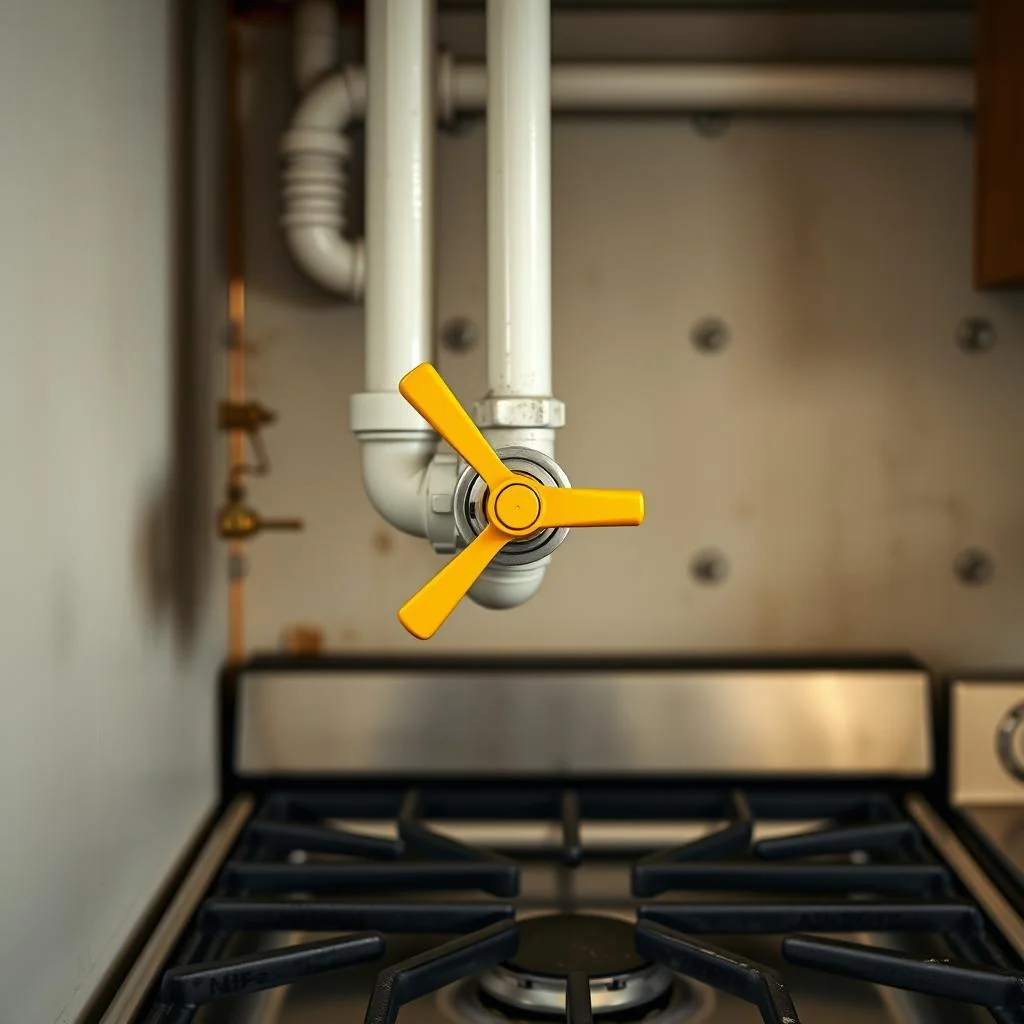
Three types of emergencies require more than just turning a knob:
Grease fire on the stovetop
- Turn off the burner immediately — remove the heat source first.
- Cover the pan with a metal lid or baking sheet to smother the fire. Do not use water on a grease fire.
- If the fire is not contained within 30 seconds, leave the kitchen, close the door, and call emergency services (911 in the US).
- Use a Class K or ABC fire extinguisher only if you are trained to do so and the fire is still small. Never lean over a fire to reach a control.
Gas smell with no visible flame
- Do not operate any electrical switches, including lights.
- Do not use your phone inside the house — step outside first.
- Open windows and doors as you move toward the exit to ventilate.
- Shut off the appliance gas valve (behind/below the range) or the main gas meter shut-off if you can do so safely while exiting.
- Call your gas utility’s emergency line from outside.
- Do not re-enter until the utility declares it safe.
Electrical burning smell or sparks from electric/induction stove
- Do not touch the cooktop surface.
- Switch off the dedicated circuit breaker for the range immediately.
- If flames appear, use a Class C (electrical) fire extinguisher or evacuate and call 911.
- Do not use the range until an appliance technician has diagnosed and repaired the fault.
Gas vs. Electric vs. Induction: Quick-Reference Table
| Feature | Gas Stove | Electric Stove | Induction Stove |
|---|---|---|---|
| Control method | Rotary knob (physical valve) | Rotary dial or touch panel | Touch sensor / digital panel |
| How to turn off | Rotate knob fully clockwise to OFF stop; confirm flame out | Turn dial/press minus to zero; confirm indicator light eventually clears | Touch zone sensor or master power; confirm display clears |
| Hot-surface warning | Grates and caps stay hot 10–20 min; no indicator light | Hot-surface indicator light (H) stays on until surface cools | Hot-surface indicator (if present) from cookware heat conduction; surface cools fastest of all three types |
| Emergency off | Appliance gas shut-off valve → main gas meter | Dedicated 240 V circuit breaker | Unplug or dedicated circuit breaker |
| Residual heat risk | Medium — grates and caps | High — glass or coil surface retains heat 20–40 min | Low — glass surface stays near ambient; cookware is hot |
| Confirm off visually | No visible flame at burner crown | Indicator light off; element no longer glowing | Zone display blank or showing dashes |
Frequently Asked Questions
How do I know a gas burner is completely off and not just on a very low flame?
Look directly at the burner crown from the side. A properly closed gas valve produces zero flame — not a barely visible blue ring. If you see any flame at all, including a faint orange flicker, the valve is not fully closed. Rotate the knob again with firm clockwise pressure to the OFF hard stop. If a micro-flame persists, the valve seat may be dirty or worn; clean the burner cap and knob orifice, or arrange for a valve inspection.
Is it safe to leave an electric stove on low while I step out briefly?
The NFPA and most fire safety authorities recommend against leaving any cooking appliance unattended, even on a low setting. The risk is not just the element itself — it is anything that could fall onto, drip onto, or be placed near a warm element while you are away. The only truly safe option is to turn the stove off when you leave the kitchen for more than a moment.
My induction cooktop display turns off by itself. Does that mean the zone is off?
It depends on the model. Some induction cooktops have an auto-sleep feature that dims or turns off the display after a few minutes of no input, but the heating zone may still be active. Check your user manual: if the unit has an auto-off timer, the zone will cut power after the set time. If it only has display sleep, the zone is still on. When in doubt, press the zone sensor or master power button to confirm deactivation — the display should show a clear off state (dashes or blank), not just dim.
Can I turn off a gas stove by using the main gas shut-off valve every time?
Technically yes, but it is not recommended as routine practice. The appliance shut-off valve and main gas meter valve are designed for emergencies and maintenance shutdowns, not daily use. Repeatedly opening and closing them accelerates wear on the valve seats and packing, which can eventually cause leaks. Use the burner knobs for normal operation and reserve the shut-off valves for genuine emergencies or service situations.
What should I do if I smell gas after turning off all the burners?
A brief, faint gas odor for a few seconds after shut-off is normal as residual gas clears the burner tubes. If the smell persists beyond 30 seconds, intensifies, or you smell it in other rooms, treat it as a potential leak. Do not operate any electrical switches. Open windows and doors as you exit the home. Shut off the appliance gas valve if you can do so safely while leaving. Call your gas utility’s 24-hour emergency line (or find guidance at the American Gas Association) from outside. Do not re-enter until a technician clears the premises. For more context, see our article on what causes a gas stove to explode.
How long does an electric smooth-top stay hot after being turned off?
A standard radiant electric element on a smooth ceramic-glass cooktop typically takes 20–40 minutes to cool below the touch-safe threshold, depending on how long and how high it was used. The hot-surface indicator light is your reliable guide — it goes out only when the surface has cooled sufficiently. Some high-output dual or triple elements may take longer. Never test by touch; use the indicator as your signal.
Please Write Your Comments