Gas Stoves vs Electric Stoves: How Heat Distribution Affects Your Cooking
As a stove expert, I have had the opportunity to work with various types of stoves, from traditional gas and electric models to more modern and innovative options like induction and ceramic stoves. In this article, we will delve into the world of stoves, exploring their different types, features, and benefits. Whether you are a homeowner looking to replace your old stove or a professional chef seeking to upgrade your kitchen, this article aims to provide you with the knowledge and insights you need to make an informed decision.

Stoves are a crucial component of any kitchen, and their performance can greatly impact the cooking experience. With so many options available in the market, choosing the right stove can be a daunting task. Factors such as fuel type, cooking power, safety features, and maintenance requirements must be carefully considered. Additionally, the type of stove you choose can also affect the overall aesthetic and functionality of your kitchen.
Some of the key factors to consider when selecting a stove include the type of fuel it uses, the number of burners or cooking zones, and the level of heat control it provides. For example, gas stoves are known for their instant heat and precise control, while electric stoves are often preferred for their ease of use and low maintenance. Induction stoves, on the other hand, offer a unique combination of speed, efficiency, and safety. The following are some of the pros and cons of different stove types:
- Gas stoves: pros – instant heat, precise control; cons – require gas line installation, can be hazardous if not properly maintained
- Electric stoves: pros – easy to use, low maintenance; cons – can be slow to heat up, may not provide precise control
- Induction stoves: pros – fast, efficient, safe; cons – require compatible cookware, can be noisy
Throughout this article, we will explore these factors in more detail, discussing the strengths and weaknesses of each stove type and providing practical advice on how to choose the right one for your needs. By the end of this article, you will have a comprehensive understanding of the different types of stoves available and be able to make an informed decision when selecting a stove for your kitchen.
Understanding Heat Distribution
🔥 Popular on Stove Mastery
When it comes to cooking, understanding how your stove distributes heat is crucial for achieving the perfect dish. Different types of stoves have unique heat distribution characteristics, and knowing these can help you optimize your cooking technique.
How Gas Stoves Distribute Heat
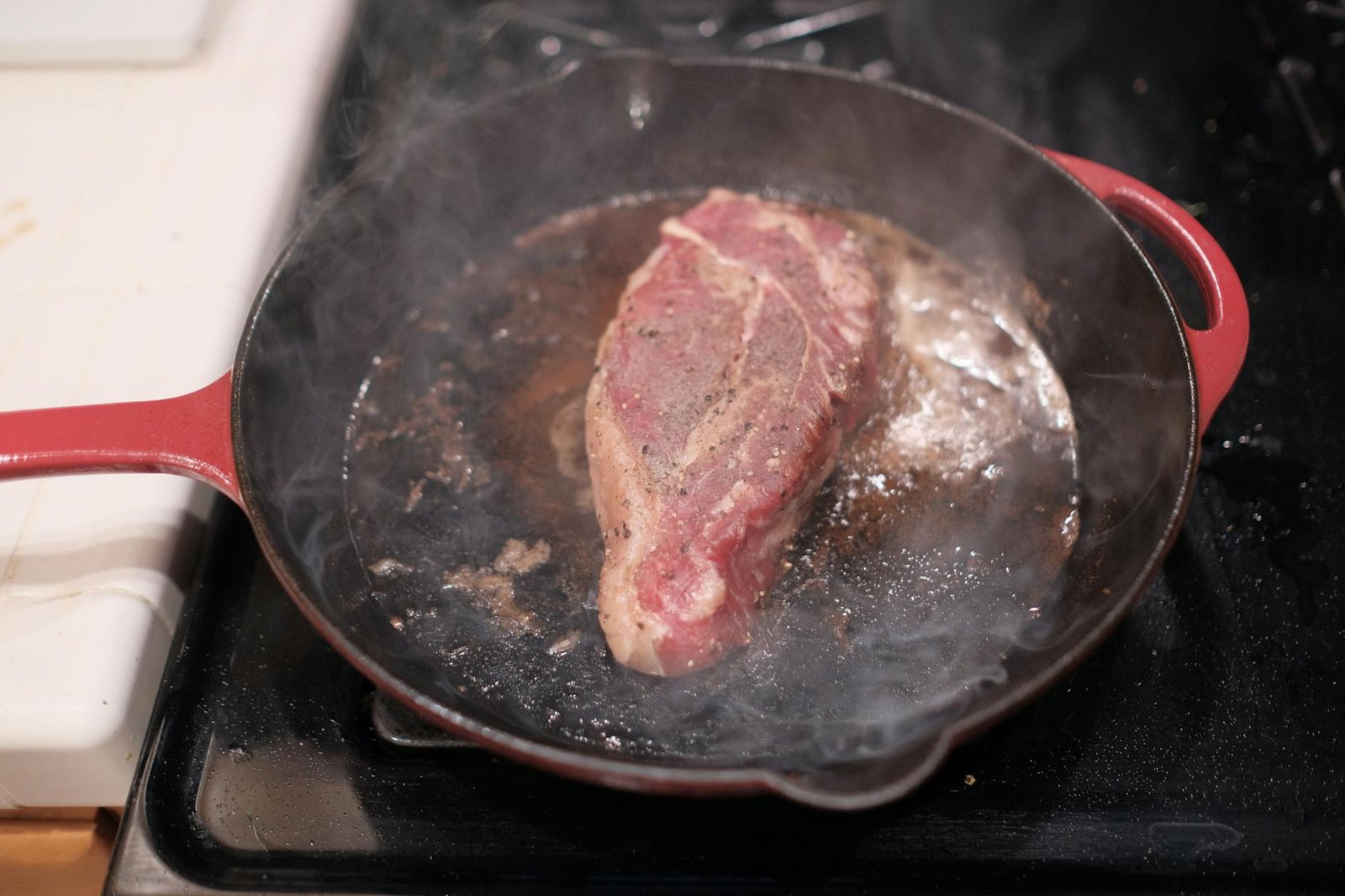
Gas stoves distribute heat through an open flame, which provides instant heat and allows for precise control over the cooking temperature. The heat from the flame is directed upwards, heating the bottom of the cookware, and then distributed evenly throughout the vessel. This type of heat distribution is ideal for cooking methods that require high heat, such as searing meat or stir-frying vegetables.
- Pros: instant heat, precise control, and energy efficiency
- Cons: can be hazardous if not used properly, and may not be suitable for cookware with certain materials
How Electric Stoves Distribute Heat
Electric stoves, on the other hand, distribute heat through electric coils or ceramic elements. The heat is generated by electrical resistance and is then transferred to the cookware through conduction. Electric stoves often have a more gradual heat distribution, which can be beneficial for cooking methods that require lower temperatures, such as simmering or braising.
- Pros: safer than gas stoves, easier to clean, and more affordable
- Cons: can be slower to heat up, and may not provide the same level of control as gas stoves
Key Differences in Heat Distribution
The key differences in heat distribution between gas and electric stoves lie in their heat transfer mechanisms and control over cooking temperature. Gas stoves provide instant heat and precise control, while electric stoves offer a more gradual heat distribution and are generally safer. The choice between a gas and electric stove ultimately depends on your personal cooking style and preferences.
| Stove Type | Heat Distribution | Control Over Temperature |
|---|---|---|
| Gas | Instant, direct heat | Precise control |
| Electric | Gradual, indirect heat | Less precise control |
By understanding the unique heat distribution characteristics of your stove, you can optimize your cooking technique and achieve better results in the kitchen.
Cooking Techniques and Heat Distribution
Watch: Every Range, Cooktop and Wall Oven Ranked: The Good & Garbage
Understanding the nuances of cooking techniques and heat distribution is crucial for achieving optimal results on your stove. Whether you’re using a gas or electric stove, mastering various techniques can elevate your cooking experience.
Techniques for Gas Stoves: Searing, Roasting, and Simmering
Gas stoves offer exceptional control over heat, making them ideal for techniques like searing, roasting, and simmering. For searing, use high heat to achieve a crispy crust on meats and vegetables. Roasting involves cooking at medium-high heat to bring out the natural flavors of ingredients. Simmering, on the other hand, requires low heat to gently cook delicate dishes like soups and sauces.
- Searing: Use a hot skillet with a small amount of oil to achieve a caramelized crust.
- Roasting: Preheat your oven to 425°F (220°C) for optimal roasting results.
- Simmering: Monitor heat levels to prevent boiling and maintain a gentle simmer.
Techniques for Electric Stoves: Cooking with Precision and Control
Electric stoves provide consistent heat, making them suitable for techniques that require precision and control. Cooking methods like stir-frying, braising, and steaming benefit from the even heat distribution of electric stoves. To get the most out of your electric stove, invest in a good-quality cookware set and use the correct cooking time and temperature for each recipe.
- Stir-frying: Use a wok or large skillet to quickly cook ingredients over medium-high heat.
- Braising: Cook tougher cuts of meat low and slow to achieve tender results.
- Steaming: Utilize a steamer basket to cook vegetables and seafood without added oil.
Adapting Recipes for Optimal Heat Distribution
When adapting recipes for your stove, consider the heat distribution and cooking time. Gas stoves tend to heat up quickly, while electric stoves provide consistent heat. Adjust cooking times and temperatures accordingly to ensure the best results. For example, if a recipe calls for high heat on a gas stove, you may need to reduce the heat on an electric stove to prevent burning.
| Stove Type | Heat Distribution | Cooking Time |
|---|---|---|
| Gas | Rapid heat up | Shorter cooking time |
| Electric | Consistent heat | Longer cooking time |
By understanding the unique characteristics of your stove and adapting recipes accordingly, you can achieve professional-grade results in the comfort of your own kitchen.
Safety, Energy Efficiency, and Maintenance
As a stove expert, I emphasize the importance of considering safety, energy efficiency, and maintenance when it comes to your stove. These factors not only ensure your well-being but also prolong the lifespan of your appliance.
Safety Considerations: Gas Leaks, Electrical Hazards, and Fire Risks
Ensuring the safety of your stove is crucial to prevent accidents. Gas stoves pose the risk of gas leaks, which can be detected by a rotten egg smell or hissing sound. Electrical stoves, on the other hand, can cause electrical shocks or fires due to faulty wiring or malfunctioning components. To minimize fire risks, keep flammable materials away from the stove and never leave cooking unattended. Regularly inspect your stove for any signs of wear or damage, and have it serviced by a professional if necessary.
Energy Efficiency: Comparing Gas and Electric Stoves
When it comes to energy efficiency, gas and electric stoves have their pros and cons. The following table summarizes a comparison of the two:
| Stove Type | Energy Efficiency | Cost | Environmental Impact |
|---|---|---|---|
| Gas Stove | High heat output, faster cooking time | Lower operational cost | Higher greenhouse gas emissions |
| Electric Stove | Lower heat output, slower cooking time | Higher operational cost | Lower greenhouse gas emissions |
While gas stoves offer faster cooking times and lower operational costs, electric stoves are generally safer and more environmentally friendly. Ultimately, the choice between a gas and electric stove depends on your personal preferences and priorities.
Maintenance Tips for Prolonging Stove Lifespan
To ensure your stove lasts for years to come, follow these maintenance tips:
- Regularly clean the stove and its components to prevent grease buildup and food residue.
- Check and replace worn-out or damaged parts, such as burners or igniters.
- Avoid using abrasive cleaners or scrubbers, which can damage the stove’s surface.
- Refer to your user manual for specific maintenance instructions, as different stoves may have unique requirements.
By following these tips and considering the safety and energy efficiency of your stove, you can enjoy a safe and efficient cooking experience while prolonging the lifespan of your appliance.
Mini Case Study: The Case of the Uneven Oven at 350°F
A homeowner in suburban California experienced inconsistent baking results with her electric stove. Despite preheating to 350°F, her cakes would often be overcooked on one side and undercooked on the other.
The Problem was uneven heat distribution, affecting the quality of her baked goods. To Diagnose the issue, we:
- Inspected the oven for any blockages or damage
- Checked the oven’s calibration and thermostat
- Tested the heating elements for proper function
The Solution involved adjusting the oven’s calibration and replacing a faulty heating element. After the repairs, the homeowner reported consistent and even baking results, with perfectly cooked cakes every time.
Final Thoughts
In conclusion, the world of stoves is a complex and multifaceted one, with a wide range of options to suit different needs and preferences. As a stove expert, I have seen firsthand the importance of choosing the right stove for the job, whether you’re a professional chef or a home cook. With so many different types of stoves on the market, it can be difficult to know where to start, but by considering factors such as fuel type, cooking power, and safety features, you can make an informed decision that meets your needs and budget.
When it comes to stoves, there are several key considerations to keep in mind. These include the type of fuel used, the level of cooking power, and the safety features included. Different types of stoves, such as gas, electric, and induction, each have their own pros and cons, and the right choice for you will depend on your specific needs and circumstances. For example, gas stoves offer precise control over heat and are ideal for cooking techniques such as searing and sautéing, but they can be more expensive to install and maintain than electric stoves.
Key Takeaways
- Fuel type: Consider the type of fuel used by the stove, including gas, electric, and induction, and the pros and cons of each.
- Cooking power: Think about the level of cooking power you need, including the number of burners and the power output.
- Safety features: Look for safety features such as automatic shut-off, child safety locks, and heat-resistant materials.
Ultimately, the right stove for you will depend on your specific needs and circumstances. By considering the key factors outlined above and doing your research, you can make an informed decision that meets your needs and budget. Whether you’re a professional chef or a home cook, a good stove is an essential tool for preparing delicious and healthy meals, and with the right choice, you can take your cooking to the next level.
Frequently Asked Questions
What does ‘None’ represent in programming?
In programming, ‘None’ is a special value that represents the absence of a value or a null object. It is often used to indicate that a variable or attribute has not been assigned a value.
How is ‘None’ used in conditional statements?
In conditional statements, ‘None’ is often used to check if a variable or object has a value, allowing the program to handle cases where the value is missing or undefined.
Is ‘None’ the same as zero or an empty string?
No, ‘None’ is a distinct value that is different from zero or an empty string, and it should not be used interchangeably with these values.
Can ‘None’ be used as a function return value?
Yes, ‘None’ can be used as a return value for a function to indicate that the function did not return a meaningful value or to signal an error condition.