The Hidden Kitchen Problem: How toPrevent Food and Grease BuildupBetween Your Stove and Counter
Updated: 18 Apr 2026
47
You’ve wiped down your countertops. You’ve scrubbed the stovetop until it gleams. Your kitchen looks spotless — until you lean in close and spot it: that thin, dark, sticky line running between the edge of your stove and the countertop beside it. You try to wipe it, but the paper towel won’t fit. You grab a butter knife wrapped in a cloth, and what comes out is horrifying. Crumbs. Grease. Dried-up sauce. Something that might have once been a piece of onion.
Welcome to the most overlooked cleaning problem in modern kitchens.
That narrow gap — usually just a quarter-inch to half-inch wide — is a magnet for food debris, liquid spills, and airborne grease. And because it’s out of sight, it’s almost always out of mind. Over months and years, it becomes a breeding ground for bacteria, odor, and even pests. The worst part? Most people don’t even realize it’s there until they pull the stove out for a deep clean and discover a small museum of forgotten meals.
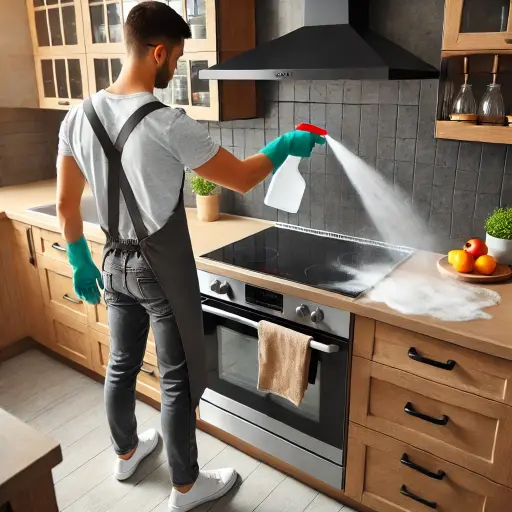
In this guide, we’ll break down why this gap is such a persistent problem, what it’s costing you in terms of hygiene and home value, and — most importantly — five practical, budget-friendly ways to solve it for good.
Why the Gap Between Your Stove and Counter Is a Bigger Deal Than You Think
Most freestanding and slide-in ranges aren’t flush with the surrounding counter. There’s always a small gap, and while it may seem harmless, it creates a long list of problems the longer you ignore it.
It’s a Hygiene Hazard
Every time you cook, tiny food particles and grease droplets are flung into the air. Gravity pulls them down — and the gap beside your stove is the perfect landing zone. Unlike an open counter surface you wipe daily, that crevice never gets cleaned. Over time, it accumulates a thick, sticky layer of organic matter that feeds bacteria, attracts fruit flies, and can even draw cockroaches and ants.
It Damages Your Countertops and Cabinets
Liquid spills — pasta water, cooking oil, wine — run straight down into the gap. From there, they soak into the unsealed sides of your countertop, the particle board of your cabinet bases, and the wall behind your stove. Over years, this causes warping, swelling, staining, and even mold growth. The damage is almost always invisible until you eventually move the stove and discover it.
It Creates a Fire Risk
Grease is flammable. When it builds up next to a heat source like a stove, it becomes a low-level but genuine fire hazard. A dropped pan, an unusually hot burner, or a grease flare-up can ignite the buildup below. Most kitchen fires are caused by grease — and hidden grease is the most dangerous kind because it’s impossible to see.
It Lowers Your Home’s Perceived Cleanliness
If you’ve ever sold a house or hosted guests who linger in the kitchen, you know how much small details matter. A visible grime line between the stove and counter makes an otherwise clean kitchen look neglected. It’s one of those details professional home stagers always address before a listing.
The Root Cause: Why This Gap Exists in the First Place
Standard kitchen ranges are built to slightly narrower widths than the 30-inch cutout they slide into. This gives installers wiggle room, allows for easier cleaning behind the stove (in theory), and accommodates slight variations in countertop measurements. The trade-off is that every kitchen with a freestanding range has this gap.
You can’t eliminate the gap without replacing your stove with a custom-built one — which is unrealistic for most homeowners. But you absolutely can seal it, cover it, or manage it so that food and grease never get in.
Here’s how.
1. Install a Stove Top Protector to Stop the Problem at the Source
The most effective long-term solution is to prevent spills from ever reaching the gap in the first place. That’s exactly what a stove top protector does.
A stove protector is a heat-resistant mat that lays across the surface of your cooktop, creating a flat, unified barrier between your cooking zone and the surrounding area. When sauce splatters, water boils over, or grease pops off your frying pan, it lands on the protector — not on the stove itself, and definitely not in the gap beside it.
Why This Approach Works So Well
- It catches spills before they spread. The protector extends beyond the burner area, so drips and splatters stay contained instead of rolling toward the edges.
- It’s easy to clean. Lift the mat off, wipe it down in the sink, and put it back. The whole process takes 60 seconds.
- It protects the finish of your stove. Glass cooktops scratch, stainless scuffs, and porcelain chips. A protector prevents all three.
- It’s flexible. Unlike a permanent cover, you can remove it anytime for a deep clean or a swap-out.
If you’ve never used one before, pair it with a proper stove shield sized for your specific cooktop. Gas ranges, electric coils, and glass-top stoves each need different fits, so measure before you buy. A well-fitted shield sits flush around each burner and doesn’t interfere with cookware.
2. Use a Silicone Gap Cover Strip
If you want a direct fix specifically for the gap itself, silicone gap covers are the answer. These are long, flexible strips — usually 21 to 25 inches — that fit snugly between your stove and counter, forming a seamless bridge.
What to Look For
- Heat resistance up to 446°F (230°C) so it won’t melt or warp near the burners
- Food-grade silicone for safety and easy cleaning
- A T-shaped profile that anchors into the gap and lies flat on top
Installation is as simple as pressing the strip into place. Most are reversible so you can flip them over when one side gets dirty, and they can go straight into the dishwasher. For renters and homeowners alike, this is one of the cheapest, fastest fixes on this list — usually under $10.
3. Add a Gas Burner Protector if You Cook on a Gas Stove
Gas stoves have a specific vulnerability: the area around each burner grate is notoriously hard to clean. Food debris falls past the grates, grease coats the burner caps, and the recessed wells below each burner collect dried-on spills that require soaking and serious scrubbing.
A gas burner protector is a thin, heat-safe liner that sits directly under the burner grates, covering the recessed area around each burner. When something spills, it lands on the liner instead of inside the well.
Benefits of a Dedicated Gas Burner Protector
- No more scrubbing burner wells. Lift the protector out, rinse, replace.
- Keeps the flame path clear. A clean burner actually burns more efficiently, which means better cooking and lower gas usage.
- Reduces smoke and burning smells. Old food residue in the wells is often what creates that acrid odor when you turn the burner on.
Make sure whatever protector you choose is rated specifically for gas stoves and doesn’t block the burner’s airflow. A poorly designed liner can affect flame performance or even pose a fire risk, so stick with purpose-built products from reputable brands.
4. Seal the Counter Edge With Food-Safe Caulk (For a Permanent Fix)
If you own your home and want a one-and-done solution, consider sealing the gap with clear, food-safe silicone caulk. This creates a permanent, watertight barrier between your stove and countertop.
Step-by-Step Process
- Pull the stove out and clean the gap thoroughly with a degreaser
- Dry everything completely — moisture trapped under caulk can cause mold
- Apply a thin bead of clear silicone caulk along the edge of the countertop
- Slide the stove back into place so it gently presses against the caulk
- Smooth the bead with a wet finger for a clean finish
- Let it cure for 24 hours before cooking
A Word of caution: this works best if you don’t plan to move your stove often. If you rent, or if you clean behind your stove regularly, skip this method and go with the silicone gap strip instead. Caulk creates a strong bond that can chip countertop edges when broken.
5. Build a Weekly “Gap Check” Into Your Cleaning Routine
Even with the best protective products, small amounts of debris can still find their way into the gap over time. The fix is simple: make inspecting and cleaning the gap a regular part of your weekly kitchen cleaning — not a once-a-year deep-clean ordeal.
A Simple 5-Minute Weekly Routine
- Run a thin microfiber cloth or a flat silicone spatula through the gap to collect any loose debris
- Spray a gentle degreaser along the edges and wipe with a narrow cloth
- Lift and clean your stove protector and gap strip at the same time
- Check for any signs of moisture damage on the countertop edge or cabinet sides
Five minutes a week prevents hours of deep cleaning later. And because you’re catching things early, the grime never has a chance to harden, stain, or start damaging your surfaces.
The Real Cost of Ignoring This Problem
Here’s something most people never calculate: the cost of not addressing the gap between your stove and counter.
Over the course of five years, an unaddressed gap can lead to permanent countertop staining ($500–$2,000 to replace), water damage to cabinet frames ($300–$800 to repair), recurring pest issues (priceless frustration), and a stove that’s become so coated in baked-on grease that it needs professional cleaning or replacement ahead of schedule.
Compare that to the cost of a stove top protector, a silicone gap strip, and a gas burner protector combined — typically under $60 total. It’s genuinely one of the highest-return, lowest-cost upgrades you can make in your kitchen.
Final Thoughts
The gap between your stove and counter is the perfect example of a small problem that silently grows into a big one. It’s hidden, it’s ignored, and it slowly damages the cleanliness, safety, and longevity of one of the most important rooms in your home.
But the fix is refreshingly simple. A well-chosen stove top protector catches spills before they spread. A silicone gap strip seals the crevice itself. A gas burner protector handles the tricky zones around your flames. And a quick weekly check keeps everything in good shape with minimal effort.
Spend an afternoon this weekend addressing this one overlooked spot, and you’ll notice the difference every single time you cook. No more leaning over with a cotton swab. No more dreading what’s hiding beside your stove. Just a clean, well-protected kitchen that stays that way with almost no effort.
Your future self — and your countertops — will thank you.
Please Write Your Comments