Fixing a Faulty Gas Stove Burner: Step-by-Step Guide for Home Cooks
As a home cook, a gas stove is an essential appliance in your kitchen, providing a reliable and efficient way to prepare meals. However, like any other appliance, gas stoves require regular maintenance and occasional repairs to ensure they continue to function safely and effectively. In this comprehensive guide, we will walk you through the steps to maintain and repair your gas stove, helping you to troubleshoot common issues, prevent problems, and extend the lifespan of your appliance.

A well-maintained gas stove is not only a matter of convenience but also a safety concern. A faulty or poorly maintained stove can lead to accidents, such as gas leaks or fires, which can have serious consequences. Furthermore, regular maintenance can help to prevent the buildup of dirt, grime, and food residue, which can affect the performance and efficiency of your stove. By following the tips and guidelines outlined in this article, you will be able to keep your gas stove in good working condition, ensuring that it continues to provide you with years of reliable service.
Whether you are a seasoned home cook or a beginner, this guide is designed to provide you with the knowledge and skills necessary to maintain and repair your gas stove. We will cover topics such as cleaning and maintenance, troubleshooting common issues, and repairing or replacing parts. We will also provide you with practical tips and advice on how to get the most out of your stove, including how to optimize its performance, reduce energy consumption, and prevent common problems.
Importance of Regular Maintenance
Regular maintenance is crucial to ensuring the safe and efficient operation of your gas stove. Some of the key benefits of regular maintenance include:
- Improved Safety: Regular maintenance can help to prevent accidents, such as gas leaks or fires, by identifying and addressing potential problems before they become serious.
- Increased Efficiency: A well-maintained stove can help to reduce energy consumption, lower your utility bills, and minimize your environmental impact.
- Extended Lifespan: Regular maintenance can help to extend the lifespan of your stove, reducing the need for costly repairs or replacements.
By following the guidelines and tips outlined in this article, you will be able to keep your gas stove in good working condition, ensuring that it continues to provide you with reliable and efficient service for years to come.
Understanding Gas Stove Burner Issues
🔥 Popular on Stove Mastery
As a home cook, a faulty gas stove burner can be a frustrating experience, especially when you’re in the middle of preparing a meal. Understanding the common causes of burner issues is crucial to maintaining and repairing your gas stove. In this section, we’ll delve into the common causes of faulty burners and the essential safety precautions to take when repairing them.
Common Causes of Faulty Burners
A faulty gas stove burner can be caused by a variety of factors, including:
- Clogged burner ports: Food debris, spills, or dust can clog the burner ports, reducing flame size and quality.
- Worn-out or damaged igniter: A faulty igniter can prevent the burner from lighting or cause it to click continuously.
- Improper burner cap alignment: Misaligned burner caps can disrupt the flame pattern, leading to uneven heating or burner failure.
- Gas supply issues: Low gas pressure, faulty gas regulators, or clogged gas lines can affect burner performance.
Identifying the root cause of the issue is essential to applying the correct solution. Regular cleaning and maintenance can help prevent many of these common problems.
Safety Precautions for Repair
When repairing a gas stove burner, it’s essential to take necessary safety precautions to avoid accidents or injuries. The following table highlights some key safety measures to consider:
| Safety Precaution | Description |
|---|---|
| Shut off the gas supply | Ensure the gas supply is turned off before starting any repair work to prevent gas leaks or explosions. |
| Use proper ventilation | Work in a well-ventilated area to prevent inhalation of gas fumes or other hazardous substances. |
| Avoid open flames | Keep any open flames, such as candles or lighters, away from the work area to prevent accidental ignition. |
By following these safety precautions and understanding the common causes of faulty burners, you’ll be well-equipped to maintain and repair your gas stove, ensuring a safe and efficient cooking experience.
Diagnosing and Disassembling the Burner
Watch: Gas Stove Top Burner Not Lighting (Easy Fix!)
When it comes to maintaining and repairing gas stoves, diagnosing and disassembling the burner is a crucial step. This process requires attention to detail and the right tools to ensure a successful repair. In this section, we will guide you through the process of identifying the type of burner, gathering the necessary tools, and disassembling the burner.
Identifying the Type of Burner
Before disassembling the burner, it’s essential to identify the type of burner you have. The most common types of burners are:
- Sealed burners: These burners have a sealed cap and are commonly found in modern gas stoves.
- Open burners: These burners have an open flame and are often found in older gas stoves.
- Simmer burners: These burners are designed for low-heat cooking and are typically smaller than standard burners.
Understanding the type of burner you have will help you determine the best approach for disassembly and repair.
Tools Needed for Disassembly
To disassemble the burner, you will need the following tools:
- A screwdriver (flathead and Phillips)
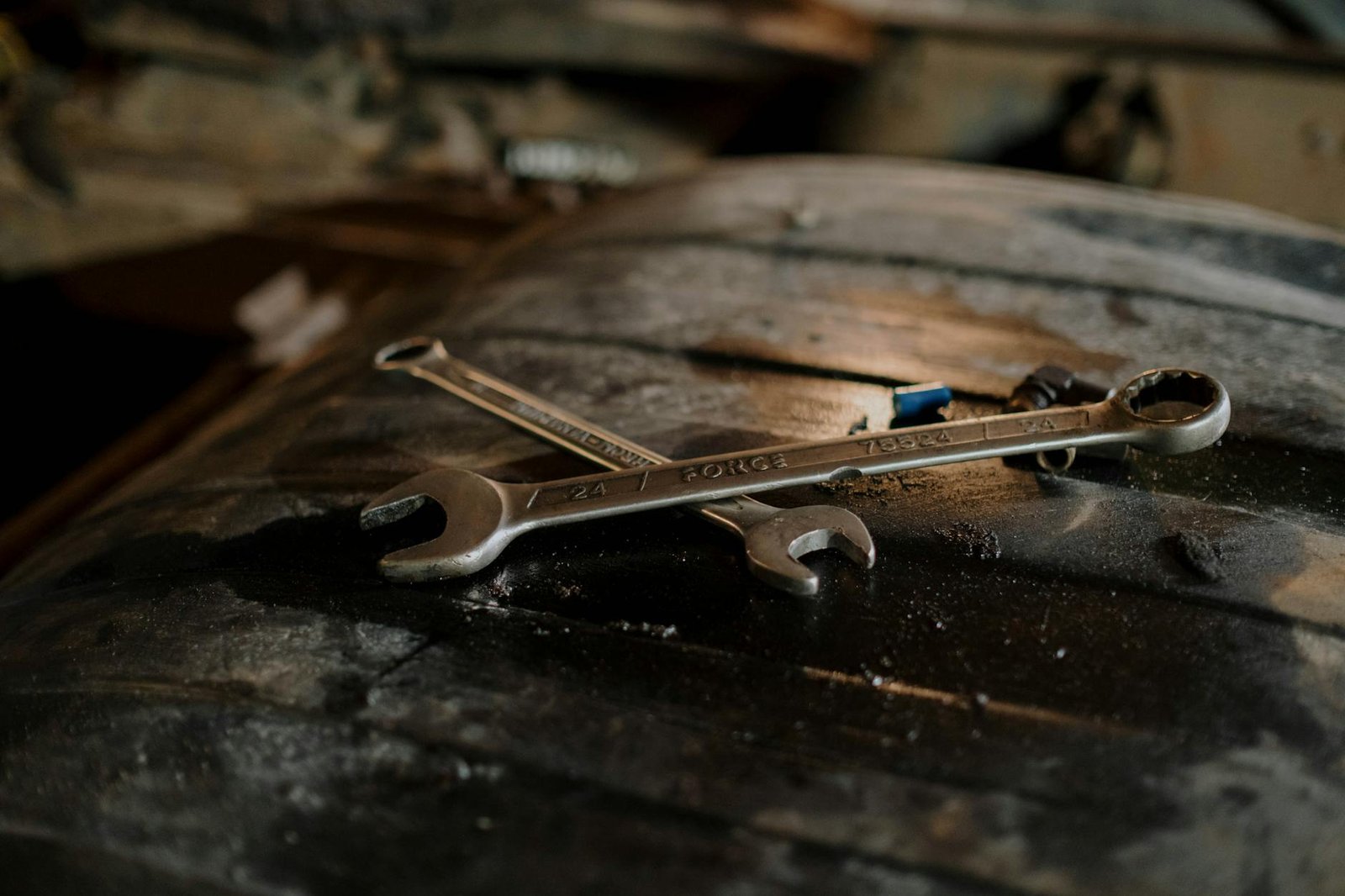
- A wrench or socket set
- A pair of pliers
- A torch or heat gun (for sealed burners)
It’s also recommended to have a set of replacement parts, such as burner caps and igniter electrodes, on hand in case you need to replace them during the repair process.
Step-by-Step Disassembly Guide
Once you have identified the type of burner and gathered the necessary tools, you can begin the disassembly process. Here is a general step-by-step guide:
- Remove the burner cap and any other external components.
- Disconnect the igniter electrode and any other wires connected to the burner.
- Use a wrench or socket set to loosen any bolts or screws holding the burner in place.
- Carefully lift the burner out of the stove and set it aside.
Remember to be patient and gentle when disassembling the burner, as the components can be fragile and easily damaged.
Repairing and Reassembling the Burner
Once you have disassembled the burner, it’s time to repair and reassemble it. This process requires attention to detail and the right tools to ensure your gas stove functions safely and efficiently.
Cleaning and Inspecting Burner Components
Before reassembling the burner, clean and inspect each component for any damage or wear. Use a soft brush or cloth to remove dirt and debris from the burner cap, burner base, and igniter. Check for any blockages in the burner ports and clean them with a small pin or needle if necessary. Inspect the burner components for any signs of damage, such as cracks, rust, or corrosion.
- Check the burner cap for any signs of damage or wear, such as cracks or rust.
- Inspect the burner base for any blockages or damage to the burner ports.
- Check the igniter for any signs of wear or damage, such as a weak spark or corrosion.
Replacing Damaged or Worn-out Parts
If you find any damaged or worn-out parts during the inspection, replace them with new ones. Make sure to purchase replacement parts that are compatible with your gas stove model. Some common replacement parts include burner caps, burner bases, and igniters. When replacing parts, consider the pros and cons of different materials, such as:
| Material | Pros | Cons |
|---|---|---|
| Stainless Steel | Durable, resistant to corrosion | Expensive, may require special cleaning |
| Aluminum | Affordable, lightweight | May corrode, less durable |
Reassembly and Testing the Burner
Once you have cleaned, inspected, and replaced any damaged parts, it’s time to reassemble the burner. Follow the manufacturer’s instructions for reassembly, and make sure all connections are secure. After reassembling the burner, test it to ensure it’s working properly. Always follow safety precautions when testing the burner, such as ensuring the area is well-ventilated and keeping a fire extinguisher nearby. If the burner is not working properly, check for any leaks or blockages and make adjustments as needed.
Maintenance and Troubleshooting Tips
As a home cook, maintaining and repairing your gas stove is crucial to ensure it continues to function efficiently and safely. In this section, we will delve into the importance of regular maintenance and troubleshooting common burner problems.
Regular Maintenance Schedule
To prevent issues and prolong the lifespan of your gas stove, it’s essential to follow a regular maintenance schedule. This includes:
- Cleaning the burners, igniter, and stove top every 1-2 months to remove food debris and grime
- Checking and replacing the igniter electrode every 6-12 months, as worn-out electrodes can lead to ignition issues
- Inspecting the gas hoses and connections for signs of wear or damage, and replacing them if necessary
- Deep cleaning the oven and stove every 3-6 months to remove stubborn stains and grime
Troubleshooting Common Burner Problems
When issues arise, it’s crucial to identify and address them promptly. Here are some common burner problems and their possible solutions:
| Problem | Possible Cause | Solution |
|---|---|---|
| Weak or uneven flame | Clogged burner ports or incorrect burner cap installation | Clean the burner ports or reinstall the burner cap correctly |
| Burner not igniting | Worn-out igniter electrode or faulty igniter | Replace the igniter electrode or igniter module |
| Gas leak or smell | Loose or damaged gas connections | Tighten or replace the gas connections, and have a professional inspect the stove |
By following a regular maintenance schedule and troubleshooting common issues, you can ensure your gas stove continues to function safely and efficiently. Remember to always refer to your user manual and follow safety guidelines when performing maintenance or repairs.
Mini Case Study: The Case of the Flickering Flame
A home cook in a busy household noticed that one of the burners on their gas stove was producing a flickering flame, making it difficult to cook meals evenly. The flame would occasionally go out, requiring constant re-ignition.
The Diagnosis revealed that the issue was caused by a clogged burner cap and a dirty igniter. Food debris and spills had accumulated on the burner cap, restricting gas flow, while the igniter was covered in grime, preventing it from functioning properly.
The Solution involved:
- Cleaning the burner cap: removing food debris and washing it with soap and water
- Inspecting and cleaning the igniter: using a toothbrush to remove grime and ensuring proper alignment
After implementing these simple maintenance tasks, the flickering flame issue was resolved, and the burner functioned normally, providing a consistent and reliable cooking experience.
Final Thoughts
As a home cook, maintaining and repairing your gas stove is essential to ensure it continues to function efficiently and safely. Throughout this guide, we have covered various aspects of gas stove maintenance and repair, from routine cleaning to troubleshooting common issues. By following the tips and techniques outlined in this guide, you can extend the lifespan of your gas stove, prevent unnecessary repairs, and ensure a safe cooking environment.
Key Takeaways
To recap, some of the key takeaways from this guide include:
- Regularly cleaning the burners, igniter, and stove top to prevent food residue and debris buildup
- Checking and replacing worn-out or damaged parts, such as burner caps and igniter electrodes
- Ensuring proper installation and maintenance of gas lines and connections
- Troubleshooting common issues, such as uneven heating or faulty ignition
Best Practices for Ongoing Maintenance
To keep your gas stove in good working condition, it’s essential to adopt a routine maintenance schedule. This includes:
- Daily cleaning of the stove top and burners after each use
- Weekly inspection of the igniter, burner caps, and gas lines for signs of wear or damage
- Monthly deep cleaning of the oven and stove interior
By following these best practices and staying on top of maintenance and repairs, you can enjoy a safe and efficient cooking experience with your gas stove. Remember to always refer to your user manual for specific guidance on maintaining and repairing your particular model, and don’t hesitate to seek professional help if you’re unsure about any aspect of the process.
Frequently Asked Questions
What are the common issues that can occur with gas stoves and how can I troubleshoot them?
Common issues with gas stoves include faulty ignitions, uneven flame, and gas leaks. You can troubleshoot these issues by checking the ignition system, ensuring proper burner cap alignment, and inspecting the gas lines for any damage or blockages.
How often should I clean my gas stove to maintain its performance and safety?
It is recommended to clean your gas stove after every use, with a deep clean every 1-2 months to remove tough stains and grime that can affect its performance and safety.
What are the essential tools and materials needed for repairing and maintaining a gas stove?
The essential tools and materials needed for repairing and maintaining a gas stove include a wrench, pliers, screwdrivers, replacement parts such as burner caps and igniter electrodes, and a gas leak detector for safety.
Are there any safety precautions I should take when working with gas stoves to avoid accidents and injuries?
Yes, when working with gas stoves, it is crucial to take safety precautions such as turning off the gas supply, ensuring proper ventilation, and using protective gear like gloves and safety glasses to avoid accidents and injuries.