Debunking the High Heat Myth for Perfect Sear on Gas Stoves
As a stove expert, I can attest that achieving the perfect sear and maintaining optimal heat control are two of the most crucial aspects of cooking. Whether you’re a professional chef or a home cook, understanding the intricacies of your stove is essential to producing high-quality dishes. In this article, we’ll delve into the world of stoves, exploring the key concepts that will take your cooking to the next level.
Understanding the Sear
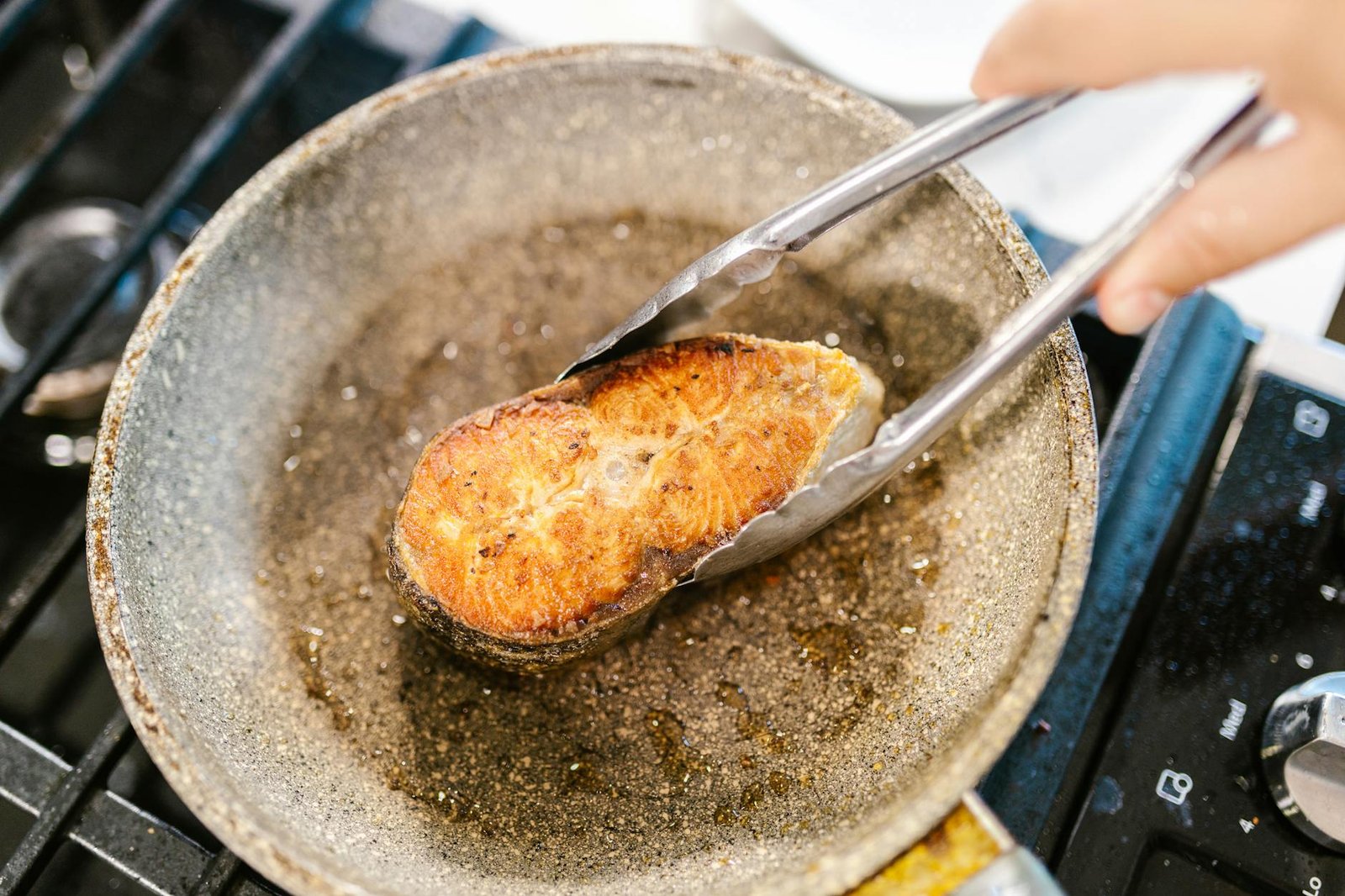
A good sear is the foundation of many great dishes, from a perfectly cooked steak to a crispy-skinned roast chicken. To achieve this, it’s essential to understand the science behind the sear. The Maillard reaction, a chemical reaction between amino acids and reducing sugars, is responsible for the formation of the sear. This reaction occurs when food is cooked at high temperatures, resulting in the creation of new flavor compounds and browning. However, achieving the perfect sear requires more than just high heat; it also demands a deep understanding of your stove’s capabilities and limitations.
Importance of Heat Control
Heat control is critical when it comes to cooking, as it allows you to fine-tune the temperature and cooking time to suit the specific needs of your dish. A stove with precise heat control enables you to cook with confidence, knowing that your food will be cooked to the perfect doneness. Some stoves offer advanced features such as low-simmer burners and high-heat wok burners, which provide a range of heat options to suit different cooking techniques. When choosing a stove, consider the following factors:
- Type of cooking: Different types of cooking require different levels of heat control. For example, low-heat cooking is ideal for simmering sauces, while high-heat cooking is better suited for searing meat.
- Stove type: Gas stoves offer more precise heat control than electric stoves, but may require more maintenance.
- Additional features: Some stoves come with advanced features such as temperature control and timer functions, which can enhance the cooking experience.
By understanding the importance of heat control and the science behind the sear, you’ll be well on your way to becoming a stove master. In the following sections, we’ll explore these topics in more detail, providing you with the knowledge and expertise to take your cooking to new heights.
The Science Behind Searing
🔥 Popular on Stove Mastery
As a stove expert, I can attest that searing is an art that requires a deep understanding of the underlying science. When done correctly, searing can elevate a dish from ordinary to extraordinary, adding a rich, caramelized crust that enhances the flavor and texture of the food.
Maillard Reaction: The Key to Perfect Sear
The Maillard reaction is a chemical reaction between amino acids and reducing sugars that occurs when food is cooked, leading to the formation of new flavor compounds and browning. This reaction is the key to achieving a perfect sear. When a protein is heated, the amino acids and sugars on its surface react with each other, resulting in the formation of a golden-brown crust. To maximize the Maillard reaction, it’s essential to use high heat, dry the surface of the food, and not stir or move the food too much during the searing process.
Role of Temperature and Time in Searing
Temperature and time are crucial factors in achieving a perfect sear. The ideal temperature for searing varies depending on the type of food, but generally, it’s between 350°F to 500°F (175°C to 260°C). The time required for searing also depends on the food, but it’s typically between 1-5 minutes per side. Here are some general guidelines for searing different types of food:
- Proteins: 2-3 minutes per side at 400°F (200°C)
- Vegetables: 1-2 minutes per side at 350°F (175°C)
- Seafood: 1-2 minutes per side at 400°F (200°C)
It’s essential to note that the temperature and time may vary depending on the specific stove and cookware being used. Experimenting with different temperatures and times will help you find the perfect combination for your specific setup.
Debunking the High Heat Myth
Watch: What’s the Sear Zone and Why Should You Use It
As a stove expert, I’ve often encountered the misconception that high heat is necessary for achieving a perfect sear on your dishes. However, this notion is far from the truth. In fact, high heat cooking can be detrimental to the quality and safety of your food.
The Risks of High Heat Cooking
Cooking at extremely high temperatures can lead to a range of issues, including the formation of harmful compounds, such as acrylamide and polycyclic aromatic hydrocarbons (PAHs), which have been linked to cancer. Additionally, high heat can cause the outside of your food to burn before the inside is fully cooked, resulting in an unappetizing texture and flavor. Some of the key risks associated with high heat cooking include:
- Burning and charring of food
- Formation of harmful compounds
- Uneven cooking and foodborne illness
- Damage to cookware and stove surfaces
Alternative Methods for Achieving Perfect Sear
So, how can you achieve a perfect sear without resorting to high heat? The answer lies in using the right techniques and equipment. Some alternative methods include:
- Medium-low heat with a cast-iron skillet: This method allows for a slow and even sear, resulting in a crispy crust and a tender interior.
- Sous vide cooking: This method involves sealing your food in a bag and cooking it in a water bath, resulting in a perfectly cooked interior and a tender exterior.
- Pan-searing with a thermometer: Using a thermometer to monitor the temperature of your pan and food can help you achieve a perfect sear without overcooking or burning your food.
By using these alternative methods, you can achieve a perfect sear without the risks associated with high heat cooking. Remember, it’s not about the heat, it’s about the technique and attention to detail.
Mastering the Perfect Sear on Gas Stoves
Mastering the perfect sear on gas stoves is a crucial skill for any home cook or professional chef. Achieving a flavorful, caramelized crust on your dishes can elevate the entire dining experience. To help you achieve this, we’ll delve into the optimal heat settings and techniques for even heating on gas stoves.
Optimal Heat Settings for Gas Stoves
To achieve the perfect sear, it’s essential to understand the optimal heat settings for your gas stove. The ideal heat setting will vary depending on the type of cookware and the food you’re cooking. As a general rule, use high heat for searing and medium-low heat for finishing. Here are some specific guidelines:
- For searing meat, use high heat (around 450-500°F) for 1-2 minutes per side.
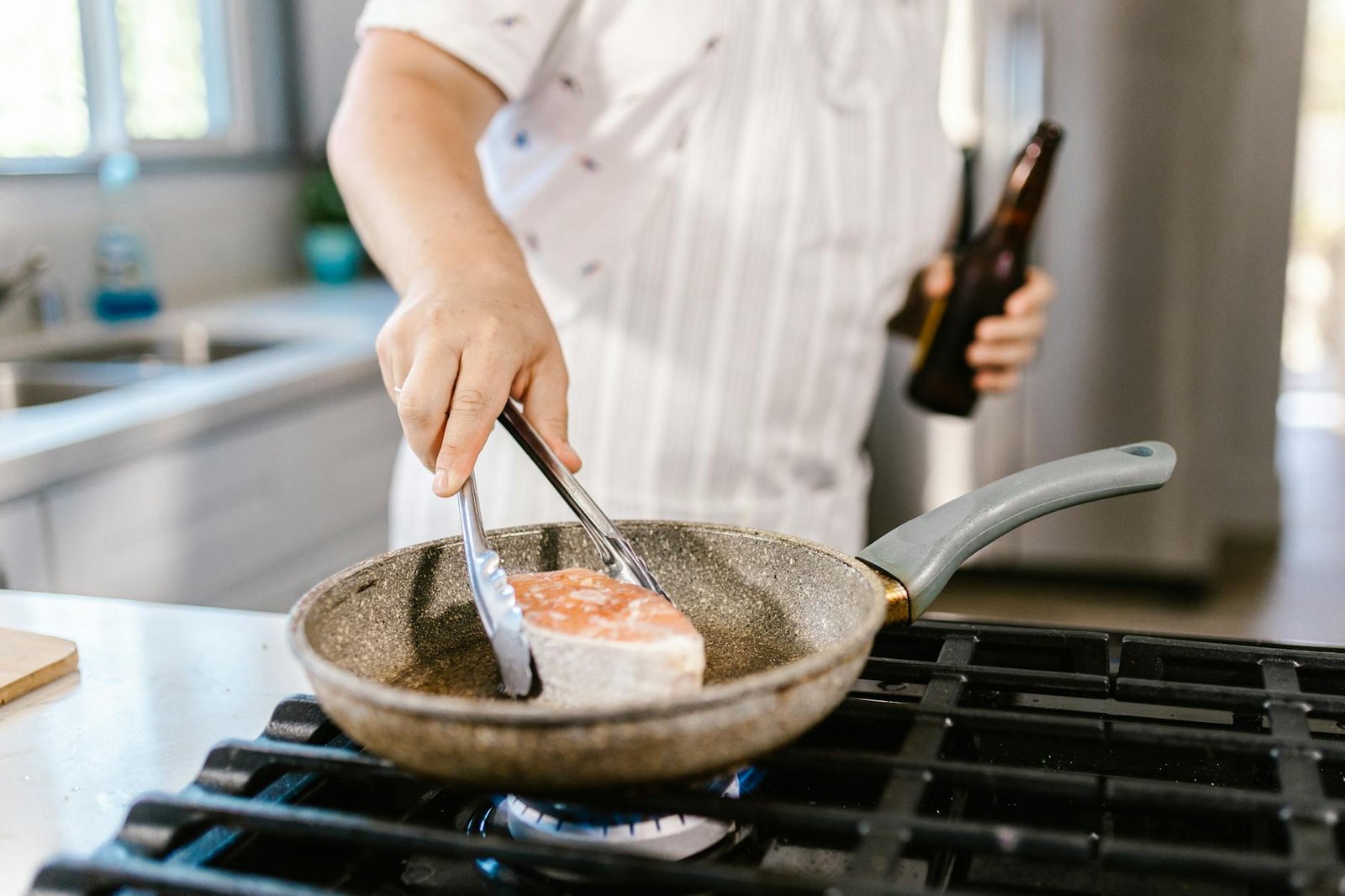
- For searing fish, use medium-high heat (around 400-450°F) for 2-3 minutes per side.
- For searing vegetables, use medium heat (around 350-400°F) for 3-5 minutes per side.
Techniques for Achieving Even Heating
Even heating is crucial for achieving a perfect sear. Here are some techniques to help you achieve even heating on your gas stove:
- Preheat your pan: Preheat your pan for at least 5 minutes before adding food to ensure it’s hot and ready for searing.
- Use the right cookware: Choose cookware that retains heat well, such as cast iron or stainless steel.
- Don’t overcrowd the pan: Cook food in batches if necessary, to ensure each piece has enough room to cook evenly.
By following these guidelines and techniques, you’ll be well on your way to mastering the perfect sear on your gas stove. Remember to always adjust your heat settings and cooking times based on the specific food you’re cooking and the cookware you’re using.
Mini Case Study: The Case of the Uneven Oven at 350°F
A homeowner in suburban California reported issues with her electric stove, where baked goods were consistently coming out unevenly cooked at 350°F.
The Problem was identified as inconsistent heating patterns, resulting in overcooked edges and undercooked centers.
- The Diagnosis involved checking the oven’s calibration, inspecting the heating elements, and verifying the stove’s installation.
- Upon inspection, it was discovered that the oven’s heating element was misaligned, causing the uneven heat distribution.
The Solution involved realigning the heating element and recalibrating the oven to ensure accurate temperature control.
After the adjustments, the homeowner reported perfectly cooked baked goods, with even heating patterns at 350°F, resolving the issue and restoring her trust in her electric stove.
Final Thoughts
As we conclude our discussion on stoves, it’s essential to summarize the key points that can help you make an informed decision when choosing the right stove for your needs. Whether you’re a home cook or a professional chef, a good stove can make all the difference in the quality of your cooking and the overall cooking experience.
When selecting a stove, consider factors such as fuel type, cooking power, and safety features. Different types of stoves, including gas, electric, and induction, have their own pros and cons. For example, gas stoves offer precise control over heat and are ideal for cooking techniques like stir-frying, while electric stoves are generally easier to clean and maintain. Induction stoves, on the other hand, are energy-efficient and safe, but may require special cookware.
Key Considerations
Some key considerations when choosing a stove include:
- Cooking Power: Look for a stove with sufficient cooking power to meet your needs. This can range from 2 to 6 burners, depending on the size of your household and your cooking habits.
- Safety Features: Consider stoves with safety features such as automatic shut-off, child safety locks, and heat-resistant glass.
- Energy Efficiency: Choose a stove that is energy-efficient and environmentally friendly. Induction stoves, for example, use up to 90% of the energy produced, compared to gas stoves which use around 40-50%.
In conclusion, selecting the right stove can be a daunting task, but by considering your cooking needs, budget, and lifestyle, you can make an informed decision. Whether you’re looking for a high-end gas stove or a budget-friendly electric stove, there’s a stove out there that can meet your needs and provide you with a great cooking experience. By weighing the pros and cons of each type of stove and considering key factors such as cooking power, safety features, and energy efficiency, you can find the perfect stove for your kitchen.
Frequently Asked Questions
What does ‘None’ mean in programming?
In programming, ‘None’ is a keyword that represents the absence of a value or a null object. It is often used to indicate that a variable or function has no value or has not been initialized.
How is ‘None’ used in conditional statements?
The ‘None’ keyword is often used in conditional statements to check if a variable has a value or not, allowing the program to make decisions based on the presence or absence of a value.
Can ‘None’ be used as a return value for functions?
Yes, ‘None’ can be used as a return value for functions to indicate that the function did not return any value or that an error occurred.
How does ‘None’ differ from other null-like values?
The ‘None’ keyword is a specific value in Python, whereas other languages may use ‘null’ or ‘undefined’ to represent the absence of a value, so it’s essential to understand the differences when working with different programming languages.