A Beginner’s Guide to Choosing the Right Range Hood for Your Kitchen
A well-designed kitchen ventilation system is essential for efficient cooking and safety. As a stove expert, I can attest that a proper ventilation system can make a significant difference in the overall cooking experience. It not only removes unwanted smoke, odors, and moisture from the air but also helps to prevent the buildup of grease and food particles that can lead to fires. In this article, we will explore the importance of optimizing your kitchen ventilation system and provide practical tips on how to achieve it.

When it comes to kitchen ventilation, there are several factors to consider, including the type of stove or cooktop, the size of the kitchen, and the local building codes and regulations. A good ventilation system should be able to remove at least 90% of the airborne pollutants and moisture generated during cooking. This can be achieved through a combination of proper ductwork, adequate fan power, and regular maintenance.
Key Considerations
- Stove Type: The type of stove or cooktop you have will play a significant role in determining the ventilation requirements. For example, gas stoves require more ventilation than electric stoves due to the higher amount of moisture and pollutants generated.
- Kitchen Size: The size of the kitchen will also impact the ventilation requirements. Larger kitchens require more powerful fans and larger ducts to ensure proper airflow.
- Local Building Codes: It’s essential to check with local building codes and regulations to ensure that your ventilation system meets the required standards.
By optimizing your kitchen ventilation system, you can enjoy a safer, more efficient, and more pleasant cooking experience. In the following sections, we will delve into the details of designing and installing an effective kitchen ventilation system, including the different types of fans, ducts, and filters available, as well as tips for regular maintenance and troubleshooting common issues.
Understanding Range Hoods
🔥 Popular on Stove Mastery
Understanding range hoods is crucial for optimizing your kitchen ventilation system. A range hood is a vital component that helps remove cooking fumes, moisture, and grease from your kitchen, ensuring a safe and healthy cooking environment. In this section, we will delve into the different types of range hoods and key features to consider when selecting the right one for your kitchen.
Types of Range Hoods
There are three primary types of range hoods: ducted, ductless, and convertible models. Each type has its pros and cons, which are essential to consider when making a decision.
- Ducted Range Hoods: These models vent cooking fumes and moisture outside your home through a duct system, providing the most effective ventilation. However, they require professional installation and may be more expensive.
- Ductless Range Hoods: Also known as recirculating range hoods, these models use filters to clean the air and release it back into the kitchen. They are easier to install and less expensive than ducted models but may not be as effective in removing grease and moisture.
- Convertible Range Hoods: These models offer the flexibility to install them as either ducted or ductless, depending on your kitchen’s configuration and ventilation needs.
Key Features to Consider
When selecting a range hood, there are several key features to consider, including:
- CFM (Cubic Feet per Minute): This measures the range hood’s airflow capacity. A higher CFM rating indicates more effective ventilation, but also increases noise levels.
- Noise Level: Measured in sones, a lower noise level is essential for a comfortable cooking experience. Look for range hoods with a noise level of 1-3 sones for minimal disruption.
- Filtration Systems: Range hoods may come with different types of filters, such as charcoal, mesh, or baffle filters. Consider the type of cooking you do and the level of filtration you need to choose the right range hood.
By understanding the different types of range hoods and key features to consider, you can make an informed decision and select the right range hood for your kitchen, ensuring efficient cooking and safety.
Selecting the Right Range Hood for Your Kitchen
Watch: 2025 Range Hood Review: Top 5 for Every Kitchen Style (Wall, Under-Cabinet, Island, Ductless)
Selecting the right range hood for your kitchen is a crucial step in optimizing your kitchen ventilation system. With so many options available, it can be overwhelming to choose the perfect one. Here’s a comprehensive guide to help you make an informed decision.
Measuring Your Space
To ensure the right fit for your range hood, measure your kitchen space carefully. Take note of the width and depth of your cooktop, as well as the height of your ceiling. Consider the following factors:
- Measure the distance between your cooktop and the nearest cabinet or wall to determine the minimum clearance required.
- Check the manufacturer’s specifications for the range hood’s installation requirements, including the recommended distance from the cooktop.
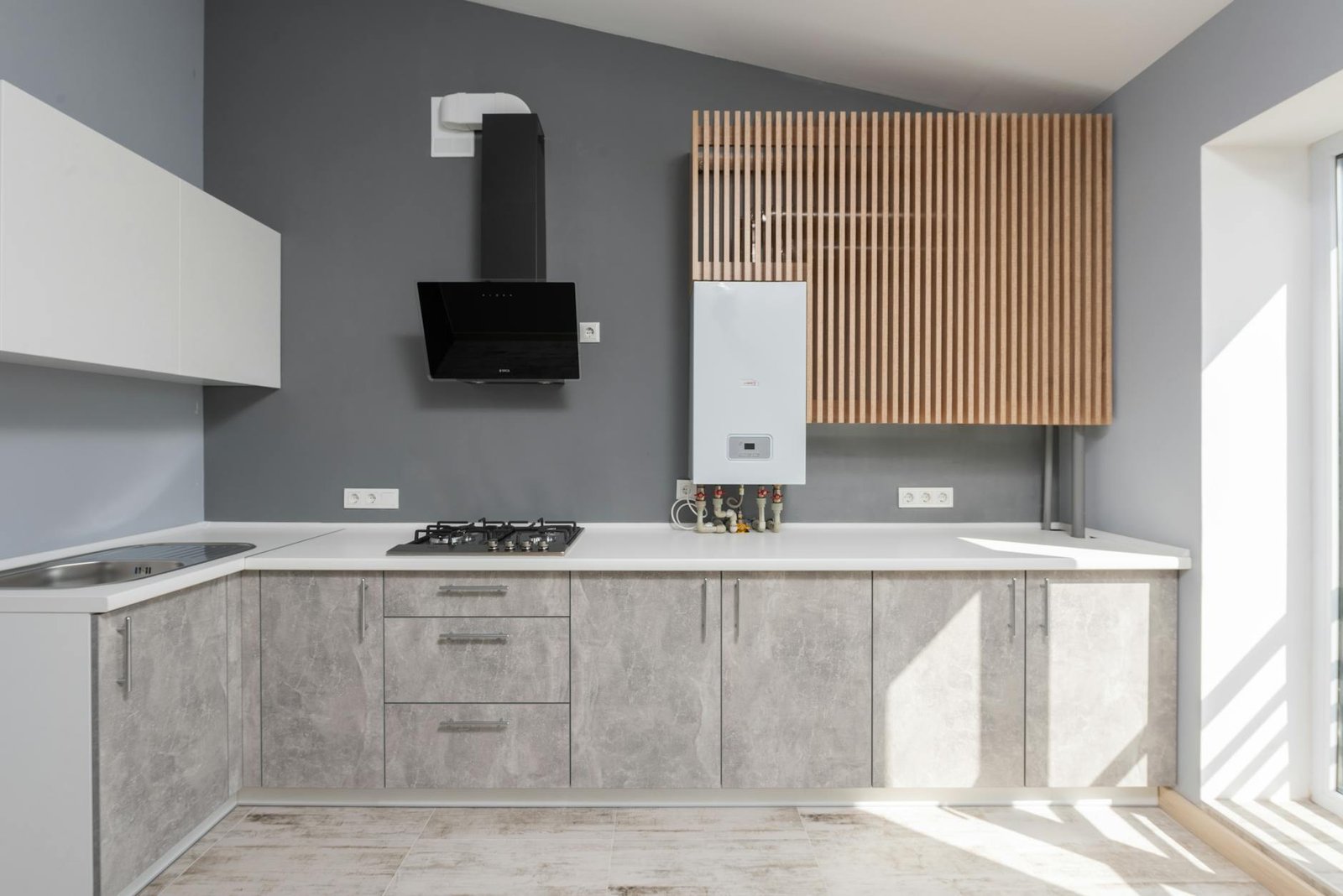
- Consider the size and shape of your kitchen to determine the most suitable range hood style, such as a wall-mounted, island, or under-cabinet model.
Matching Style and Functionality
Choose a range hood that matches your kitchen’s style and meets your cooking needs. Consider the following factors:
- Style: Select a range hood that complements your kitchen’s design, such as a modern, traditional, or rustic style.
- Functionality: Consider the type of cooking you do most often and choose a range hood with features that cater to your needs, such as a high-CFM (cubic feet per minute) rating for heavy cooking or a silent operation for quiet cooking.
- Features: Look for features like adjustable fan speeds, LED lighting, and remote control for added convenience.
Budget and Installation Considerations
Set a budget for your range hood and consider the installation costs, including DIY or professional installation. Weigh the pros and cons of each option:
| Installation Type | Pros | Cons |
|---|---|---|
| DIY Installation | Cost-effective, flexibility in scheduling | Labor-intensive, potential for errors |
| Professional Installation | Expertise, warranty coverage, safety assurance | Higher cost, scheduling constraints |
By considering these factors, you can select the right range hood for your kitchen and ensure efficient cooking and safety.
Maintenance and Safety Tips
To ensure your kitchen ventilation system operates efficiently and safely, it’s essential to follow proper maintenance and safety protocols. A well-maintained range hood can significantly improve indoor air quality, reduce cooking odors, and prevent grease buildup. In this section, we’ll delve into the importance of regular maintenance and crucial safety precautions to consider.
Regular Maintenance
Regular cleaning and maintenance are vital to ensure your range hood functions efficiently and safely. Over time, grease, dust, and other particles can accumulate on the filters, fan, and ducts, reducing airflow and increasing the risk of fires. To maintain your range hood, follow these steps:
- Clean the filters every 1-3 months, depending on usage. Replace them every 6-12 months or as recommended by the manufacturer.
- Wipe down the range hood, fan, and ducts with a mild detergent and water every 1-2 months.
- Check and replace the grease trap every 1-3 months to prevent grease buildup and fires.
- Inspect the ducts and vents for blockages, damage, or wear and tear. Clean or replace them as needed.
Safety Precautions
When using your range hood, it’s crucial to follow proper safety precautions to prevent accidents and ensure efficient operation. Here are some key safety considerations:
- Proper Installation: Ensure your range hood is installed correctly, with the correct duct size, venting, and electrical connections.
- Usage Guidelines: Follow the manufacturer’s guidelines for usage, including recommended cooking temperatures, hood speed, and filter maintenance.
- Fire Safety: Never leave cooking unattended, and keep a fire extinguisher nearby. Regularly inspect the range hood and surrounding areas for signs of wear, damage, or excessive heat.
- Electrical Safety: Avoid overloading the range hood with multiple appliances, and ensure all electrical connections are secure and meet local safety standards.
By following these maintenance and safety tips, you can ensure your kitchen ventilation system operates efficiently, safely, and effectively, providing a healthier and more comfortable cooking environment.
Mini Case Study: The Case of the Smoky Kitchen
A busy home cook in a small kitchen was experiencing persistent smoke and grease buildup during cooking, leading to concerns about safety and air quality. The kitchen was equipped with a standard range hood, but it seemed inadequate for the amount of cooking being done.
The Problem was identified as insufficient ventilation, causing smoke and fumes to linger in the kitchen. The Diagnosis revealed that the range hood was not powerful enough and was not properly installed, allowing smoke to escape and circulate back into the kitchen.
- Upgraded to a more powerful range hood with increased CFM (cubic feet per minute) rating
- Installed a ducted ventilation system to efficiently exhaust smoke and fumes outside
- Added a grease trap to capture grease particles and prevent them from entering the ductwork
The Solution resulted in a significant reduction in smoke and grease buildup, improving air quality and safety in the kitchen. The home cook can now cook with confidence, knowing that their kitchen ventilation system is optimized for efficient cooking and safety.
Final Thoughts
In conclusion, optimizing your kitchen ventilation system is crucial for efficient cooking and safety. A well-designed ventilation system can significantly improve indoor air quality, reduce cooking odors, and prevent the buildup of grease and moisture. As a stove expert, I have highlighted the importance of choosing the right ventilation system, maintaining it regularly, and ensuring it is installed correctly.
Key Takeaways
To summarize, here are the key takeaways from this article:
- Choose a ventilation system that is suitable for your kitchen size and cooking style.
- Regularly clean and maintain your ventilation system to ensure optimal performance.
- Ensure proper installation of your ventilation system to prevent re-circulation of contaminated air.
- Consider upgrading to a more efficient ventilation system, such as a heat recovery ventilation system, for improved performance and energy efficiency.
Comparison of Ventilation Systems
When it comes to choosing a ventilation system, there are several options available. The following table compares the pros and cons of different ventilation systems:
| Ventilation System | Pros | Cons |
|---|---|---|
| Recirculating Ventilation System | Energy efficient, low installation cost | May not remove all contaminants, can be noisy |
| Exhaust Ventilation System | Effective at removing contaminants, can be more powerful | May be more expensive to install, can be noisy |
| Heat Recovery Ventilation System | Highly energy efficient, can recover heat from exhaust air | More expensive to install, may require more maintenance |
By considering these factors and choosing the right ventilation system for your kitchen, you can ensure efficient cooking and safety. Remember to always follow the manufacturer’s instructions for installation, maintenance, and operation of your ventilation system. With a well-designed and well-maintained ventilation system, you can enjoy a safer, healthier, and more comfortable cooking experience.
Frequently Asked Questions
What are the benefits of optimizing my kitchen ventilation system?
Optimizing your kitchen ventilation system improves indoor air quality, reduces Cooking smells and moisture, and enhances overall safety by removing harmful particles and gases. This leads to a healthier cooking environment and helps prevent accidents.
How often should I clean my kitchen ventilation system?
It is recommended to clean your kitchen ventilation system every 1-3 months, depending on usage, to ensure efficient airflow and prevent grease buildup, which can cause fires.
What are the key components of an efficient kitchen ventilation system?
An efficient kitchen ventilation system consists of a range hood, ductwork, and an exhaust fan, which work together to capture and remove cooking pollutants, heat, and moisture from the kitchen.
Can I install a kitchen ventilation system myself, or do I need a professional?
While it’s possible to install a kitchen ventilation system yourself, it’s highly recommended to hire a professional to ensure correct installation, proper ventilation, and compliance with local building codes and safety regulations.