Troubleshooting Your Stove: A Step-by-Step Guide to Fixing Common Issues
As a stove expert, I understand the frustration that comes with a malfunctioning stove. Whether you’re a homeowner or a professional, troubleshooting and repairing common stove issues can be a daunting task. However, with the right guidance, you can diagnose and fix problems efficiently, saving you time and money. In this article, we will delve into the world of stove troubleshooting, providing you with a comprehensive guide to identifying and resolving common issues.

Before we dive into the nitty-gritty of troubleshooting, it’s essential to understand the importance of regular maintenance. A well-maintained stove is less likely to develop problems, and when issues do arise, they are often less severe. Regular cleaning, checking of connections, and replacement of worn-out parts can go a long way in preventing stove malfunctions.
Understanding Common Stove Issues
Stove issues can be broadly categorized into three main areas: ignition problems, heating issues, and safety concerns. Ignition problems can include faulty igniters, faulty pilot lights, or clogged burners. Heating issues may involve uneven heating, low flame, or no heat at all. Safety concerns, on the other hand, can range from gas leaks to faulty thermostats. By understanding these common issues, you can better diagnose and repair problems when they arise.
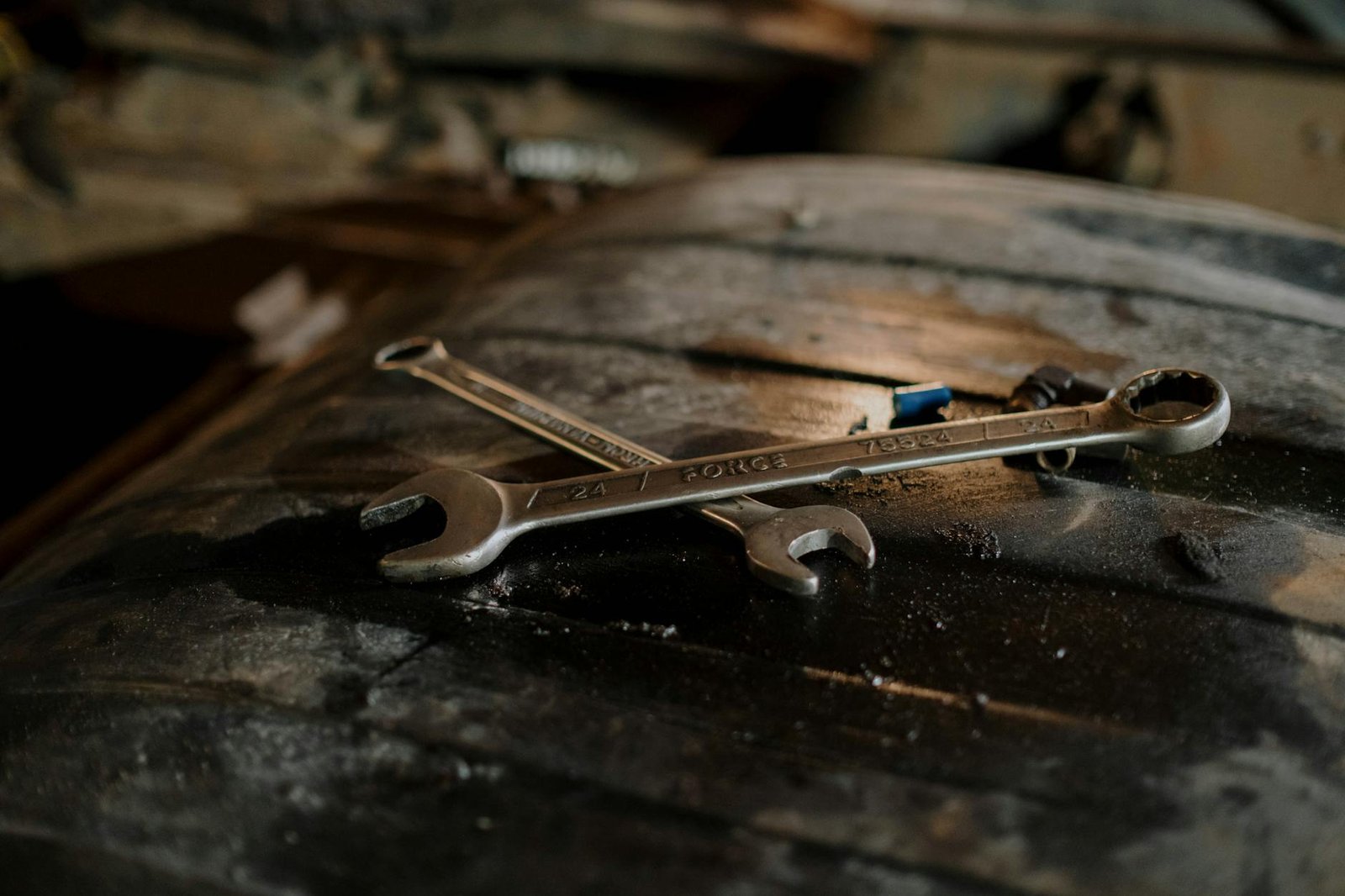
To get started with troubleshooting, it’s crucial to have the right tools and knowledge. Some essential tools include a multimeter, a screwdriver set, and a wrench. Familiarize yourself with your stove’s user manual and safety guidelines to ensure you’re taking the necessary precautions. Additionally, consider the following general tips:
- Always turn off the power and gas supply before attempting any repairs.
- Use protective gear, such as gloves and safety glasses, when working with electrical or gas components.
- Never attempt to repair a stove without proper training and experience.
In the following sections, we will explore specific troubleshooting techniques, repair methods, and maintenance strategies to help you tackle common stove issues. By the end of this article, you’ll be equipped with the knowledge and skills to diagnose and repair stove problems like a pro.
Identifying Common Stove Issues
🔥 Popular on Stove Mastery
Identifying common stove issues is crucial to troubleshooting and repairing your appliance. A faulty stove can be frustrating and even dangerous, so it’s essential to address problems promptly. In this section, we’ll explore two common stove issues and provide practical guidance on diagnosis and repair.
Faulty Ignition Systems
A faulty ignition system can prevent your stove from functioning correctly. Issues with spark generators, ignition switches, and burners are common problems that can be diagnosed and repaired with the right tools and knowledge. To identify ignition system issues, look for signs such as:
➤ Read Also: Instant Read Thermometer Probes for Beginners: A Guide to Stovetop and Oven Temperature Measurement
- Failure to ignite or inconsistent ignition
- Weak or intermittent spark
- Burners that don’t light or stay lit
When repairing ignition system issues, it’s essential to check the spark generator, ignition switch, and burner for damage or wear. Replacement parts may be necessary, and it’s crucial to follow proper safety procedures when working with electrical and gas components.
Malfunctioning Heating Elements
Malfunctioning heating elements can affect the performance and safety of your stove. Faulty coils, burners, and ceramic elements can be replaced, but it’s essential to identify the root cause of the problem. Common signs of malfunctioning heating elements include:
- Inconsistent or uneven heat distribution
- Visible damage or wear on heating elements
- Reduced cooking performance or efficiency
When replacing heating elements, consider the pros and cons of different types, such as:
| Heating Element Type | Pros | Cons |
|---|---|---|
| Coil Elements | Easy to replace, affordable | Less efficient, prone to wear |
| Ceramic Elements | More efficient, durable | More expensive, difficult to replace |
By understanding the common issues and repair options for faulty ignition systems and malfunctioning heating elements, you can troubleshoot and repair your stove with confidence. Remember to always follow safety guidelines and manufacturer instructions when working with your stove.
Troubleshooting Stove Electrical and Gas Systems
Watch: Whirlpool stove burner not working
Troubleshooting stove electrical and gas systems can be a challenging task, but with the right guidance, you can identify and fix issues efficiently. In this section, we will delve into the step-by-step process of diagnosing and repairing electrical and gas system problems with your stove.
Electrical System Troubleshooting
To diagnose electrical issues with your stove, start by checking the control panel, wiring, and outlets. Common problems include faulty igniter, malfunctioning thermostat, or damaged wiring. Here are some steps to follow:
- Check the control panel for any error codes or malfunctioning buttons.
- Inspect the wiring for any signs of damage, wear, or corrosion.
- Verify that all outlets are working properly and not overloaded.
Some common electrical issues and their solutions include:
| Issue | Solution |
|---|---|
| Igniter not working | Replace the igniter or check for any blockages in the ignition system. |
| Malfunctioning thermostat | Replace the thermostat or check for any loose connections. |
Gas System Troubleshooting
Gase system issues can be more complex and require careful attention to safety. Common problems include leaks in the gas supply lines, faulty valves, or clogged burners. Here are some steps to follow:
- Check the gas supply lines for any signs of leaks or damage.
- Inspect the valves for any blockages or wear.
- Verify that the burners are clean and free from debris.
When troubleshooting gas system issues, it’s essential to always prioritize safety. Make sure to turn off the gas supply before attempting any repairs, and consider consulting a professional if you’re unsure about any aspect of the process.
Advanced Stove Repair Techniques and Safety Precautions
As a stove expert, it’s essential to have a deep understanding of advanced stove repair techniques and safety precautions to ensure efficient and safe repairs. In this section, we’ll delve into the specifics of replacing stove parts and components, as well as the crucial safety precautions to take when working with electrical and gas systems.
Replacing Stove Parts and Components
Replacing faulty stove parts and components is a critical aspect of stove repair. This includes burners, ignitors, and heating elements, which can be damaged due to wear and tear or improper maintenance. When replacing these parts, it’s essential to follow the manufacturer’s instructions and take necessary safety precautions to avoid injuries and accidents. Some key considerations include:
- Verifying the replacement part is compatible with the stove model
- Shutting off the power and gas supply before starting the repair
- Using proper tools and equipment to avoid damaging surrounding components
- Testing the replaced part to ensure it’s working correctly and safely
Safety Precautions for Stove Repair
Safety should always be the top priority when working with electrical and gas systems. It’s crucial to understand the potential hazards and take necessary precautions to avoid injuries and accidents. Some key safety precautions include:
➤ Read Also: How to Spot and Fix Common Stove Electrical Problems
- Wearing protective gear, such as gloves and safety glasses
- Ensuring proper ventilation when working with gas systems
- Avoiding loose clothing and long hair that could get caught in moving parts
- Keeping children and pets away from the repair area
By following these advanced stove repair techniques and safety precautions, you’ll be able to efficiently and safely repair common stove issues, ensuring your stove is working correctly and minimizing the risk of accidents and injuries.
Mini Case Study: The Case of the Faulty Burner Ignition
A homeowner in a busy household reported that one of the burners on their gas stove would not ignite. The issue had been ongoing for weeks, causing frustration and inconvenience.
The Problem was identified as a faulty ignition system, which prevented the burner from lighting. To Diagnose the issue, we checked the following:
- Gas supply lines for blockages or leaks
- Igniter electrode for damage or wear
- Burner cap and base for debris or food residue
The Solution involved replacing the faulty igniter electrode and cleaning the burner cap and base. After these repairs, the burner ignited normally, and the homeowner was able to use their stove without issue.
Final Thoughts
As a comprehensive guide to troubleshooting and repairing common stove issues comes to a close, it’s essential to recap the key takeaways and outline the next steps for stove owners and maintenance professionals. Throughout this article, we’ve covered various stove problems, from faulty ignitions to malfunctioning burners, and provided practical solutions to get your stove up and running efficiently.
Recap of Key Takeaways
A thorough understanding of your stove’s components, troubleshooting techniques, and repair methods is crucial for maintaining its performance and extending its lifespan. Some of the most critical aspects to remember include:
➤ Read Also: How to Fix Low Flame on Gas Stove: A Complete Guide
- Regular cleaning and maintenance to prevent clogs and wear and tear
- Identifying and addressing common issues, such as faulty ignitions, malfunctioning burners, and faulty thermostats
- Using the correct tools and replacement parts to ensure safe and effective repairs
Next Steps for Stove Owners
Now that you’ve gained a deeper understanding of troubleshooting and repairing common stove issues, it’s time to put your knowledge into practice. If you’re experiencing problems with your stove, start by:
- Consulting your user manual or manufacturer’s website for specific guidance on troubleshooting and repair
- Inspecting your stove’s components and identifying potential causes of the issue
- Implementing the repair methods outlined in this guide, or seeking professional assistance if necessary
By following these steps and staying proactive about maintenance, you can minimize downtime, reduce repair costs, and ensure your stove continues to function safely and efficiently.
Additional Resources
For further guidance and support, consider consulting the following resources:
- Manufacturer’s websites and customer support hotlines
- Online forums and communities dedicated to stove maintenance and repair
- Professional appliance repair services for complex or ongoing issues
By leveraging these resources and applying the knowledge gained from this guide, you’ll be well-equipped to tackle common stove issues and keep your appliance running at its best.
Frequently Asked Questions
What are the most common issues with electric stoves?
The most common issues with electric stoves include faulty heating elements, malfunctioning thermostats, and worn-out igniter switches. Regular maintenance can help prevent these issues.
How do I troubleshoot a gas stove that won’t light?
To troubleshoot a gas stove that won’t light, check the igniter switch, ensure the burner cap is properly aligned, and verify that the gas supply is turned on.
Can I repair a cracked glass cooktop on my own?
While it’s possible to repair a cracked glass cooktop, it’s often recommended to seek professional help to avoid further damage or safety hazards.
What safety precautions should I take when repairing my stove?
When repairing your stove, always unplug the appliance, turn off the gas supply, and wear protective gloves and eyewear to prevent injuries and electrical shocks.