Troubleshooting Stove Issues: A Beginner’s Guide to Saving Time and Money
A well-functioning stove is the backbone of any kitchen, providing a means to cook and prepare meals for oneself and one’s family. However, like any other appliance, stoves can malfunction or develop issues over time, which can be frustrating and even hazardous. As a stove expert, I have seen numerous cases where simple maintenance and troubleshooting can resolve common problems, extending the lifespan of the stove and preventing costly repairs.
Importance of Stove Maintenance
Regular maintenance is crucial to prevent stove issues from arising in the first place. This includes cleaning the stove and its components, checking and replacing worn-out parts, and ensuring proper installation. A well-maintained stove not only ensures efficient cooking but also reduces the risk of accidents and injuries. For instance, a dirty stove can lead to grease buildup, which can cause fires, while a malfunctioning burner can lead to gas leaks. By prioritizing stove maintenance, homeowners can avoid these risks and enjoy a safe and efficient cooking experience.
Common Stove Issues Faced by Homeowners
Despite regular maintenance, stoves can still develop issues due to various reasons such as wear and tear, faulty components, or incorrect usage. Some common stove issues faced by homeowners include:
- Ignition problems, such as faulty igniter or spark module
- Burner issues, such as uneven heating or clogged burner ports
- Temperature control problems, such as faulty thermostat or temperature sensor
- Electrical issues, such as faulty wiring or malfunctioning control panel
These issues can be caused by a range of factors, including poor maintenance, incorrect installation, or manufacturer defects. In the following sections, we will delve into the causes, symptoms, and solutions for these common stove issues, providing homeowners with the knowledge and expertise to troubleshoot and repair their stoves effectively.
Identifying Common Stove Issues
🔥 Popular on Stove Mastery
As a stove expert, it’s essential to identify common issues that can arise with your stove to ensure prompt troubleshooting and repair. In this section, we’ll delve into the most frequent problems that stove owners encounter, providing you with the knowledge to diagnose and potentially fix the issue yourself.
Faulty Ignition Systems
A faulty ignition system is one of the most common issues with stoves. This can be caused by a faulty igniter, clogged burners, or a malfunctioning spark module. To identify the problem, check for the following symptoms:
- Clicking sound without flame ignition
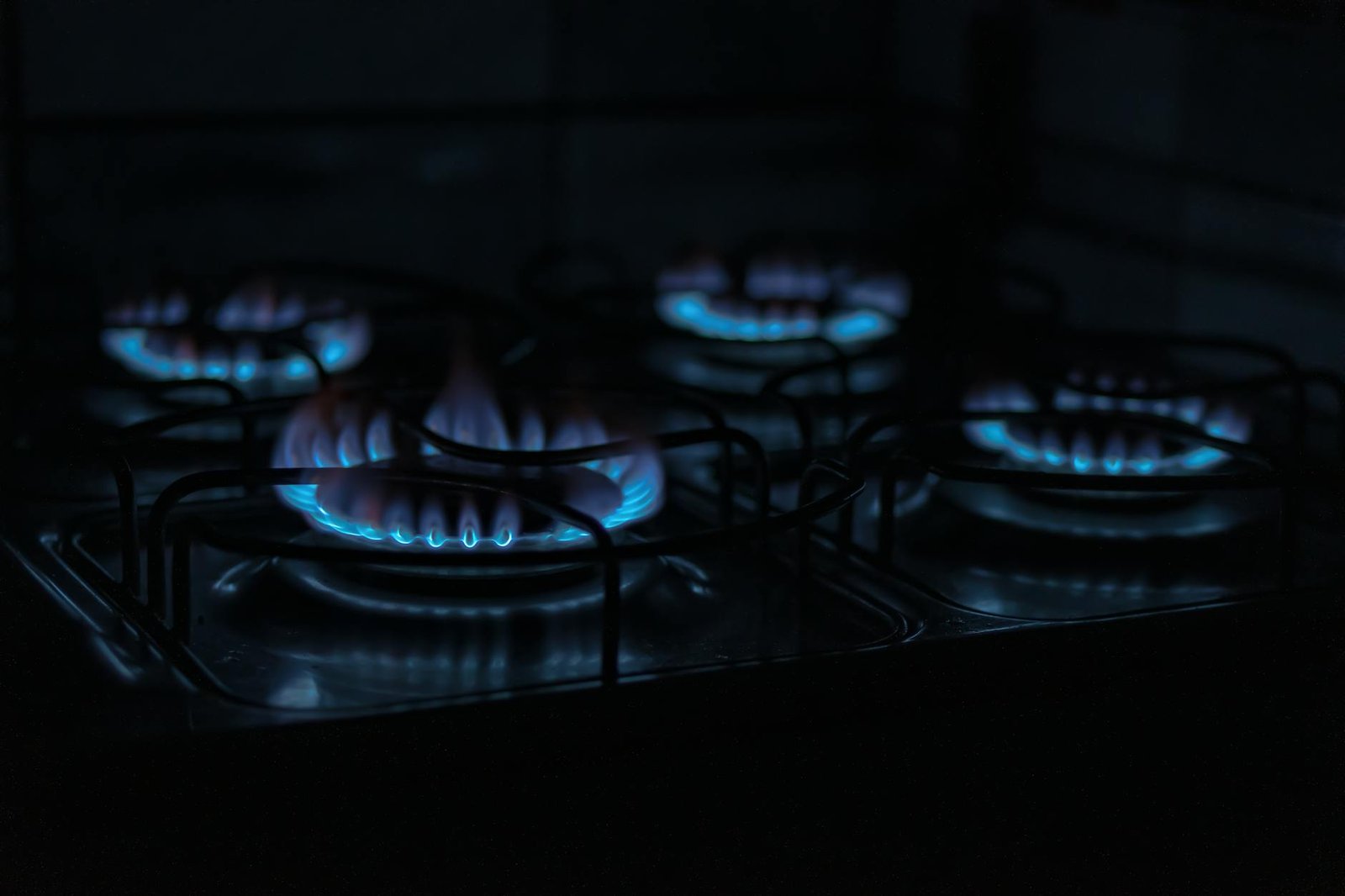
- Weak or yellow flame
- Difficulty lighting the burner
If you’re experiencing any of these symptoms, it’s crucial to inspect the igniter, burners, and spark module for any blockages or damage.
Malfunctioning Heating Elements
Heating elements, such as coils or ceramic elements, can malfunction due to wear and tear, poor maintenance, or manufacturing defects. Common signs of malfunctioning heating elements include:
- Inconsistent or weak heat output
- Visible damage or cracks on the element
- Unusual smells or sounds during operation
When replacing a heating element, consider the pros and cons of different types, such as coil vs. ceramic elements. Coil elements are generally more affordable but may have a shorter lifespan, while ceramic elements are more durable but can be more expensive.
Issues with Stove Controls and Displays
Stove controls and displays can be prone to issues, especially with electronic models. Problems may arise from faulty sensors, worn-out buttons, or software glitches. Look out for symptoms such as:
- Unresponsive buttons or knobs
- Incorrect temperature readings
- Display errors or frozen screens
To troubleshoot these issues, try resetting the stove or replacing faulty sensors. If the problem persists, it may be necessary to consult a professional for further assistance.
Troubleshooting and Repairing Stove Issues
Watch: Surface Element Not Working — Electric Range Troubleshooting
As a stove expert, I’ve compiled a comprehensive guide to help you troubleshoot and repair common stove issues. In this section, we’ll dive into the most effective techniques for identifying and fixing problems with your electric or gas stove.
Basic Troubleshooting Steps for Electric Stoves
Before calling a professional, try these basic troubleshooting steps for electric stoves:
- Check the power cord and ensure it’s properly plugged in.
- Verify that the circuit breaker or fuse hasn’t tripped or blown.
- Inspect the stove’s heating elements for signs of damage or wear.
- Consult the user manual for specific troubleshooting guides.
Troubleshooting and Repairing Gas Stove Issues
Gas stoves require more caution and attention to safety when troubleshooting. Some common issues include:
- Ignition problems: Check the igniter electrode for damage or debris. Clean or replace it if necessary.
- Uneven flames: Adjust the burner cap or replace it if damaged.
- Gas leaks: Check connections and hoses for signs of damage or corrosion. Replace them if necessary.
Replacing Stove Parts and Accessories
When replacing stove parts or accessories, consider the following factors:
| Part/Accessory | Pros | Cons |
|---|---|---|
| Original Manufacturer’s Parts | Guaranteed compatibility, high quality | Generally more expensive |
| Aftermarket Parts | Cost-effective, wide availability | May vary in quality, compatibility issues possible |
Remember to always follow safety guidelines and manufacturer instructions when replacing stove parts or accessories to avoid injuries or further damage.
Preventative Maintenance and Safety Precautions
As a stove expert, I emphasize the importance of preventative maintenance and safety precautions to ensure the longevity and safe operation of your stove. Regular maintenance tasks and adherence to safety guidelines can help prevent common issues and reduce the risk of accidents.
Regular Cleaning and Maintenance Tasks
To maintain your stove’s performance and prevent issues, perform the following tasks regularly:
- Clean the stove surfaces, burners, and drip pans after each use to prevent food residue buildup and grease accumulation.
- Check and replace the stove’s filters, such as the range hood filter, every 1-3 months, depending on usage.
- Inspect the stove’s electrical connections and gas lines for signs of wear or damage, and have them professionally checked and repaired if necessary.
- Run a self-cleaning cycle on your stove every 1-2 months to remove tough grime and food residue.
Safety Precautions When Working with Electrical and Gas Stoves
When working with electrical and gas stoves, it’s essential to take safety precautions to avoid accidents and injuries:
- Always unplug the stove or turn off the gas supply before performing maintenance or repairs.
- Use protective gear, such as gloves and safety glasses, when working with electrical or gas components.
- Ensure proper ventilation when working with gas stoves to prevent the accumulation of flammable gases.
- Never leave a stove unattended while it’s in operation, and keep children and pets away from the cooking area.
By following these regular cleaning and maintenance tasks and safety precautions, you can help prevent common stove issues and ensure a safe and efficient cooking experience.
| Stove Type | Pros | Cons |
|---|---|---|
| Electric Stove | Easier to clean, less expensive to install | Less energy-efficient, slower heat-up time |
| Gas Stove | Faster heat-up time, more energy-efficient | More expensive to install, requires regular maintenance |
Remember, regular maintenance and safety precautions are crucial to extending the lifespan of your stove and preventing accidents. Always refer to your stove’s user manual for specific maintenance and safety guidelines.
Mini Case Study: The Case of the Inconsistent Burners
A homeowner in a busy household reported that their stove’s burners were not heating consistently, causing cooking times to vary significantly. The issue was most pronounced on the front left burner, which would often not ignite at all.
Diagnosis: After inspecting the stove, it was found that the problem was due to a combination of clogged burner ports and a faulty igniter.
- Clogged burner ports were causing uneven gas flow, leading to inconsistent heating.
- A faulty igniter was preventing the front left burner from igniting reliably.
Solution: The burner ports were cleaned, and the faulty igniter was replaced. Additionally, the stove’s burners were adjusted to ensure proper gas flow and ignition. After these repairs, the stove’s burners were functioning consistently, and the homeowner was able to cook with ease and precision.
Final Thoughts
As we conclude this comprehensive guide to troubleshooting and repairing common stove issues, it’s essential to remember that a well-maintained stove is a safe and efficient one. By following the steps and tips outlined in this guide, you’ll be able to identify and fix common problems, saving you time, money, and frustration. Whether you’re dealing with a faulty igniter, a malfunctioning burner, or a faulty thermostat, the key to successful repair is patience, persistence, and the right knowledge.
Troubleshooting and Repair Best Practices
To ensure your stove continues to function optimally, it’s crucial to adopt a proactive approach to maintenance and repair. This includes regularly cleaning your stove, checking for worn-out or damaged parts, and addressing issues promptly. By doing so, you’ll not only prevent minor problems from escalating into major ones but also extend the lifespan of your stove.
Common Mistakes to Avoid
When troubleshooting and repairing your stove, there are several common mistakes to avoid. These include:
- Not following safety guidelines: Always unplug your stove and ensure the area is well-ventilated before attempting any repairs.
- Using incorrect replacement parts: Make sure to use genuine or compatible parts to avoid compromising your stove’s performance or safety.
- Ignoring manufacturer instructions: Familiarize yourself with your stove’s user manual and follow the recommended troubleshooting and repair procedures.
By avoiding these common pitfalls and following the guidelines outlined in this comprehensive guide, you’ll be well-equipped to troubleshoot and repair common stove issues. Remember to stay safe, be patient, and don’t hesitate to seek professional help if you’re unsure or uncomfortable with any aspect of the repair process. With the right knowledge and approach, you’ll be cooking up a storm in no time, with a stove that’s reliable, efficient, and safe to use.
Frequently Asked Questions
What are the most common issues with stoves that require troubleshooting?
The most common issues with stoves include faulty ignitions, uneven heating, and malfunctioning burners. These issues can often be resolved with simple repairs or replacements of worn-out parts.
How do I troubleshoot a stove that won’t turn on?
To troubleshoot a stove that won’t turn on, check the power supply, ensure the stove is properly plugged in, and verify that the circuit breaker or fuse hasn’t tripped.
What safety precautions should I take when repairing my stove?
When repairing your stove, always unplug the appliance, wear protective gloves and safety glasses, and ensure the area is well-ventilated to avoid exposure to harmful fumes or electrical shock.
Can I repair my stove on my own or should I hire a professional?
While some minor repairs can be done on your own, such as replacing a faulty igniter or cleaning the burners, more complex issues may require the expertise of a professional appliance repair technician to ensure safety and avoid further damage.