
Adding a hearth to your living space creates warmth, comfort, and a clear visual anchor. It also plays a crucial role in protecting your floors and ensuring your fireplace meets code requirements.
Yet, in the excitement of remodeling or building, many overlook critical details that affect both the function and design of this essential feature.
A thoughtful approach to your fire hearth at the beginning can save you time, money, and frustration later. Understanding what to avoid is just as important as knowing what to include.
Why a Fireplace Hearth Matters More Than You Think
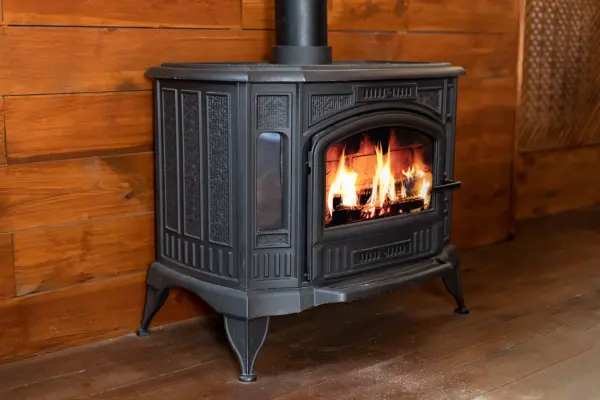
A fireplace hearth isn’t just a decorative base. It’s the foundation of your fireplace’s safety, efficiency, and design. A well-chosen hearth can protect your home from sparks, embers, and heat damage, anchor your fireplace visually, creating a strong design feature, boost property value, since a fireplace with a stylish hearth is often a selling point. and add comfort, offering a cozy spot to sit or display décor.
Many homeowners treat the hearth as an afterthought, but in reality, it’s the element that ties safety and style together.
Common Pitfalls When Choosing Your Fireplace Hearth
Buying the wrong size or style for your space can leave you disappointed with the result. Keep these common mistakes in mind to make sure your selection works for both safety and aesthetics:
Ignoring Local Building Codes
One of the biggest oversights is failing to research local safety regulations. Building codes often dictate how far the surface must extend from the firebox and to the sides.
Skipping this step could result in an installation that fails to pass inspection or does not adequately protect your flooring.
Choosing the Wrong Material for Your Lifestyle
Some people focus solely on appearance and overlook the surface’s intended use. Highly polished finishes may look beautiful, but can scratch easily or show stains. Others may opt for a porous material that does not withstand heavy use well. Match the surface type to your daily habits and cleaning routine.
Misjudging Proportions
Selecting a platform that is too large or too small for the room can disrupt the entire flow of the space. A narrow strip under a wide fireplace appears undersized, while an oversized slab in a tight room can create a bulky look. Proper measurements are key to achieving visual balance.
Overlooking Furniture Placement
Many people ignore the importance of considering the room’s layout. The fireplace should complement your furniture, not compete for space. If the surface juts out too far into the walking area, it may interfere with traffic or leave no room for seating.
Always account for flow and clearance before finalizing dimensions to ensure optimal performance.
Forgetting Maintenance Requirements
Some buyers invest in natural stone without understanding its upkeep. Materials like limestone and marble may require regular sealing. Others may chip easily or change color when exposed to heat.
If long-term care is not part of your plan, explore low-maintenance alternatives that still meet your design goals.
Skipping Professional Advice
Homeowners sometimes rely solely on online images or showroom displays. However, each room has its own scale, lighting, and conditions. Speaking with a design or installation professional can help you avoid choosing something that looks great in theory but underperforms in practice.
Fireplace Hearth Design Tips
If you want your hearth to look stylish and stay practical, keep these design tips in mind:
- Match Colors to Your Decor – Neutral tones like gray, beige, or black offer flexibility, while bold tones like red brick or patterned tile make the hearth the room’s focal point.
- Think About Texture – Rough textures like stone bring rustic warmth, while polished marble offers sophistication.
- Balance Height with Ceiling – A raised hearth in a room with low ceilings may feel bulky. Keep proportions in harmony.
- Integrate Storage – Some hearths are designed with built-in storage for wood, tools, or décor.
Cost Factors to Keep in Mind
The price of a fireplace hearth depends on multiple factors, including:
- Material: Tile and concrete are budget-friendly, while marble or granite are premium choices.
- Size & Customization: Larger hearths or custom cuts raise the price.
- Installation: Professional installation adds to the cost but ensures safety.
- Maintenance Needs: High-maintenance materials may cost more in the long run.
On average, a basic hearth starts around $300–$600, while custom natural stone can cost $1,500–$3,000+, depending on design and labor.
Fireplace Hearth Safety Checklist
Before installing your hearth, use this checklist to make sure you’re on the right track:
- Confirm local building codes for minimum dimensions.
- Use non-combustible materials only.
- Extend the hearth at least 12–16 inches beyond the firebox opening.
- Consider slip resistance if children or elderly family members use the space.
- Keep sharp edges smoothed or rounded for safety.
Popular Fireplace Hearth Styles to Consider
Beyond materials, the style of the hearth plays a big role in how your fireplace looks and functions. Some popular options include:
- Flush Hearths:
Sits level with the floor for a sleek, modern appearance. Best for smaller spaces.
- Raised Hearths:
Elevated design that adds seating or display space. Works well in large living rooms.
- Corner Hearths:
Ideal for maximizing awkward corners while saving floor space.
- Extended Hearths:
Extra-wide surfaces that provide dramatic style and more room for protection.
How to Choose the Right Fireplace Hearth? Quick Guide
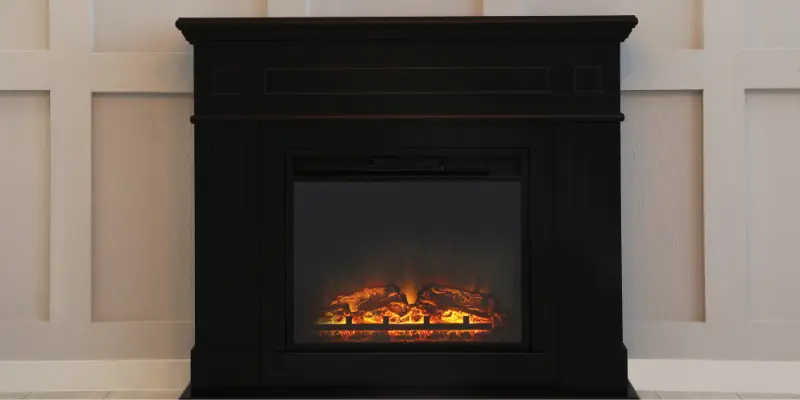
A good hearth is the perfect mix of style, safety, and durability. Here are some final tips:
- Always review local building codes.
- Pick materials that suit your daily use and cleaning habits.
- Measure your room and fireplace for visual balance.
- Plan your furniture layout in advance.
- Consult professionals and view real samples at home.
Once installed, a thoughtfully chosen hearth becomes a lasting part of your living space, adding warmth, charm, and value through every season.
Create A Hearth That Elevates Everyday Living
Taking your time and learning what to avoid allows you to make decisions that last. The right fit comes from a mix of style awareness, planning, and understanding how the surface fits into your everyday space. It is easier to enjoy the fireplaces when you know they were carefully selected.
Always review your options in person if possible. Samples, side-by-side comparisons, and expert advice can turn uncertainty into confidence. Once installed, a well-planned hearth becomes a seamless part of your home, adding value and beauty with every passing season.
FAQs
1: What is the safest material for a fireplace hearth?
Granite and slate are among the safest choices. They are heat-resistant, durable, and low-maintenance.
2: How thick should a hearth be?
Most building codes recommend a minimum thickness of 2 inches, but check your local requirements.
3: Can I install a hearth myself?
DIY is possible for tile or concrete, but natural stone or raised hearths usually require professional installation.
4: Do gas fireplaces need a hearth?
Some gas models do, but many modern gas fireplaces are zero-clearance, meaning they can sit flush with the wall. Always check manufacturer guidelines.
5: How much does a fireplace hearth cost?
Costs vary by material. Tile starts as low as $300, while marble or granite hearths may run $1,000–$3,000 installed.
Final Tip: Design Smarter, Not Harder
Before you buy or install your fireplace hearth, take a step back and review the whole picture—safety, layout, lifestyle, and materials.
A rushed decision can lead to costly mistakes or safety risks down the line.
Take your time, ask the right questions, and invest in the fireplace hearth that brings comfort, beauty, and peace of mind for years to come.