Optimizing Kitchen Ventilation for Home Cooks: A Beginner’s Guide
As a stove expert, I can attest that a well-designed kitchen ventilation system is crucial for efficient cooking and safety. A proper ventilation system helps remove heat, moisture, and airborne pollutants from the kitchen, creating a comfortable and healthy cooking environment. In this article, we will delve into the world of kitchen ventilation, exploring the key components, benefits, and optimization strategies for a safe and efficient cooking experience.
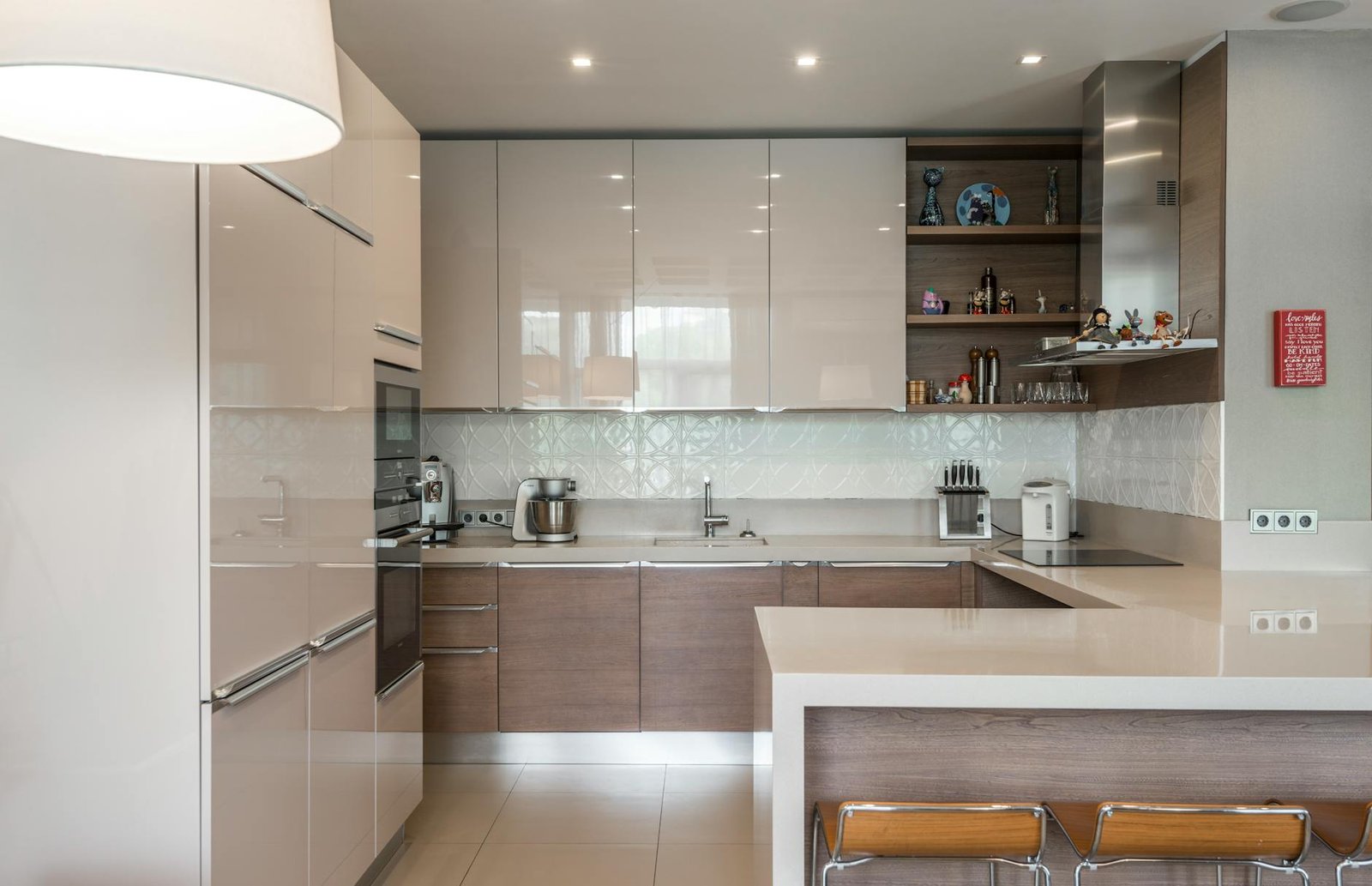
Understanding the Importance of Kitchen Ventilation
Kitchen ventilation is often overlooked, but it plays a vital role in maintaining indoor air quality and preventing the accumulation of harmful pollutants. A good ventilation system helps to remove cooking fumes, grease particles, and moisture, reducing the risk of respiratory problems and fire hazards. Moreover, a well-ventilated kitchen can improve cooking performance, reduce cooking time, and prevent the buildup of unpleasant odors.
Key Components of a Kitchen Ventilation System
A typical kitchen ventilation system consists of several key components, including:
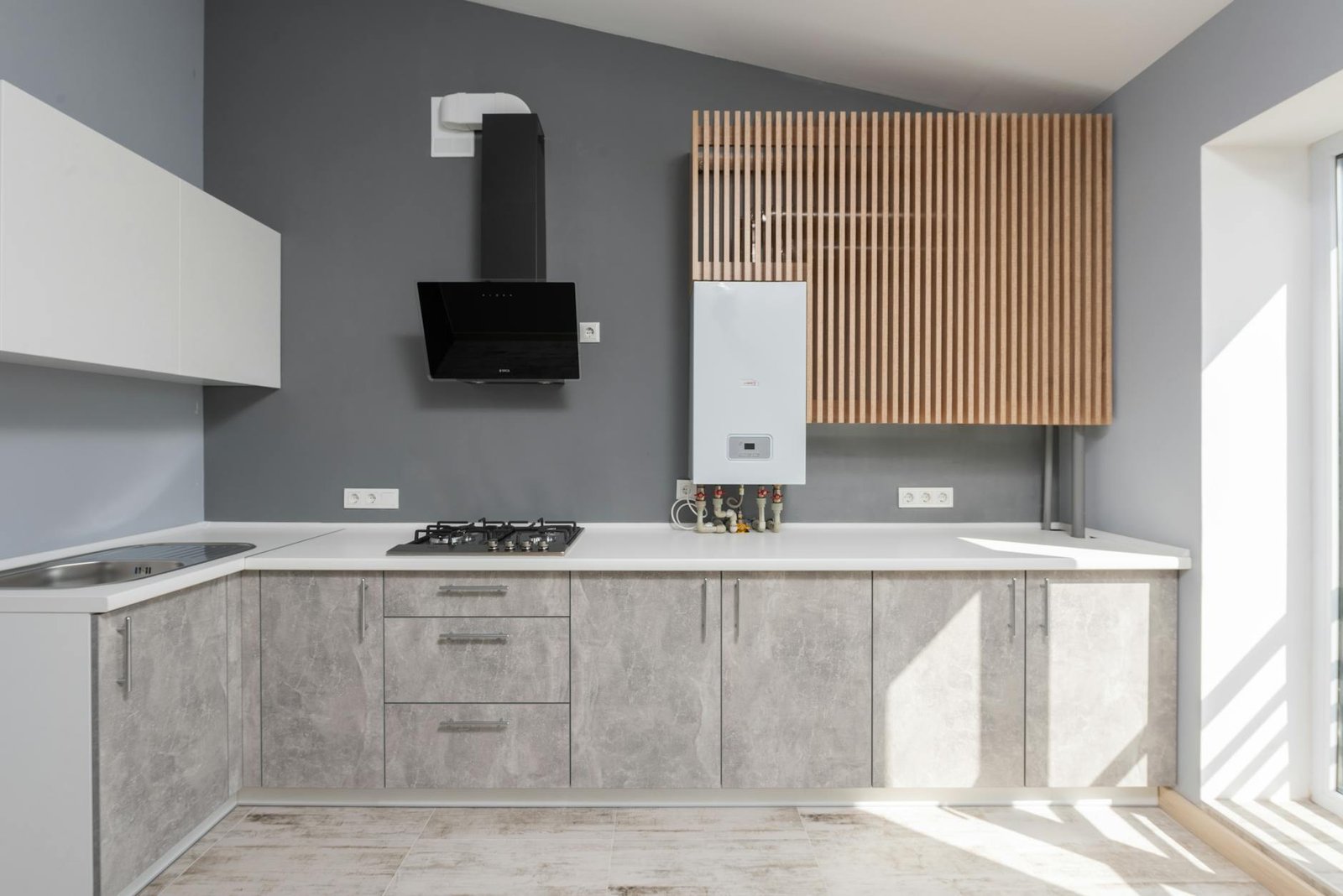
- Range hood: The most visible component, responsible for capturing cooking fumes and grease particles.
- Exhaust fan: Powers the ventilation system, creating a negative pressure that draws air out of the kitchen.
- Ductwork: Transports the extracted air from the range hood to the outside, requiring proper installation and maintenance to ensure efficient airflow.
- Filtration system: Helps remove grease, odors, and pollutants from the exhaust air, improving indoor air quality.
In the following sections, we will explore the benefits and optimization strategies for each of these components, providing you with practical tips and expert advice to create an efficient and safe kitchen ventilation system.
Understanding Kitchen Ventilation Systems
🔥 Popular on Stove Mastery
Understanding kitchen ventilation systems is crucial for efficient cooking and safety. A well-designed ventilation system can remove cooking fumes, moisture, and heat from the kitchen, creating a comfortable and healthy environment. In this section, we will delve into the types of ventilation systems and their key components.
Types of Ventilation Systems
There are three primary types of kitchen ventilation systems: recirculating, ducted, and hybrid systems. Each type has its pros and cons, which are summarized in the following table:
| System Type | Description | Pros | Cons |
|---|---|---|---|
| Recirculating | Uses filters to clean the air and recirculate it back into the kitchen | Energy-efficient, low installation cost | May not effectively remove moisture and heat |
| Ducted | Uses ducts to vent air outside the kitchen | Effective at removing moisture and heat, improves indoor air quality | Higher installation cost, requires exterior venting |
| Hybrid | Combines recirculating and ducted systems | Offers flexibility and improved performance, energy-efficient | Higher cost, more complex installation |
The choice of ventilation system depends on factors such as kitchen size, cooking frequency, and local building codes.
Key Components of a Ventilation System
A kitchen ventilation system consists of several key components, including:
- Range hoods: Capture cooking fumes and moisture at the source
- Fans: Provide the airflow needed to remove air from the kitchen
- Ducts: Transport air from the kitchen to the exterior or to a recirculating system
- Filters: Clean the air and remove particles and odors
Regular maintenance of these components is essential to ensure the ventilation system operates efficiently and effectively. By understanding the types of ventilation systems and their key components, homeowners can make informed decisions when designing or upgrading their kitchen ventilation system.
Optimizing Your Kitchen Ventilation System
Watch: Everything You Need To Know When Buying Vent Hoods For Your Kitchen!
Optimizing your kitchen ventilation system is crucial for efficient cooking and safety. A well-designed ventilation system can remove cooking fumes, grease, and moisture from the air, reducing the risk of fire hazards and improving indoor air quality. In this section, we will discuss the key aspects of optimizing your kitchen ventilation system.
Choosing the Right Range Hood
When selecting a range hood, consider the size, style, and features that suit your cooking needs. A range hood that is too small may not be effective in removing cooking fumes, while one that is too large may be unnecessary and expensive. Consider the following factors:
- Size: Choose a range hood that is at least as wide as your cooktop or range.
- Style: Decide between a ducted, ductless, or convertible range hood, depending on your kitchen layout and ventilation needs.
- Features: Look for features such as variable fan speeds, LED lighting, and filters that can be easily cleaned or replaced.
Proper Installation and Maintenance
Proper installation and maintenance of your range hood are essential for efficient and safe operation. Ensure that your range hood is installed by a professional, and follow these tips:
- Regularly clean or replace filters to prevent grease buildup and maintain airflow.
- Check and balance the fan blades to ensure proper airflow and reduce noise.
- Inspect the ductwork and vents for blockages or damage, and clean or replace them as needed.
Upgrading or Replacing Your Ventilation System
If your kitchen ventilation system is outdated or inadequate, it may be time to upgrade or replace it. Consider the following:
- Energy efficiency: Look for range hoods with energy-efficient motors and LED lighting to reduce energy consumption.
- Noise level: Choose a range hood with a low decibel rating for quiet operation.
- Advanced features: Consider range hoods with advanced features such as Wi-Fi connectivity, smart sensors, and automatic shut-off.
By upgrading or replacing your ventilation system, you can improve the efficiency and safety of your kitchen, while also enhancing your cooking experience.
➤ Read Also: Best Gas Stove: Top Recommendations for Your Kitchen
Safety Considerations and Best Practices
As a stove expert, I emphasize the importance of safety considerations and best practices when optimizing your kitchen ventilation system. A well-designed ventilation system not only enhances cooking efficiency but also ensures a safe and healthy cooking environment. In this section, we will explore common pitfalls to avoid and guidelines for minimizing risks and maximizing benefits.
Common Ventilation Mistakes to Avoid
When designing or installing a kitchen ventilation system, there are several mistakes to watch out for. These include:
- Insufficient airflow: Failing to provide adequate airflow can lead to poor ventilation, resulting in a buildup of cooking fumes and moisture.
- Inadequate filter maintenance: Neglecting to clean or replace filters regularly can compromise the system’s effectiveness and potentially lead to fires.
- Improper duct installation: Poorly installed ducts can cause leaks, reduce airflow, and increase the risk of backdrafts.
By being aware of these common mistakes, you can take steps to avoid them and ensure a well-functioning ventilation system.
Creating a Safe and Healthy Cooking Environment
To minimize risks and maximize benefits, follow these guidelines:
- Regular maintenance: Schedule regular cleaning and maintenance of your ventilation system to ensure optimal performance.
- Adequate ventilation rates: Ensure that your ventilation system provides sufficient airflow to remove cooking fumes and moisture.
- Proper duct sizing: Ensure that ducts are properly sized to handle the airflow requirements of your kitchen.
By following these guidelines and avoiding common mistakes, you can create a safe and healthy cooking environment that enhances your cooking experience and protects your well-being.
Mini Case Study: The Case of the Smoky Kitchen
A busy home cook in a small kitchen was experiencing persistent smoke and grease buildup during cooking sessions. The kitchen ventilation system seemed inadequate, causing discomfort and safety concerns.
The Problem was identified as insufficient airflow and inadequate filtration. The Diagnosis revealed a clogged range hood filter and a lack of makeup air supply.
- Inspected and cleaned the range hood filter
- Installed a new, high-efficiency filter
- Added a makeup air supply system to balance airflow
The Solution significantly improved kitchen ventilation, reducing smoke and grease accumulation. The cook can now prepare meals efficiently and safely, enjoying a healthier and more comfortable cooking environment.
Final Thoughts
As a stove expert, I can attest that a well-designed kitchen ventilation system is crucial for efficient cooking and safety. In this article, we have discussed the importance of optimizing your kitchen ventilation system, and I will now summarize the key takeaways.
Key Considerations
To optimize your kitchen ventilation system, it is essential to consider several factors, including the type of cooking you do, the size of your kitchen, and the type of ventilation system you have. Proper installation and maintenance are also critical to ensure that your system is working efficiently and effectively. A well-maintained system can help remove grease, moisture, and heat from your kitchen, improving indoor air quality and reducing the risk of fires.
Comparison of Ventilation Systems
When it comes to choosing a kitchen ventilation system, there are several options available, each with its pros and cons. The following table summarizes the main advantages and disadvantages of different types of ventilation systems:
| Type of Ventilation System | Pros | Cons |
|---|---|---|
| Recirculating Systems | Energy-efficient, cost-effective | May not remove all grease and moisture |
| Ventilation Hoods | Effective at removing grease and moisture, improves indoor air quality | Can be noisy, requires regular cleaning |
| Island Ventilation Systems | Provides excellent ventilation for island cooktops, improves kitchen aesthetics | Can be expensive, requires complex installation |
Ultimately, the choice of ventilation system will depend on your specific needs and preferences. By considering the pros and cons of each option, you can make an informed decision and optimize your kitchen ventilation system for efficient cooking and safety.
Final Recommendations
In conclusion, optimizing your kitchen ventilation system is essential for efficient cooking and safety. To achieve this, I recommend the following:
- Regularly clean and maintain your ventilation system to ensure it is working efficiently
- Choose a ventilation system that suits your cooking style and kitchen layout
- Consider upgrading to a more efficient ventilation system if your current one is outdated or ineffective
By following these recommendations, you can create a safe and healthy cooking environment that meets your needs and enhances your overall cooking experience.
Frequently Asked Questions
What are the benefits of optimizing my kitchen ventilation system?
Optimizing your kitchen ventilation system improves indoor air quality, reduces cooking odors and grease accumulation, and enhances overall cooking safety and efficiency. It also helps to prolong the lifespan of your appliances and reduces the risk of fires.
How often should I clean my kitchen ventilation system?
It’s recommended to clean your kitchen ventilation system every 1-3 months, depending on usage, to prevent grease buildup and ensure efficient airflow.
What are the key components of an efficient kitchen ventilation system?
A well-designed kitchen ventilation system consists of a range hood, ductwork, and an exhaust fan, all working together to capture and remove cooking fumes, heat, and moisture from the kitchen.
Can a poorly maintained kitchen ventilation system pose health risks?
Yes, a poorly maintained kitchen ventilation system can pose health risks, including respiratory problems, due to the accumulation of airborne pollutants, grease, and moisture, which can also create an environment for mold and bacteria growth.