Gas Stove vs Electric Stove: How Heat Distribution Affects Your Cooking
When it comes to cooking, the type of stove used can greatly impact the overall quality and consistency of the dishes prepared. As a stove expert, I have seen firsthand the differences that gas and electric stoves can make in the kitchen. In this article, we will delve into the world of stoves, exploring the benefits and drawbacks of each type, as well as the importance of heat distribution in cooking.
Brief Overview of Gas and Electric Stoves
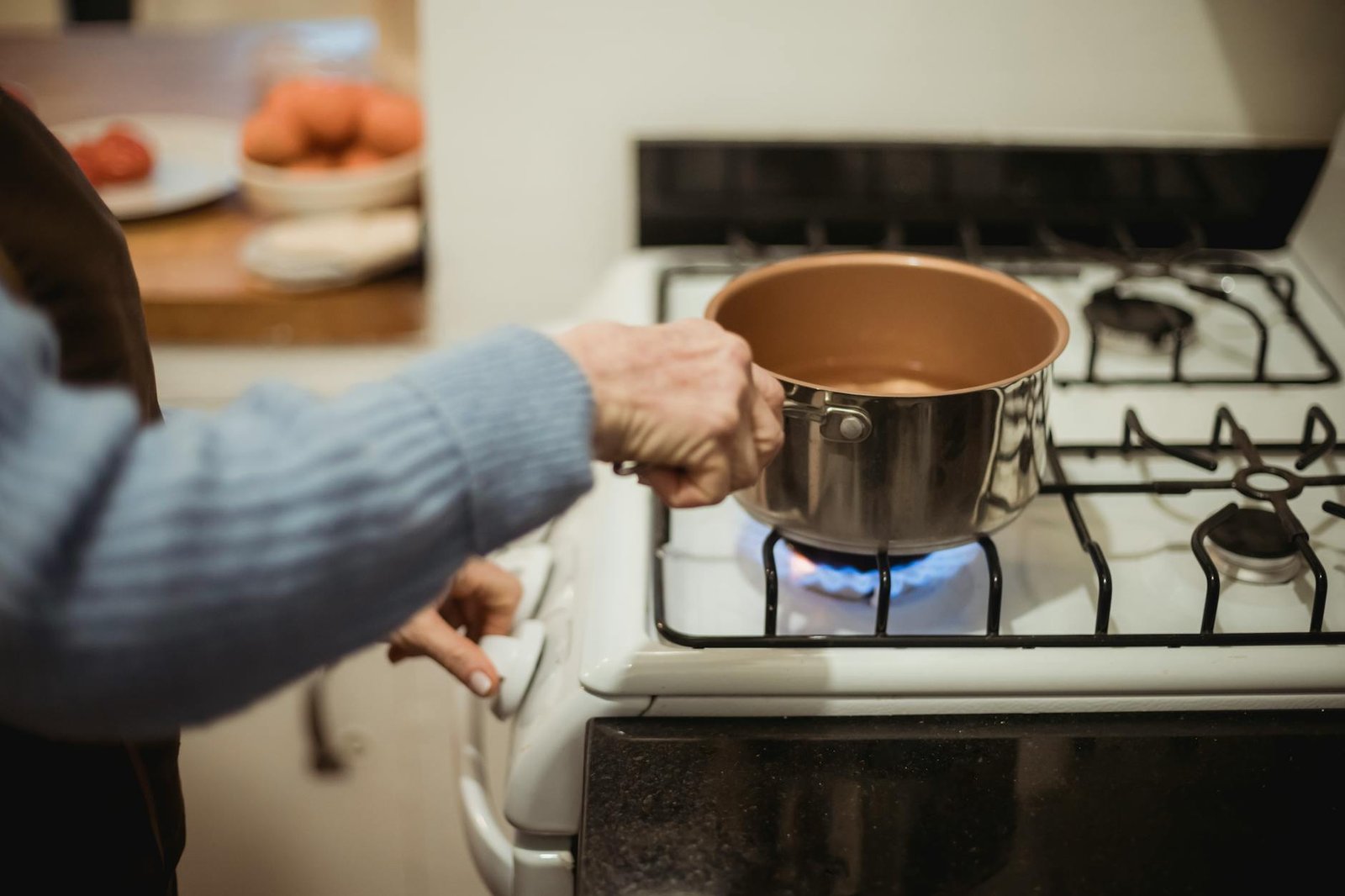
Gas stoves and electric stoves are the two most common types of stoves found in kitchens today. Gas stoves use an open flame to heat cookware, while electric stoves use electricity to heat coils or ceramic elements. Each type of stove has its own unique characteristics, advantages, and disadvantages. For example, gas stoves offer more precise control over heat and can be more energy-efficient, but they can also be more hazardous and require more maintenance. Electric stoves, on the other hand, are generally safer and easier to clean, but they can be less energy-efficient and may not provide the same level of heat control.
- Gas stoves: offer precise heat control, energy-efficient, but can be hazardous and require more maintenance
- Electric stoves: safer, easier to clean, but less energy-efficient and may not provide the same level of heat control
In comparison, gas stoves are often preferred by professional chefs due to their ability to provide a high heat output and precise control, while electric stoves are often preferred by home cooks due to their ease of use and safety features.
Importance of Heat Distribution in Cooking
Heat distribution is a critical factor in cooking, as it can affect the texture, flavor, and overall quality of the dishes prepared. Even heat distribution is essential for cooking methods such as sautéing, searing, and roasting, where a consistent temperature is required to achieve the desired results. A stove that can provide even heat distribution can make a significant difference in the quality of the dishes prepared. The following table highlights the key factors that affect heat distribution:
| Factor | Description |
|---|---|
| Stove Type | Affects heat output and distribution |
| Cookware | Affects heat conductivity and distribution |
| Cooking Technique | Affects heat distribution and cooking results |
By understanding the importance of heat distribution and the characteristics of different stove types, home cooks and professional chefs can make informed decisions when it comes to choosing the right stove for their cooking needs.
Heat Distribution: Gas Stove vs Electric Stove
🔥 Popular on Stove Mastery
When it comes to cooking, heat distribution is a crucial factor that can make or break a dish. Both gas stoves and electric stoves have their own unique ways of distributing heat, and understanding these differences is essential for choosing the right stove for your needs.
How Gas Stoves Distribute Heat
Gas stoves distribute heat through an open flame, which provides a direct and consistent heat source. The flame can be adjusted to control the heat output, allowing for precise temperature control. Gas stoves also tend to heat up quickly, making them ideal for cooking methods that require high heat, such as searing or frying. Additionally, gas stoves often feature a burner cap or simmer ring, which helps to distribute heat evenly and prevent hotspots.
How Electric Stoves Distribute Heat
Electric stoves, on the other hand, distribute heat through electric coils or ceramic elements. These elements heat up when an electric current is passed through them, providing a consistent and controlled heat source. Electric stoves often feature multiple heat settings and may include features such as thermal limiters or sensor-controlled heat distribution. However, electric stoves can be slower to heat up than gas stoves, and may not provide the same level of precision temperature control.
Comparison of Heat Distribution Patterns
The heat distribution patterns of gas and electric stoves have distinct pros and cons. Gas stoves offer:
- Faster heat-up times: ideal for cooking methods that require high heat
- More precise temperature control: allows for delicate cooking and nuanced flavor development
- Potential for hotspots: can lead to uneven cooking if not managed properly
Electric stoves, on the other hand, offer:
- Consistent heat output: reduces the risk of hotspots and ensures even cooking
- Easier cleaning: electric stoves often feature a flat, smooth surface that is easy to clean
- Slower heat-up times: can be less ideal for cooking methods that require high heat
| Stove Type | Heat Distribution Pattern | Pros | Cons |
|---|---|---|---|
| Gas Stove | Open flame | Faster heat-up times, precise temperature control | Potential for hotspots |
| Electric Stove | Electric coils or ceramic elements | Consistent heat output, easier cleaning | Slower heat-up times |
Ultimately, the choice between a gas stove and an electric stove will depend on your specific cooking needs and preferences. By understanding the unique heat distribution patterns of each type of stove, you can make an informed decision and choose the stove that best suits your cooking style.
Cooking Techniques and Heat Distribution
Watch: Gas vs Induction vs Electric, Which Hob is Best?
Cooking techniques and heat distribution are crucial factors in achieving perfect dishes, regardless of the type of stove used. Understanding the characteristics of different stove types and adapting cooking techniques accordingly can make a significant difference in the outcome of meals.
Techniques for Optimizing Heat Distribution on Gas Stoves
Gas stoves offer precise control over flame height and heat distribution. To optimize heat distribution on gas stoves, use the following techniques:
- Use the correct size of cookware: Ensure the cookware is the right size for the burner to prevent heat from being lost around the edges.
- Adjust flame height: Adjust the flame height according to the type of cooking being done. For example, high flames are ideal for searing, while low flames are better for simmering.
- Distribute heat evenly: Use a heat diffuser or a simmer mat to distribute heat evenly, especially when cooking delicate dishes.
Techniques for Optimizing Heat Distribution on Electric Stoves
Electric stoves, on the other hand, can be less forgiving when it comes to heat distribution. However, with the right techniques, electric stoves can produce excellent results:
- Preheat cookware: Preheating cookware before adding food can help distribute heat evenly and prevent hotspots.
- Use flat-bottomed cookware: Flat-bottomed cookware is ideal for electric stoves, as it allows for better heat transfer and distribution.
- Avoid overcrowding: Avoid overcrowding the cookware, as this can lead to uneven cooking and hotspots.
Adapting Cooking Techniques to Stove Type
When switching between gas and electric stoves, it’s essential to adapt cooking techniques to the stove type. For example, gas stoves are ideal for high-heat searing, while electric stoves are better suited for low-heat simmering. By understanding the strengths and weaknesses of each stove type and adjusting cooking techniques accordingly, home cooks can achieve consistent and delicious results.
| Stove Type | Pros | Cons |
|---|---|---|
| Gas Stove | Precise control over heat, fast heat-up times | Potential safety risks, requires regular maintenance |
| Electric Stove | Safer than gas stoves, easier to clean | Less precise control over heat, slower heat-up times |
By mastering the techniques for optimizing heat distribution on gas and electric stoves and adapting cooking techniques to the stove type, home cooks can unlock the full potential of their stoves and achieve professional-grade results.
Safety Considerations and Maintenance
When it comes to cooking, safety and maintenance are crucial to ensure a smooth and efficient experience. As a stove expert, I will outline the essential considerations and tips to keep in mind.
Safety Precautions for Gas and Electric Stoves
Both gas and electric stoves have their unique safety concerns. For gas stoves, it is essential to ensure that the gas supply lines are securely connected and that there are no leaks. Electric stoves, on the other hand, require caution when it comes to electrical components and heating elements. Here are some key safety precautions to follow:
- Always turn off the stove when not in use to prevent accidents and reduce energy consumption.
- Keep a fire extinguisher nearby and ensure that it is easily accessible.
- Never leave cooking unattended, as this can lead to fires or other accidents.
- Keep children and pets away from the stove to prevent burns or other injuries.
Maintenance Tips for Ensuring Efficient Heat Distribution
To ensure that your stove is functioning efficiently and effectively, regular maintenance is necessary. Here are some tips to keep in mind:
- Regularly clean the stove and its components, including the burners, drip pans, and exterior surfaces.
- Check and replace worn-out or damaged parts, such as burner caps or igniter electrodes.
- Ensure that the stove is properly ventilated to prevent the buildup of moisture and reduce the risk of fires.
- Consider investing in a stove liner or protective cover to simplify cleaning and maintenance.
By following these safety precautions and maintenance tips, you can ensure a safe and efficient cooking experience. Remember to always prioritize caution and take the necessary steps to prevent accidents and maintain your stove’s performance.
Mini Case Study: The Case of the Inconsistent Burners
A local bakery was experiencing inconsistent heating from their commercial stove, affecting the quality of their baked goods. The issue was most noticeable when trying to achieve a perfect golden-brown crust on their signature pastries.
The Problem was that some burners were producing a low flame, while others were too high, causing uneven cooking. This led to wasted products, increased energy consumption, and frustration among the bakers.
- Diagnosis: Upon inspection, it was discovered that the burner orifices were clogged with food debris and sediment.
- Solution: The burners were thoroughly cleaned, and the orifices were replaced to ensure proper gas flow. Additionally, a regular maintenance schedule was implemented to prevent future clogging.
With the burners now functioning consistently, the bakery was able to produce high-quality pastries with perfectly golden-brown crusts, resulting in increased customer satisfaction and reduced energy costs.
Final Thoughts
As a stove expert, I have provided an in-depth analysis of various stoves, highlighting their features, benefits, and drawbacks. In conclusion, choosing the right stove for your needs can be a daunting task, but by considering factors such as fuel type, cooking power, and safety features, you can make an informed decision. Whether you’re a professional chef or a home cook, there’s a stove out there that’s perfect for you.
When it comes to stoves, there are several options to consider, including gas, electric, and induction. Each type has its own set of advantages and disadvantages. For example, gas stoves offer precise control over heat and are ideal for cooking techniques such as searing and sautéing. On the other hand, electric stoves are generally easier to clean and maintain, but may not provide the same level of heat control. Induction stoves, meanwhile, offer the benefits of energy efficiency and safety, but may require special cookware.
Key Takeaways
- Fuel type: Consider the type of fuel you want to use, such as gas, electric, or induction, and think about the costs and benefits associated with each.
- Cooking power: Look for a stove that provides the right amount of cooking power for your needs, whether you’re cooking for one or for a large family.
- Safety features: Consider the safety features that are important to you, such as child safety locks, automatic shut-off, and heat-resistant surfaces.
In addition to these factors, it’s also important to think about the overall design and functionality of the stove. Consider the size and layout of the stove, as well as the materials and construction. A well-designed stove can make cooking easier and more enjoyable, while a poorly designed one can be frustrating to use.
Ultimately, the right stove for you will depend on your specific needs and preferences. By doing your research and considering the factors mentioned above, you can find a stove that meets your needs and provides you with years of reliable service. Whether you’re a seasoned cook or just starting out, a good stove is an essential tool for any kitchen.
Frequently Asked Questions
What does ‘None’ represent in programming?
In programming, ‘None’ is a special value that represents the absence of a value or a null object. It is often used to indicate that a variable or attribute has not been assigned a value.
How is ‘None’ used in conditional statements?
In conditional statements, ‘None’ can be used to check if a variable has a value or not, allowing for more robust and flexible code.
Is ‘None’ the same as ‘null’?
While ‘None’ and ‘null’ are similar, they are not exactly the same, as ‘null’ is a more general term used in various programming languages, whereas ‘None’ is a specific value in languages like Python.
Can ‘None’ be used as a return value in functions?
Yes, ‘None’ can be used as a return value in functions to indicate that the function did not return any meaningful value or to signal an error condition.