Fixing a Faulty Stove Burner: Step-by-Step Guide for Home Cooks
As a home cook or DIY enthusiast, a malfunctioning stove can be a significant frustration, disrupting your cooking routine and potentially leading to safety hazards. However, with the right knowledge and skills, you can troubleshoot and repair common stove issues, saving you time, money, and the hassle of seeking professional help. In this comprehensive guide, we will walk you through the process of identifying and fixing common stove problems, empowering you to take control of your kitchen and get back to cooking with confidence.

Stove issues can range from minor annoyances, such as a faulty igniter or uneven heating, to more significant problems, like a malfunctioning thermostat or faulty electrical components. Regardless of the issue, it’s essential to address it promptly to prevent further damage, ensure safety, and maintain optimal cooking performance. With the right tools, a bit of patience, and some technical know-how, you can resolve many common stove issues on your own, without the need for expensive repairs or replacement.
Understanding Your Stove
Before diving into troubleshooting and repair, it’s crucial to understand the basic components and mechanics of your stove. This includes familiarizing yourself with the various parts, such as burners, igniters, heating elements, and thermostats, as well as the electrical and gas connections. Knowing how these components interact and function will help you identify potential issues and make informed decisions when it comes to repairs.
Throughout this guide, we will cover a range of topics, including:
- Common stove issues and their causes
- Step-by-step troubleshooting and repair procedures
- Safety precautions and best practices for working with electrical and gas components
- Tips for maintaining your stove and preventing future issues
By the end of this guide, you will be equipped with the knowledge and skills to confidently troubleshoot and repair common stove issues, ensuring your kitchen remains a safe, efficient, and enjoyable space for cooking and entertaining. Whether you’re a seasoned DIY enthusiast or a novice home cook, this comprehensive guide will provide you with the expertise and practical advice needed to tackle stove repairs with confidence.
Identifying the Problem
🔥 Popular on Stove Mastery
When dealing with a faulty stove, it’s essential to identify the problem accurately to ensure a successful repair. In this section, we’ll delve into the signs of a faulty burner, common causes of malfunction, and the necessary tools and replacement parts required for the job.
Understanding the Signs of a Faulty Burner
A faulty burner can exhibit various symptoms, including uneven heating, flickering flames, or a complete lack of ignition. To diagnose the issue, pay attention to the burner’s performance, such as:
- Difficulty lighting the burner
- Low or inconsistent flame
- Yellow or orange flames, indicating incomplete combustion
- Unusual noises, such as clicking or hissing sounds
These signs can indicate a range of problems, from a clogged burner cap to a faulty igniter or malfunctioning thermostat.
Common Causes of Burner Malfunction
Several factors can contribute to burner malfunction, including:
- Clogged burner caps or ports: Food debris, spills, or dust can accumulate and restrict gas flow
- Worn-out or damaged igniter: A faulty igniter can prevent the burner from lighting or cause inconsistent ignition
- Malfunctioning thermostat or safety valve: A faulty thermostat or safety valve can disrupt the burner’s performance and safety features
Understanding the common causes of burner malfunction can help you narrow down the possible solutions and required repairs.
Gathering Necessary Tools and Replacement Parts
Before starting the repair, gather the necessary tools and replacement parts, including:
| Tool/Part | Description |
|---|---|
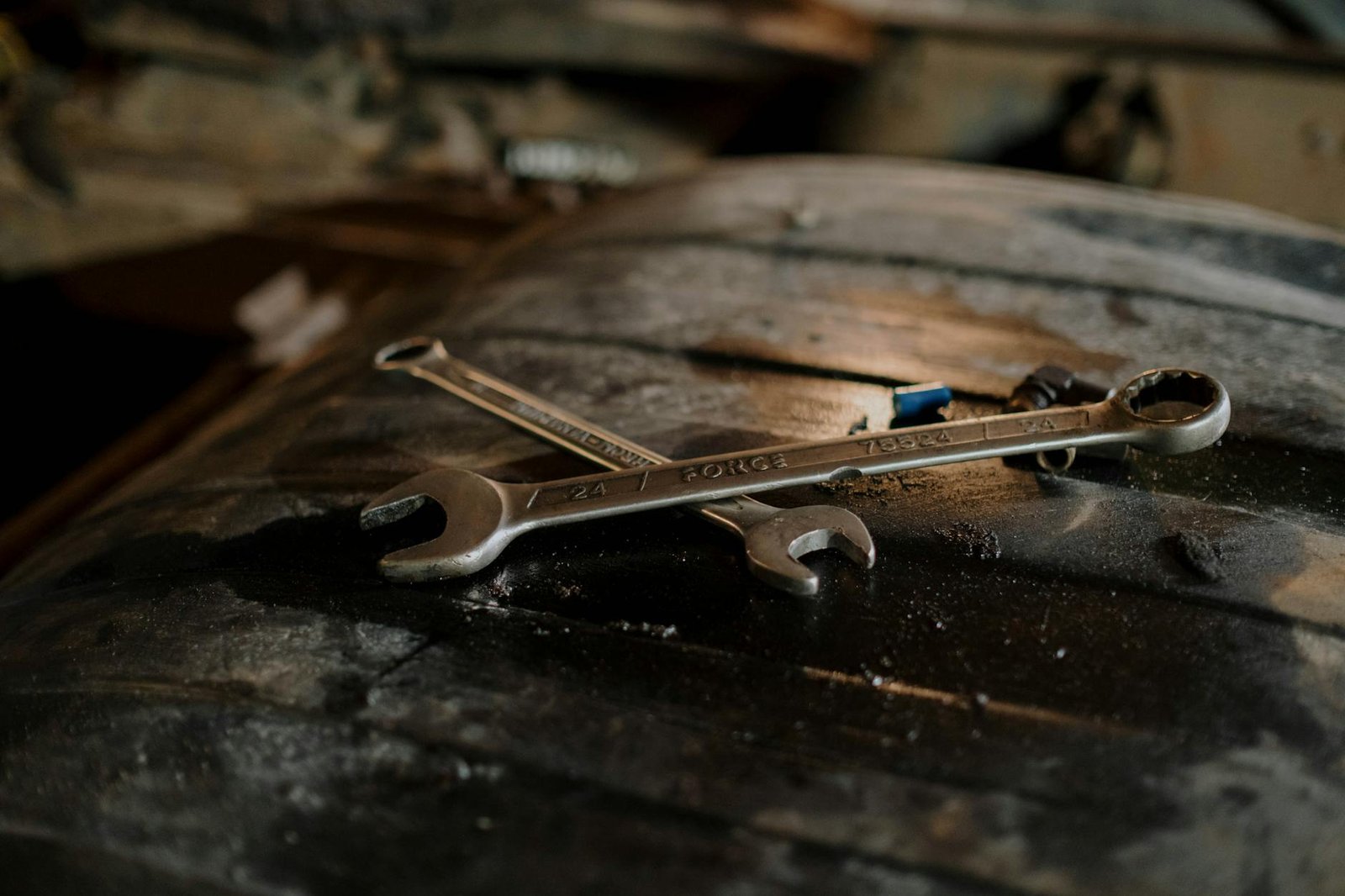
| Adjustable wrench | For removing burner caps and accessing internal components |
| Igniter replacement kit | For replacing a faulty igniter or spark electrode |
| Thermostat or safety valve replacement | For replacing a malfunctioning thermostat or safety valve |
Having the right tools and replacement parts on hand can save time and ensure a successful repair.
Step-by-Step Repair Guide
Watch: How to Troubleshoot & Repair Samsung Electric Range Burners | 如何维修三星电炉
When it comes to repairing common stove issues, it’s essential to follow a step-by-step approach to ensure safety and effectiveness. Here’s a comprehensive guide to help you troubleshoot and repair your stove:
Disconnecting the Power and Gas Supply
Before starting any repair, make sure to disconnect the power and gas supply to your stove. This will prevent any accidental start-ups or gas leaks. Locate the shut-off valves for the gas and water supply lines and turn them clockwise to shut off the supply. For electric stoves, switch off the power at the circuit breaker or fuse box.
Removing the Burner Cap and Cleaning the Burner Head
Remove the burner cap and wash it with soap and warm water to remove any food debris or spills. Use a soft brush to clean the burner head, paying attention to the small holes and ports. This will help improve the burner’s performance and prevent clogging. Regular cleaning can help prevent issues like uneven heating or burner failure.
Inspecting and Replacing the Igniter or Spark Electrode
Inspect the igniter or spark electrode for any signs of wear or damage. If you notice any corrosion, cracks, or breaks, it’s time to replace it. You can purchase a replacement igniter or spark electrode at a hardware store or home improvement center.
- Check the manufacturer’s instructions for specific replacement procedures
- Compare the pros and cons of different replacement options, such as:
Option Pros Cons Original Equipment Manufacturer (OEM) part Guaranteed compatibility, high quality More expensive Aftermarket part Affordable, wide availability May vary in quality, compatibility issues
Reassembling the Burner and Testing the Repair
Once you’ve replaced the igniter or spark electrode, reassemble the burner and test the repair. Turn on the power and gas supply, and light the burner to ensure it’s working correctly. Check for any leaks or unusual sounds, and make adjustments as needed. Remember to always follow safety guidelines when working with gas and electricity.
Prevention and Maintenance Tips
As a stove expert, I always emphasize the importance of prevention and maintenance in extending the lifespan of your stove and preventing common issues. In this section, we will discuss the essential tips and strategies for home cooks and DIY enthusiasts to keep their stoves in top condition.
Regular Cleaning and Maintenance Schedule
To prevent the buildup of food residue, grime, and debris, it’s crucial to establish a regular cleaning and maintenance schedule for your stove. This includes:
- Daily cleaning of the stove surface, burners, and drip pans
- Weekly deep cleaning of the oven, stove burners, and surrounding areas
- Monthly inspection and replacement of worn-out parts, such as burner caps and ignition electrodes
Proper Use and Handling of Stove Burners
The proper use and handling of stove burners are critical in preventing common issues, such as uneven heating, burner clogging, and ignition problems. Some key tips include:
- Always use the correct burner size for your cookware
- Avoid overcrowding the stove surface, as this can lead to uneven heating and burner clogging
- Never leave a burner unattended, as this can cause accidents and damage to the stove
Troubleshooting Common Issues Before They Become Major Problems
Early detection and troubleshooting of common issues can save you time, money, and frustration in the long run. Some common issues to watch out for include:
| Issue | Causes | Solutions |
|---|---|---|
| Uneven heating | Worn-out burner caps, incorrect burner size | Replace burner caps, use correct burner size |
| Burner clogging | Food residue, debris buildup | Clean burners regularly, use a gentle cleaning solution |
By following these prevention and maintenance tips, you can ensure your stove remains in excellent condition, and you can troubleshoot common issues before they become major problems. Remember to always refer to your stove’s user manual for specific maintenance and troubleshooting instructions.
Advanced Repair Techniques and Safety Considerations
As a home cook or DIY enthusiast, it’s essential to be aware of the advanced repair techniques and safety considerations involved in troubleshooting and repairing common stove issues. In this section, we’ll delve into the critical aspects of working with gas lines and electrical connections, understanding safety protocols and precautions, and knowing when to call a professional for assistance.
Working with Gas Lines and Electrical Connections
When dealing with gas stoves, it’s crucial to handle gas lines with care. Always turn off the gas supply before attempting any repairs, and ensure that the area is well-ventilated. For electrical connections, switch off the power to the stove at the circuit breaker or fuse box. Use a voltage tester to verify that the power is off before starting work.
- Use a gas leak detector to identify any leaks in the gas line
- Replace worn-out or damaged gas lines and electrical connections to prevent accidents
- Ensure that all connections are secure and tightened properly
Understanding Safety Protocols and Precautions
Safety should always be the top priority when working with stoves. Familiarize yourself with the safety protocols and precautions to avoid injuries and accidents.
- Wear protective gear, such as gloves and safety glasses, when working with sharp objects or electrical components
- Keep children and pets away from the work area
- Follow the manufacturer’s instructions for any replacement parts or repairs
When to Call a Professional for Assistance
While DIY repairs can be cost-effective, there are situations where it’s best to call a professional for assistance. If you’re unsure about any aspect of the repair or feel uncomfortable working with gas lines or electrical connections, it’s recommended to seek help from a qualified technician.
| Situation | Recommended Action |
|---|---|
| Gas leak or electrical shock | Call a professional immediately |
| Complex repairs or maintenance | Consider hiring a professional for assistance |
| Uncertainty about repair procedures | Consult the user manual or contact a professional for guidance |
Remember, safety should always be the top priority when working with stoves. If in doubt, it’s always best to err on the side of caution and seek help from a qualified professional.
Mini Case Study: The Case of the Faulty Burner Ignition
A home cook reported that one of the burners on their gas stove would not ignite, despite hearing the clicking sound of the igniter. The cook had tried cleaning the burner and igniter, but the issue persisted.
The Diagnosis revealed that the problem was due to a faulty igniter electrode, which was not producing a strong enough spark to ignite the gas.
- The electrode was inspected and found to be worn out, causing a weak spark.
- The igniter electrode was replaced with a new one, ensuring proper alignment and connection.
The Solution was successful, and the burner ignited normally after the replacement. Regular maintenance, such as cleaning the burners and igniter, can help prevent similar issues in the future.
Final Thoughts
As a comprehensive guide to troubleshooting and repairing common stove issues, this article has covered a wide range of topics to help home cooks and DIY enthusiasts identify and fix problems with their stoves. From understanding the basics of stove anatomy to diagnosing and repairing complex issues, we have provided a step-by-step approach to get your stove up and running in no time.
Key Takeaways
The key to successful stove repair is to be methodical and patient in your approach. By following the troubleshooting steps outlined in this guide, you can identify the root cause of the problem and take corrective action. Some of the most common issues that can be easily fixed include dirty or clogged burners, faulty igniter systems, and loose or damaged electrical connections.
In addition to these simple fixes, we have also covered more complex issues such as faulty thermostats and damaged heating elements. By understanding how these components work and how to repair or replace them, you can extend the life of your stove and prevent costly repairs down the line.
Best Practices for Stove Maintenance
To prevent stove issues from arising in the first place, it is essential to follow best practices for stove maintenance. This includes:
- Regularly cleaning the stove and burners to prevent dirt and grime buildup
- Checking and replacing worn-out or damaged parts
- Avoiding overheating and thermal shock
- Ensuring proper ventilation and airflow
By following these simple tips, you can ensure that your stove continues to function efficiently and safely for years to come.
In conclusion, troubleshooting and repairing common stove issues is a DIY-friendly task that can save you time and money. By being proactive and taking a methodical approach to stove maintenance and repair, you can enjoy a safe and efficient cooking experience and extend the life of your stove.
Frequently Asked Questions
What are the most common issues with electric stoves that I can troubleshoot and repair on my own?
The most common issues with electric stoves include faulty heating elements, malfunctioning thermostats, and damaged wiring. These issues can often be resolved with basic DIY skills and tools, but it’s essential to follow safety guidelines and manufacturer instructions.
How do I diagnose and fix a gas stove that won’t ignite?
To diagnose and fix a gas stove that won’t ignite, check the igniter, gas supply, and burner cap for blockages or damage, and ensure the stove is properly installed and maintained. If the issue persists, it’s recommended to consult a professional for assistance.
What safety precautions should I take when troubleshooting and repairing my stove?
When troubleshooting and repairing your stove, always unplug the appliance or turn off the gas supply, wear protective gear, and ensure proper ventilation to avoid injuries and accidents.
Can I repair a stove’s electronic control board or should I replace it?
In most cases, it’s not recommended to attempt to repair a stove’s electronic control board, as it can be complex and require specialized expertise. Instead, consider consulting a professional or replacing the board with a new one from the manufacturer or a reputable supplier.