Stainless Steel vs Hard Anodized Cookware: Which is Best for Home Cooking
As a home cook, having a reliable stove is essential for preparing delicious meals. However, stoves can be prone to various issues, ranging from minor problems to major malfunctions. In this comprehensive guide, we will walk you through the process of troubleshooting and repairing common stove problems, helping you to become a stove master and ensure your cooking experience is always seamless.
Brief Overview of Stove Mastery
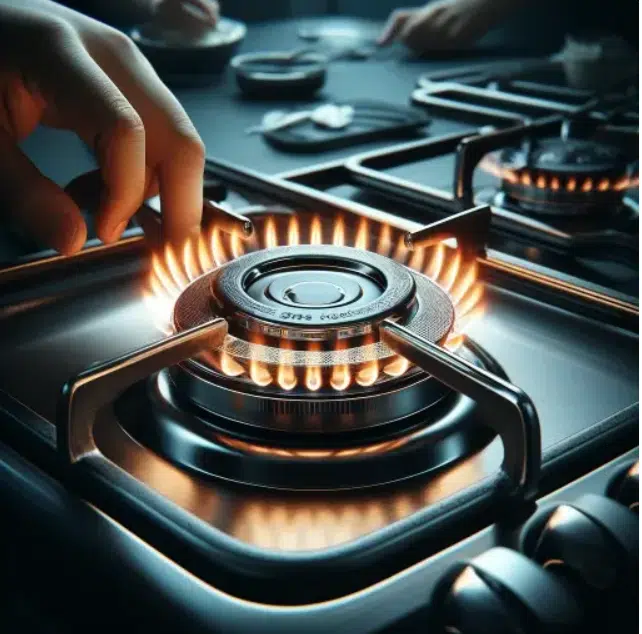
Stove mastery involves understanding the mechanics of your stove, including its components, functions, and potential fault lines. It requires knowledge of how to properly maintain, troubleshoot, and repair your stove to prevent minor issues from escalating into major problems. A stove master knows how to optimize their stove’s performance, ensuring that it operates efficiently and safely. Some key aspects of stove mastery include:
- Understanding the different types of stoves, including gas, electric, and induction stoves
- Familiarity with stove components, such as burners, igniters, and heating elements
- Knowledge of common stove problems and their solutions
- Ability to perform routine maintenance and repairs
Importance of Choosing the Right Cookware
Choosing the right cookware is crucial for optimal stove performance and safety. The wrong cookware can lead to inefficient heat transfer, scratched surfaces, and even accidents. When selecting cookware, consider the following factors:
| Cookware Material | Pros | Cons |
|---|---|---|
| Stainless Steel | Durable, resistant to scratches and corrosion | Can be noisy, may not conduct heat well |
| Non-Stick | Easy to clean, prevents food from sticking | May not be durable, can be damaged by high heat |
| Cast Iron | Excellent heat retention, durable | Heavy, requires seasoning, can be rough on stove surfaces |
By understanding the importance of choosing the right cookware and mastering your stove, you can ensure a safe and enjoyable cooking experience. In the following sections, we will delve into common stove problems, troubleshooting techniques, and repair methods to help you become a confident stove master.
Understanding Stainless Steel Cookware
🔥 Popular on Stove Mastery
Stainless steel cookware is a popular choice among home cooks due to its durability, resistance to scratches, and ease of cleaning. As a stove expert, it’s essential to understand the benefits and drawbacks of using stainless steel cookware to troubleshoot and repair common stove problems.
Benefits of Stainless Steel Cookware
Stainless steel cookware offers several advantages, including:
- Heat Distribution: Stainless steel cookware is an excellent heat conductor, allowing for even heat distribution and reducing hotspots.
- Durability: Stainless steel cookware is resistant to scratches, corrosion, and wear, making it a long-lasting option.
- Easy Cleaning: Stainless steel cookware is easy to clean and maintain, as it is resistant to stains and can be washed with soap and water.
Drawbacks of Stainless Steel Cookware
While stainless steel cookware has several benefits, it also has some drawbacks, including:
- Reactivity: Stainless steel cookware can react with acidic foods, such as tomatoes, which can cause the metal to leach into the food.
- Noisy: Stainless steel cookware can be noisy, as it can produce a loud clanging sound when cooking.
- Expensive: High-quality stainless steel cookware can be expensive, especially when compared to other materials.
Best Practices for Using Stainless Steel Cookware
To get the most out of your stainless steel cookware and prevent common stove problems, follow these best practices:
- Avoid Using Metal Utensils: Use silicone, wooden, or plastic utensils to prevent scratching the cookware.
- Use Gentle Cleaning Products: Avoid using abrasive cleaners or scrubbers, as they can damage the cookware.
- Dry Cookware After Use: Dry your stainless steel cookware after use to prevent water spots and bacterial growth.
By understanding the benefits and drawbacks of stainless steel cookware and following best practices, you can troubleshoot and repair common stove problems and ensure your cookware lasts for a long time.
Understanding Hard Anodized Cookware
Watch: Aluminium vs Steel vs Hard anodised Pressure Cooker _ which is good and healthy pressure cooker
When it comes to cooking on a stove, the type of cookware used can greatly impact the overall cooking experience. Hard anodized cookware is a popular choice among home cooks due to its durability and non-stick properties. In this section, we will delve into the benefits and drawbacks of hard anodized cookware, as well as provide best practices for using it.
Benefits of Hard Anodized Cookware
Hard anodized cookware offers several benefits that make it a popular choice among home cooks. Some of the key benefits include:
- Durability: Hard anodized cookware is known for its durability and resistance to scratches and corrosion.
- Non-stick properties: The non-stick coating on hard anodized cookware makes food release easy, reducing the risk of sticking and making cleaning a breeze.
- Heat distribution: Hard anodized cookware is excellent at distributing heat evenly, allowing for consistent cooking results.
Drawbacks of Hard Anodized Cookware
While hard anodized cookware has several benefits, it also has some drawbacks that home cooks should be aware of. Some of the key drawbacks include:
- High cost: Hard anodized cookware can be expensive, especially high-quality options.
- Sensitive to metal utensils: The non-stick coating on hard anodized cookware can be damaged by metal utensils, reducing its non-stick properties.
- Not suitable for high heat: Hard anodized cookware is not suitable for high heat cooking, as it can cause the non-stick coating to break down.
Best Practices for Using Hard Anodized Cookware
To get the most out of hard anodized cookware, home cooks should follow some best practices. These include:
➤ Read Also: 10 Best Non-Toxic Cookware of 2025
- Using silicone or wooden utensils: To prevent damaging the non-stick coating, use silicone or wooden utensils when cooking with hard anodized cookware.
- Avoiding high heat: Avoid cooking at high heat, as this can cause the non-stick coating to break down.
- Regular cleaning: Regular cleaning is essential to prevent the buildup of residue and maintain the non-stick properties of hard anodized cookware.
By following these best practices and being aware of the benefits and drawbacks of hard anodized cookware, home cooks can enjoy a great cooking experience and extend the life of their cookware.
Comparison and Troubleshooting
As a home cook, it’s essential to understand the differences between various cookware types and how to troubleshoot common problems that may arise. In this section, we’ll delve into a comparison of stainless steel and hard anodized cookware, discuss common stove problems associated with each type, and provide practical troubleshooting tips.
Stainless Steel vs Hard Anodized: A Direct Comparison
When it comes to cookware, two popular options are stainless steel and hard anodized. The following table highlights the pros and cons of each:
| Feature | Stainless Steel | Hard Anodized |
|---|---|---|
| Durability | Resistant to scratches and corrosion | Non-stick coating can chip or flake off |
| Heat Conductivity | Excellent heat distribution | Good heat conductivity, but can be affected by non-stick coating |
| Maintenance | Easy to clean and maintain | Requires gentle cleaning to preserve non-stick coating |
Common Stove Problems with Each Cookware Type
Both stainless steel and hard anodized cookware can be prone to certain problems when used on a stove. Some common issues include:
- Stainless Steel: Scratches, corrosion, and discoloration
- Hard Anodized: Non-stick coating chipping or flaking off, uneven heat distribution
Troubleshooting Tips for Home Cooks
To troubleshoot common stove problems, follow these tips:
- Regularly clean and maintain your cookware to prevent scratches and corrosion
- Avoid using metal utensils with non-stick coatings to prevent chipping or flaking
- Use gentle heat and avoid overheating to prevent warping or discoloration
- Season your cookware regularly to prevent rust and maintain non-stick properties
By understanding the pros and cons of different cookware types and following these troubleshooting tips, you can extend the life of your cookware and ensure a safe and enjoyable cooking experience.
Mini Case Study: The Case of the Uneven Oven at 350°F
A home cook, Sarah, was experiencing issues with her electric stove’s oven. She noticed that her baked goods were not cooking evenly, with some areas being overcooked while others were undercooked, even when the oven was set to 350°F.
The Problem was inconsistent oven temperatures, leading to poor cooking results. To Diagnose the issue, Sarah checked the oven’s temperature using an oven thermometer and found that it was fluctuating by up to 50°F.
The Solution involved:
- Calibrating the oven temperature by adjusting the temperature dial
- Cleaning the oven sensors to ensure accurate temperature readings
- Checking and replacing the oven’s heating elements if necessary
After implementing these steps, Sarah’s oven was heating evenly, and her baked goods were cooking consistently. This case highlights the importance of regular oven maintenance and calibration to ensure optimal cooking performance.
Final Thoughts
In this comprehensive guide, we have covered various common stove problems that home cooks may encounter, along with their troubleshooting and repair solutions. By following the tips and techniques outlined in this article, home cooks can identify and fix issues with their stoves, ensuring they continue to function safely and efficiently.
Summary of Key Points
Some of the key takeaways from this guide include:
➤ Read Also: Are Electric Stoves Suitable for All Cookware?
- Regular maintenance, such as cleaning burners and checking igniter electrodes, can help prevent common stove problems.
- Identifying the source of the problem, whether it’s a faulty igniter, clogged burner, or malfunctioning thermostat, is crucial in determining the best course of action for repair.
- Simple repairs, such as replacing a faulty igniter or cleaning a clogged burner, can often be done by home cooks themselves, while more complex issues may require professional assistance.
Final Recommendations for Home Cooks
To get the most out of their stoves and minimize the need for repairs, home cooks should:
- Refer to their stove’s user manual for specific maintenance and troubleshooting instructions.
- Keep their stove and surrounding area clean and clear of clutter to prevent accidents and ensure proper airflow.
- Consider investing in a stove with advanced safety features, such as automatic shut-off or child safety locks, for added peace of mind.
By following these recommendations and staying informed about common stove problems and their solutions, home cooks can enjoy a safe and efficient cooking experience. Remember to always prioritize safety when working with electrical or gas appliances, and don’t hesitate to seek professional help if you’re unsure about any aspect of stove repair or maintenance.
| Stove Type | Pros | Cons |
|---|---|---|
| Gas Stove | Energy-efficient, fast heat-up time | Potential safety risks if not maintained properly |
| Electric Stove | Easy to clean, safe to use | Slower heat-up time, less energy-efficient |
Ultimately, the key to a well-functioning stove is a combination of proper maintenance, regular troubleshooting, and timely repair. By being proactive and taking the necessary steps to address common stove problems, home cooks can ensure their stove continues to perform optimally and provide them with a safe and enjoyable cooking experience.
Frequently Asked Questions
What are the most common stove problems that home cooks encounter?
The most common stove problems include issues with ignition, uneven heating, and faulty burners. These problems can often be resolved with basic troubleshooting and repair techniques.
How do I troubleshoot a stove that won’t turn on?
To troubleshoot a stove that won’t turn on, check the power cord and circuit breaker, then ensure the stove is properly plugged in and the outlet is working.
Can I repair a cracked or damaged stove glass top myself?
While it’s possible to repair a cracked or damaged stove glass top, it’s often recommended to seek the help of a professional to ensure a safe and proper repair.
What safety precautions should I take when troubleshooting and repairing my stove?
When troubleshooting and repairing your stove, always unplug the appliance, wear protective gloves and eyewear, and follow the manufacturer’s instructions to avoid injury or further damage.