Cast Iron Cooking on Gas Stoves: Tips for Even Heat Distribution
As a stove expert, I can attest that cast iron cooking on gas stoves is a game-changer for home cooks and professional chefs alike. Cast iron cookware has been a staple in many kitchens for centuries, and its versatility and heat retention properties make it an ideal choice for gas stoves. In this section, we will delve into the world of cast iron cooking on gas stoves, exploring the benefits, best practices, and essential tips for getting the most out of your cookware.
Benefits of Cast Iron Cooking on Gas Stoves
Cast iron cookware is renowned for its exceptional heat retention and distribution properties, making it perfect for gas stoves. The benefits of cast iron cooking on gas stoves include:
- Even Heat Distribution: Cast iron cookware heats evenly, allowing for consistent cooking results and reducing the risk of hotspots.
- Heat Retention: Cast iron retains heat exceptionally well, enabling you to sear food at high temperatures and then finish cooking at lower temperatures.
- Versatility: Cast iron cookware can be used for a wide range of cooking techniques, including frying, sautéing, baking, and braising.
Best Practices for Cast Iron Cooking on Gas Stoves
To get the most out of your cast iron cookware on a gas stove, follow these best practices:
- Preheat Your Cookware: Preheat your cast iron cookware before adding food to ensure even heating and to prevent food from sticking.
- Use the Right Oil: Use a high-smoke-point oil, such as avocado oil or grapeseed oil, to prevent the oil from burning or smoking.
- Avoid Sudden Temperature Changes: Avoid sudden temperature changes, as this can cause your cast iron cookware to warp or crack.
By following these guidelines and best practices, you’ll be well on your way to mastering the art of cast iron cooking on gas stoves. With its exceptional heat retention and distribution properties, cast iron cookware is an excellent choice for gas stoves, and with proper care and maintenance, it can last for decades.
Understanding Cast Iron and Gas Stoves
🔥 Popular on Stove Mastery
When it comes to cooking, the type of stove and cookware used can greatly impact the outcome of a dish. Two popular options are cast iron cookware and gas stoves. Understanding the benefits and differences of these options can help home cooks and professional chefs alike make informed decisions about their cooking setup.
Benefits of Cast Iron Cookware
Cast iron cookware is a popular choice among cooks due to its unique benefits. Some of the advantages of cast iron cookware include:
- Heat Retention: Cast iron cookware is excellent at retaining heat, allowing for even cooking and a crispy crust on dishes like seared meats and roasted vegetables.
- Durability: Cast iron cookware is incredibly durable and can last for decades with proper care, making it a worthwhile investment for any kitchen.
- Versatility: Cast iron cookware can be used on a variety of heat sources, including stovetops, ovens, and even campfires, making it a great option for outdoor cooking.
How Gas Stoves Differ from Other Cooking Methods
Gas stoves offer a unique cooking experience compared to other methods, such as electric or induction stoves. The main differences include:
- Instant Heat Control: Gas stoves provide instant heat control, allowing for quick adjustments to the flame and heat output.
- Moisture Retention: Gas stoves can help retain moisture in dishes, resulting in tender and flavorful meals.
- Cooking Technique: Gas stoves require a different cooking technique than other methods, as the flame can be adjusted to achieve the perfect sear or simmer.
When comparing gas stoves to other cooking methods, it’s essential to consider the pros and cons. For example, gas stoves can be more energy-efficient than electric stoves, but they can also be more expensive to install and maintain. Additionally, gas stoves require proper ventilation to ensure safety and prevent the buildup of harmful fumes.
Techniques for Even Heat Distribution
Watch: Vermont Castings Gas Stoves Product Reviews
As a stove expert, achieving even heat distribution is crucial for cooking with cast iron cookware. To ensure that your dishes are cooked to perfection, it’s essential to employ the right techniques. In this section, we’ll explore the techniques for even heat distribution, covering preheating, cooking oil, and cooking on gas stoves.
Preheating Your Cast Iron Cookware
Preheating your cast iron cookware is the first step in achieving even heat distribution. To preheat, place your cast iron skillet or pot over medium heat for 5-10 minutes. You can test the heat by flicking a few drops of water onto the surface; if they sizzle and evaporate quickly, the cookware is ready. This step ensures that the metal is evenly heated, reducing the risk of hotspots.
Using the Right Cooking Oil for Cast Iron
The type of cooking oil used can significantly impact heat distribution. For cast iron cookware, it’s recommended to use oils with a high smoke point, such as avocado oil or grapeseed oil. These oils can handle high temperatures without breaking down or smoking, ensuring that your food is cooked evenly. Avoid using oils with low smoke points, such as olive oil, as they can become damaged and impart a bitter flavor to your dishes.
Tips for Cooking with Cast Iron on Gas Stoves
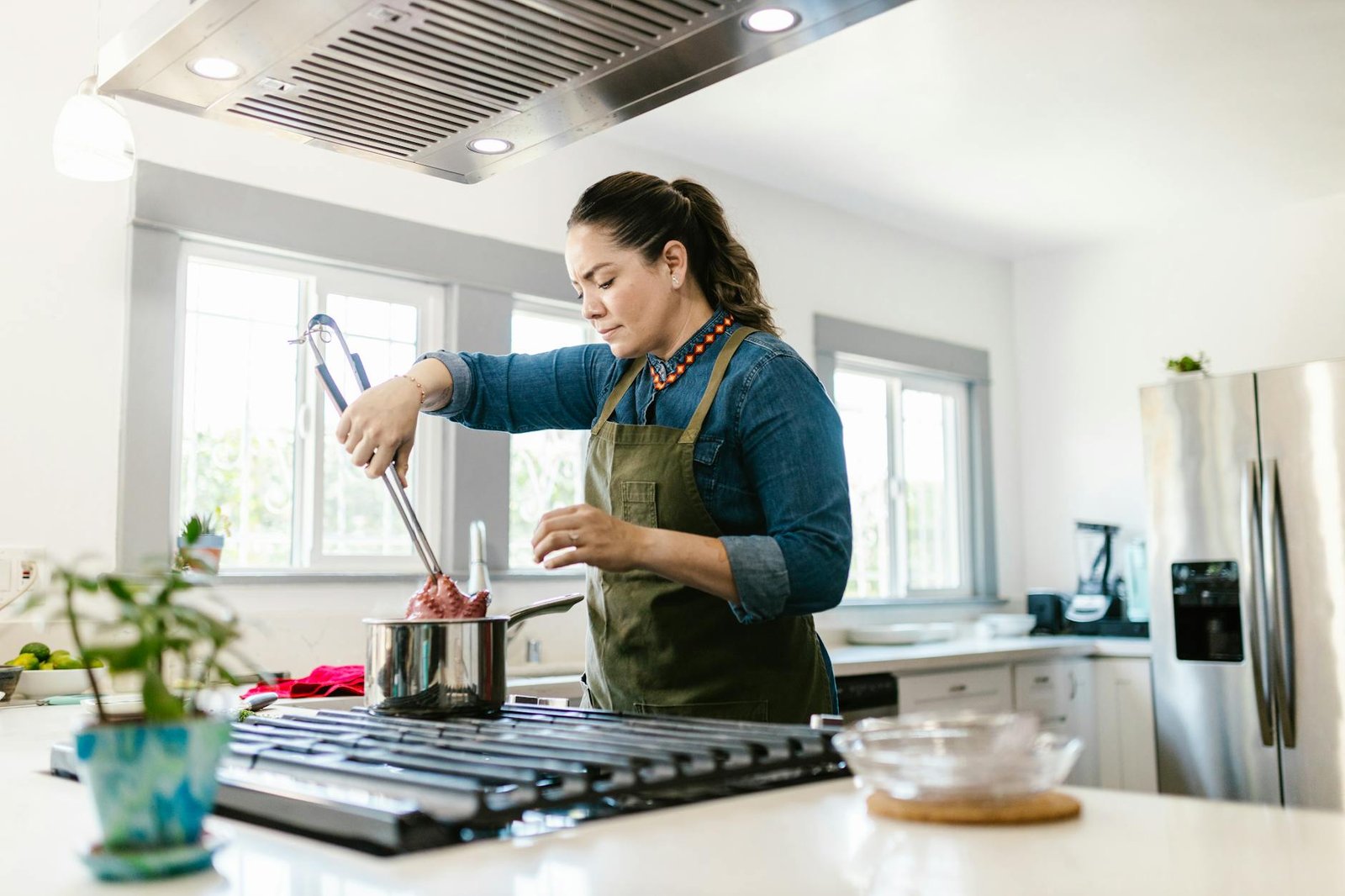
Cooking with cast iron on gas stoves requires some special considerations. To achieve even heat distribution, use a medium-low heat setting and a heat diffuser to distribute the flame evenly. You can also use a cast iron trivet to lift the cookware off the burner, allowing for air to circulate and heat to distribute evenly. Some key tips to keep in mind include:
- Use a gentle touch when adjusting the heat to avoid creating hotspots
- Don’t overcrowd the cookware, as this can lead to uneven cooking
- Stir food regularly to ensure even cooking
By following these techniques and tips, you’ll be able to achieve even heat distribution and cook delicious meals with your cast iron cookware on a gas stove.
Maintaining and Caring for Your Cast Iron Cookware
Maintaining and caring for your cast iron cookware is crucial to ensure its longevity and performance. With proper care, cast iron cookware can last for decades and become a trusted companion in the kitchen.
Cleaning and Seasoning Your Cast Iron
To clean your cast iron cookware, simply wipe it out with a paper towel after use, and then wash it with mild soap and water. Avoid using harsh chemicals or abrasive cleaners, as they can strip away the seasoning. For tougher messes, mix equal parts water and white vinegar in the cookware and bring it to a boil. Reduce the heat and let it simmer for a few minutes before rinsing and drying.
Seasoning your cast iron cookware is also important to prevent rust and create a non-stick surface. To season your cast iron, apply a thin layer of cooking oil to the surface and place it in the oven at 350°F (175°C) for an hour. Let it cool before wiping off any excess oil.
Avoiding Common Mistakes in Cast Iron Care
There are several common mistakes to avoid when caring for your cast iron cookware. These include:
- Using metal utensils, which can scratch the seasoning
- Putting cast iron in the dishwasher, which can strip away the seasoning
- Storing cast iron in a humid environment, which can cause rust
- Not drying cast iron properly after cleaning, which can also cause rust
To store your cast iron cookware, simply wipe it dry and apply a thin layer of cooking oil to the surface. You can also store it in a dry place, such as a hook or hanging rack. By following these simple care and maintenance tips, you can enjoy your cast iron cookware for years to come.
It’s also worth noting that regular maintenance is key to extending the life of your cast iron cookware. This includes re-seasoning your cast iron every few months, or as needed, and avoiding the use of acidic foods, such as tomatoes, which can strip away the seasoning.
Advanced Cast Iron Cooking Techniques on Gas Stoves
When it comes to advanced cast iron cooking techniques on gas stoves, there are several methods to master. With the right techniques, you can achieve restaurant-quality dishes in the comfort of your own home. Here, we’ll delve into two essential techniques: searing and browning, and cooking delicate foods.
Searing and Browning with Cast Iron
Searing and browning are essential techniques for achieving a flavorful crust on your food. To sear and brown with cast iron on a gas stove, preheat the skillet over high heat for 10-15 minutes. While the skillet is heating up, prepare your ingredients and season them as desired. Once the skillet is hot, add a small amount of oil and swirl it around to coat the bottom. Then, add your ingredients and cook for 2-3 minutes on each side, or until a nice crust forms.
- Use the right oil: Choose an oil with a high smoke point, such as avocado oil or grapeseed oil, to prevent burning.
- Don’t overcrowd: Cook in batches if necessary, to ensure each piece of food has enough room to cook evenly.
- Don’t stir too much: Let the food develop a nice crust before stirring or flipping.
Cooking Delicate Foods in Cast Iron
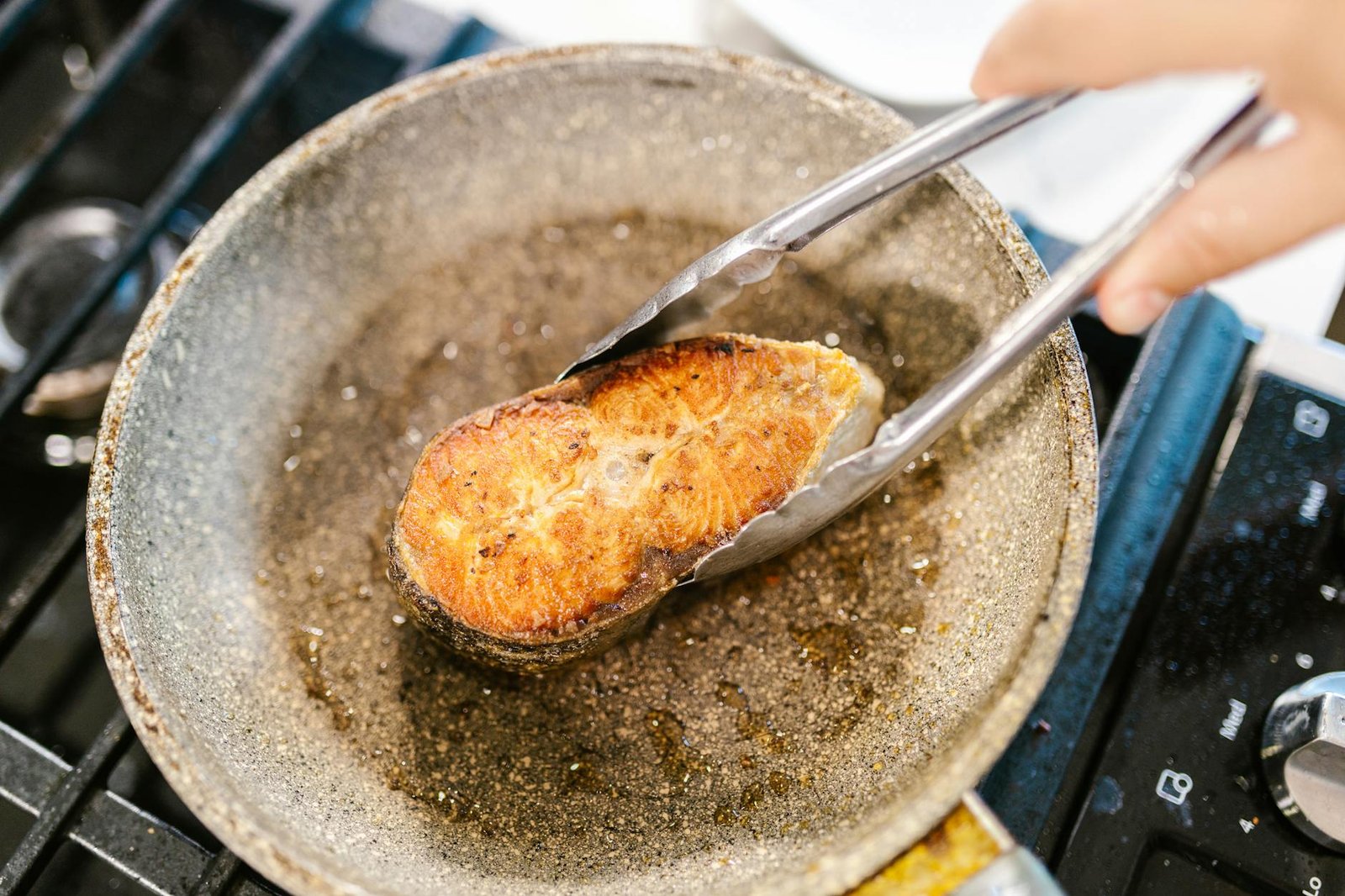
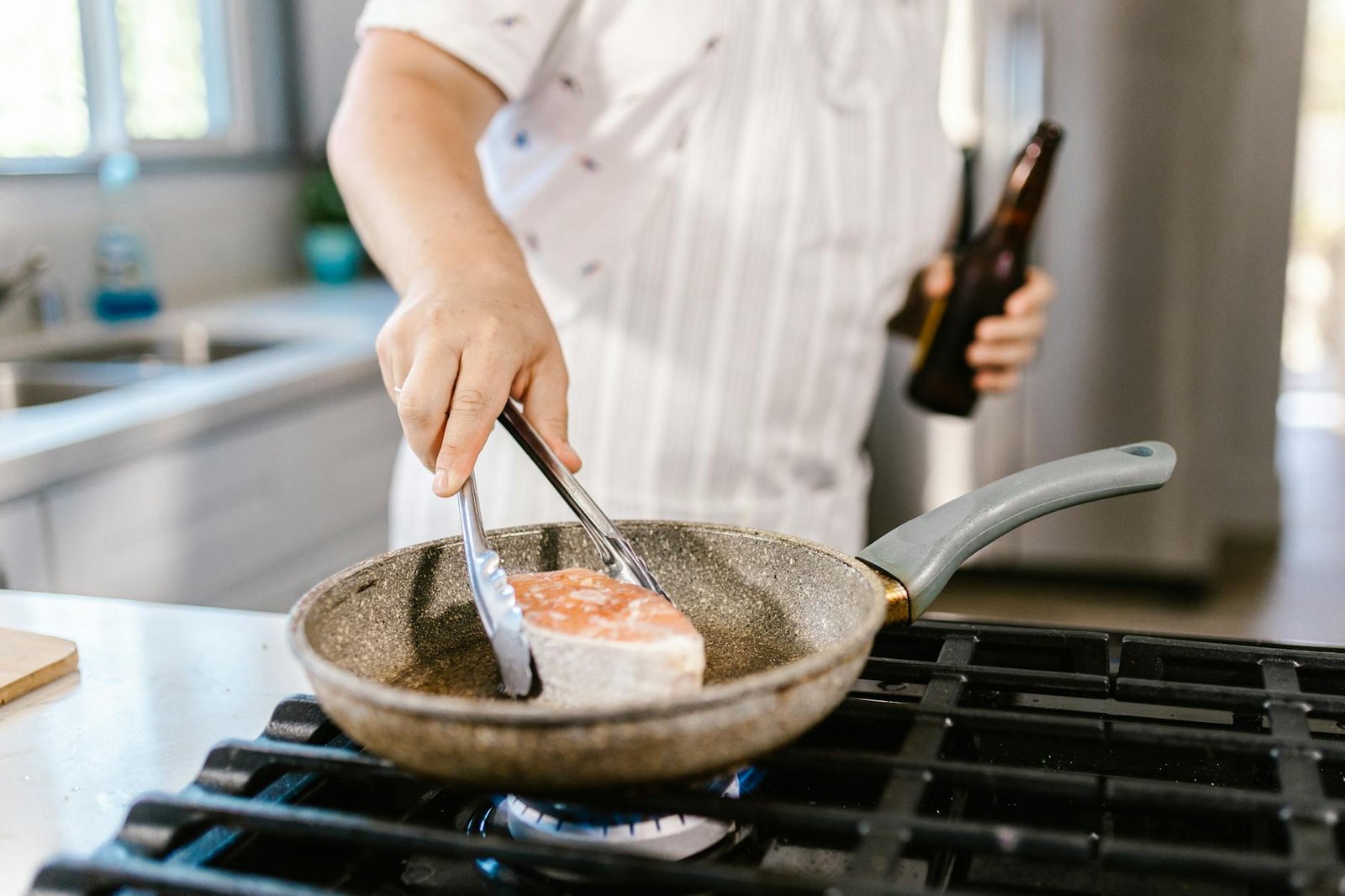
Cooking delicate foods, such as fish or eggs, in cast iron requires a bit more finesse. To prevent delicate foods from sticking or breaking apart, make sure the skillet is hot but not smoking. Add a small amount of oil or butter to the skillet and swirl it around to coat the bottom. Then, add your delicate food and cook over medium-low heat, using a gentle stirring motion to prevent breaking.
| Food | Heat | Cooking Time |
|---|---|---|
| Fish | Medium-low | 3-5 minutes per side |
| Eggs | Low | 2-3 minutes per side |
By following these techniques and tips, you’ll be able to achieve perfect sears, flavorful browns, and delicate dishes with your cast iron skillet on a gas stove. Remember to always use gentle heat control and patience when cooking with cast iron, as it can be unforgiving if not used properly.
Mini Case Study: The Case of the Uneven Oven at 350°F
A local bakery was experiencing inconsistent baking results, with some items overcooked and others undercooked, despite being baked at the same temperature of 350°F. The bakery owner was frustrated and unsure of the cause.
The Problem was identified as uneven oven heating, resulting in unpredictable baking outcomes. To Diagnose the issue, we:
- Inspected the oven for any blockages or damage
- Checked the oven’s calibration and temperature control
- Monitored the oven’s performance using temperature probes
The Solution involved adjusting the oven’s calibration and replacing a faulty heating element. With the issue resolved, the bakery was able to achieve consistent baking results, ensuring high-quality products and satisfied customers.
Final Thoughts
Mastering cast iron cooking on gas stoves requires a combination of technique, patience, and practice. With the right skills and knowledge, you can unlock the full potential of your cast iron cookware and achieve delicious, restaurant-quality results in the comfort of your own home. In this conclusion, we will summarize the key takeaways from our journey to mastering cast iron cooking on gas stoves.
Key Takeaways
Throughout our exploration of cast iron cooking on gas stoves, we have covered various topics, including seasoning and maintenance, heat control, and cooking techniques. To recap, the key takeaways are:
- Proper seasoning and maintenance are crucial for non-stick performance and durability.
- Heat control is essential for achieving the perfect sear, and gas stoves offer unparalleled control and flexibility.
- Cooking techniques, such as preheating, oiling, and not overcrowding the pan, are vital for success.
Benefits of Cast Iron Cooking on Gas Stoves
Cooking with cast iron on gas stoves offers numerous benefits, including:
- Even heat distribution: Gas stoves provide a consistent, even heat that is ideal for cast iron cooking.
- Flexibility: Gas stoves allow for precise heat control, making it easy to adjust the heat to suit your cooking needs.
- Versatility: Cast iron cookware can be used for a wide range of cooking techniques, from searing and sautéing to braising and baking.
In conclusion, mastering cast iron cooking on gas stoves is a rewarding and delicious journey. By following the tips, techniques, and best practices outlined in this article, you can unlock the full potential of your cast iron cookware and achieve professional-grade results in your own kitchen. Whether you’re a seasoned chef or a beginner cook, cast iron cooking on gas stoves is sure to become a favorite way to cook.
Frequently Asked Questions
What does ‘None’ mean in programming?
In programming, ‘None’ is a special value that represents the absence of a value or a null object. It is often used to indicate that a variable or attribute has not been assigned a value.
How is ‘None’ used in conditional statements?
In conditional statements, ‘None’ is often used to check if a variable or attribute has a value, allowing the program to handle cases where a value is missing or undefined.
Can ‘None’ be used as a placeholder?
Yes, ‘None’ can be used as a placeholder when a value is not yet available or has not been assigned, allowing the program to continue executing without errors.
Is ‘None’ the same as ‘null’?
While ‘None’ and ‘null’ are often used interchangeably, they have different meanings in different programming languages, with ‘None’ being a specific value in Python and ‘null’ being a more general term for the absence of a value.