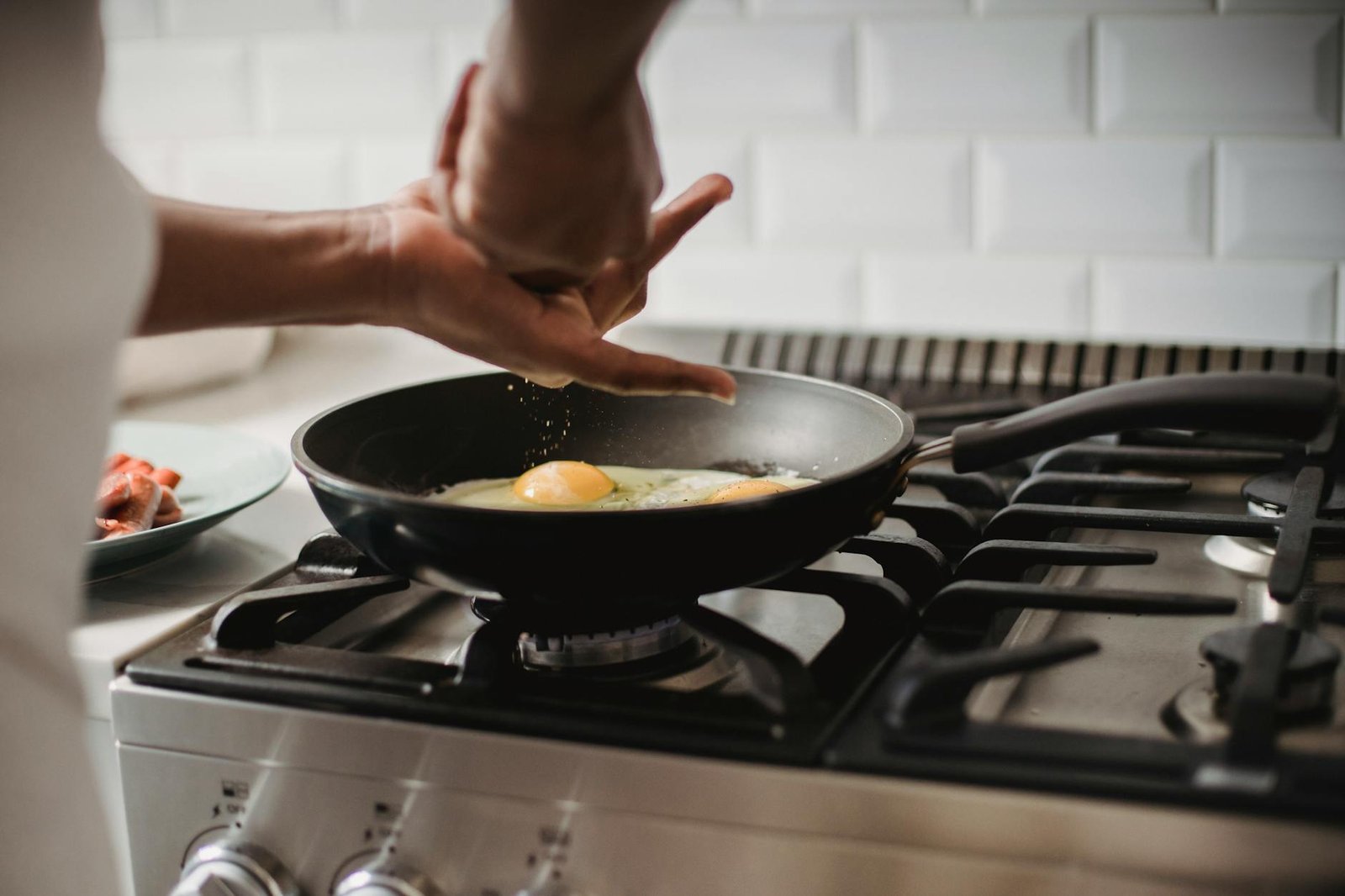
As a stove expert, I’ve witnessed a significant shift in the culinary world, with many luxury kitchens making the transition from traditional gas stoves to induction cooktops. This trend, known as “Induction Awakening,” has sparked a mix of excitement and concern among home cooks and professional chefs alike. In this article, we’ll delve into the world of induction cooking, exploring the benefits and drawbacks of this technology, with a particular focus on the often-overlooked wok ring.
For those unfamiliar with induction cooking, it uses electromagnetic fields to heat cookware directly, providing a faster, more energy-efficient, and safer alternative to traditional gas or electric stoves. However, this technology also presents some unique challenges, particularly when it comes to cookware compatibility and safety. The wok ring, a staple in many Asian-inspired kitchens, is one such component that requires special attention when making the switch to induction.
Understanding Induction Cooking
Before we dive into the specifics of wok rings, it’s essential to understand the basics of induction cooking. Induction cooktops use a coil of wire beneath the cooking surface to generate a magnetic field. When a compatible pot or pan is placed on the cooktop, the magnetic field induces an electrical current, heating the cookware directly. This process is highly efficient, with some induction cooktops boasting energy efficiency rates of up to 90%.
Wok Rings and Induction Compatibility
Wok rings, designed to distribute heat evenly and prevent woks from warping, can be a challenge when used with induction cooktops. The metal composition and thickness of the wok ring can affect its compatibility with induction cooking. Some key factors to consider include:
- Material: Wok rings made from ferromagnetic materials, such as cast iron or carbon steel, are generally compatible with induction cooktops.
- Thickness: Thicker wok rings may not heat evenly or efficiently, leading to hotspots and reduced cooking performance.
In the following sections, we’ll explore the pros and cons of using wok rings with induction cooktops, discuss safety considerations, and provide practical tips for those making the transition from gas to induction cooking.

Understanding Induction Wok Rings
As a stove expert, I’d like to delve into the world of induction wok rings, a crucial component for those making the transition from gas to induction cooking. In this section, we’ll explore the ins and outs of induction wok rings, helping you make an informed decision for your luxury kitchen.
What are Induction Wok Rings?
Induction wok rings are specialized accessories designed to work with induction cooktops, allowing for the use of woks and other large, flat-bottomed cookware. Their primary purpose is to concentrate the electromagnetic field, ensuring efficient heat transfer and distribution. The benefits of induction wok rings include increased cooking speed, improved heat control, and reduced energy consumption. By using an induction wok ring, you can unlock the full potential of your induction cooktop and enjoy a more efficient cooking experience.
Types of Induction Wok Rings
Induction wok rings come in various materials and designs, each with its own set of advantages and disadvantages. The most common types include:
- Stainless Steel Induction Wok Rings: Durable, resistant to scratches, and easy to clean. However, they can be noisy and may not be compatible with all cookware.
- Copper Induction Wok Rings: Excellent heat conductivity, but prone to oxidation and require regular maintenance.
- Ceramic Induction Wok Rings: Non-stick, easy to clean, and compatible with most cookware. However, they can be fragile and may not withstand high temperatures.
When choosing an induction wok ring, consider the compatibility with your cookware, ease of cleaning, and durability. By selecting the right induction wok ring, you can ensure a seamless transition to induction cooking and enjoy the benefits of this efficient and convenient cooking method.
Common Mistakes to Avoid with Induction Wok Rings
As a stove expert, I’ve seen many homeowners make the switch from gas to induction cooktops, only to encounter unexpected challenges with their wok rings. To ensure a seamless transition, it’s essential to be aware of common mistakes to avoid with induction wok rings.
Incorrect Sizing and Compatibility
Choosing the right size and compatible induction wok ring for your cooktop is crucial. A wok ring that’s too small may not heat evenly, while one that’s too large can be unstable and prone to tipping. When selecting a wok ring, consider the following factors:
- Measure your cooktop to ensure the wok ring fits snugly
- Check the wok ring’s compatibility with your induction cooktop’s wattage and frequency
- Look for a wok ring with a sturdy base and even heat distribution
Improper Cleaning and Maintenance
To prevent damage and ensure longevity, it’s vital to clean and maintain your induction wok ring regularly. Here are some tips:
- Avoid using abrasive cleaners or scrubbers, which can scratch the wok ring’s surface
- Wipe down the wok ring with a soft cloth and mild soap after each use
- Dry the wok ring thoroughly to prevent water spots and mineral deposits
Safety Precautions and Hazards
Induction wok rings can pose safety hazards if not used properly. Be aware of the following risks:
- Overheating: never leave a wok ring unattended, as it can overheat and cause a fire
- Electrical shock: ensure the wok ring is properly grounded and avoid using it near water or in humid environments
- Always follow the manufacturer’s instructions and guidelines for safe use
By being mindful of these common mistakes and taking the necessary precautions, you can enjoy safe and efficient cooking with your induction wok ring.
Making a Successful Transition from Gas to Induction
Making a successful transition from gas to induction cooking requires careful consideration and planning. As a stove expert, I will guide you through the process, helping you navigate the potential challenges and uncover the benefits of induction cooking.
Assessing Your Cooking Style and Needs
To ensure a seamless transition, it’s essential to evaluate your cooking habits and determine the best approach for induction cooking. Consider the types of dishes you frequently prepare, the size of your cookware, and your personal cooking style. For example, if you often cook with large, heavy pots, you may need to adjust your technique to accommodate the faster heating times of induction cooking. Ask yourself:
- What types of cookware do I currently use, and are they compatible with induction cooking?
- Do I cook with high-frequency stir-fries or slow-cooked stews, and how will induction cooking affect these techniques?
- What are my must-have features in a cooktop, such as power levels, timer, or child safety lock?
Investing in Induction-Compatible Cookware
Not all cookware is created equal when it comes to induction cooking. To take full advantage of induction’s efficiency and speed, you’ll need cookware made from ferromagnetic materials, such as cast iron or stainless steel. When selecting induction-compatible cookware, consider the following factors:
Materials: Look for cookware with a ferromagnetic base, such as cast iron, stainless steel, or carbon steel. Avoid aluminum, copper, or glass cookware, as they are not compatible with induction cooking.
Brands: Research reputable brands that specialize in induction-compatible cookware, such as All-Clad, Le Creuset, or Demeyere. These brands often offer a range of products with varying price points and features.
By assessing your cooking style and investing in the right cookware, you’ll be well on your way to a successful transition from gas to induction cooking. Remember to also explore the various induction cooktop models available, considering factors such as power levels, safety features, and energy efficiency to find the perfect fit for your kitchen.
Mini Case Study: The Case of the Overheated Wok Ring
In a luxury kitchen, a homeowner made the switch from gas to induction, but soon discovered a hidden danger. The wok ring, a staple in many Asian-inspired kitchens, was causing overheating issues with the new induction cooktop.
The Problem: The wok ring was made of a ferromagnetic material, which was compatible with the induction cooktop, but its curved design was concentrating the magnetic field, leading to hotspots and overheating.
The Diagnosis:
- Inspected the wok ring and cooktop for any damage or wear
- Consulted the manufacturer’s guidelines for compatible cookware
- Conducted a series of tests to identify the root cause of the overheating issue
The Solution: Replaced the wok ring with a flat, induction-compatible disc specifically designed for wok cooking, resolving the overheating issue and ensuring safe and efficient cooking.
Final Thoughts
As we conclude our exploration of the hidden dangers of wok rings in luxury kitchens, it’s clear that making the gas to induction leap can be a prudent decision for homeowners seeking a safer and more efficient cooking experience. The risks associated with wok rings, including uneven heat distribution, hotspots, and potential fires, can be mitigated by transitioning to induction cooking.
Key Takeaways
When considering the switch to induction, it’s essential to weigh the pros and cons of this transition. Some key benefits of induction cooking include:
- Increased safety due to the absence of open flames
- Faster cooking times and more efficient energy consumption
- Easier cleaning and maintenance of the cooktop
However, it’s also important to acknowledge the potential drawbacks, such as:
- The need for compatible cookware, which can be an additional expense
- A possible learning curve for cooks accustomed to gas or traditional electric stoves
- Potential interference with certain types of cookware or kitchen utensils
Recommendations for a Seamless Transition
To ensure a smooth transition from gas to induction, we recommend the following:
- Invest in high-quality, induction-compatible cookware that can withstand the demands of frequent use
- Familiarize yourself with the unique characteristics of induction cooking, such as the importance of using the correct cookware and avoiding overheating
- Consider consulting with a professional to determine the best induction cooktop for your specific kitchen needs and layout
By understanding the potential risks and benefits associated with wok rings and induction cooking, luxury kitchen owners can make informed decisions about their cooking setup and create a safer, more efficient, and more enjoyable cooking experience.
Frequently Asked Questions
What are the primary hidden dangers of wok rings in luxury kitchens?
The primary hidden dangers include uneven heat distribution, potential for gas leaks, and increased risk of kitchen fires. These dangers can be mitigated by switching to induction cooking, which offers a safer and more efficient alternative.
How does induction cooking compare to gas cooking in terms of safety?
Induction cooking is generally safer than gas cooking because it uses electromagnetic fields to heat cookware directly, eliminating the risk of open flames and reducing the risk of burns and fires.
What are the key benefits of making the switch from gas to induction cooking in luxury kitchens?
The key benefits include improved safety, increased energy efficiency, and reduced environmental impact, as well as the potential for more precise temperature control and faster cooking times.
Are there any special considerations for choosing induction-compatible cookware when making the leap from gas to induction cooking?
Yes, it’s essential to choose cookware that is compatible with induction cooking, such as stainless steel or cast iron pots and pans, to ensure safe and efficient operation of the induction cooktop.