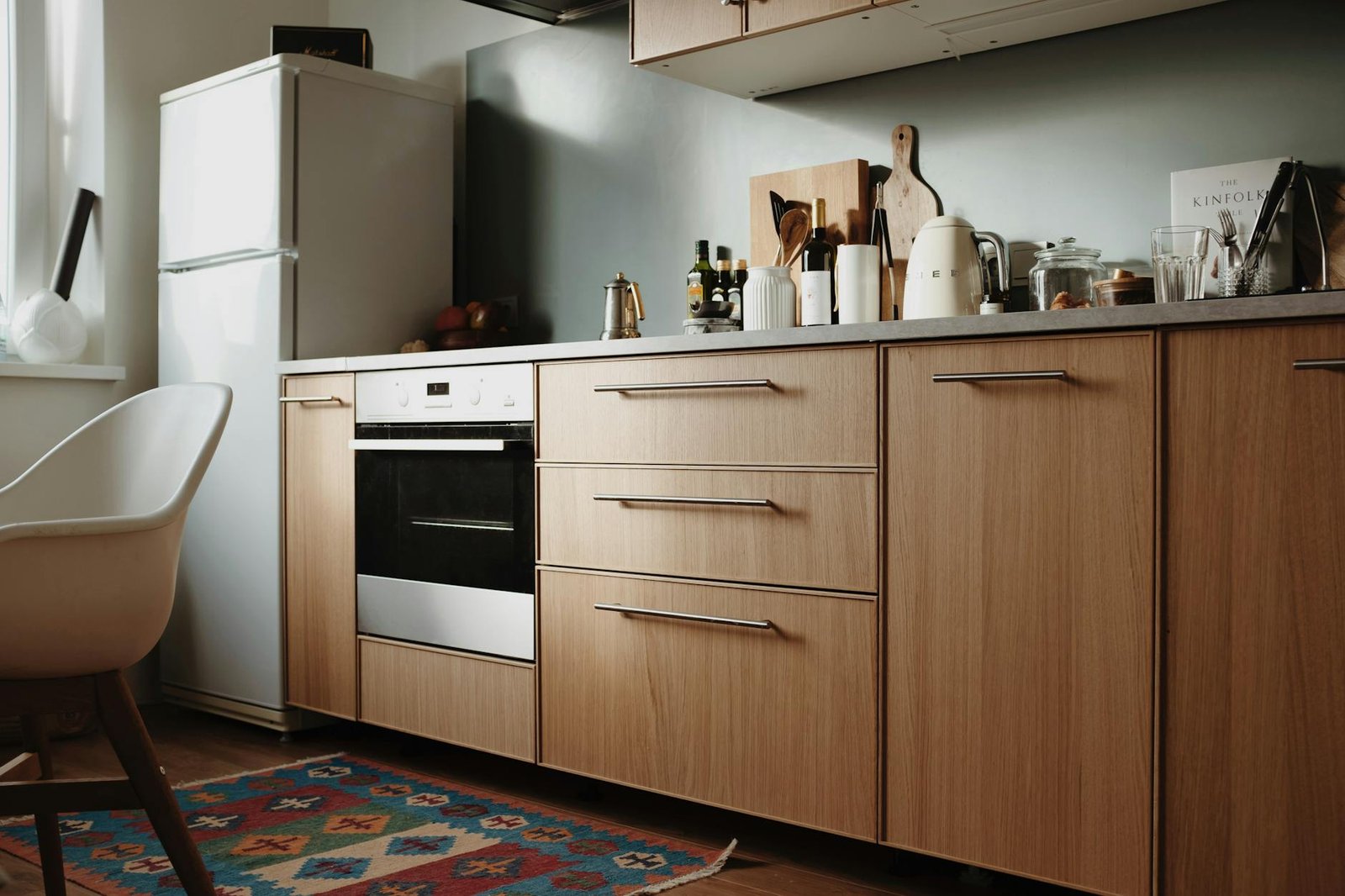
A Beginner’s Guide to Creating an Ergonomic Kitchen Space
As a stove expert, I can attest that optimizing your kitchen layout is crucial for efficient cooking and safety. A well-designed kitchen can make a significant difference in your cooking experience, from reducing cooking time to minimizing the risk of accidents. In this article, we will delve into the world of kitchen optimization, exploring the key elements that can transform your cooking space into a haven of productivity and safety.

Understanding the Importance of Kitchen Layout
A kitchen layout that is tailored to your cooking style and needs can greatly enhance your overall cooking experience. A well-planned layout can help you navigate your kitchen with ease, reducing the time spent on meal preparation and cooking. Moreover, a safe and efficient kitchen layout can also help prevent accidents, such as burns, cuts, and slips, by minimizing hazards and ensuring that all kitchen tools and equipment are within easy reach.
To achieve an optimal kitchen layout, it is essential to consider several factors, including the size and shape of your kitchen, the type of cooking you do most often, and the number of people using the kitchen. By taking these factors into account, you can create a kitchen layout that is tailored to your specific needs, ensuring that your cooking experience is both efficient and safe.
Key Elements of an Optimized Kitchen Layout
Some of the key elements of an optimized kitchen layout include:
- Work Triangle: A work triangle is formed by the sink, stove, and refrigerator. This triangle should be compact, with each point within easy reach of the others, to minimize walking distances and reduce fatigue.
- Countertop Space: Ample countertop space is essential for food preparation, cooking, and cleaning. A minimum of 36 inches of countertop space per cook is recommended.
- Storage: Adequate storage is critical for keeping kitchen tools and equipment organized and within easy reach. This includes cabinets, drawers, and pantries.
By incorporating these key elements into your kitchen layout, you can create a cooking space that is both efficient and safe, making your cooking experience more enjoyable and productive.
Understanding the Principles of Ergonomic Kitchen Design
🔥 Popular on Stove Mastery
Understanding the principles of ergonomic kitchen design is crucial for optimizing your kitchen layout for efficient cooking and safety. A well-designed kitchen should facilitate a smooth workflow, minimize hazards, and reduce fatigue. In this section, we will delve into the key considerations for creating an ergonomic kitchen.
The Importance of Workflow and Zone Creation
A kitchen can be divided into three primary zones: cooking, preparation, and storage. To optimize workflow, it is essential to understand how these zones interact and how to create a seamless transition between them. The cooking zone typically includes the stove, oven, and cooktop, while the preparation zone comprises the countertops, sink, and refrigerator. The storage zone encompasses cabinets, pantries, and drawers.
- Cooking zone: Position the stove, oven, and cooktop in a way that allows for easy access and movement.
- Preparation zone: Place the countertops, sink, and refrigerator in close proximity to facilitate food preparation and cleaning.
- Storage zone: Locate cabinets, pantries, and drawers strategically to minimize walking distances and reduce clutter.
Ergonomic Considerations for Countertops and Appliances
When choosing and placing countertops and appliances, it is vital to consider ergonomics for maximum efficiency and safety. Countertop height should be between 34 and 36 inches to accommodate most users, while appliance placement should prioritize accessibility and minimize bending or stretching.
| Appliance | Recommended Placement |
|---|---|
| Oven | At a comfortable height to avoid bending, with a landing area for hot dishes |
| Refrigerator | Close to the preparation zone, with easy access to frequently used items |
By considering these ergonomic principles, you can create a kitchen layout that enhances your cooking experience, reduces the risk of accidents, and promotes overall efficiency.
Designing for Efficiency and Safety
Watch: Our 5 favourite essential design features in our kitchen!
Designing a kitchen for efficiency and safety is crucial for a smooth cooking experience. As a stove expert, I will guide you through the essential considerations to optimize your kitchen layout.
Optimizing Storage for Frequently Used Items
To maximize efficiency, it’s vital to store frequently used items in easily accessible locations. Consider the following tips:
- Store cooking utensils, such as spatulas and whisks, in a drawer near the stove or cooktop for quick access.
- Keep frequently used ingredients, like olive oil and spices, in a convenient location, such as a spice rack or a nearby cabinet.
- Invest in a cart or island with storage to keep pots, pans, and cooking vessels organized and within reach.
By optimizing storage, you’ll reduce the time spent searching for items, allowing you to focus on cooking and minimizing the risk of accidents.
Safety Features to Incorporate into Your Kitchen Design
Safety should always be a top priority in the kitchen. Incorporate the following safety features into your design:
➤ Read Also: Efficient Kitchen Design for Small Spaces
- Emergency Exits: Ensure that your kitchen has a clear escape route in case of an emergency, such as a fire.
- Fire Extinguishers: Install a fire extinguisher in an easily accessible location, and make sure it’s inspected regularly.
- Slip-Resistant Flooring: Choose flooring materials that provide traction, reducing the risk of slips and falls.
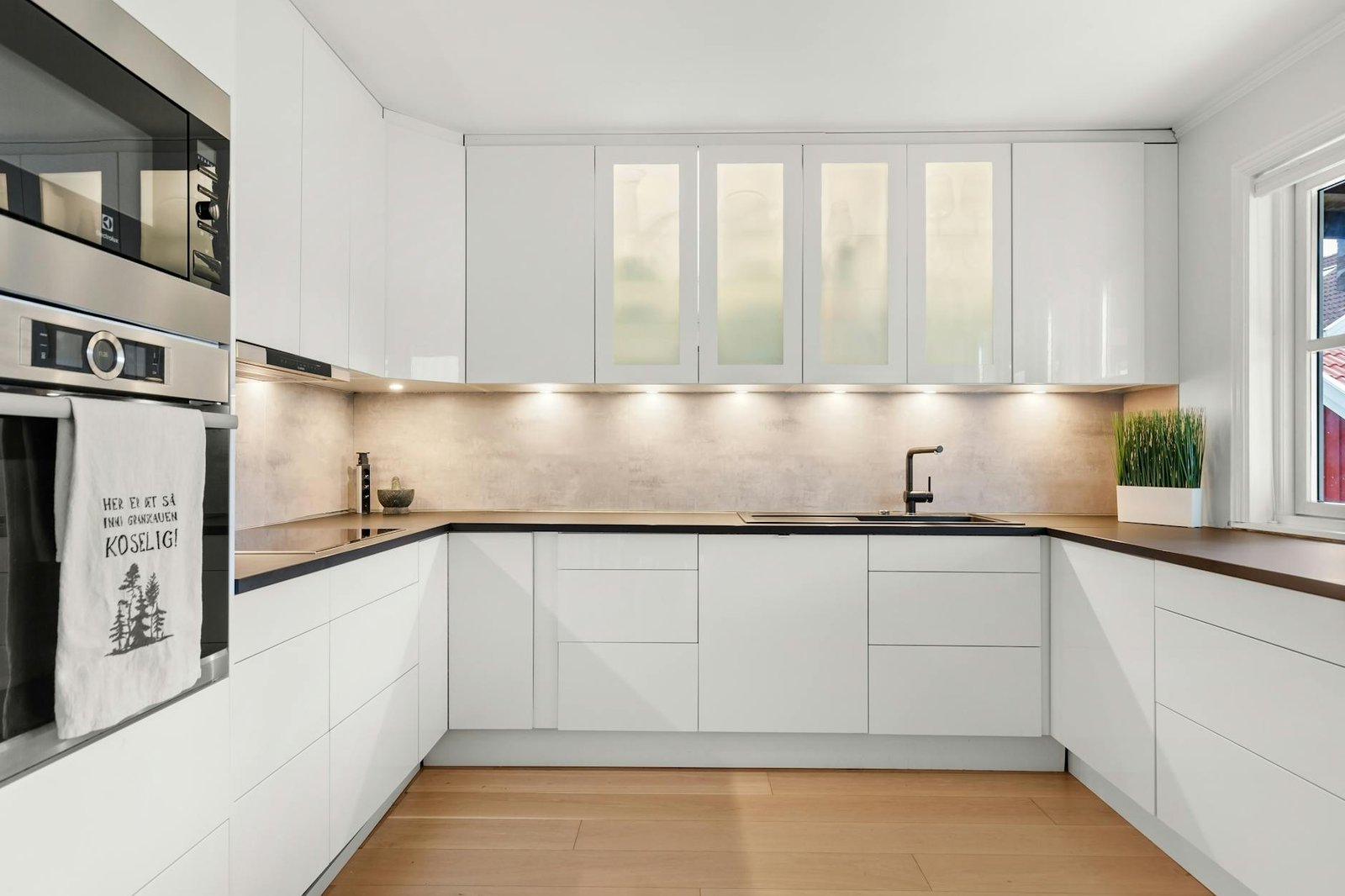
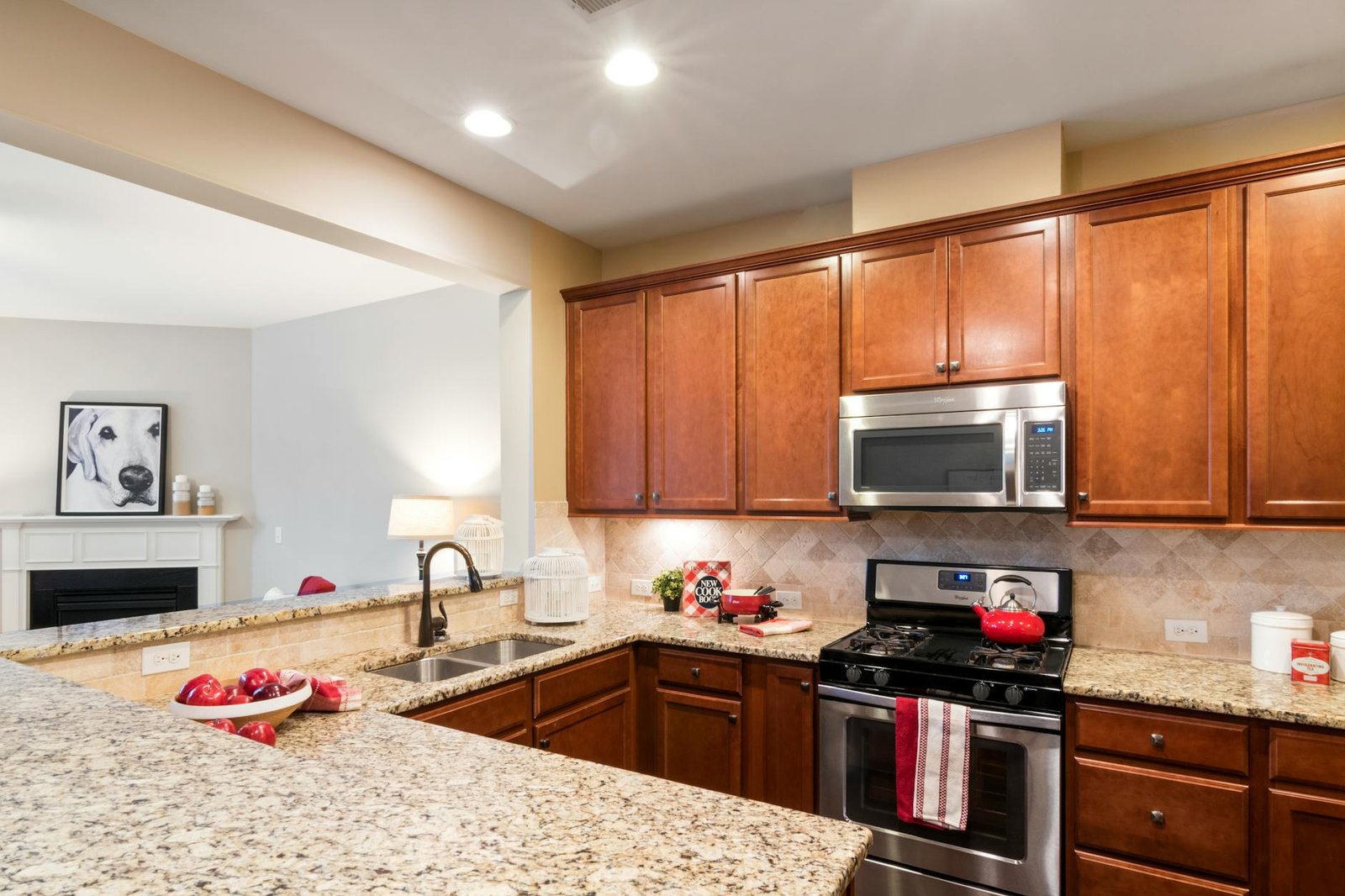
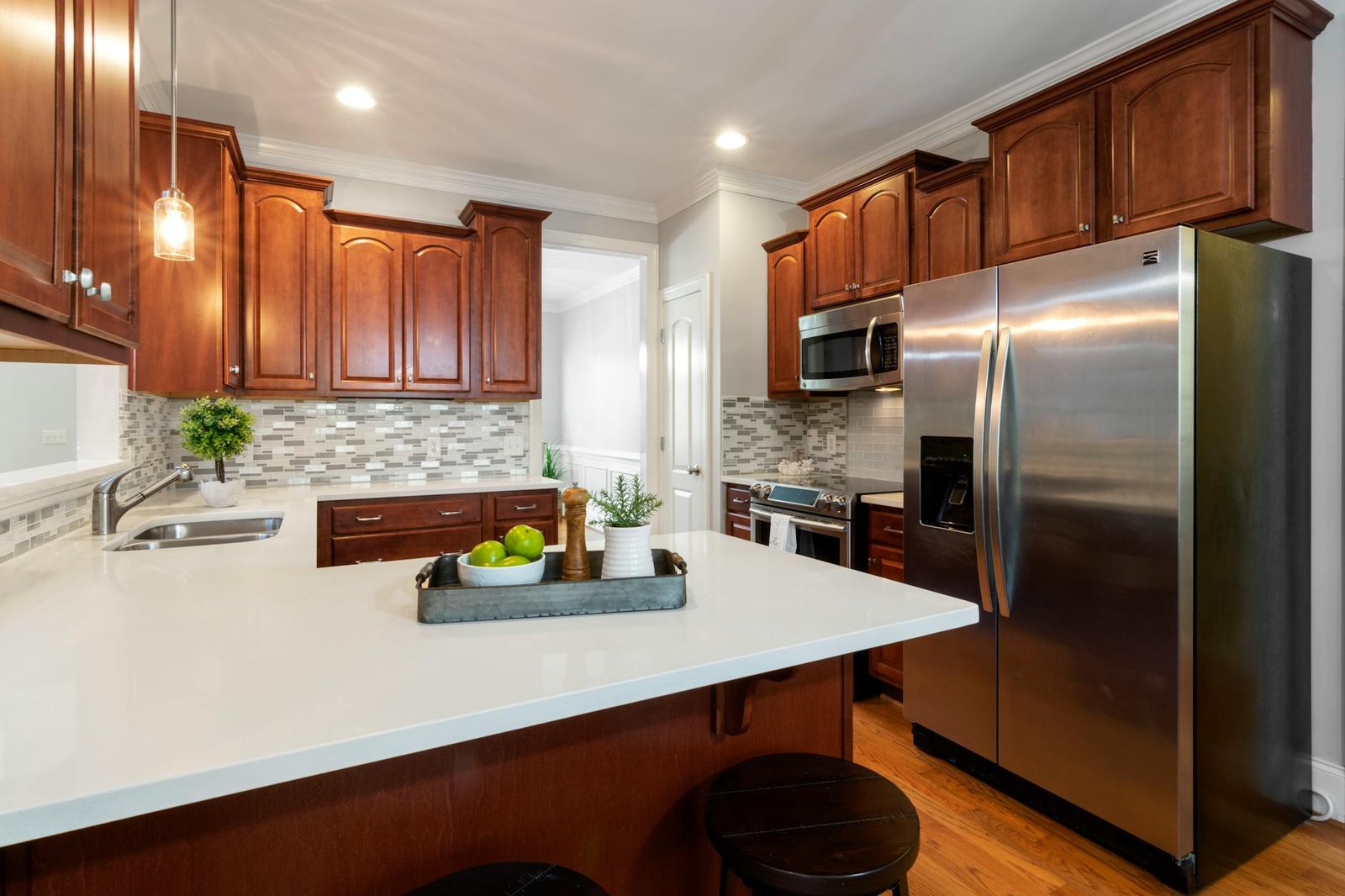
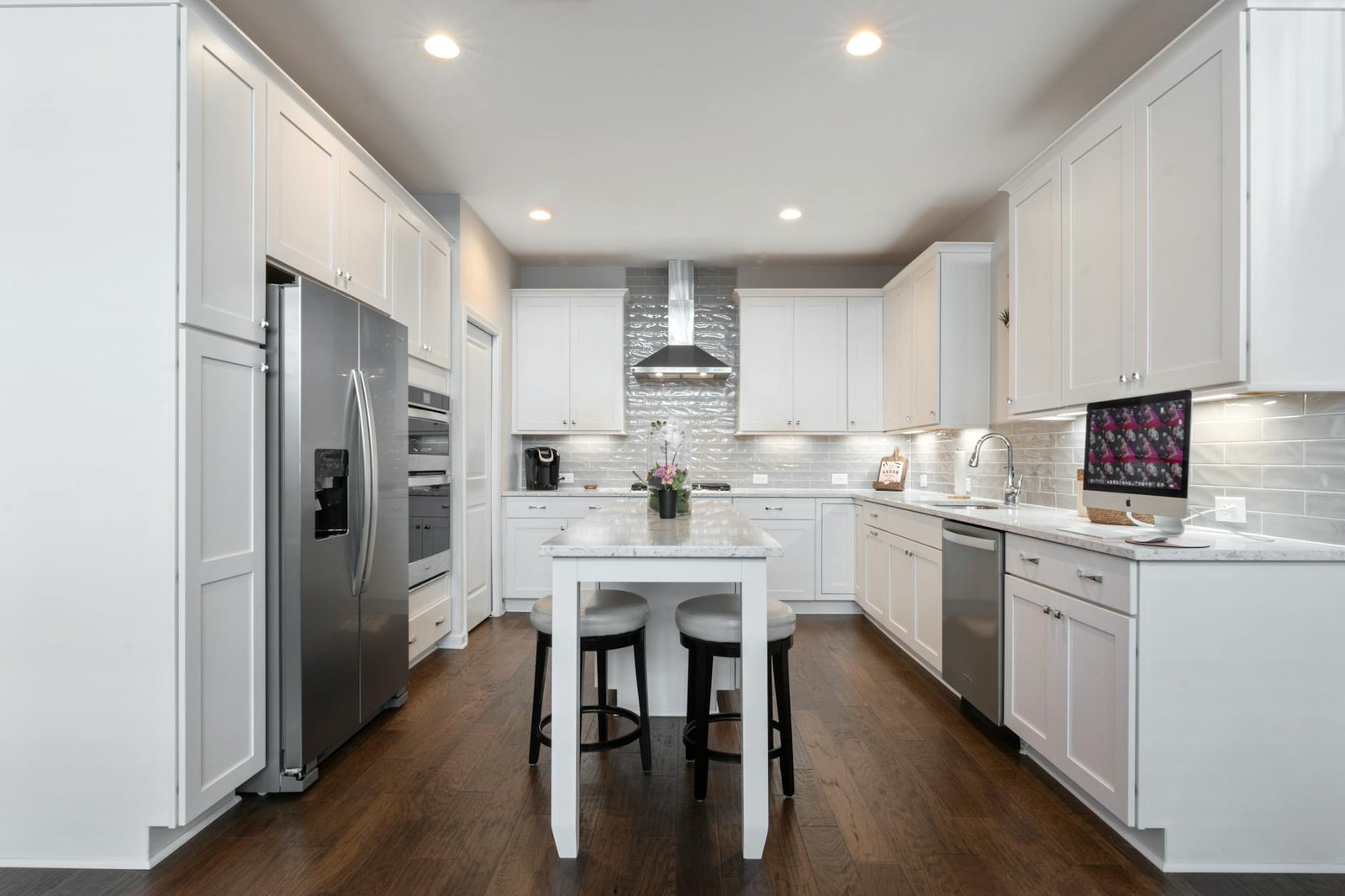
Additionally, consider the benefits and drawbacks of different kitchen layouts, such as a U-shaped or L-shaped design, to determine which one best suits your needs and promotes safety.
| Layout | Pros | Cons |
|---|---|---|
| U-shaped | Efficient use of space, easy access to appliances | Can feel cramped, limited flexibility |
| L-shaped | Flexible, open feel, easy to navigate | May require more space, can be less efficient |
By incorporating these safety features and optimizing storage, you’ll create a kitchen that’s both efficient and safe, allowing you to focus on cooking with confidence.
Implementing Your Ergonomic Kitchen Design
Implementing your ergonomic kitchen design requires careful planning and attention to detail. A well-designed kitchen can greatly improve your cooking experience, safety, and overall efficiency. To achieve this, it’s essential to follow a step-by-step approach to ensure that your kitchen layout meets your needs and preferences.
Measuring and Assessing Your Kitchen Space
To begin, measure your kitchen space accurately, taking note of the dimensions of your walls, doors, windows, and any obstacles. Assess the workflow and traffic patterns in your kitchen to identify areas that require improvement. Consider the work triangle concept, which connects the sink, stove, and refrigerator to create an efficient workflow.
- Measure the distance between these key areas to ensure they are within a comfortable range (typically 4-9 feet apart).
- Assess the location of doors, windows, and obstacles to determine the best placement for your kitchen components.
- Consider the height and depth of your countertops, cabinets, and appliances to ensure they are accessible and functional.
Creating a Functional and Beautiful Kitchen
A functional and beautiful kitchen design balances aesthetics with practicality. To achieve this, consider the following factors:
- Lighting: Ensure adequate lighting for tasks, ambiance, and safety. Consider a combination of overhead, task, and accent lighting.
- Storage: Provide sufficient storage for your kitchen essentials, including cabinets, drawers, and pantry space.
- Color scheme and materials: Choose a color scheme and materials that reflect your personal style and are easy to maintain, such as durable countertops and flooring.
By carefully measuring and assessing your kitchen space, and balancing functionality with aesthetics, you can create an ergonomic kitchen design that enhances your cooking experience and overall safety.
Mini Case Study: The Case of the Congested Cooktop
In a busy home kitchen, the cooktop was the epicenter of chaos. Pots, pans, and utensils cluttered the countertops, while the stove itself was often overcrowded, leading to safety hazards and inefficient cooking.
The Problem was clear: a lack of organized workspace and inadequate stove placement. The Diagnosis revealed a kitchen layout that prioritized style over function.
The successful Solution involved:
- Reconfiguring the kitchen layout to create a dedicated cooking zone
- Installing a stove with a larger cooktop and built-in utensil holders
- Adding a pot filler faucet to reduce clutter and increase efficiency
With these changes, the kitchen transformed into a safe and efficient cooking space, where meals could be prepared with ease and precision.
Final Thoughts
In conclusion, optimizing your kitchen layout is crucial for efficient cooking and safety. As a stove expert, I have highlighted the importance of considering the workflow, ergonomics, and safety features when designing your kitchen. By implementing these principles, you can create a functional and safe cooking environment that meets your needs and enhances your overall cooking experience.
Key Takeaways
When it comes to optimizing your kitchen layout, there are several key takeaways to keep in mind. These include:
- Assessing your cooking habits and needs to determine the most efficient layout for your kitchen
- Considering the workflow and ergonomics of your kitchen to minimize unnecessary movement and strain
- Incorporating safety features, such as a fire extinguisher and a first aid kit, to prevent and respond to accidents
- Investing in high-quality appliances, including a stove, that are designed with safety and efficiency in mind
Best Practices for Implementation
To implement these principles in your own kitchen, consider the following best practices:
- Measure your kitchen carefully to determine the optimal placement of appliances and fixtures
- Choose appliances and materials that are durable, easy to clean, and resistant to heat and moisture
- Consider the “work triangle” concept, which positions the sink, stove, and refrigerator in a triangular formation to minimize movement and maximize efficiency
- Leave sufficient space between appliances and fixtures to allow for safe and comfortable movement
By following these guidelines and considering your specific needs and preferences, you can create a kitchen layout that is both efficient and safe. Remember to prioritize functionality, ergonomics, and safety when designing your kitchen, and don’t hesitate to consult with a professional if you need additional guidance or support.
Frequently Asked Questions
What are the key considerations for optimizing kitchen layout?
When optimizing your kitchen layout, consider the workflow triangle between the sink, stove, and refrigerator to minimize walking distance and improve efficiency. Additionally, ensure adequate counter space and storage to maintain a safe and clutter-free environment.
How can I improve kitchen safety through layout design?
Improving kitchen safety through layout design involves placing hazardous appliances, such as the stove and oven, away from high-traffic areas and keeping emergency exits clear of obstacles.
What role does task zoning play in kitchen layout optimization?
Task zoning plays a crucial role in kitchen layout optimization by designating specific areas for food preparation, cooking, and cleaning, which helps to streamline workflow and reduce congestion.
Are there any specific guidelines for optimizing kitchen layout for small spaces?
For small kitchens, optimize the layout by using vertical storage, selecting space-saving appliances, and implementing a functional workflow that minimizes clutter and maximizes efficiency.